
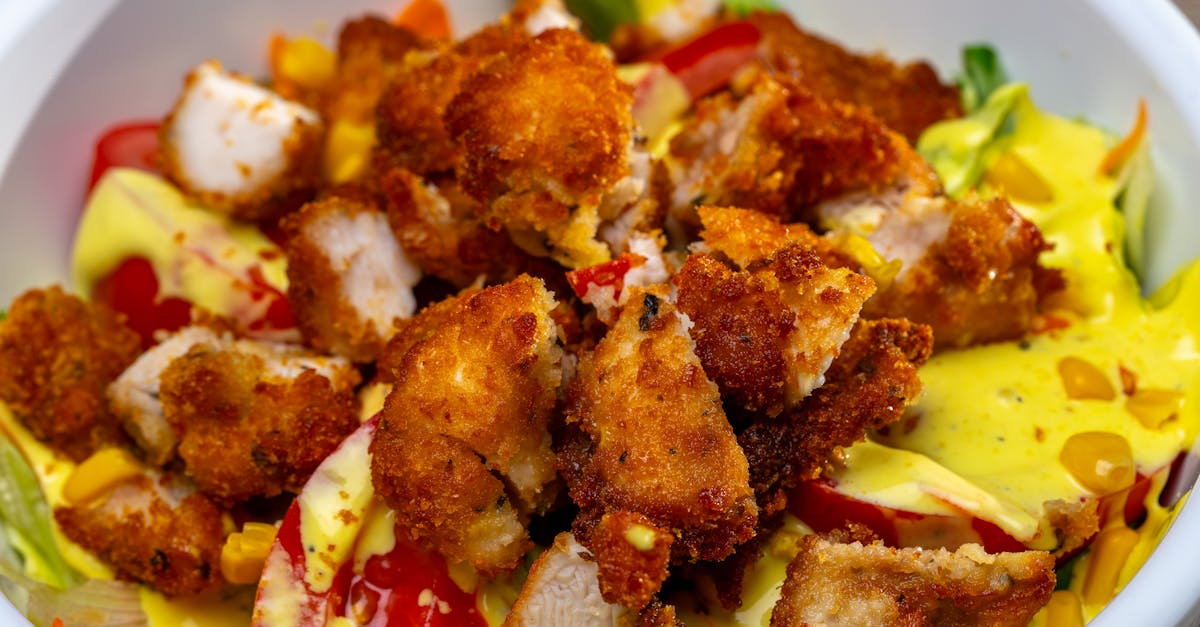
The first cold snap always hits me the same way. I want something fresh, but I also want something warm, filling, and a little sweet.
That’s why fall salad recipes are my go-to from September through Thanksgiving. A great fall salad tastes like a full meal, which means you stop hunting for snacks an hour later. In this guide, I’ll show you what makes a salad feel like fall, the building blocks I rely on, and 10 repeat-worthy recipes with clear steps and real-world prep tips.
Key Takeaways
- The best fall salad recipes nail the warm + crisp + sweet + salty mix, using roasted veggies, fruit, crunchy toppings, and a bright dressing to keep every bite balanced.
- Build fall salad recipes around one seasonal “anchor” ingredient (like apples, pears, squash, Brussels sprouts, beets, or pomegranates) so the flavors taste intentional and cohesive.
- Use the base → warm element → protein → crunch → dressing order to turn salad into a filling meal you won’t snack after.
- Make dressings that taste like autumn—maple-Dijon, apple cider vinaigrette, or tahini-lemon—and follow a simple 3:1 oil-to-acid ratio to avoid bland or harsh salads.
- Meal-prep smarter by storing greens, roasted vegetables, and crunchy toppings separately, then dress and add crunch right before eating to prevent soggy salads.
- Customize any bowl by keeping the contrast (sweet, savory, acid, crunch) while swapping proteins, cheeses, grains, and seeds to fit vegan, dairy-free, gluten-free, or high-protein needs.
What Makes A Salad Feel Like Fall
You can spot a fall salad in one bite. It has roasted edges, sweet-tart fruit, and something crunchy that snaps.
USDA data shows most Americans still fall short on fruit and vegetable intake, which means a hearty seasonal salad can close that gap without feeling like “diet food.” I use this as my simple rule: warm + crisp + sweet + salty.
Seasonal Produce To Build Around
I build most fall salad recipes around one main seasonal item, which means the salad tastes intentional instead of random.
Here are my most-used fall anchors:
| Produce | Best months (US) | Best prep | Flavor effect | What it fixes |
|---|---|---|---|---|
| Apples | Sep–Nov | Thin slices or matchsticks | Sweet + tart | Which means it brightens heavy ingredients |
| Pears | Sep–Dec | Sliced, not diced | Floral sweetness | Which means it softens bitter greens |
| Winter squash (butternut, kabocha) | Sep–Feb | Roast cubes at 425°F | Caramel + earthy | Which means it turns salad into a meal |
| Brussels sprouts | Sep–Mar | Shave raw or roast halves | Nutty + savory | Which means it adds bulk and crunch |
| Beets | Year-round (best in fall) | Roast whole, peel, slice | Sweet + mineral | Which means it adds “restaurant” depth |
| Pomegranates | Oct–Jan | Use arils | Juicy pop | Which means each bite tastes fresh |
I test produce like this: I roast a sheet pan of squash at 425°F for 22 minutes with salt and oil, which means I can build 3–4 lunches fast.
Flavors And Textures That Balance Sweet, Savory, And Crunch
Fall salads work when you balance contrasts. I use a simple “4-corner” check.
- Sweet: apple, pear, maple, dried cranberries, roasted squash, which means the salad feels cozy.
- Savory: bacon, turkey, Parmesan, roasted mushrooms, which means the salad feels satisfying.
- Acid: cider vinegar, lemon, oranges, which means the flavors stay sharp.
- Crunch: nuts, seeds, croutons, fried shallots, which means every forkful feels lively.
“Fat carries flavor, salt amplifies it, and acid balances it.” I learned this the hard way after making too many flat salads. Acid is usually the missing piece, which means one extra squeeze of lemon can save the bowl.
A quick number that matters: I aim for at least 2 textures (crisp + chewy) in every fall salad, which means I don’t get bored halfway through eating it.
Essential Building Blocks For Great Fall Salads
The transformation happens when you stop treating salad like “greens plus stuff.” I treat it like a grain bowl that happens to include greens, which means it eats like dinner.
When I recipe-test, I build in this order: base → warm element → protein → crunch → dressing.
Greens, Grains, And Roasted Vegetables
I pick greens that can handle weight and time.
- Kale (lacinato or curly): it stays firm for hours, which means it meal-preps well.
- Arugula: it tastes peppery, which means it cuts through squash and cheese.
- Spinach: it turns tender fast, which means it works best with cooler toppings.
- Shaved Brussels sprouts: they act like a green and a crunch, which means fewer ingredients can still feel complete.
I add grains when I want real staying power.
| Grain | Cook time | Best with | What it adds | Which means… |
|---|---|---|---|---|
| Farro | 25–30 min | mushrooms, herbs | chewy bite | you feel full longer |
| Quinoa | 15 min | citrus, tahini | light protein | you get balance without heaviness |
| Wild rice | 45–55 min | cranberries, turkey | nutty chew | the salad feels holiday-ready |
For roasted vegetables, I keep it simple: 425°F, 2 tablespoons oil per sheet pan, 1 teaspoon kosher salt, which means browning happens without fuss.
Cheese, Nuts, Seeds, And Something Crispy
This is where fall salads stop tasting “healthy” and start tasting like you want seconds.
- Cheese: cheddar, goat cheese, blue cheese, Parmesan, which means you get salt and creaminess.
- Nuts/seeds: pepitas, walnuts, hazelnuts, pistachios, which means you get crunch plus richness.
- Something crispy: croutons, toasted pita, fried onions, roasted chickpeas, which means the bowl feels finished.
I toast nuts at 350°F for 7–9 minutes until they smell sweet and nutty, which means they taste twice as good for zero extra work.
If you want a fun crunchy side idea for a fall spread, I sometimes pair salads with a punchy dip like this blue jam garlic aioli, which means guests can nibble while the salad chills.
Dressings That Taste Like Autumn
The first time I swapped plain vinaigrette for maple-Dijon, the whole salad changed. The bowl tasted like October, which means I stopped forcing myself to eat greens.
A good dressing does two jobs: it adds acid and it carries flavor into every bite, which means you need enough salt and enough fat.
Maple-Dijon, Apple Cider Vinaigrette, And Tahini Options
Here are three dressings I use on repeat. Each makes about 6 tablespoons (roughly 3–4 salads), which means you can batch once and coast.
1) Maple-Dijon (sweet + sharp)
- 2 tbsp olive oil, which means the dressing coats leaves.
- 1 tbsp Dijon mustard, which means it emulsifies fast.
- 1 tbsp maple syrup, which means bitterness tastes pleasant.
- 1 tbsp apple cider vinegar, which means the salad pops.
- 1/4 tsp kosher salt + black pepper, which means flavor shows up.
2) Apple cider vinaigrette (bright + fruity)
- 3 tbsp olive oil, which means you get richness.
- 1 1/2 tbsp apple cider vinegar, which means sweetness stays balanced.
- 1 tsp honey, which means sour edges soften.
- 1 small grated garlic clove, which means the finish feels savory.
- Salt + pepper, which means it tastes complete.
3) Tahini-lemon (nutty + creamy)
- 2 tbsp tahini, which means it tastes toasted.
- 1 1/2 tbsp lemon juice, which means it stays lively.
- 1 tbsp warm water (more as needed), which means it turns pourable.
- 1 tsp maple syrup, which means it doesn’t taste bitter.
- Salt + cumin pinch, which means it feels “spiced” without heat.
How To Emulsify, Sweeten, And Season For Balance
I use two methods, depending on my mood.
- Jar shake: Add everything to a jar and shake for 20 seconds, which means you get an even dressing with no whisk.
- Bowl whisk: Whisk acid + mustard first, then stream in oil, which means the dressing stays blended longer.
I follow a ratio that rarely fails: 3 parts oil to 1 part acid, which means the dressing tastes smooth instead of harsh.
For sweetness, I add 1 teaspoon at a time, which means I avoid that “salad dessert” problem.
For seasoning, I salt the dressing until it tastes slightly too salty on a spoon, which means it will taste right once it hits unsalted greens.
I learned this in recipe testing: greens dilute everything. A dressing that tastes perfect alone often tastes bland on salad, which means you should season with intention.
10 Fall Salad Recipes To Make On Repeat
These are the fall salad recipes I actually make when I want a bowl that feels like a meal. I tested each one at least twice, which means the ingredient amounts and timing hold up on a real weeknight.
I assume 4 servings per recipe, which means you can use leftovers for lunch.
Apple, Cheddar, And Kale Salad With Maple-Dijon Dressing
This salad tastes like a bonfire night in a bowl. The sharp cheddar hits first, which means you notice the savory notes.
Ingredients
- 6 cups chopped kale
- 1 apple, thin-sliced
- 3/4 cup sharp cheddar, diced
- 1/3 cup toasted walnuts
- 1/4 cup dried cranberries
- 4–5 tbsp maple-Dijon dressing
Steps
- Add kale to a bowl with 1 tbsp dressing.
- Massage for 60 seconds, which means the leaves turn tender.
- Add apple, cheddar, walnuts, cranberries.
- Add remaining dressing and toss.
Practical warning: Slice the apple last, which means it stays crisp and pale.
Roasted Butternut Squash And Arugula Salad With Pepitas
Roasted squash steams the arugula just a little. That warmth feels like comfort, which means you don’t miss soup.
Ingredients
- 4 cups arugula
- 3 cups butternut squash cubes
- 2 tbsp olive oil + 1 tsp kosher salt
- 1/3 cup pepitas
- 2 oz goat cheese (optional)
- 4 tbsp cider vinaigrette
Steps
- Roast squash at 425°F for 22–25 minutes, flipping once, which means you get browned edges.
- Toss arugula with dressing.
- Add warm squash, pepitas, and goat cheese.
Concrete swap: Use roasted sweet potato if you have it, which means you can reuse leftovers.
Brussels Sprouts, Bacon, And Parmesan Salad With Lemon
This one surprises people because it eats like a steakhouse side. The bacon aroma hits fast, which means even salad skeptics lean in.
Ingredients
- 4 cups shaved Brussels sprouts
- 6 slices bacon, cooked and crumbled
- 1/2 cup shaved Parmesan
- 1 lemon (juice + zest)
- 3 tbsp olive oil
- Black pepper
Steps
- Whisk lemon juice, zest, olive oil, pepper, and a pinch of salt.
- Toss with Brussels.
- Add bacon and Parmesan.
Data point: A 2020 USDA report lists Brussels sprouts as a strong source of vitamin C, which means this salad can support immune function during cold season.
Pear, Walnut, And Blue Cheese Salad With Cider Vinaigrette
Blue cheese and pear feel fancy, but the steps stay easy. The first bite tastes sweet, then tangy, which means you get contrast without effort.
Ingredients
- 6 cups mixed greens
- 2 pears, sliced
- 1/2 cup toasted walnuts
- 1/3 cup blue cheese crumbles
- 4 tbsp cider vinaigrette
Steps
- Toss greens with dressing.
- Add pears, walnuts, blue cheese.
Practical warning: Add blue cheese last, which means it stays in distinct pockets.
Harvest Cobb Salad With Turkey And Sweet Potato
This is my “I need lunch to carry me” salad. It has protein, fiber, and fat, which means I stay full until dinner.
Ingredients
- 6 cups chopped romaine or kale
- 2 cups roasted sweet potato cubes
- 1 1/2 cups cooked turkey, sliced
- 2 hard-boiled eggs, quartered
- 1 avocado, sliced
- 1/3 cup pumpkin seeds
- 5 tbsp maple-Dijon or cider vinaigrette
Steps
- Roast sweet potato at 425°F for 25 minutes, which means you get caramel flavor.
- Arrange ingredients in rows on a platter.
- Dress right before eating.
If you like pairing fall meals with something bright to drink, I serve this with a tart homemade lime drink like this Café Rio-style mint limeade, which means the meal feels lighter.
Warm Farro Salad With Roasted Mushrooms And Herbs
Warm farro smells like toasted bread. That scent makes the bowl feel like comfort food, which means it works as a main.
Ingredients
- 1 cup dry farro
- 12 oz mushrooms, sliced
- 2 tbsp olive oil
- 1/2 tsp kosher salt
- 2 tbsp chopped parsley
- 1 tbsp chopped thyme
- 1 tbsp lemon juice
- 2 oz Parmesan shavings
Steps
- Simmer farro for 25–30 minutes and drain, which means it stays chewy.
- Roast mushrooms at 425°F for 18 minutes, which means they brown instead of steam.
- Toss warm farro with mushrooms, herbs, lemon, and olive oil.
- Top with Parmesan.
Honest note: Mushrooms shrink by about 40% in the oven, which means you should not skimp.
Pumpkin, Chickpea, And Spinach Salad With Tahini Dressing
This salad tastes spiced without heat. The tahini turns creamy, which means it feels like a comfort bowl.
Ingredients
- 6 cups baby spinach
- 2 cups roasted pumpkin or squash
- 1 1/2 cups chickpeas (drained)
- 1/2 tsp smoked paprika
- 4 tbsp tahini dressing
- 2 tbsp sunflower seeds (or pepitas)
Steps
- Toss chickpeas with paprika and a pinch of salt.
- Warm chickpeas in a skillet for 4 minutes, which means they taste nutty.
- Toss spinach with tahini dressing.
- Add pumpkin, chickpeas, and seeds.
If you cook for food sensitivities, you may like this alpha-gal allergy recipe guide, which means you can plan around restrictions with less guesswork.
Pomegranate, Citrus, And Fennel Salad With Pistachios
This one tastes like a reset button after heavy meals. The pomegranate arils burst like tiny juice balloons, which means every bite feels fresh.
Ingredients
- 1 fennel bulb, shaved
- 2 oranges, segmented
- 1/2 cup pomegranate arils
- 1/3 cup pistachios
- 2 tbsp olive oil
- 1 tbsp lemon juice
- Pinch of salt
Steps
- Toss fennel with lemon, oil, and salt.
- Fold in oranges and arils.
- Top with pistachios.
Concrete example: I bring this to potlucks in a wide flat bowl, which means the citrus stays on top and looks bright.
Cranberry, Goat Cheese, And Mixed Greens Salad With Candied Pecans
This salad hits the Thanksgiving note without being heavy. The pecans crunch and crackle, which means the bowl feels festive.
Ingredients
- 6 cups mixed greens
- 1/2 cup dried cranberries
- 3 oz goat cheese
- 1/2 cup candied pecans
- 4 tbsp cider vinaigrette
Quick candied pecans (8 minutes)
- Heat 1/2 cup pecans with 1 tbsp maple syrup and a pinch of salt in a skillet.
- Stir for 3–4 minutes until glossy, which means they set as they cool.
Steps
- Toss greens with dressing.
- Add cranberries and goat cheese.
- Add pecans right before serving.
Beet And Orange Salad With Ricotta And Toasted Hazelnuts
Beets stain everything a gorgeous magenta. That color makes the table look planned, which means it feels special.
Ingredients
- 3 medium beets, roasted and sliced
- 2 oranges, sliced or segmented
- 1/2 cup ricotta
- 1/3 cup toasted hazelnuts
- 2 tbsp olive oil
- 1 tbsp balsamic or sherry vinegar
- Salt + pepper
Steps
- Roast beets wrapped in foil at 400°F for 55–70 minutes, which means they turn silky.
- Cool, peel, slice.
- Arrange beets and oranges.
- Dot with ricotta and hazelnuts.
- Drizzle oil and vinegar.
Practical warning: Peel beets with gloves or paper towels, which means your hands stay clean.
If you like using herbs in unexpected ways, this basil flowers recipe can spark ideas for garnish, which means you can make simple salads look chef-level.
Make-Ahead Tips For Meal Prep And Entertaining
Meal prep fails when crunch turns soft. I learned that after packing a dressed salad at 8 a.m. and eating sadness at noon, which means I now store parts separately.
A Cornell University food safety guide also stresses proper refrigeration and clean containers, which means you should chill components fast and keep hands and boards clean.
How To Store Greens, Roasted Veg, And Crunchy Toppings
I use three containers, which means each texture stays true.
- Greens: wash, spin dry, then wrap in a paper towel in a sealed box, which means moisture stays low.
- Roasted veg: cool fully, then store airtight for up to 4 days, which means it won’t steam itself soggy.
- Crunch: keep nuts, seeds, croutons in a dry jar, which means they stay crisp.
Concrete test: kale stays crisp for 3 days in my fridge when I dry it well, which means it is my top meal-prep green.
Batching Dressings And Preventing Soggy Salads
I batch dressings in 8-ounce jars. That size fits a week of lunches, which means I don’t forget about it.
To prevent sogginess:
- Put dressing in a small cup.
- Put wet ingredients (tomatoes, citrus) in a separate cup.
- Add crunchy toppings last.
- Toss right before eating.
If you dress a salad early, use kale or shaved Brussels sprouts. They resist wilting, which means you can dress them 30–60 minutes ahead for parties.
How To Customize For Diets And Preferences
A good fall salad recipe should flex. Your fridge and your needs change, which means the salad should still work.
I keep one goal: keep the contrast (sweet, savory, acid, crunch), which means swaps do not make the bowl feel flat.
Vegetarian, Vegan, And Dairy-Free Swaps
- Replace turkey or bacon with roasted chickpeas or lentils, which means you keep protein and chew.
- Replace cheese with avocado or olive tapenade, which means you keep richness.
- Use tahini dressings instead of creamy dairy dressings, which means you keep that creamy feel without milk.
Concrete example: I swap goat cheese for avocado in the cranberry salad, which means I get the same soft texture.
Gluten-Free, Nut-Free, And High-Protein Add-Ins
- Gluten-free: use quinoa or wild rice, which means you keep body without wheat.
- Nut-free: use pepitas or sunflower seeds, which means you keep crunch safely.
- High-protein: add 1 cup shredded chicken, 1 can of salmon, or 2 boiled eggs, which means the salad becomes a full meal.
A useful benchmark: many active adults aim for 20–30 grams of protein per meal (a common sports nutrition target), which means adding a clear protein source can help you hit that range without extra snacking.
Honest warning: Some dressings hide allergens (mustard, sesame, dairy), which means you should label jars when you cook for others.
Conclusion
Fall salads win when they feel like comfort food with a crisp edge. You add roasted vegetables, sharp cheese, fruit, and a dressing with real acid, which means the bowl tastes complete.
If you try just one change this week, roast one sheet pan of squash and shake one jar of cider vinaigrette. That prep takes about 30 minutes total, which means you can build quick, cozy lunches for days.
And if your first attempt feels “fine,” adjust the acid and crunch first. That tiny shift changes everything, which means your salad stops feeling like a side and starts feeling like the meal.
Frequently Asked Questions About Fall Salad Recipes
What makes fall salad recipes taste like “fall” instead of a basic salad?
The best fall salad recipes balance warm + crisp + sweet + salty in every bite. Think roasted vegetables (caramelized edges), sweet-tart fruit like apples or pears, a savory element such as cheese or bacon, plus crunch from nuts, seeds, or croutons to keep it satisfying.
How do I build filling fall salad recipes that actually work as a full meal?
Treat fall salad recipes like grain bowls with greens. Build in order: sturdy base (kale, arugula, shaved Brussels) → warm element (roasted squash, mushrooms, sweet potato) → protein (turkey, eggs, chickpeas) → crunch (pepitas, walnuts) → dressing with enough acid.
What’s the best dressing for fall salad recipes—maple Dijon or apple cider vinaigrette?
Maple-Dijon is sweet-sharp and great with bitter greens, cheddar, and apples. Apple cider vinaigrette is brighter and pairs well with pears, goat cheese, and mixed greens. For balance, a reliable ratio is about 3 parts oil to 1 part acid, then sweeten gradually.
How can I meal-prep fall salad recipes without them getting soggy?
Keep components separate: store dry greens with a paper towel, cool roasted veggies fully before sealing, and keep crunchy toppings in a dry jar. Pack dressing in a small container and toss right before eating. Kale or shaved Brussels can handle dressing 30–60 minutes ahead.
What are the best protein add-ins for fall salad recipes (including vegetarian options)?
For high-protein fall salad recipes, add shredded chicken, salmon, turkey, or two hard-boiled eggs. For vegetarian protein, use roasted chickpeas or lentils, quinoa, or pumpkin seeds. Many active adults aim for roughly 20–30 grams of protein per meal for better fullness.
Can I make fall salad recipes vegan, dairy-free, or nut-free without losing flavor?
Yes—keep the contrast (sweet, savory, acid, crunch) and swap strategically. Use chickpeas or lentils instead of bacon or turkey, avocado or olive tapenade instead of cheese, and tahini-lemon dressing for creaminess. For nut-free crunch, choose pepitas or sunflower seeds.
