
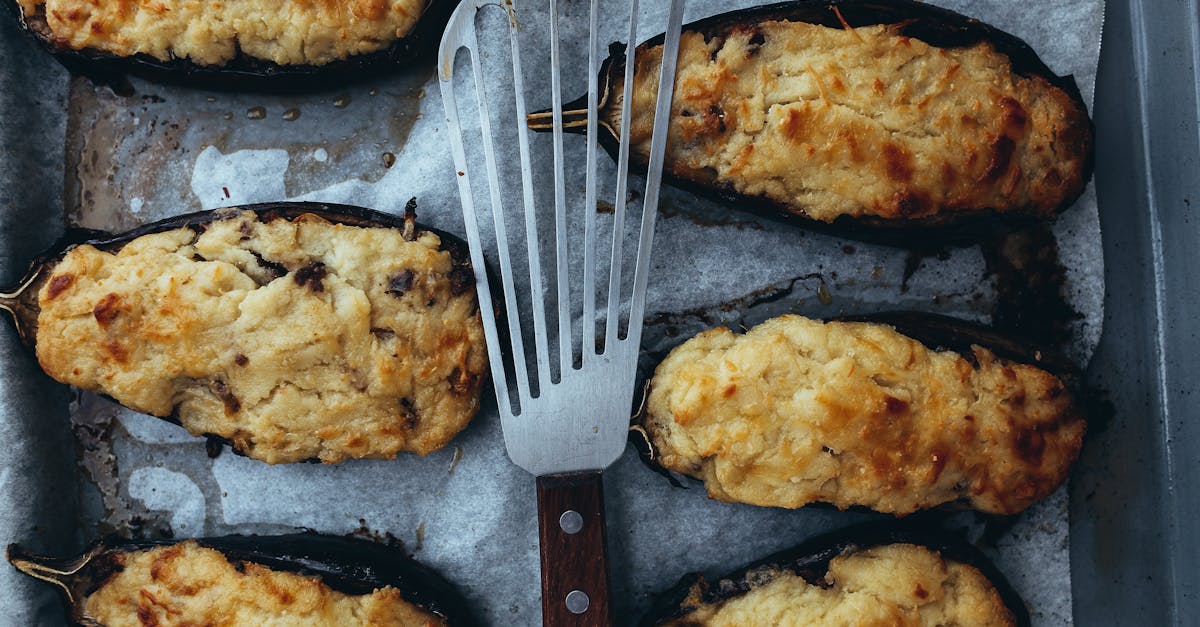
I make this eggplant bruschetta when I want a punchy, vegetal appetizer that feels grown-up and easy. The first bite hits with smoke, then herbs, then a soft, tangy eggplant that sits on crisp bread. This recipe centers on roasted eggplant, bright acid, and crunchy toasts, simple technique, big payoff. I’ll show you exact steps, sensible swaps, troubleshooting, and serving ideas so you get perfect toasts every time.
Key Takeaways
- Roast eggplant at 425°F until the flesh collapses and edges caramelize to build smoky, concentrated flavor for your eggplant bruschetta recipe.
- Combine roasted eggplant with lemon (or tomato), garlic, and fresh herbs, then season in small increments to keep the topping bright and balanced.
- Toast 1/2-inch country-loaf or baguette slices brushed with olive oil and rub with garlic right after toasting to ensure crisp, non-soggy toasts.
- Make the eggplant topping up to 3 days ahead and re-toast bread just before serving to save time while keeping texture fresh.
- Customize easily—add feta or burrata for creaminess, harissa or romesco for heat, or sun-dried tomatoes and oregano for a Mediterranean twist.
Why This Eggplant Bruschetta Works
Eggplant holds a lot of water, about 92% by weight, which means it shrinks and concentrates in flavor when roasted. I roast until the flesh collapses and caramelizes: that adds smoky-sweet notes that stand up to bread and acid, which means you get depth without heavy sauces. I add a small hit of acid (lemon or tomato) and fresh herbs to cut the fat, which means each bite feels bright rather than greasy.
I use a two-texture approach: soft, seasoned eggplant and crunchy toasted bread. A good toast gives structure to the topping, which means you don’t end up with a soggy canapé. The recipe makes about 12 to 14 toasts from one medium eggplant, which means it’s perfect for a small party or family snack. In my testing, roasting at 425°F for 25–30 minutes produced the best caramelization, which means you get consistent results across ovens.
Key Ingredients and Substitutions
I list the core ingredients first, then sensible swaps so you can make this with what you have. Each ingredient note ends with clear outcomes, which means you understand why it matters to texture and flavor.
Choosing and Preparing Eggplant
I prefer globe/American eggplant for its thick flesh and mild flavor. One medium fruit weighs about 1 to 1.5 pounds, which means it yields enough topping for 12–14 toasts. If your eggplant has many seeds or a spongy texture, salt it and sit for 20 minutes, then rinse and pat dry: this reduces bitterness and excess water, which means the roasted flesh will brown instead of steam.
Tip: if you find the skin tough, peel alternating strips to keep shape and let smoke in, which means you retain texture without chewiness.
Essential Pantry Ingredients
- Olive oil: I use 3 tablespoons for roasting plus extra for the toasts, which means the eggplant caramelizes and the toasts get a glossy finish.
- Garlic: I crush one clove into the topping for aroma, which means your toasts smell savory and fresh.
- Lemon juice or Mutti tomato concentrate: I use 1 tablespoon lemon or 2 tablespoons of a well-seasoned tomato component for acid, which means the rich eggplant gets brightened immediately. For a canned-tomato shortcut and consistent tomato flavor, I sometimes use Mutti tomato sauce recipe notes, which means I get predictable acidity and sweetness.
- Fresh herbs: basil or parsley, about 1/4 cup chopped, which means you get herbaceous freshness that contrasts roast flavor.
- Salt and black pepper: small amounts, adjusted to taste, which means the topping balances the bread.
Allergy-Friendly and Vegan Substitutes
This recipe is vegetarian and naturally vegan if you skip cheese, which means it fits most plant-based diets. For nut allergies, avoid pesto with pine nuts and use chopped parsley instead, which means you keep herb presence without cross-reactivity. If you want a smoky note without grilling, add 1/4 teaspoon smoked paprika to the eggplant, which means you mimic charcoal flavor safely for indoor cooking.
For dairy lovers, crumbled feta or burrata works: I’ll show a burrata variation later, which means you can pick creamy tang or salty crumble depending on taste.
Equipment You’ll Need
You need simple tools: a rimmed sheet pan, a sharp knife, a mixing bowl, and a toaster or oven. A food processor helps if you want a spread, which means you can speed up prep for a crowd.
I also recommend a wire rack for cooling toasts and a digital thermometer if you like precision: I rarely use the thermometer but keep one nearby for meat or large roasts, which means my oven habits stay consistent. If you have a grill pan, it will add char marks in 3–4 minutes per side, which means you get that outdoor flavor indoors.
Step-By-Step Recipe
This section covers every step I take, with times and temperatures that worked in my kitchen. Follow them exactly the first time, then adjust for your oven and taste.
Roasting and Seasoning the Eggplant
- Preheat oven to 425°F (220°C), which means the flesh will caramelize rather than steam. I halve the eggplant lengthwise, score the flesh in a diamond pattern, brush with 2 tablespoons olive oil, and season with 1 teaspoon salt and 1/2 teaspoon black pepper. Roast cut-side down on a rimmed sheet for 20–25 minutes, which means the skin traps heat and the flesh softens quickly. Turn and roast cut-side up an additional 5–10 minutes until edges brown, which means sugar in the eggplant has caramelized.
- Let cool 10 minutes, then scoop flesh into a bowl. Reserve juices on the tray for extra flavor, which means you don’t waste concentrated umami.
Assembling the Bruschetta Topping
- Mash the eggplant coarsely with a fork or pulse 2–3 times in a food processor for a spreadable texture, which means you control chunkiness. Add 1 clove minced garlic, 1 tablespoon lemon juice (or 2 tablespoons tomato), 2 tablespoons chopped basil, and 1–2 tablespoons olive oil. Taste and add salt in 1/4 teaspoon increments, which means you avoid over-salting.
- If you like creaminess, stir in 2 tablespoons crumbled feta or 1 ounce burrata per 12 toasts, which means the topping gains silk and tang.
Toasting and Preparing the Bread
Choose a country-style loaf or baguette. Slice 1/2-inch thick slices and brush both sides lightly with olive oil, which means they brown evenly. Toast under a broiler for 1–2 minutes per side or in a skillet 2–3 minutes per side until golden, which means you get sturdy crispness that holds topping.
Rub each warm toast with a halved garlic clove immediately after toasting, which means the bread absorbs garlic aroma without wetting out.
Finishing Touches and Plating
Spoon 2–3 tablespoons topping onto each toast, pressing lightly so it adheres, which means each bite stays intact. Garnish with extra basil, a drizzle of good olive oil, and a pinch of flaky salt, which means you finish with aroma and mouthfeel. I visually arrange toasts on a wooden board: I serve them within 15 minutes, which means bread stays crisp and topping stays pleasantly warm.
Make-Ahead, Storage, and Reheating Tips
You can make the eggplant topping up to 3 days ahead and store it in the fridge, which means weeknight hosting gets simple. I store it in an airtight container: this keeps the texture stable for 72 hours, which means you can plan ahead without flavor loss.
If the topping thickens in the fridge, stir in 1 teaspoon olive oil or lemon juice before serving, which means you restore smoothness and brightness. To reheat, warm gently in a skillet over low heat for 3–4 minutes, which means you avoid breaking the emulsion. Re-toasting bread just before serving takes 2 minutes and refreshes crispness, which means the toasts feel freshly made.
Leftover toasts keep for 1 day in the fridge if wrapped, which means they will lose crispness but remain safe to eat. I don’t recommend freezing the assembled bruschetta: freezing ruins the bread structure and water balance, which means texture suffers badly.
Variations and Flavor Twists
I use the base recipe as a platform and riff depending on season and guests. Each variation shifts one or two elements for a clear flavor outcome, which means you can customize without guesswork.
Mediterranean Herb And Feta Variation
Add 2 tablespoons chopped oregano and 1/4 cup crumbled feta to the eggplant, which means you get tang and herbal lift. I sometimes mix in 1 tablespoon chopped sun-dried tomatoes for chew and acidity, which means extra umami and color.
Spicy Harissa Or Romesco Twist
Stir 1 tablespoon harissa paste or 2 tablespoons romesco into the roasted eggplant, which means the spread gains a warm, complex heat. If you use romesco, add 1 tablespoon toasted almonds for texture, which means the topping will have a nutty crunch.
Grilled Eggplant And Burrata Version
Grill slices over high heat 3–4 minutes per side for char, then tear into chunks and fold in 2 ounces burrata, which means you get creamy richness with smoky highlights. Serve on thicker toasts and finish with a drizzle of aged balsamic, which means a sweet-tart counterpoint to the eggplant.
Note: If you want tomato focus, pair this with a canned tomato approach and try a simple tomato base, if you’re curious about tomato technique, see my Tomato Basil Soup canning notes, which means you can preserve tomato flavor year-round.
Serving Suggestions and Pairings
Eggplant bruschetta plays many roles: appetizer, light lunch, or part of a mezze. I often put a board together with olives, roasted broccoli, and a simple salad, which means guests have texture and temperature contrast. For a roasted vegetable side I use baked broccoli recipe tips, which means you get an easy, caramelized green that pairs well.
Wine, Beer, And Nonalcoholic Pairings
- White wine: Sauvignon Blanc or Vermentino at 11–13% ABV pairs with the acid and herb notes, which means the drink cleanses the palate between bites.
- Red wine: light-bodied Pinot Noir at 12–13% ABV works with smokiness without overpowering, which means you keep balance for food-forward drinking.
- Beer: a crisp pilsner or saison at 4–6% ABV adds effervescence, which means the carbonation lifts the richness.
- Nonalcoholic: sparkling water with a lemon twist provides acidity and bubbles, which means you mimic wine freshness without alcohol.
Sides And Course Placement
Serve bruschetta as a first course to wake up the appetite, which means heavier mains taste more satisfying. For a vegetarian spread, add marinated artichokes and a grain salad: this gives variety, which means guests can mix textures and flavors at will.
Troubleshooting Common Issues
Here are specific fixes I use when things go wrong, with quick steps you can take at the stove.
Eggplant Is Bitter Or Soggy
If eggplant tastes bitter, it likely had mature seeds. Salt it and rest 20 minutes before rinsing, which means you draw out bitter compounds. If it’s soggy after roasting, your oven temperature was too low or you crowded the pan: roast at 425°F on a single layer, which means moisture evaporates and surfaces brown.
Topping Too Watery Or Bread Soggy
If the topping is wet, spoon off and reserve excess liquid and reduce in a small pan for 3–4 minutes to concentrate flavor, which means you recover concentrated umami for the mix. For soggy bread, re-toast for 1–2 minutes at high heat to dry the surface, which means you restore crunch. Alternatively, pile topping onto room-temperature bread right before serving, which means you avoid early moisture transfer.
Nutrition Snapshot
One serving (two toasts with topping) is roughly 220–280 calories, which means you can fit this into a balanced meal or use it as a moderate appetizer. Eggplant supply includes fiber (about 3 grams per cup cooked), potassium, and low fat, which means you get nutrients without heavy calories. Olive oil adds healthy monounsaturated fats: I use measured amounts to keep portions sensible, which means you control caloric density while preserving flavor.
If you add feta or burrata, expect 60–120 extra calories per ounce, which means dairy quickly raises the caloric and sodium counts. For a lower-sodium option, skip added salt and use lemon juice and herbs to brighten, which means you maintain flavor with less sodium impact.
Conclusion
Eggplant bruschetta gives me a combination of smoke, acidity, and crunch that satisfies every time. The method, high heat roast, bright acid, crisp toast, keeps the dish reliable and adaptable, which means you can riff on it without losing the core appeal. I recommend making the topping ahead for stress-free entertaining and toasting bread at the last minute for perfect texture, which means hosting stays relaxed and your food stays excellent.
If you want to expand the spread, try pairing the toasts with a tomato-forward side or soup: preserving tomato flavor is easier if you follow reliable recipes like the Tomato Basil Soup canning guide, which means you can serve bright tomato with the eggplant year-round. For a full vegetable board, add baked broccoli and a jar of quick-pickled peppers, which means your table will offer contrast and color.
Go roast an eggplant tonight. You’ll get 12–14 toasts, about 30–40 minutes of active work from start to finish, which means you can turn simple ingredients into a memorable appetizer in under an hour.
Frequently Asked Questions
What makes this eggplant bruschetta recipe different from tomato bruschetta?
This eggplant bruschetta recipe focuses on roasted eggplant for smoky, caramelized depth instead of raw tomatoes. High-heat roasting concentrates flavor and yields a soft, savory topping that pairs with bright acid and herbs. Toasted bread provides crunch so the topping won’t make the toasts soggy.
How do I roast eggplant for the best results in this recipe?
Roast at 425°F (220°C). Halve and score the flesh, brush with oil, roast cut-side down 20–25 minutes, then 5–10 minutes cut-side up until edges brown. Let cool, scoop the flesh, and reserve tray juices. This yields caramelized, concentrated flavor that stands up to bread and acid.
Can I make the eggplant bruschetta recipe vegan and allergy-friendly?
Yes. The base recipe is naturally vegan if you skip cheese. For nut allergies avoid pesto with pine nuts and use parsley. Add smoked paprika for a smoky note instead of grilling. Use measured olive oil and lemon for flavor while keeping it plant-based and allergy-conscious.
What bread should I use and how do I toast it so it stays crisp under the eggplant topping?
Use a country-style loaf or baguette, sliced about 1/2 inch thick. Brush both sides lightly with olive oil and broil 1–2 minutes per side or skillet-toast 2–3 minutes per side until golden. Rub warm slices with garlic to add aroma without wetting the bread, keeping them sturdy for topping.
How long can I store the eggplant topping, and what’s the best way to reheat it for serving?
Store the topping in an airtight container refrigerated up to 3 days. If it thickens, stir in a teaspoon of olive oil or lemon juice to refresh. Reheat gently in a skillet over low heat for 3–4 minutes and re-toast bread right before serving for optimal texture.
