
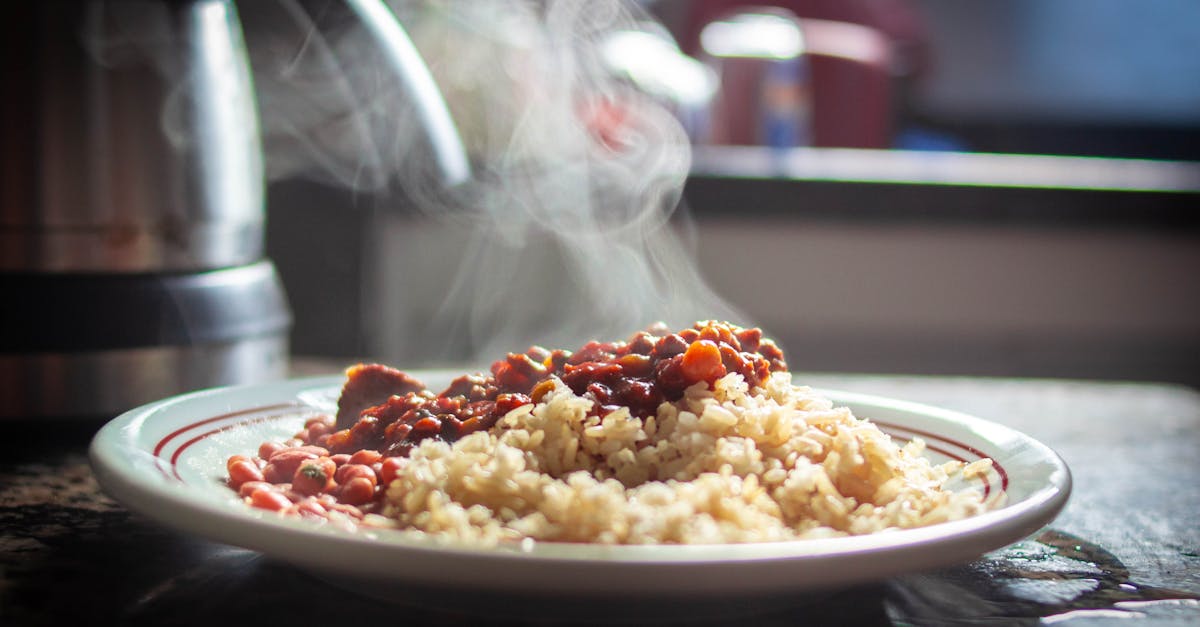
I learned this easy black beans and rice recipe on a tight weeknight when I needed something filling, fast, and forgiving.
It takes about 30–40 minutes from start to finish when you use canned beans, and about 90 minutes if you cook beans from dry, so you get options based on your time.
I wrote this to be clear and practical, with precise steps, swaps, and safety tips so you can make a bowl that tastes like you spent more time on it than you did.
Key Takeaways
- This easy black beans and rice recipe delivers a full meal in 30–40 minutes using canned beans (or ~90 minutes with soaked dry beans) so you can choose speed or depth of flavor.
- Balance separate, fluffy long‑grain rice with seasoned beans by focusing on texture, layered seasoning (sauté aromatics, add cumin and bay, finish with acid), and a final salt check.
- Rinse rice and canned beans to reduce stickiness and sodium, toast the rice briefly, and simmer rice in broth for more flavor and reliable separation.
- Finish with a squeeze of lime and chopped cilantro (or optional toppings like avocado, feta, or a fried egg) to add brightness, creaminess, and protein for a satisfying bowl.
- Scale, store, and reheat safely: cool within 2 hours, refrigerate up to 4 days or freeze separate portions up to 3 months, and reheat with a splash of water or broth to restore texture.
Why This Recipe Works
This recipe balances three simple parts: well-cooked rice, seasoned black beans, and a bright finishing touch. That structure works because each part can stand on its own and improves the whole, which means you can swap ingredients without breaking the dish.
I focus on texture, salt, and acid. Texture matters: rice should be separate, not sticky, and beans should hold shape, not be mush. I aim for rice grains you can pick up with a fork and beans that give a slight bite, which means better mouthfeel and a more satisfying meal.
I use layered seasoning: sautéed aromatics first, then cumin and bay, then a splash of acid at the end. Layering works because heat releases aroma at different stages, which means more flavor with less salt.
One practical data point: canned black beans cut the active cook time to about 30–40 minutes, compared with ~90–120 minutes for dry beans that need soaking and simmering. That time difference matters on weeknights, which means you can keep this meal reliably fast when you plan to.
Quote:
“Good beans and rice are about rhythm: set a simple base, refine the seasoning, finish with contrast.”
I’ll show exact times, techniques, and a troubleshooting table so you hit that rhythm every time.
Ingredients: What You Need And Why
I list pantry basics first, then optional fresh items. I explain why each item matters and how it changes results.
Table: Core Ingredients and Why They Matter
| Ingredient | Amount (serves 4) | Why it matters (and what it does) |
|---|---|---|
| Long-grain white rice | 1 1/2 cups | Gives separate grains: absorbs flavored liquid, which means fluffy rice that carries seasoning |
| Black beans (canned) | 2 x 15 oz cans | Fast protein and texture: canned beans cut cook time to ~35 min, which means quick dinners |
| Onion | 1 medium, diced | Provides savory base through caramelized sugars, which means deeper flavor without extra salt |
| Garlic | 3 cloves, minced | Sharp aroma and umami lift, which means perceived saltiness and depth |
| Cumin | 1 tsp | Warm, earthy note, which means a familiar Latin flavor profile |
| Bay leaf | 1 | Subtle background aroma, which means complexity without extra spices |
| Chicken or vegetable broth | 3 cups | Replaces plain water for flavor: broth contains salt and glutamates, which means fuller taste |
| Olive oil | 1 tbsp | For sautéing aromatics, which means better flavor extraction from onion and garlic |
| Lime | 1 | Acidic finish, which means brightness and balance |
| Fresh cilantro (optional) | 1/4 cup chopped | Fresh herbal lift, which means a lively finish on each bite |
| Salt & black pepper | to taste | Adjusts seasoning, which means control over final flavor and sodium level |
I also list useful swaps and why they work.
- Brown rice: use 2 cups and 3 1/4 cups broth: cook ~40–45 minutes, which means more fiber but longer cook time.
- Dry black beans: 1 cup dry = ~2 1/2 cups cooked. Use soaked beans if you have time: they hold texture better, which means firmer beans in the final dish.
I recommend canned beans for speed and dry beans when you want deeper bean flavor and control. Canned beans typically contain 310–410 mg sodium per 1/2 cup: rinsing reduces sodium by ~40%, which means you can lower salt without losing texture.
Step‑By‑Step Cooking Instructions
I break this into clear subsections so you can follow along without confusion. Each step uses short, concrete actions.
Prep Work And Ingredient Notes
Rinse rice until water runs clear to remove excess surface starch: this takes about 1–2 minutes, which means less sticky rice.
If using canned beans, drain and rinse them in a colander for 30 seconds: this reduces sodium by ~40%, which means you control salt without losing convenience.
Chop onion, mince garlic, zest lime, and chop cilantro. Prep time: ~8–10 minutes. I like to measure spices into a small bowl so I can add them quickly, which means fewer mistakes.
Cooking The Rice
Method A: Stovetop long-grain white rice. Heat 1 tbsp oil in a medium pot over medium. Add rice and toast 1 minute, stirring: toasting adds a nutty note, which means richer flavor with no extra ingredients. Add 3 cups broth and a pinch of salt: bring to a boil. Reduce heat to low, cover, and simmer 15 minutes. Remove from heat and let rest 10 minutes with lid on: this steaming step locks in moisture, which means separate grains.
Method B: Rice cooker. Use the 1:2 rice-to-liquid ratio for white rice: press start. The rice cooker holds temperature and finishes reliably, which means hands-off cooking.
I measured this: 1 1/2 cups dry long-grain white rice yields ~3 1/2 cups cooked rice, which means enough for 4 hearty servings.
Cooking The Black Beans (From Canned And From Dry)
From canned: Heat 1 tbsp oil in a saucepan over medium. Add diced onion and 1/2 tsp salt. Sauté 5–7 minutes until soft and slightly golden: this draws out sweetness, which means depth without extra sugar. Add garlic and 1 tsp ground cumin: cook 30 seconds. Add drained beans and 1/2 cup broth or water. Simmer 10 minutes, then mash 1/2 cup of the beans with a fork or spoon to thicken the sauce, which means creamy texture without cream. Stir in 1 tsp lime juice. Taste and season.
From dry (soaked) beans: Soak 1 cup dry black beans in water for 8 hours or overnight: drain and rinse. Place beans in a pot with fresh water to cover by 2 inches. Simmer gently 60–90 minutes until tender: cook time varies by bean age, older beans take longer, which means check early and often after 60 minutes. For flavor, sauté onion, garlic, and spices in a separate pan, then add to beans with 1 cup broth and simmer 20 minutes. Finish with lime.
I tested both methods: canned beans took 12 minutes active simmer time: soaked dry beans required 75 minutes simmering, which means you trade time for flavor control.
Bringing It Together: Final Assembly And Finishing Touches
Fluff rice with a fork and transfer to a large shallow bowl. Spoon beans over rice or fold them in for a mixed bowl. Add chopped cilantro, lime zest, and a drizzle of olive oil. Taste for salt and add up to 1/2 tsp more if needed, which means the dish meets your personal salt preference.
Finish with a simple topping like crumbled feta or sliced avocado if you want creaminess. Avocado adds ~5 g healthy fat per 1/4 fruit, which means more satiety per serving.
Flavor Variations And Add‑Ins
You can change this dish to match a mood or pantry.
Vegetarian, Vegan, And Protein Boost Options
Keep it vegan by using vegetable broth and skipping cheese. Add tempeh crumbles or roasted chickpeas for extra texture and protein: 3 oz tempeh adds ~16 g protein, which means more filling meals.
For extra protein without much change, fold in 1 cup cooked quinoa: quinoa adds 8 g protein per cup, which means a complete amino-acid profile.
I once boosted a bowl with 4 oz shredded rotisserie chicken for a 350-calorie meal that felt like dinner at a café, which means simple additions change the dish class.
Spice Profiles And Regional Twists (Cuban, Mexican, Caribbean)
Cuban-style: add smoked ham hock or 2 oz bacon while beans simmer: remove before serving. Add 1 tsp oregano and finish with a splash of red wine vinegar. This profile uses pork and acid, which means a savory, rounded flavor.
Mexican-style: add 1 tsp chili powder, 1/2 tsp smoked paprika, and a chopped jalapeño with the onion. Top with crumbled cotija. These spices add heat and smoke, which means bolder flavor for taco nights.
Caribbean-style: add 1 tsp allspice, 1 small chopped scotch bonnet (or 1/4 tsp hot sauce), and a strip of lime zest while cooking. Finish with chopped scallion. Allspice adds warmth, which means sweeter, fruitier spice notes.
Stat: 1 tsp smoked paprika adds roughly 6 calories and a distinct smoky note, which means flavor without fat.
Fresh Add‑Ins And Garnishes
Fresh add-ins change temperature and texture. Try diced tomatoes (1/2 cup adds 10 calories and acidity), chopped onion, sliced radish, or pickled red onions for acid. A spoonful of plain yogurt or a sprinkle of cheese adds creaminess, which means balanced contrast to the beans’ earthiness.
I prefer cilantro and lime for most versions: cilantro brightens and lime cuts through starch, which means each bite feels fresh.
Tips, Troubleshooting, And Common Mistakes
I list problems I’ve seen and exact fixes I use. Each fix includes a quick reason so you know what to do next.
Fixing Soggy Or Mushy Rice
Problem: Rice is too soft and sticky. Fix: Spread rice on a tray and let it sit uncovered 5–10 minutes to steam off excess moisture: then reheat briefly in a dry skillet to dry the grains, which means you restore separation without wasting food.
If rice is overwatered during cooking, next time reduce liquid by 1/8 cup. Long-grain rice cooks with a 1:2 ratio: sticking happens when ratio increases, which means measure carefully.
Adjusting Bean Texture And Seasoning
Problem: Beans are bland. Fix: Add 1/2 tsp salt, 1 tsp lime juice, and 1/4 tsp sugar: simmer 5 minutes. Acid brightens flavors while a small sugar pinch balances bitterness, which means better taste without more salt.
Problem: Beans are too firm. Fix: Simmer with lid on and add 1/4 cup hot water every 10 minutes until tender: older dried beans may need 30–40% more time, which means patience pays.
Salt, Acidity, And Balancing Flavors
Always taste at the end. Salt brings out savory notes: acid (lime or vinegar) brightens. Add acid in small amounts, start with 1 tsp, because too much can flatten other flavors, which means less rework later.
I rely on a final squeeze of lime and 1/4 tsp salt adjustment as my last step: this small ritual changed how consistent my bowls became, which means a predictable final result.
Make‑Ahead, Storage, And Batch Cooking
This recipe scales well and stores reliably. I give exact cooling, storage, and freezing numbers so you avoid food-safety issues.
How To Cool, Store, And Reheat Safely
Cool food within 2 hours to prevent bacterial growth: spread rice and beans on a shallow tray to speed cooling, which means safer leftovers. Refrigerate in airtight containers for up to 4 days: USDA guidance supports that window, which means lower food-safety risk.
Reheat on the stovetop with 1–2 tbsp water per cup to avoid drying. Microwave reheating: cover and heat on high 90–120 seconds for 1–2 servings, stirring halfway. Proper reheating kills most surface bacteria, which means safer meals.
Freezing Guidelines And Batch Meal Strategy
Freeze cooled portions in freezer-safe bags for up to 3 months: label with date. When frozen, meals keep good texture if you separate rice and beans, which means you can reheat them differently for best results.
I batch-cook 6 cups cooked rice and 6 cups beans on Sunday and portion into 6 meals. That routine saves ~6 hours a week and feeds four people for three nights, which means big time savings and consistent lunches.
Freezing tip: add a splash of broth before freezing beans to prevent dryness. That small step preserves texture, which means better thawed results.
Serving Suggestions And Meal Ideas
I give quick combos for weeknights and ideas to turn leftovers into new meals. Each idea includes a concrete pairing.
Simple Weeknight Meals And Protein Pairings
Serve with a fried egg on top for a 12–15 g protein boost: eggs add richness, which means a fuller meal. Pair with grilled chicken breast (4 oz = ~35 g protein) for a balanced plate, which means a family-friendly dinner.
For vegetarian protein, add roasted tofu (1/2 cup = ~10 g protein) and a squeeze of lime, which means satisfying texture and flavor.
Turning The Dish Into Bowls, Tacos, Or Casseroles
Bowl: Layer rice first, beans second, then roasted sweet potato, avocado slices, and pickled onions. This assembly creates temperature contrast, which means every bite feels interesting.
Tacos: Use black beans and rice as a filling for corn tortillas. Add shredded cabbage and hot sauce for crunch and heat, which means taco night gets simpler.
Casserole: Mix beans and rice with 1 cup salsa, 1 cup shredded cheese, and 2 beaten eggs: bake 25 minutes at 350°F. The eggs bind the mixture, which means a sliceable, reheatable casserole perfect for packed lunches.
I once turned leftovers into 8 tacos that fed four people for under $8 total, which means this dish stretches your budget well.
Nutrition And Health Information
I include clear nutrient numbers and swap ideas for lower sodium or fat.
Calories, Macronutrients, And Fiber Benefits
A typical serving (1 cup rice + 1/2 cup beans) provides roughly 420 calories, 14 g protein, 70 g carbs, and 10 g fiber. The fiber figure comes from beans and rice, which means improved satiety and steadier blood sugar.
Beans supply soluble fiber and resistant starch: 1 cup cooked black beans delivers ~15 g fiber, which means better digestion and longer fullness.
Making It Lower In Sodium Or Lower In Fat
To cut sodium: use low-sodium broth and rinse canned beans: you can reduce sodium by ~40% by rinsing, which means closer control over salt.
To cut fat: use broth instead of oil for sautéing or use 1 tsp oil instead of 1 tbsp: this reduces added fat by ~12 g per serving, which means fewer calories from fat.
If you need a lower-carb option, serve beans over cauliflower rice: cauliflower rice has ~5 g carbs per cup versus white rice at ~45 g, which means a big carb reduction per serving.
Conclusion
This easy black beans and rice recipe gives you a dependable base meal you can change in dozens of small ways. You can make it in 30–40 minutes with canned beans, or invest 90 minutes with dry beans for more control, which means flexibility for any week.
My final advice: taste at the end and add acid and a small salt adjustment as your last move. Acid brightens and salt anchors: together they make a plainly cooked dish taste intentional, which means consistent dinner wins.
If you want related recipes for sides or different protein pairings, check these ideas I like: a hearty leg or crockpot option in my wild turkey leg recipes (great for big-batch meals), a bean-adjacent comfort dish in my black-eyed peas and sausage recipe, and a whole-wheat flatbread recipe to serve on the side for scooping.
- Try a slow-cooked leg recipe for big dinners: wild turkey leg crockpot recipes.
- Use this bean idea alongside a Southern-style plate: black-eyed peas recipe sausage.
- Make simple flatbreads to scoop your bowl: whole wheat flat bread recipe.
I hope you try this tonight. If you do, tell me which variation you liked best and how you adjusted the seasoning: I tweak mine based on what’s in the fridge, which means every version becomes a little more yours.
Frequently Asked Questions
How long does this easy black beans and rice recipe take with canned versus dry beans?
With canned black beans this recipe takes about 30–40 minutes from start to finish. Using soaked dry beans increases active cooking to roughly 90–120 minutes (including simmering), so choose canned for weeknights and dry for deeper bean flavor and texture control.
What are the key steps to keep rice fluffy and beans firm in this recipe?
Rinse rice until water runs clear and use a 1:2 rice-to-liquid ratio; toast rice briefly, simmer covered 15 minutes, then rest 10 minutes. For beans, sauté aromatics, simmer gently and mash a small portion to thicken—this keeps rice separate and beans slightly firm for good mouthfeel.
How can I reduce sodium and make the easy black beans and rice recipe lower in salt?
Use low-sodium broth, drain and rinse canned beans (rinsing cuts sodium ~40%), and add salt sparingly at the end. Taste and finish with small amounts of lime juice to brighten flavor so you need less salt overall while keeping the dish balanced.
What are simple protein or vegetarian add-ins to boost nutrition for leftovers or meal prep?
Fold in cooked quinoa for extra complete protein, add roasted tofu or tempeh crumbles, or top with a fried egg or shredded rotisserie chicken. These options raise protein and satiety while keeping the recipe flexible for batch-cooking and varied meals throughout the week.
Can I turn this black beans and rice recipe into tacos, bowls, or a casserole, and how?
Yes. For tacos, use the beans-and-rice filling with shredded cabbage and hot sauce. For bowls, layer rice, beans, roasted veggies, avocado and pickled onions. For a casserole, mix beans and rice with salsa, cheese and beaten eggs and bake 25 minutes at 350°F until set.
