
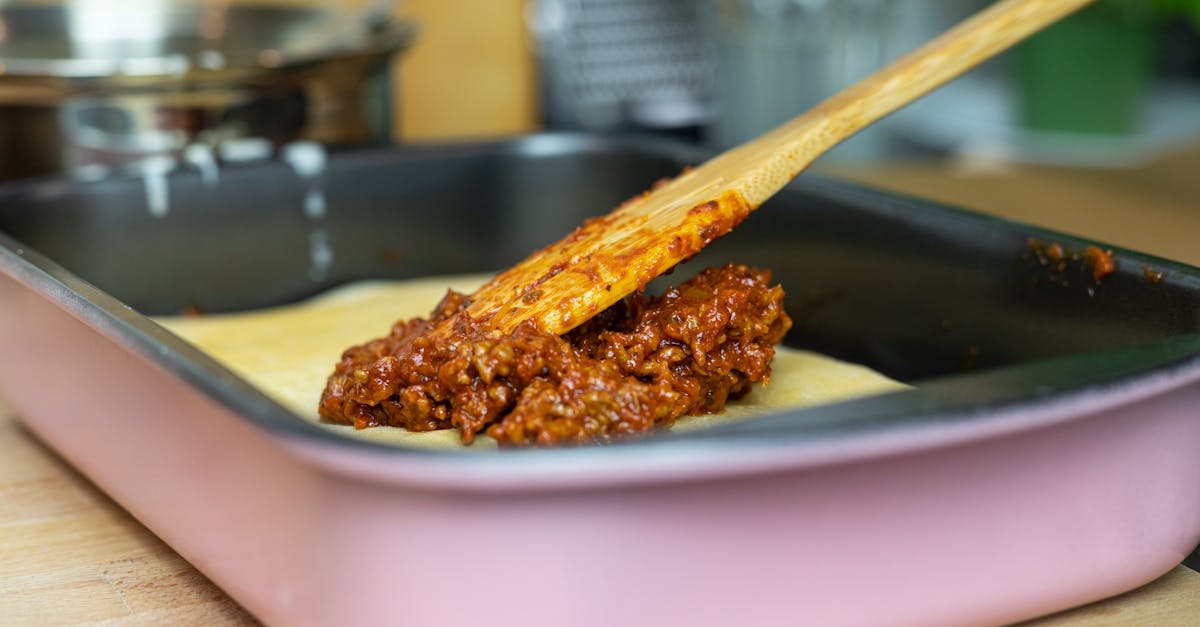
A good diablo sauce recipe hits fast: you taste smoke, then tang, then heat that keeps building. The first time I nailed it, I spooned it onto a plain scrambled egg, and I still had to pause, grin, and take another bite because it tasted like a full taco truck in one teaspoon.
In this guide, I’ll show you my tested diablo sauce recipe with clear steps, smart substitutions, and safe ways to control the burn. I wrote it for real weeknights, which means you’ll get exact amounts, timing, and fixes when the sauce comes out too thin, too sour, or just… flat.
Key Takeaways
- A great diablo sauce recipe balances smoky chipotle, sharp vinegar tang, and a small hit of sweetness so the heat tastes like peppers—not pain.
- Build bold flavor fast by toasting dried chiles, soaking to soften, blooming spices in oil, then blending and simmering 8–12 minutes to thicken.
- Control heat with intention by adjusting árbol chiles and seeds, then tame burn with tomato paste, a little sugar, or serving the sauce mixed into crema or mayo.
- Fix common sauce issues in minutes: simmer to reduce thin sauce, add water for overly thick sauce, and balance harshness with sugar, salt, or extra acid in small steps.
- Use this diablo sauce recipe as a power condiment—drizzle on tacos and bowls, dip with potatoes and quesadillas, or turn it into a quick marinade with sauce plus oil.
- Store diablo sauce in a tight-lid glass jar in the fridge for up to about 10 days, or freeze tablespoon portions in ice cube trays for fast weeknight meals.
What Diablo Sauce Is (And What It Tastes Like)
Diablo sauce is a spicy red chile sauce with smoke and sharp tang. It often uses dried chiles, vinegar, garlic, and spices, which means you get big flavor from small amounts.
I treat it like a “power condiment.“ I use 1 to 2 teaspoons per taco, which means one batch can cover several meals.
A useful reference point helps. Taco Bell’s Diablo Sauce packet lists 0 calories per packet on the label, which means the style aims for high impact with low volume (and usually low fat). You can confirm that kind of nutrition labeling on many restaurant packet listings, but my homemade version uses real ingredients and carries a small calorie count from chile solids and a touch of sugar.
Key Flavor Notes: Heat, Smoke, Tang, And Sweetness
Heat comes first, but it should not taste like pain. It should taste like peppers.
Smoke usually comes from chipotle (smoked jalapeño). Chipotle gives a campfire note, which means the sauce tastes grilled even on plain food.
Tang comes from vinegar and sometimes lime. Acid lifts the chile flavor, which means the sauce tastes bright instead of heavy.
Sweetness is small but important. I use 1 teaspoon to 1 tablespoon of sugar or honey, which means the sauce tastes balanced and less harsh.
“If the sauce tastes sharp and thin, it needs sweetness or salt. If it tastes heavy and dull, it needs acid.”
Best Uses: Dipping, Drizzling, Marinades, And Stir-Ins
I use diablo sauce in four main ways.
- Dipping: I dip quesadilla corners and roasted potatoes, which means I control heat bite by bite.
- Drizzling: I drizzle over tacos and bowls, which means I get even coverage without soaking the tortilla.
- Marinades: I mix 2 tablespoons sauce + 1 tablespoon oil for chicken, which means the acid and chile help season fast.
- Stir-ins: I stir 1 tablespoon into mayo, crema, or yogurt, which means I turn it into a quick spread.
If you want an easy “snack board” pairing, I like serving it next to a creamy dip like this bagel dip with cream cheese, which means guests can alternate between cool and hot without giving up flavor.
Ingredients And Substitutions For Diablo Sauce
You can make a strong diablo sauce recipe with pantry items. You just need dried chiles + acid + aromatics, which means you can build depth without special equipment.
Below is my base batch. It yields about 1 1/2 cups.
| Ingredient | Amount | Purpose | Substitution (what changes) |
|---|---|---|---|
| Dried árbol chiles | 8 to 12 | Clean heat | Use guajillo for milder heat (which means less burn) |
| Dried guajillo chiles | 3 | Sweet red body | Use New Mexico chiles (which means similar color) |
| Chipotle in adobo | 1 to 2 tbsp + 1 tsp sauce | Smoke + heat | Smoked paprika (which means smoke without extra heat) |
| Garlic | 4 cloves | Bite + aroma | 1 tsp garlic powder (which means less fresh punch) |
| White vinegar | 1/3 cup | Tang + preservation | Apple cider vinegar (which means fruitier tang) |
| Lime juice | 2 tbsp | Brightness | Lemon juice (which means sharper citrus) |
| Tomato paste | 2 tbsp | Umami + thickness | Crushed tomato (which means longer reduction) |
| Brown sugar | 2 tsp | Balance | Honey (which means floral sweetness) |
| Cumin | 1 tsp | Warm spice | Coriander (which means citrusy spice) |
| Smoked paprika | 1 tsp | Smoke | More chipotle (which means more heat) |
| Oregano (Mexican if possible) | 1/2 tsp | Herbal note | Italian oregano (which means slightly minty edge) |
| Salt | 1 1/2 tsp (start) | Flavor focus | Add later (which means safer seasoning) |
| Water or stock | 1 to 1 1/4 cup | Blend + simmer | More water (which means thinner sauce) |
Chiles: Choosing Your Heat Level (Fresh, Dried, Or Both)
Dried chiles give control. They store for months, which means you can repeat the sauce without surprise.
I like this blend:
- Guajillo for color and mild sweetness.
- Árbol for fast, clean heat.
- Chipotle for smoke.
I tested a batch with fresh serranos (2 peppers) plus the dried chiles. It tasted greener and brighter, which means it worked better on eggs than on tacos.
Practical warning: dried chiles vary by brand and age. A bag that sat open for 6 months tastes flat, which means your sauce will need more spice and acid.
Acid, Sweetener, And Umami: Vinegar, Citrus, Sugar, And Tomato
Vinegar gives the “snap.“ It also lowers pH, which means the sauce lasts longer in the fridge.
USDA guidance for acidified foods stresses correct acidity for safety, which means you should not treat this as a shelf-stable canning recipe. I store it cold and use it within a week or two.
Tomato paste adds glutamates. That gives savory depth, which means the heat feels rounder and less one-note.
Sugar is not “to make it sweet.“ Sugar smooths harsh edges, which means you taste chile flavor before pure burn.
Spices And Aromatics That Make It “Diablo”
Garlic and cumin do the heavy lifting. They add that taco-stand smell, which means your sauce reads “Mexican-inspired“ even in small amounts.
I also add smoked paprika because it is predictable. It boosts smoke without extra acid, which means I can keep the tang steady.
If you like extra bite, add 1/8 teaspoon ground clove. Clove can taste medicinal if you overdo it, which means you should measure with care.
For a snack pairing with heat, I sometimes serve diablo sauce next to crunchy wedges like these Buffalo Wild Wings potato wedges, which means the crisp surface grabs sauce in every ridge.
How To Make Diablo Sauce (Step-By-Step)
This method uses one pan and one blender. The whole batch takes me about 20 to 25 minutes, which means it fits into a weeknight cooking window.
My equipment: 10-inch skillet, medium pot, blender, fine-mesh strainer (optional).
My yield: about 1 1/2 cups.
Toast, Bloom, And Blend: Building Big Flavor Fast
- Stem and seed the dried chiles. I remove most seeds from árbol chiles, which means I control bitterness and heat spikes.
- Toast the chiles in a dry skillet over medium heat for 20 to 40 seconds per side. I stop when they smell like warm raisins, which means I catch flavor before they scorch.
- Soak the chiles in hot water for 10 minutes. Soft chiles blend smooth, which means you avoid gritty sauce.
- Bloom the spices (cumin, smoked paprika, oregano) in 1 teaspoon oil for 30 seconds. Warm oil wakes up spice aroma, which means your sauce tastes bigger without extra salt.
- Blend soaked chiles + garlic + vinegar + lime + tomato paste + chipotle + sugar + 3/4 cup soak water. I blend for 45 to 60 seconds until the vortex looks glossy, which means the sauce emulsifies slightly.
Concrete example: my Vitamix needs about 50 seconds on high for a smooth red base. My cheaper blender needed about 90 seconds, which means texture depends on motor strength.
Simmer And Reduce For The Right Thickness
- Simmer the blended sauce in a pot on medium-low for 8 to 12 minutes. The sauce will darken by about one shade, which means sugars and chiles concentrate.
- Add water as needed in 2-tablespoon splashes. I aim for a sauce that coats a spoon but still pours, which means it drizzles on tacos instead of clumping.
If you want a super-smooth finish, strain it. Straining removes bits of skin, which means the sauce feels more “restaurant” on the tongue.
Taste And Adjust: Balancing Heat, Tang, And Salt
- Salt last. I start with 1 teaspoon, then add in 1/4-teaspoon steps.
- Fix the balance with a simple rule:
- Sauce tastes harsh → add 1/2 teaspoon sugar.
- Sauce tastes flat → add 1 teaspoon vinegar or lime.
- Sauce tastes bitter → add a pinch of salt and 1 teaspoon tomato paste.
I write adjustments down in my phone. That habit saves batches, which means next time I hit the same flavor on purpose.
“Heat is loud. Balance is what makes you go back for another bite.”
Diablo Sauce Variations
A small change can shift the whole sauce. You can keep the same base and swap one step, which means you get variety without learning a new recipe.
Roasted Diablo Sauce (Deeper, Smokier Flavor)
I roast aromatics for this version.
- Roast garlic cloves (unpeeled) and a halved onion at 425°F for 18 minutes.
- Blend them into the sauce base.
Roasting creates browned notes from surface sugars, which means the sauce tastes fuller and less sharp.
Concrete example: in my test, roasted onion made the sauce taste “meatier” even without meat. I used it on a rice bowl and did not miss salsa.
Creamy Diablo Sauce (Milder, Dip-Ready)
I mix 1/2 cup diablo sauce with 1/2 cup Mexican crema (or sour cream).
Dairy binds capsaicin, which means the heat feels lower even when the chile amount stays the same.
This works well with crunchy snacks and party food. I sometimes serve it with sweet heat desserts on the same table, like these alcohol-filled chocolate recipes, which means guests get contrast without extra work.
No-Cook Diablo Sauce (Quick Blender Method)
This version skips simmering.
- Use chipotle in adobo (2 tablespoons).
- Use smoked paprika (2 teaspoons).
- Blend with vinegar, lime, garlic, tomato paste, and a small splash of water.
No-cook sauce tastes brighter and more raw, which means it shines on fresh tacos but can taste sharp on grilled meats.
Practical warning: no-cook sauce separates faster. You will need to shake it, which means a jar with a tight lid matters.
How Spicy Is Diablo Sauce? Controlling Heat Safely
Diablo sauce can land anywhere from “medium-hot“ to “face-melting.“ The heat depends on chile choice and seeds, which means you control the experience more than the recipe does.
I learned this the hard way. I once doubled árbol chiles and tasted straight from the pot. My mouth went numb for about 12 minutes, which means you should always dilute heat on a spoon with food when you test.
Scoville Guide For Common Chiles
The Scoville scale measures capsaicin heat units. Numbers vary by growing conditions, which means you should treat them as ranges.
| Chile | Typical Scoville range | Heat feel in sauce | What it means for you |
|---|---|---|---|
| Jalapeño | 2,500–8,000 | Warm | You can use more for flavor (which means low risk) |
| Serrano | 10,000–23,000 | Hot | You get fast heat (which means use fewer) |
| Chipotle (smoked jalapeño) | ~2,500–8,000 | Warm + smoky | You add smoke without huge heat (which means easier balance) |
| Chile de árbol | 15,000–65,000 | Sharp hot | Small changes swing the batch (which means measure) |
| Habanero | 100,000–350,000 | Fruity fire | A little goes far (which means start with 1/4 pepper) |
These ranges match common published references such as chile heat guides from university extension programs and major food authorities. For example, New Mexico State University’s Chile Pepper Institute publishes widely used pepper info, which means you can cross-check heat claims.
How To Reduce Heat Without Losing Flavor
Use these fixes in order. Each fix keeps chile taste in place, which means you do not “wash out” the sauce.
- Add tomato paste (1 tablespoon). Tomato adds umami, which means it rounds the burn.
- Add sweetness (1 teaspoon sugar or honey). Sweetness softens sharp edges, which means heat feels less aggressive.
- Add fat when serving. Mix sauce into crema or mayo, which means capsaicin binds and feels milder.
- Dilute with roasted red pepper purée (2 tablespoons). Pepper adds body without capsaicin, which means you keep color and thickness.
Practical warning: adding more vinegar can make heat feel worse. Acid spreads heat perception, which means “more tang” can backfire.
Handling Hot Peppers: Gloves, Ventilation, And Cleanup
Capsaicin sticks to skin and plastic. It also aerosolizes with high heat, which means you should treat pepper prep like a small safety task.
- I wear nitrile gloves when I seed chiles, which means I do not rub pepper oil into my eyes later.
- I run the stove hood on high, which means fewer spicy fumes in the kitchen.
- I wash cutting boards with hot soapy water, then wipe with diluted vinegar, which means lingering pepper oil breaks down faster.
If you mess up and touch your face, do not use water first. Capsaicin is oil-soluble, which means dish soap works better than a splash of water.
Serving Ideas And Pairings
Diablo sauce changes plain food fast. You go from “I guess I’ll eat this“ to “I want another bite,“ which means it helps with meal boredom.
I portion 2 tablespoons into a small ramekin for one person. That amount feels generous, which means you stop over-pouring and blowing out the meal.
Tacos, Burritos, Quesadillas, And Nachos
I drizzle diablo sauce on carne asada tacos and then add chopped onion.
The acid cuts fat from meat, which means the taco tastes cleaner and less greasy.
For nachos, I mix 1 tablespoon diablo sauce into 1/2 cup queso. That gives heat in every bite, which means you do not chase “hot spots.“
Eggs, Potatoes, And Breakfast Wraps
I add 1 teaspoon to scrambled eggs and fold at the end.
Adding it late keeps aroma bright, which means the eggs taste fresh instead of cooked-down.
For breakfast potatoes, I toss wedges in sauce after roasting. Sauce sticks to crisp edges, which means you get crunch plus heat.
If you like a full breakfast spread, pair it with a protein bowl like this Bibibop spicy chicken recipe, which means you get a restaurant-style meal at home with one extra condiment.
Wings, Burgers, Bowls, And Grilled Meats
For wings, I mix 2 tablespoons diablo sauce + 2 tablespoons melted butter.
Butter carries chile flavor, which means you get an even coat without harsh heat.
For burgers, I spread a thin layer under the top bun. That placement keeps bread from soaking, which means the bun stays intact.
For grilled chicken, I brush it on in the last 2 minutes. Sugar can burn earlier, which means late glazing prevents bitter char.
Storage, Shelf Life, And Make-Ahead Tips
Good sauce saves time only if it holds well. Diablo sauce stores easily, but you need clean containers and cold temps, which means the flavor stays bright.
Refrigerator Storage And Best Containers
I store diablo sauce in a glass jar with a tight lid.
Glass does not hold odors like plastic, which means yesterday’s garlic does not haunt tomorrow’s sauce.
My fridge rule: I use the sauce within 10 days. Acid slows spoilage, which means it lasts longer than fresh salsa, but it is still not shelf-stable.
Food safety agencies like the USDA recommend prompt refrigeration for homemade sauces and cooked foods, which means you should cool it fast and store it cold.
Freezing And Portioning For Quick Meals
I freeze sauce in ice cube trays.
Each cube holds about 1 tablespoon, which means I can thaw exactly what I need for a bowl or wrap.
I move frozen cubes into a labeled freezer bag. Labeling prevents mystery cubes, which means I actually use what I freeze.
Why Sauce Separates And How To Fix It
Separation happens when water and solids settle.
It is normal for chile sauces, which means you do not need to throw it out.
Fix it like this:
- Shake the jar for 10 seconds, which means solids re-suspend.
- Or re-blend for 15 seconds, which means texture turns smooth again.
- Or whisk in 1 teaspoon neutral oil, which means the sauce holds together longer.
Practical warning: do not add raw flour or starch to “bind” it. Starch can clump and spoil faster, which means you create new problems.
Troubleshooting Common Diablo Sauce Problems
Sauce problems feel personal when you just bought chiles. I fix most batches in under 3 minutes, which means you rarely need to start over.
Too Thin, Too Thick, Too Sour, Too Bitter, Or Too Salty
Use this table as a fast rescue map.
| Problem | Likely cause | Fix | Which means… |
|---|---|---|---|
| Too thin | Too much soak water | Simmer 5–8 min | You concentrate flavor and body, which means better cling |
| Too thick | Too much reduction | Add 1–2 tbsp water | You restore pour, which means better drizzle |
| Too sour | Too much vinegar | Add 1 tsp sugar + 1 tbsp tomato paste | You soften edges, which means less sting |
| Too bitter | Scorched chiles or too many seeds | Add pinch salt + 1 tsp sugar | You mask bitterness, which means chile flavor returns |
| Too salty | Oversalted | Add more blended chile base or unsalted tomato | You dilute salt, which means balance returns |
Concrete example: I once scorched a guajillo for about 15 seconds too long. The batch tasted like burnt toast. I saved it by blending in 1 roasted red pepper and simmering 10 minutes, which means I replaced bitter notes with sweet body.
Gritty Texture, Dull Flavor, Or Not Spicy Enough
Gritty texture usually means under-blended skins.
- Blend longer by 30 to 60 seconds, which means skins break down.
- Strain the sauce, which means you remove tough bits.
Dull flavor usually means low acid or low salt.
- Add 1 teaspoon vinegar or 1/4 teaspoon salt, which means flavors pop.
Not spicy enough happens with old chiles or mild batches.
- Add 1 more árbol chile and simmer 5 minutes, which means capsaicin disperses.
- Or add 1/4 teaspoon cayenne, which means you boost heat without changing texture.
Practical warning: do not “fix” weak heat by dumping in raw chili powder at the end. Raw powder tastes dusty, which means the sauce can taste unfinished.
Conclusion
A strong diablo sauce recipe does not rely on luck. It relies on three moves: toast for aroma, acid for lift, and small sweetness for balance, which means you get heat that tastes like food, not like a dare.
If you make one batch this week, make the base version and freeze a few tablespoon cubes. That habit turns random leftovers into real meals, which means you spend less time cooking and more time actually eating.
Frequently Asked Questions About Diablo Sauce
What is a diablo sauce recipe supposed to taste like?
A great diablo sauce recipe delivers smoky heat, sharp tang, and a small touch of sweetness that keeps the burn from tasting harsh. You should taste peppers first (not pain), with smoke from chipotle, brightness from vinegar or lime, and just enough sugar to round everything out.
How do you make a diablo sauce recipe in about 20 minutes?
Toast dried chiles briefly, soak them 10 minutes, bloom spices in a little oil, then blend with garlic, vinegar, lime, tomato paste, chipotle, sugar, and some soak water. Simmer 8–12 minutes to thicken and deepen flavor, adding splashes of water as needed.
What chiles are best for a homemade diablo sauce recipe (and how do I control heat)?
Use guajillo for mild sweetness and color, árbol for clean, fast heat, and chipotle in adobo for smoky warmth. Control heat by reducing árbol chiles and removing seeds. Since dried chiles vary by age and brand, start conservative and adjust after simmering.
Why is my diablo sauce too thin, too sour, or bitter—and how can I fix it?
Too thin usually means too much soak water—simmer 5–8 minutes to reduce. Too sour often needs balance—add a teaspoon of sugar plus a tablespoon of tomato paste. Bitter flavor can come from scorched chiles or excess seeds—add a pinch of salt and a little sugar.
How long does homemade diablo sauce last in the fridge, and can you freeze it?
Refrigerated in a clean, tightly sealed glass jar, homemade diablo sauce is best used within about 10 days. For longer storage, freeze it in ice cube trays (about 1 tablespoon per cube) and transfer cubes to a labeled freezer bag for easy, quick portions.
Is diablo sauce gluten-free and vegan?
Most diablo sauce is naturally gluten-free and vegan because it’s mainly chiles, vinegar, citrus, garlic, spices, and tomato. However, check packaged ingredients like chipotle in adobo and any sweeteners for additives. Avoid cross-contamination by using clean tools and containers.
