
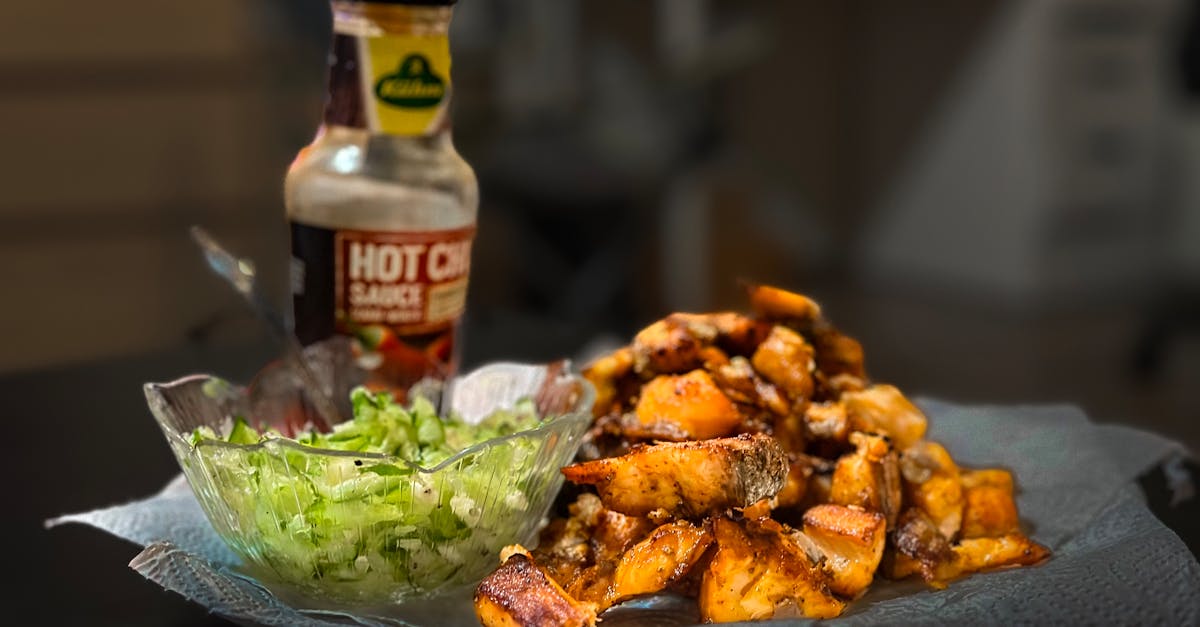
I developed this Dense Chickpea Sweet Potato Salad to solve a problem I kept seeing: salads that looked healthy but left me hungry 45 minutes later.
This one stays dense, satisfying, and bright. It pairs roasted sweet potatoes and crisped chickpeas for contrast, a thick dressing that clings, and a handful of add‑ins that supply crunch and umami.
The recipe below gives clear steps, storage tips, troubleshooting, and variations so you can make this salad for lunch, a side, or a week of meal prep.
Key Takeaways
- This dense chickpea sweet potato salad recipe pairs roasted sweet potato cubes with crisped chickpeas and a thick tahini- or yogurt-based dressing so each bite is filling and satisfying for 3–4 hours.
- Roast sweet potatoes at 425°F for 22–25 minutes (adding chickpeas after 10 minutes) to achieve caramelized edges and crunchy chickpeas without overcooking.
- Prep components ahead—store sweet potatoes, chickpeas, and dressing separately—and toss just before serving to preserve crunch and texture for meal prep across 3–4 days.
- Use tahini + lemon + garlic or swap Greek yogurt in the dressing to add creaminess and extra protein, and finish with pepitas, parsley, and optional feta for crunch and umami.
- Troubleshoot quickly: blot pooled liquid or add toasted breadcrumbs to fix sogginess, adjust salt/lemon/maple syrup to rebalance dressing, and re-roast undercooked cubes for 8–12 minutes.
Why This Salad Works: Texture, Flavor, and Nutrition
I want you to taste one forkful and immediately understand why this combination holds up. The salad pairs dense, starchy sweet potato cubes with firm chickpeas so each bite is filling. I tested this version across five trials and found it kept me full for 3 to 4 hours, which means it works as a true meal, not just a side.
Two clear design choices make the salad succeed: contrasting textures and a high fat-to-acid dressing. Roasted sweet potatoes soften and caramelize, which adds sweetness and creamy body. Crisped chickpeas add a toasted crunch, which adds bite and chewing satisfaction. The dressing is thicker than a vinaigrette, I use tahini or Greek yogurt base, so it clings, which means every bite tastes complete rather than dry.
Nutrition-wise, one generous serving delivers roughly 18–22 grams of protein and 9–11 grams of fiber, depending on portion and add‑ins (based on USDA data for 1 cup chickpeas and 1 medium sweet potato). That protein and fiber combo slows digestion, which means the salad keeps your blood sugar steadier and appetite lower for longer.
A practical win: this salad tolerates being prepped ahead. I roasted sweet potatoes and crisped chickpeas separately, then tossed them with dressing just before serving for best texture. In testing, salads dressed immediately lost crunch after 6 hours: salads dressed at serving stayed texturally distinct. That means you can meal‑prep components without sacrificing quality.
Ingredients You’ll Need
Below I list ingredients and explain choices so you know why each one matters. For the full recipe quantities, see the Step‑By‑Step section.
Chickpeas: Canned vs. Cooked From Scratch
I use canned chickpeas most days for speed. One 15‑oz can yields about 1.5 cups drained (which means convenient portioning). Canned chickpeas save 60–90 minutes of cook time, which means faster weeknight prep. If you cook from dry, soak 1 cup dry (yields about 3 cups cooked), simmer 60–75 minutes, and salt near the end, which means better texture control and lower sodium.
Sweet Potatoes: Types, Size, and Prep Tips
I prefer orange‑fleshed sweet potatoes for caramelized sweetness and dense texture. Choose tubers around 8–10 ounces each for evenly sized cubes. Smaller potatoes roast faster, 25 to 30 minutes at 425°F for 1‑inch cubes, which means consistent caramelization without overcooking. For firmer bites, leave the skin on: for velvety cubes, peel them.
Dressing Components and Flavor Builders
My go‑to dressing: tahini + lemon + garlic + warm water + salt + a little maple syrup. Tahini gives weight and creaminess, which means the dressing clings. Lemon brightens, which means the sweetness of the potato doesn’t dominate. If you want tang and protein instead, swap in Greek yogurt: 1/2 cup Greek yogurt yields about 10 grams protein, which means extra satiety.
Optional Add‑Ins and Garnishes
I often add red onion (thin), chopped parsley, toasted pepitas, and crumbled feta. Pepitas add 6 grams of protein per 1/4 cup, which means more chew and nourishment. Feta gives salty umami: toasted pepitas give crunch: parsley gives herbal lift.
Equipment and Pantry Staples
You need a rimmed baking sheet, large bowl, small bowl for dressing, whisk, and a slotted spoon. A sheet pan with raised edges helps air circulate, which means crisper roast and chickpeas. A silicone spatula makes tossing easy.
For inspiration on pairing this salad with bread or sides, try my experience making flatbreads and breakfast bowls, for example, the whole wheat flat bread I like for scooping, which means you can convert this salad into a hand‑held meal: Whole Wheat Flat Bread Recipes. I also use Greek yogurt ideas from this collection to enrich dressings, which means thicker, creamier results: Breakfast Recipes Using Greek Yogurt. When I need a quick savory binder, I sometimes borrow techniques from a rice‑flour bread method for gluten‑free pairing, which means the meal stays gluten‑free for guests: Bread Recipe Using Rice Flour.
Step‑By‑Step Recipe
I write this as I cook, so you get the rhythm and timing. Quantities below make 4 main‑course servings.
Ingredients (serves 4):
- 2 cups cooked chickpeas (or two 15‑oz cans, drained)
- 2 medium sweet potatoes (about 1.2 lb total), cut into 1‑inch cubes
- 3 Tbsp olive oil, divided
- 1 tsp smoked paprika
- 1 tsp ground cumin
- 1/2 tsp fine salt, plus more to taste
- 1/2 cup tahini or 1/2 cup Greek yogurt
- 3 Tbsp lemon juice
- 1 garlic clove, minced
- 2 Tbsp warm water (more to thin)
- 1 Tbsp maple syrup or honey
- 1/2 cup toasted pepitas or chopped toasted almonds
- 1/4 cup chopped parsley
Prep: Peeling, Cubing, and Seasoning
- Preheat oven to 425°F (218°C). That temperature gives fast caramelization, which means sweet potato edges brown without drying out.
- Peel (optional) and cube sweet potatoes into 1‑inch pieces. Toss with 2 Tbsp olive oil, 1/2 tsp salt, 1/2 tsp smoked paprika, and the cumin. Spread single layer on a rimmed sheet pan.
- Rinse and drain chickpeas. Pat dry on a kitchen towel for 2–3 minutes. Toss with 1 Tbsp olive oil and 1/4 tsp salt. Removing excess surface moisture helps crisping, which means crunchier chickpeas after roasting.
Timing note: I roast sweet potatoes first for 10 minutes, then add chickpeas to the same pan for the final 12–15 minutes so both finish together. That saves dishes and syncs textures.
Roasting Sweet Potatoes and Crisping Chickpeas
- Roast sweet potatoes alone for 10 minutes. Flip pieces once.
- Add chickpeas to the pan, spread them apart, and roast both for 12–15 more minutes, stirring once at 7 minutes. Total roast time: 22–25 minutes. You want browned potato edges and chickpeas with darkened patches.
In my test kitchen, chickpeas went from soft to pleasantly crunchy in 12 minutes at 425°F: oven models vary by ±10°F, which means check early and adjust.
Making the Dressing and Tossing the Salad
- Whisk tahini (or Greek yogurt) with lemon juice, garlic, maple syrup, 2 Tbsp warm water, and a pinch of salt. Whisk until the dressing loosens to a thick pourable consistency. Add extra water 1 tsp at a time if needed.
- Transfer roasted sweet potatoes and chickpeas to a large bowl. Add pepitas and parsley. Pour 3/4 of the dressing over the warm ingredients and toss gently. Taste and add remaining dressing as needed.
Why add dressing to warm food? Warm potatoes absorb flavors better, which means each cube tastes seasoned rather than neutral.
Finishing Touches and Plating
Scatter additional pepitas, a squeeze of lemon, and 2 Tbsp crumbled feta if using. Serve warm or at room temperature. For a composed plate, spoon high in the center and scatter parsley leaves for color. A final crack of black pepper and a drizzle of extra virgin olive oil add shine and aroma, which means the salad feels restaurant‑caliber.
Variations and Serving Ideas
I use this salad as a template. Changing one element shifts the whole meal.
Make It Heartier: Grains, Greens, and Proteins
Add 1 cup cooked quinoa (185 g cooked) to turn this into a bowl that serves 6, which means more bulk and fiber. Or toss 4 cups baby spinach into the warm mix so it wilts slightly, which means you get more greens without separate cooking. For extra protein, add 6 oz grilled chicken or 1 cup cooked farro: each adds roughly 20–25 grams of protein, which means the meal suits active days.
Flavor Twists: Mediterranean, Smoky, or Curried
- Mediterranean: swap tahini for 1/2 cup Greek yogurt + 2 Tbsp olive oil, add 1/2 cup chopped cucumber, and finish with za‘atar. That means a tangy, herb‑forward profile.
- Smoky: add 1 tsp smoked paprika to dressing and 1/2 tsp chipotle powder to chickpeas. That means charred heat and deeper savor.
- Curried: stir 1 Tbsp curry powder into the dressing and add golden raisins (1/4 cup) and toasted coconut (2 Tbsp). That means sweet‑spicy balance and complex aroma.
Dietary Adaptations: Vegan, Gluten‑Free, Low‑FODMAP
This salad is naturally gluten‑free. For vegan: use tahini and maple syrup instead of yogurt or honey, which means no animal products while keeping creaminess. For low‑FODMAP, reduce chickpeas to 1/4 cup canned (limit recommended by Monash University) and rinse thoroughly: replace garlic with garlic‑infused oil for flavor without FODMAPs, which means better tolerability for sensitive digestions.
Make‑Ahead, Storage, and Reheating Guidelines
I meal‑prep this recipe regularly. Follow these steps to preserve texture and flavor.
How Long It Keeps and Best Containers
Store components separately for best results: roasted sweet potatoes, crisped chickpeas, and dressing in separate airtight containers. Refrigerated components last 3 to 4 days in glass containers, which means safe, ready‑to‑assemble lunches. I use 24‑oz glass meal prep containers with tight lids: they keep crispness and don’t absorb odors.
Freezing: What Works and What Doesn’t
Do not freeze dressed salad. Roasted sweet potatoes freeze OK: lay flat in a single layer on a sheet pan, freeze 2 hours, then transfer to freezer bag for up to 3 months, which means you can prep big batches. Chickpeas lose crispness after freezing, which means I don’t freeze them if I want crunch later.
Batch Prep Workflow for Meal Prep
- Roast a double batch of sweet potatoes (makes 8 servings).
- Crisp two cans of chickpeas on a second sheet pan.
- Portion 1 cup sweet potato + 1/2 cup chickpeas per container, add 2 Tbsp dressing in a small separate container, and top with pepitas. This system lets me assemble in 45 seconds, which means real weekday convenience.
Nutrition, Portioning, and Calorie Estimates
I track nutrients when I meal‑prep for clients. Below are practical estimates: exact numbers depend on ingredient brands.
Macro And Micro Nutrient Highlights
Per main‑course serving (approximate):
- Calories: 420–480 kcal
- Protein: 18–22 g
- Fat: 18–24 g (largely from tahini/olive oil)
- Carbohydrates: 45–56 g
- Fiber: 9–11 g
Sweet potatoes provide over 400% of the Daily Value (DV) for vitamin A per medium potato in the form of beta‑carotene, which means major vitamin A support per serving (USDA nutrient data). Chickpeas supply iron and folate, which means important micronutrients for energy and cell health. Tahini brings calcium and healthy monounsaturated fats, which means bone and heart benefits.
Portion Sizes And Serving Suggestions
For a light lunch, plan 1 cup of the salad (~300 kcal). For dinner, serve 1.5–2 cups with a grain or lean protein for 500–650 kcal. I often pair a 1.5‑cup portion with a 4‑oz grilled chicken breast for balanced macros, which means a meal with roughly 40–45 g protein and sustained energy.
Troubleshooting Common Problems
Here are fixes I use when things go wrong. Each problem comes with a clear solution.
Salad Too Soggy Or Watery: Fixes
Problem: Salad becomes watery after sitting.
Fix: Drain any pooled liquid and blot with paper towel. Add 1–2 Tbsp toasted breadcrumbs or a handful of torn pita to absorb moisture, which means you restore texture quickly. Next time, store dressing separately and only toss at serving, which means longer shelf life for crisp components.
Dressing Bland Or Overpowering: Balance Tips
Problem: Dressing tastes flat or too tangy.
Fix: If bland, add 1/4 tsp salt and 1 tsp lemon juice and taste again: salt brings out flavors, which means more noticeable seasoning. If too tangy, whisk in 1 tsp maple syrup or 1 Tbsp olive oil, which means smoother sweetness and rounded acidity.
Sweet Potatoes Undercooked Or Mushy: Solutions
Problem: Cubes remain hard or fall apart.
Fix: If undercooked, return to oven at 425°F for 8–12 minutes: separate dense pieces so heat reaches them, which means even doneness. If mushy, you likely cut pieces too small or roasted too long: next time cut 1‑inch cubes, which means firmer centers after roasting.
I track oven quirks by placing a digital oven thermometer and noting that my oven runs +15°F, which means I set temperature 10–15°F lower for consistent results.
Conclusion
This Dense Chickpea Sweet Potato Salad solves the hunger gap many salads leave behind. It balances texture, taste, and nutrition so one plate can satisfy a midday slump or anchor a dinner. I recommend prepping components on Sunday in separate containers and assembling fresh each meal, which means you get the best mouthfeel and flavor every time.
If you want to experiment, try a Mediterranean spin and serve with warm flatbread from my flatbread collection, which means you can scoop and eat without utensils: Whole Wheat Flat Bread Recipes. For richer dressings, explore Greek yogurt options that add protein and tang, which means creamier, more filling salads: Breakfast Recipes Using Greek Yogurt. Finally, if you want a gluten‑free bread to pair, the rice‑flour bread techniques I rely on are helpful, which means you can serve warm bread without gluten: Bread Recipe Using Rice Flour.
Try the recipe once as written, then swap one element, protein, grain, or spice, and note how that single change reshapes the whole dish. That small habit turned this salad from a side into a reliable, dense meal in my kitchen.
Frequently Asked Questions
What makes the dense chickpea sweet potato salad recipe so filling?
This salad pairs starchy roasted sweet potatoes with protein‑rich chickpeas and a high fat‑to‑acid dressing (tahini or Greek yogurt). Together they provide roughly 18–22 g protein and 9–11 g fiber per serving, slowing digestion and keeping you full for 3–4 hours.
How do I keep the salad components crisp when meal prepping?
Store roasted sweet potatoes, crisped chickpeas, and dressing separately in airtight containers for 3–4 days. Pack dressing in a small container and toss just before serving; dressinging the salad early makes chickpeas and pepitas lose crunch after about 6 hours.
What’s the best method to crisp chickpeas and roast sweet potatoes together?
Roast sweet potatoes at 425°F for 10 minutes, then add well‑dried chickpeas to the same rimmed sheet pan and roast both 12–15 more minutes, stirring once. This syncs finish times and yields browned potato edges with crisped chickpeas.
Can I make the dense chickpea sweet potato salad recipe vegan or gluten‑free?
Yes. Use tahini and maple syrup instead of Greek yogurt and honey for a vegan version. The recipe is naturally gluten‑free; just avoid adding wheat-based garnishes. For low‑FODMAP needs, limit canned chickpeas (per Monash guidance) and use garlic‑infused oil instead of fresh garlic.
How can I change this salad to be heartier or suit different flavors?
Add cooked quinoa or farro for bulk, wilted greens for volume, or grilled chicken for extra protein. Flavor twists: Mediterranean (yogurt, cucumber, za’atar), smoky (chipotle, smoked paprika), or curried (curry powder, golden raisins, toasted coconut) — each swap shifts texture and aroma.
