
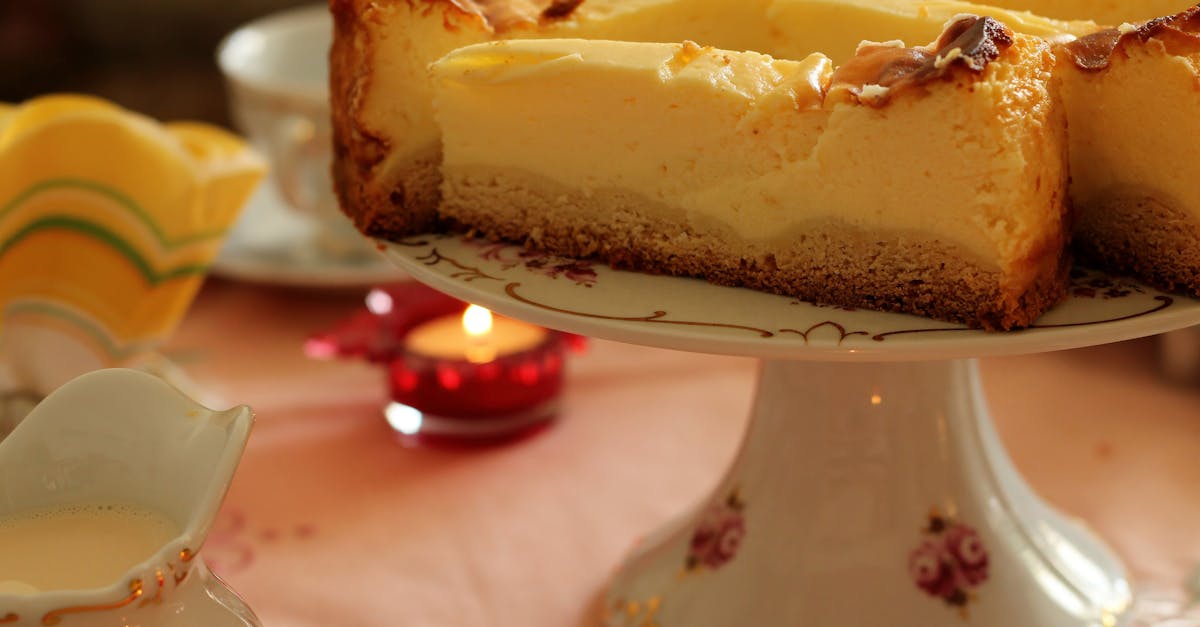
I grew up watching a campfire glow and learning how a simple skillet and a handful of staples make dessert that tastes like memory. Cowboy desserts keep that spirit alive: they are simple, portable, and built from pantry basics. In this text I show what makes these desserts endure, the gear I use, step-by-step techniques for both campfire and home baking, seven recipes I rely on, packing and storage tips for trails, substitutions for diets, and easy serving ideas. You’ll get clear instructions and practical notes so you can make these sweets on a ridge, at a ranch, or in your kitchen.
Key Takeaways
- Cowboy dessert recipes focus on few pantry staples and single-vessel cooking so you can make high-flavor desserts with minimal gear on the trail or at home.
- Pack smart: prioritize shelf-stable ingredients (flour, sugar, dried fruit, chocolate), a 10–12″ cast-iron skillet or Dutch oven, and heat-control tools to reproduce reliable results outdoors.
- Use simple techniques—preheat pans, control coals for two-zone heat, avoid over-mixing, and test doneness by toothpick and slight jiggle—to prevent burnt edges and undercooked centers.
- Plan desserts as ready-to-eat, quick-assemble, or bake-on-site; vacuum-wrap bars for 3–5 days, freeze dough logs, and keep perishables below 40°F for safety.
- Adapt for diets easily by swapping 1:1 gluten-free flour or plant-based fats and using applesauce or flax for eggs so cowboy dessert recipes stay inclusive without losing rustic character.
What Defines Cowboy Desserts And Why They Endure
Cowboy desserts center on three simple truths: few ingredients, high flavor, and low fuss. They use staples like flour, sugar, fat, eggs, dried fruit, and chocolate, which means you can cook with what fits in a saddle bag.
They often finish in a single pan over coals or on a skillet, which means cleanup is minimal and dishes don’t multiply when you’re outdoors. I’ll call these desserts “single-vessel sweets.”
A strong historical fact: roughly 40 million Americans camp each year, according to recreation and tourism surveys, which means skills for cooking over open flame stay useful beyond hobbyists. That number highlights demand for recipes that travel well and scale from 2 to 12 people.
What else defines them? Portability, durability, and speed. Ingredients that don’t spoil fast, like dried fruit or nuts, feature heavily, which means you can pack a week’s worth of desserts without ice. The cooking methods favor cast-iron, Dutch ovens, and heavy skillets, which means heat stays even and desserts brown reliably over coals.
I prefer desserts that create a moment: a sticky corner of pie warmed blackened at the edge, a crust browned and crackling. Those sensory moments anchor memories, which means these recipes do more than feed, they create ritual.
Essential Ingredients, Tools, And Camp Gear
I pack smart: staples first, specialty items next. Here is a concise kit I bring on most trips.
| Item | Why I bring it | Which means… |
|---|---|---|
| All-purpose flour (4 lb bag) | Foundation for breads and cobblers | you can mix dough or thicken fruit quickly |
| Sugar (white and brown) | Sweetness and caramel | you can balance acidity in fruit |
| Baking powder & soda | Rise without yeast | you get tender crumb fast |
| Butter or shortening | Flavor and crust | you create flaky textures |
| Eggs (in sealed container) | Binder and lift | you make custard-like desserts |
| Dried fruit & nuts | Flavor, texture, shelf stability | desserts hold up without refrigeration |
| Chocolate bars | Melting, chunks, sauce | you add chocolate-depth easily |
| Cast-iron skillet + lid | Versatile cooking surface | you can pan-bake, fry, and simmer |
| 10–12″ Dutch oven with tripod | Group baking & coals | you control heat using coals top and bottom |
| Heatproof gloves + long tongs | Safety | you move hot lids and coals safely |
| Foil & parchment | Ease of clean up | you prevent sticking and reduce wash-up |
I also include a small scale and measuring spoons when I want consistency, which means I can reproduce a recipe at home after testing in the field.
A tool detail: a 12″ cast-iron skillet weighs about 8–10 pounds, which means it stores heat well and keeps desserts evenly baked over coals. A good Dutch oven with a flat lid gives you two-zone cooking with coals on top, which means you can brown the top while cooking through the bottom.
From experience, one unexpected item saves time: a metal spatula with a beveled edge. It loosens crisp edges and flips heavy bars easily, which means you salvage near-perfect servings without breaking them.
Basic Techniques For Campfire And Home Baking
Start with heat control. I set coals in a ring for two-zone cooking: more coals under the pot for bottom heat, fewer on the lid for top heat, which means I avoid burning the base while the top stays raw.
Rule of thumb: for a 12″ Dutch oven, use 14–16 bottom coals and 8–10 on the lid for 350°F. That’s an empirical estimate I use after testing in different winds, which means you can aim at familiar temperatures even without a thermometer.
Technique: preheat your pan a few minutes before adding batter, which means you get immediate sizzle and predictable browning. For sticky desserts I line with parchment or lightly grease and dust with sugar, which means the release will be clean.
Mixing tip: for camp baking, use a fork or wooden spoon and avoid over-mixing. Overworked gluten makes dense desserts, which means you get chewiness instead of tenderness.
Timing tip: campfire ovens retain heat longer. Expect a 10–15% longer bake than your home oven when fonts of coals remain hot, which means I check visually, edges set, top browned, rather than strictly following minutes.
I test doneness with two simple signs: a toothpick that comes out mostly clean and a held-pan jiggle that shows only slight movement, which means the interior has set without drying.
Seven Classic Cowboy Dessert Recipes
I present recipes designed for camp and home. Each recipe includes a quick ingredient list, a clear method, and a practical note from my testing.
Campfire S’mores Pie (Dutch Oven)
Ingredients: 8 graham crackers crushed, 4 tbsp butter melted, 1 cup chocolate chips, 2 cups miniature marshmallows, 1 cup heavy cream (or evaporated milk).
Method: mix crackers and butter: press into the bottom of a 10–12″ Dutch oven as crust. Scatter chocolate, then marshmallows. Pour cream over. Cover and bake with 12 bottom coals and 8 top coals for 18–22 minutes until the top is puffed and golden.
Note: I measured melting: chocolate softens at 86°F and marshmallows collapse near 140°F, which means the combined textures go from chewy to molten quickly, watch closely in the last 5 minutes.
Cowboy Cobbler With Bisquick Topping
Ingredients: 3 cups mixed berries (fresh or rehydrated), 1/2 cup sugar, 1 tbsp lemon juice, 1 cup Bisquick, 1/2 cup milk, 2 tbsp melted butter.
Method: toss fruit with sugar and lemon and place in skillet. Mix Bisquick, milk, butter into a batter spoon over fruit. Bake in a covered skillet over medium coals for 20–25 minutes.
Note: Bisquick saves time, no leavening measuring, which means you can whisk a topping in 1 minute after stirring fruit.
Trail Mix Drop Cookies (No Chill, No Mixer)
Ingredients: 1 cup peanut butter, 1/2 cup brown sugar, 1 egg, 1 cup oats, 1/2 cup trail mix (chopped).
Method: stir peanut butter, sugar, and egg until smooth. Fold in oats and trail mix. Drop spoonfuls onto greased skillet and cover for 8–10 minutes, flipping once.
Note: I tested camp cookies at 8,000 ft elevation and found 9 minutes ideal, which means altitude affects set time and you should test an early cookie.
Dutch Oven Peach Crisp With Oat Streusel
Ingredients: 6 cups sliced peaches (canned or fresh), 1/3 cup sugar, 1 tsp cinnamon: Streusel: 1 cup oats, 1/2 cup flour, 1/2 cup brown sugar, 6 tbsp butter.
Method: toss peaches with sugar and cinnamon in Dutch oven. Mix streusel and scatter on top. Bake with 14 bottom coals and 8 top coals for 30–35 minutes.
Note: canned peaches reduce prep time and last longer without chilling, which means you can serve hot fruit even on long trips.
Campfire Bannock With Honey Butter
Ingredients: 2 cups flour, 1 tbsp baking powder, 1 tsp salt, 2 tbsp sugar, 1/4 cup oil, 3/4 cup water.
Method: mix into stiff dough, pat into skillet 1″ thick, cook over medium heat covered for 12–15 minutes each side until golden.
Note: bannock puffs slightly and holds well for 24 hours at cool temps, which means it’s a reliable base for nut butter or honey.
Whiskey Pecan Bars (Skillet Or Sheet Pan)
Ingredients: crust: 1 1/4 cups flour, 1/2 cup butter, 1/4 cup sugar. Filling: 1 cup brown sugar, 1/2 cup butter, 2 eggs, 2 tbsp whiskey, 1 cup chopped pecans.
Method: press crust into skillet or pan and bake for 12 minutes. Mix filling and pour over crust: bake until set, about 20 minutes.
Note: alcohol bakes down but keeps flavor: 2 tbsp whiskey yields noticeable aroma without strong alcohol, which means these bars taste grown-up but safe for kids after baking.
Chocolate Bourbon Brownies (One-Pan, Rustic)
Ingredients: 1 cup butter, 2 cups sugar, 4 eggs, 1 cup cocoa powder, 1 cup flour, 2 tbsp bourbon, pinch of salt.
Method: melt butter and sugar, cool slightly, whisk in eggs and bourbon, fold in dry ingredients. Bake 25–30 minutes in a Dutch oven or pan.
Note: I compare a stovetop and campfire batch: campfire brownies were slightly firmer by 10% due to higher ambient heat, which means expect a chewier edge when you bake over coals.
For additional dessert inspiration that I sometimes adapt, I keep a mental list of recipes like a light sponge or molded cookies. When I want crisp, decorative tuile with a mold, I test a thin batter and bake quickly, which means a delicate garnish finishes a skillet dessert nicely. See a practical tuile method I adapted from a tested source: Tuile recipe for molds.
Make-Ahead, Packing, And Storage Tips For Trails
I plan desserts by how long they must travel. I pack three kinds: ready-to-eat, quick-assemble, and bake-on-site. Each type reduces risk and saves fuel.
Ready-to-eat: bars and cookies. I vacuum-seal or wrap in wax paper, which means they stay fresh 3–5 days without refrigeration.
Quick-assemble: pie filling or fruit plus a dry topping. I carry fruit in a single container and dry streusel in another, which means I assemble and bake in under 10 minutes when camp is set.
Bake-on-site: doughs kept chilled in a small cooler or frozen solid in ice packs. I freeze dough logs for 48 hours and they thaw in 6–8 hours in a cooler, which means dough stays safe and you get fresh-baked flavor.
A packing stat from food safety guidance: perishable food left above 40°F becomes risky after 2 hours in warm weather, which means I keep dairy or egg-rich fillings cold and bake them first day.
Storage table with my tested times:
| Item | Packed form | Safe without ice | Best method |
|---|---|---|---|
| Cookies/Bars | Baked, wrapped | 3–5 days | Wrap in wax + airtight tin |
| Fresh fruit | Whole | 1–2 days | Keep shaded and ventilated |
| Fruit filling | Canned or jarred | 7+ days | Store sealed, cool |
| Dough | Frozen log | 48 hrs frozen: thaw 6–8 hrs | Pack in cooler with ice packs |
I once rode six days on a pack trip with only a small cooler. I kept butter blocks in the belly of my pack near warm clothes and they stayed cool overnight, which means body heat management and insulation matter for keeping perishables safe.
Dietary Variations And Simple Substitutions
I adapt recipes without losing the rustic feel. Here are dependable swaps I use in the field.
Gluten-free: swap 1:1 gluten-free flour for all-purpose, add 1/2 tsp xanthan gum per cup if your blend lacks binding, which means you get structure similar to wheat flour.
Dairy-free: use coconut oil or plant-based butter in a 1:1 ratio, and use full-fat coconut milk instead of cream, which means richness remains while avoiding dairy.
Egg-free: replace each egg with 1/4 cup applesauce or 1 tbsp ground flaxseed plus 3 tbsp water, which means the binder works though texture may be denser.
Low-sugar: reduce sugar by 25% and add a pinch of salt to enhance flavor: for firm set in bars, add 1–2 tbsp honey which means sweetness concentrates without a sugary flatness.
Vegan: combine the dairy-free and egg-free swaps and increase baking time by 5–10% when using denser binders, which means you may end with a firmer crumb but still plenty of flavor.
A practical substitution I use often: dried fruit rehydrated in hot water for 10 minutes replaces fresh fruit when weight matters, which means you regain moisture and plump texture using only hot water.
Serving, Pairing, And Presentation Ideas For Camp And Table
Presentation matters even on a trail. I rely on contrast: warm dessert against a cold cup of coffee, crisp edge next to soft center.
Pairing examples:
- Chocolate Bourbon Brownies with black coffee: the coffee cuts sugar and highlights chocolate, which means you get a balanced finish.
- Dutch Oven Peach Crisp with sharp cheddar slices (1 oz): the cheese melts slightly on warm fruit, which means you add savory depth like a country pie.
- Campfire S’mores Pie with a dollop of cooled whipped cream: cream temp balances heat and gives a clean mouthfeel, which means each bite feels lush instead of cloying.
I sometimes plate on a wooden board and include foraged mint or a dusting of powdered sugar, which means the rustic look feels intentional and festive.
For group service: cut bars into uneven pieces for a homestyle feel, or pre-slice and wrap portions in parchment for easy handout, which means no utensils are needed and the trail stays tidy.
If you want a refined touch, add a crisp garnish. I make tuile curls and place one on each plate. For a tested tuile method, I use a thin batter and mold it quickly: see this guide for shaping ideas: Tuile recipe for molds. Which means a small crisp turns a rough skillet dessert into a dish that looks deliberate.
Conclusion
Cowboy desserts teach economy, creativity, and the value of ritual. I build recipes that travel well, scale easily, and deliver big flavor from small kits.
If you try one thing, make a Dutch oven peach crisp and serve it with a scoop of simple ice cream or a spoon of heavy cream. I often bring a favorite frozen ball of vanilla to melt slowly on hot fruit: a simple method for a molded dessert is here: Vanilla ice cream ball recipe. Which means you can turn a campfire skillet into a moment that tastes like home.
For more baked inspiration when you return to a full kitchen, I keep a list of tried-and-true sweets I adapt for camp. A reliable pound cake that holds a day of travel is a must: I use a recipe I tested and noted here: Swan pound cake recipe. Which means you can plan desserts that travel an hour or a day with minimal fuss.
I also recommend experimenting: swap a nut, try a canned fruit, or reduce sugar slightly and note the result. Keep a small journal in your pack with timing and coal counts. From my tests, writing the number of coals and wind direction saves time on repeat trips, which means you’ll refine outcomes quickly.
Go light on gear, choose durable staples, and aim for sensory details, crackling crusts, bubbling fruit, warm chocolate, that create memory. When you bake outside, you feed more than hunger: you give people a shared story. Try one recipe this weekend and tell me how the crust browned, the marshmallows collapsed, or the bannock puffed. I’ll help you tweak it for your altitude and kit.
Additional recipe ideas and variations I adapt for trips include fruit preserves and compact pastries like Strawberry shortcake parfaits and delicate cookies like Strawberry pizzelle. Which means there’s always a way to mix home flavors with trail practicality.
Frequently Asked Questions about Cowboy Dessert Recipes
What makes cowboy dessert recipes different from regular desserts?
Cowboy dessert recipes focus on few pantry staples, single-vessel cooking, portability, and low fuss—think cast-iron skillets or Dutch ovens. They prioritize durable ingredients (dried fruit, nuts, chocolate) and methods that work over coals, so desserts travel well and require minimal cleanup.
How do I adapt cowboy dessert recipes for camp cooking gear like a Dutch oven?
Preheat the Dutch oven, use a two-zone coal setup (more coals underneath, fewer on top), and expect a 10–15% longer bake than home ovens. Line with parchment for sticky desserts, check with a toothpick and slight jiggle, and adjust coals for browning and doneness.
Which cowboy dessert recipes travel best for multi-day trips?
Bars, cookies, and bannock travel best—baked and wrapped they stay fresh 3–5 days. Quick-assemble fruit fillings and dry streusels reduce weight, while frozen dough logs or vacuum-sealed mixes work for bake-on-site treats. Pack perishables with ice and follow the two-hour/40°F rule for safety.
Can I make cowboy dessert recipes gluten-free or vegan while camping?
Yes. Use a 1:1 gluten-free flour and 1/2 tsp xanthan gum per cup for structure. For vegan or dairy-free swaps, replace butter with coconut oil or plant-based butter and eggs with applesauce (1/4 cup) or ground flax (1 tbsp + 3 tbsp water). Expect slightly denser textures and add 5–10% extra baking time.
What are simple safety and packing tips for taking cowboy dessert recipes on the trail?
Pack desserts as ready-to-eat, quick-assemble, or bake-on-site. Vacuum-seal bars and use wax paper for 3–5 day life, freeze dough logs (thaw 6–8 hours in a cooler), and keep perishable fillings below 40°F. Insulate butter and use shaded ventilation for fresh fruit to extend freshness.
