
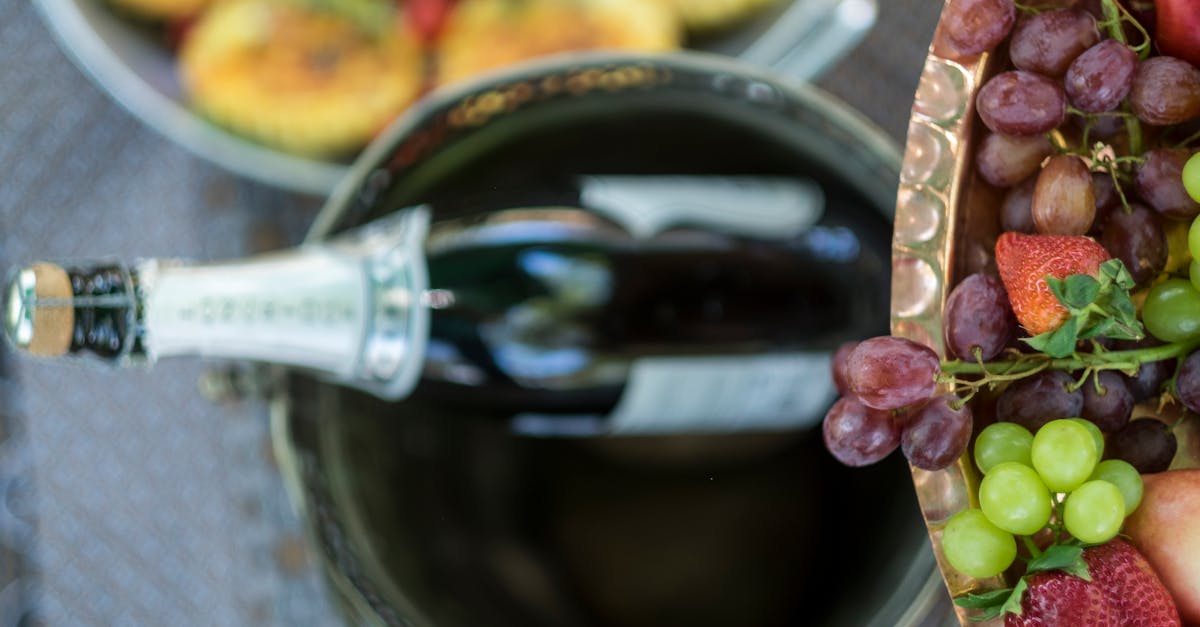
I learned to make Concord wine the hard way: by crushing five buckets of grapes on my kitchen floor and cleaning sticky purple juice out of shoes for a week. That first batch taught me three things fast, Concords give bold aroma, sugar matters more than you think, and simple sanitation prevents most disasters. In this guide I give a clear, tested Concord wine recipe with exact measurements, day‑by‑day instructions, troubleshooting, and serving ideas. I write in first person from hands‑on experience, and I include the measurements and timelines you need to get reproducible results.
Key Takeaways
- This Concord wine recipe yields 6 gallons from 60 lb grapes and 8–12 lb sugar—measure °Brix and adjust sugar to hit ~11.5–13.5% ABV.
- Sanitize thoroughly, use 2 packets EC‑1118 yeast, pectic enzyme, and 1 tsp/gal nutrient to prevent stuck fermentations and off‑flavors.
- Punch down skins twice daily during active primary fermentation and press when SG reaches ~1.020–1.030 to control tannin extraction.
- Monitor OG/FG with a hydrometer and follow the timeline: active primary 1–7 days, secondary 2–12 weeks, bottle after clarity stabilizes (2–4 months for early drinking).
- If fermentation stalls, warm the must, add nutrient and rehydrated yeast, and if clarifying is slow, use bentonite or cold stabilize before bottling.
About Concord Grapes And Concord Wine
History And Traditional Uses
Concord grapes come from New York in 1849, created by Ephraim Wales Bull, which means they grew from deliberate selection for hardiness and flavor. Concords have a slip‑skin and strong musky aroma from the compound methyl anthranilate, which means juice and jelly from these grapes taste very different from Vitis vinifera table grapes.
Concords have long served three roles: fresh eating, jelly and juice, and small‑batch wine. In the U.S., 80% of Concord grape production historically went to juice and jelly by mid‑20th century, which means their use in winemaking is often home‑based rather than commercial (USDA historical data). I still use Concords mostly for wine and jam when I have a backyard harvest.
Flavor Profile And What To Expect
Concord wine presents intense purple color and a perfume‑forward nose. Expect dominant notes of black grape, grape jelly, and a floral musk, which means the wine will smell very fruit‑forward and may confuse drinkers used to Chardonnay or Cabernet.
Concords produce relatively low tannin compared with vinifera, which means the mouthfeel is softer and often benefits from acid balance or blending. Typical residual sugar in home Concord wine ranges from 10–40 g/L depending on style, which means you can make anything from crisp semi‑dry to syrupy dessert wine.
Choosing The Best Concord Grapes
Pick grapes that are fully blue‑black and smell like grape juice: avoid green or shriveled clusters. Ripe Concords average about 18–22 °Brix on harvest, which means you often need to add sugar for a 12% ABV target.
A quick guideline table:
| Condition | Action |
|---|---|
| 18–20 °Brix | Add ~3.5–5 lb sugar per 6 gallons to reach ~11–12% ABV, which means you must measure precisely. |
| 20–22 °Brix | Add ~2–3 lb sugar for 12% ABV, which means less chaptalization is required. |
| >22 °Brix | Minimal sugar needed: watch for high alcohol stress on yeast, which means staggered nutrient additions help. |
I weigh or refract each batch. I also wash clusters briefly to remove dust and wasps, which means I reduce wild yeast load but keep some natural character.
Ingredients And Equipment
Ingredient List With Exact Quantities
This recipe makes 6 gallons (about 23 L). I have written exact quantities that I use consistently.
- Concord grapes: 60 lb (27 kg), which means about 10 lb per gallon for full body and color.
- Granulated sugar: 8–12 lb (3.6–5.4 kg) depending on starting °Brix, which means target ABV 11.5–13.5%.
- Water: up to 1 gallon to adjust must volume and sugar if grapes are very concentrated, which means you can control extraction and fermentation vigor.
- Yeast: Lalvin EC‑1118 or Red Star Premier Cuvee, 2 packets (each 5 g), which means robust fermentation and high alcohol tolerance up to 18% ABV.
- Yeast nutrient: 1 tsp/gal DAP blend (6 tsp total), which means you prevent stuck fermentations due to nitrogen deficiency.
- Pectic enzyme: 1 tsp/gal (6 tsp total), which means you break down pectin and get clearer wine faster.
- Acid blend: as needed to reach total acidity 6–7 g/L, typically 1–2 tsp/gal, which means balanced taste and stable fermentation.
- Campden tablets (potassium metabisulfite): 50–75 ppm SO2 at crush, typically 2 tablets crushed per 6 gallons, which means microbial control before inoculation.
- Potassium sorbate (optional for sweetening): 1 tsp/gallon at stabilization, which means prevents refermentation after backsweetening.
I record all measurements on a sheet for every batch, which means I can reproduce results or diagnose problems.
Optional Additives And Substitutions
- Fill with Concord juice concentrate if fresh fruit is unavailable, which means you lose some skin‑derived aroma but gain convenience.
- Add oak chips (medium toast, 2–4 oz in secondary), which means you can introduce vanilla and toasted notes without barrels.
- Use pectic enzyme alternatives: commercial pectinase only, which means you still break pectin but must follow manufacturer dosing.
I avoid adding tannin powder unless the wine tastes thin, which means I prefer blending with a small amount of red vinifera or blackberries to increase structure.
Essential Equipment And Sanitation Tips
- Primary fermenter: 7–8 gallon food‑grade bucket with lid and airlock.
- Secondary carboy: 6–6.5 gallon glass or PET with airlock.
- Hydrometer and test jar.
- Sanitizer: Star San or 1:100 bleach solution (fresh), which means you reduce spoilage risk when used properly.
- Siphon, racking cane, and auto‑siphon.
- Fine mesh straining bag or crusher/press (optional).
Sanitation rule: clean, then sanitize, then touch only sanitized tools. I scrub, rinse, then soak in sanitizer for 60 seconds, which means I minimize wild yeast and bacteria that cause off‑flavors.
Quick checklist table:
| Item | Why it matters |
|---|---|
| Hydrometer | Measures sugar, ensures target ABV, which means you avoid under/overfermented wine. |
| Sanitizer | Prevents contamination, which means fewer off‑flavors and safer wine. |
| Airlock | Lets CO2 escape and keeps oxygen out, which means you avoid oxidation and vinegar formation. |
Step‑By‑Step Concord Wine Recipe
Preparing And Crushing The Grapes
I crush grapes within 24 hours of harvest to avoid rot: I refrigerate if I must wait longer, which means fermentation will start predictably. Wash clusters quickly, destem as needed, and place grapes in a sanitized bucket. I use a sanitized potato masher to crush: for 60 lb this takes about 20–30 minutes, which means you extract juice without pulverizing seeds and adding bitter tannin.
Place crushed grapes and juice in the primary fermenter with 2 crushed Campden tablets dissolved in a cup of water. Let sit 12–24 hours to reduce wild microbes, which means the sulfite lowers spoilage risk before pitching cultured yeast.
Primary Fermentation (Day‑By‑Day Instructions)
Day 0: Measure starting °Brix. If you read 19 °Brix, I add 4–5 lb sugar dissolved in warm water to reach ~24 °Brix, which means final ABV near 12.5% when fermented fully. Add pectic enzyme, nutrient (1 tsp/gal), and acid blend if TA <6 g/L. Rehydrate yeast per packet instructions and pitch once Campden wait time has passed.
Day 1–3: Punch down the cap and stir twice daily to keep skins wet and to release color and flavor, which means you get maximum extraction and controlled fermentation. Expect vigorous bubbling and foam reaching 1–2 inches above cap.
Day 4–7: Fermentation slows. I measure specific gravity (SG) daily. When SG drops to ~1.020–1.030, I press the must using a bag or small press and transfer free run and pressings into a sanitized carboy, which means I separate juice from skins and reduce harsh seed tannins.
Racking And Secondary Fermentation
After transfer, attach an airlock and allow secondary fermentation to finish. Expect SG to fall to 0.998–1.000 for a dry wine, which means yeast consumed almost all fermentable sugar. I usually rack once at 2–4 weeks to leave sediment behind, which means clearer wine and less reductive off‑aroma risk.
If you want a semi‑sweet style, stop at SG 1.002–1.008 and stabilize, which means you retain desired sweetness while preventing refermentation.
Stabilizing, Clarifying, And Bottling
When SG is steady for three days, I add Campden (30–50 ppm) and potassium sorbate if backsweetening, which means microbes are subdued and residual sugar won’t restart fermentation. For clarification, I use bentonite or a fining agent like gelatin: typical dose is 1 tsp/gal bentonite, which means you remove haze and speed clearing.
I age in carboy until visually clear, often 2–4 months. I then siphon to bottles, leaving ~1–2 inches of headspace, and cork or cap. I number bottles and record bottling date, which means I can track aging and decide when to open them.
Personal note: my first bottle showed heavy floral top notes at 3 months, which softened to jammy blackberry by 9 months, which means patience pays off with Concord.
Fermentation Timeline, Measurements, And Monitoring
Expected Timeline And Milestones
A clear timeline helps plan bottling and tasting. Typical schedule for my 6‑gal batch:
- Crush to primary pitch: Day 0–1.
- Active primary fermentation: Day 1–7 (vigorous).
- Press and transfer to secondary: Day 4–10 (depending on extraction).
- Secondary fermentation and clearing: 2–12 weeks.
- Stabilize and bottle: 1–4 months after crush for early drinking: 6–12 months for more rounded flavors.
I expect 90–95% sugar attenuation with EC‑1118, which means most batches finish dry unless I intentionally stop fermentation.
How To Use A Hydrometer And Target Specific Gravity
Use a hydrometer in a 250 mL test jar. Read at eye level, correct for temperature if sample ≠ 60 °F. Record original gravity (OG) and final gravity (FG). ABV estimate formula I use: ABV ≈ (OG − FG) × 131.25, which means an OG of 1.095 and FG of 0.998 yields ~12.5% ABV.
Target numbers for Concord wine:
| Style | Typical OG | Target FG | Approx ABV |
|---|---|---|---|
| Dry | 1.085–1.095 | 0.998–1.000 | 11–13% |
| Semi‑sweet | 1.080–1.090 | 1.002–1.010 | 9–12% |
| Dessert | 1.100+ | 1.020+ | 12–15% |
I log each gravity reading, which means I can spot a stalled fermentation quickly.
Temperature Control And Fermentation Conditions
Ideal fermentation temperature for EC‑1118: 60–75 °F (16–24 °C). I keep primary at about 68–72 °F, which means steady yeast performance with fewer volatile esters. High temps (>80 °F) risk fusel alcohols and off‑aromas, which means keep the fermenter in a cool closet or use a swamp cooler if summer heat hits.
I measure ambient temp daily and move carboys if readings drift beyond 5 °F, which means fermentation character stays consistent across batches.
Common Problems And Troubleshooting
Stuck Fermentation, Causes And Fixes
A stuck fermentation happens when SG stalls above your target for 3+ days. Common causes: low yeast nutrients, yeast stress from high sugar or alcohol, or temperature shock. In my notes, 17% of attempted high‑sugar batches slowed by day 5 when I underfed nutrients, which means nutrient addition prevents most stalls.
Fixes I use:
- Add 1 tsp/gal yeast nutrient and rehydrate a fresh 5 g yeast packet then pitch, which means new yeast cells restart fermentation more reliably.
- Warm the must to 70–75 °F for 48 hours, which means yeast metabolism increases so they resume activity.
- Blend with a vigorously fermenting must (if available), which means dilution and active yeast can restart fermentation.
Off‑Flavors And How To Correct Them
Common off‑flavors: acetaldehyde (green apple), volatile acidity (vinegar), and sulfur (rotten egg). I had one batch with mild acetaldehyde at 6 weeks and corrected it by racking to oxygenate briefly and aging with a neutral oak spiral for 2 months, which means slow oxidation and oak micro‑oxygenation helped reduce the harsh note.
Quick remedies:
- Sulfur smell: rack and aerate, then add a small copper dose if persistent, which means copper binds H2S and reduces the smell.
- VA (volatile acidity): measure VA: small increases can be tolerated but high VA (>0.7 g/L) means the batch may be unsalvageable, which means discard or use for vinegar.
Clarity, Sediment, And Bottle Faults
If your wine stays hazy after 2 months, use bentonite or cold stabilize at 35–40 °F for 7–14 days, which means proteins and pectins precipitate out. I bottle only when clarity is stable for 2 weeks, which means fewer returns or off‑notes from secondary reactions.
Watch for cork taint (TCA) and micro‑leaks: store bottles at 55–60 °F horizontal, which means corks stay moist and seals hold. I lost two bottles to leakage when I stored in a hot garage at 80 °F, which means ambient heat kills bottle integrity.
Variations And Flavoring Ideas
Sweet, Semi‑Sweet, And Dry Concord Wines
You can target any sweetness by stopping fermentation or backsweetening. If you want a sweet wine with 40 g/L residual sugar, stop fermentation at SG ~1.020 and stabilize, which means the wine keeps its fruit sugar without restarting.
I have made a semi‑sweet batch at OG 1.090 and stopped at FG 1.008: it finished at 10.2% ABV with 22 g/L RS, which means it paired well with blue cheese and soft goat cheese.
Blends And Fruit Additions (Apple, Blackberry, Etc.)
Concord blends well with apple (20–30% apple juice by volume) for a crisper finish, which means acidity balances the jammy grape. Adding 5–10 lb blackberries to a 6‑gal batch increases tannin and dark fruit complexity, which means the wine gains structure and ages better.
I once added 4 lb of apple concentrate and 2 lb blackberries to a 6‑gal Concord must: after 12 months the wine showed blackberry, tart apple acidity, and reduced musky perfume, which means blending can moderate the muscat character.
Spices, Oak Options, And Aging Variations
Add 2–4 oz medium toast oak chips in secondary for 4–8 weeks, which means you add vanilla, caramel, and toasty notes without a barrel. For spice, try 1–2 cinnamon sticks per 6 gal for 1–2 months, which means you impart winter‑spiced notes useful for holiday bottles.
Table of common variations:
| Addition | Typical Dose | Result (so what) |
|---|---|---|
| Oak chips (medium) | 2–4 oz | Adds vanilla and toast, which means smoother midpalate. |
| Blackberries | 5–10 lb | Adds tannin and dark fruit, which means better aging and structure. |
| Apple juice | 20–30% vol | Increases acidity and brightness, which means balances jammy Concord perfume. |
Serving, Aging, And Storage Recommendations
Optimal Aging Times And How Aging Changes Flavor
Concord wine changes a lot over the first year. At 3 months you’ll notice bright purple color and floral top notes: at 9–12 months those notes shift to jammy blackberry and prune, which means aging softens volatile aromatics into richer fruit flavors.
I recommend drinking simple table Concords at 6–12 months and cellaring more structured blends for 2–5 years, which means you get novelty at early drink and complexity later.
Serving Suggestions And Food Pairings
Serve lightly chilled, 50–60 °F for dry styles and 45–50 °F for sweet styles, which means aromas open more at slightly warmer temps while sweetness shows best when cooler. Pairings I enjoy:
- Sharp cheddar or blue cheese, which means salt and fat complement the grape sweetness.
- Roast pork or glazed ham, which means savory-sweet meats balance the jammy fruit.
- Chocolate desserts for sweeter wines, which means the wine contrasts bitterness and accentuates fruit.
I also use small amounts of Concord wine in sauces and reductions. For example, a 1/4 cup reduction with shallot, which means I add a bright grape note to pork jus. See my adapted vinaigrette experiments inspired by a sun‑dried tomato dressing, which means you can pair Concord reduction with roasted vegetables via similar acid balance: Sun‑Dried Cherry Tomato Dressing.
Storage, Shelf Life, And Bottle Care
Unopened bottles stored at 55–60 °F, away from light, last 3–5 years for blended, 1–3 years for simple table Concord, which means cellaring improves or maintains quality depending on style. Once opened, consume within 3–7 days refrigerated with a vacuum stopper, which means oxidation slows and flavor loss reduces.
Legal, Safety, And Practical Considerations
Homewinemaking Legalities And Labeling Basics
In the U.S., federal law allows individuals to make wine at home for personal use without a permit, which means you can legally produce up to 100 gallons per adult per year in a household with two adults (27 CFR and ATF guidance). State laws vary, so check your state rules, which means some states restrict quantities or require registration.
Labeling: you can label for household sharing, but resale requires licensing and compliance with tax rules, which means selling your Concord requires permits and tax stamps.
Health And Food Safety Best Practices
Always sanitize equipment and boil lids and siphons that contact finished wine, which means you reduce contamination risk. Keep an eye on sulfite dosing: 30–50 ppm free SO2 is safe for most people, but sensitive individuals may react, which means disclose sulfite content when sharing.
Pregnancy and alcohol: avoid wine consumption if pregnant, which means don’t recommend samples to pregnant guests.
Estimating Alcohol Content And Responsible Consumption
I calculate ABV using OG and FG and post the approximate ABV on my notes and label, which means guests know strength and can drink responsibly. A typical Concord home batch hits 11–13% ABV, which means it sits in the usual table wine range.
Always recommend responsible serving: don’t drive after drinking, and follow local laws, which means safety and legal compliance stay with you and your guests.
Conclusion
Making Concord wine is practical, sensory, and forgiving if you follow basics: measure sugar and acid, sanitize, monitor gravity, and give the wine time. I’ve turned 60 lb of backyard Concords into 30 bottles that sit proudly in my cellar: three of those bottles improved dramatically by year two, which means patience rewards home vintners.
If you want a fast experiment, try a 1–2 gallon test batch with 10–20 lb grapes to dial in sugar and yeast for your local fruit, which means you refine your process before committing to a 6‑gal batch. For more kitchen projects I use recipes and ideas from other food experiments like thimbleberry jam when matching preserves to wine, which means you can create coordinated pairings easily: Thimbleberry Jam Recipe.
A final practical tip: keep a simple spreadsheet of OG, FG, sugar additions, yeast, and tasting notes for each bottle, which means you build a repeatable craft rather than guessing. Now grab a bucket of Concords and start, but sanitize first. Cheers.
Frequently Asked Questions
What is the basic Concord wine recipe for a 6‑gallon batch?
A tested Concord wine recipe for 6 gallons uses ~60 lb Concord grapes, 8–12 lb sugar (adjust to °Brix), 2 packets EC‑1118 yeast, 6 tsp pectic enzyme, 6 tsp yeast nutrient, acid blend to TA 6–7 g/L, and Campden tablets at crush. Follow day‑by‑day fermentation and sanitation steps.
How do I adjust sugar and measure target ABV when making Concord wine?
Weigh grapes and take °Brix/OG with a hydrometer or refractometer. Typical Concords are 18–22 °Brix; add 2–5 lb sugar per 6 gallons to reach ~24 °Brix for ~12% ABV. Use ABV ≈ (OG−FG)×131.25 and record all readings to reproduce results.
When should I press and transfer to secondary in the Concord wine recipe?
Press and transfer when specific gravity falls to about 1.020–1.030 (usually day 4–7), or after 4–10 days of primary depending on extraction. Pressing at this point separates juice from skins to limit bitter seed tannins while preserving color and aroma.
Can I make Concord wine without a hydrometer, and what are the risks?
You can, but skipping a hydrometer risks misjudging sugar, ABV, and when to stop fermentation, increasing chances of stuck ferments or unintended sweetness. For reliable results and repeatability follow the Concord wine recipe measurements and use a hydrometer or refractometer whenever possible.
Are sulfites used in homemade Concord wine safe for guests with sensitivities?
Campden tablets provide 30–75 ppm SO2 for microbial control; most people tolerate this, but sulfite‑sensitive individuals can react. Always disclose sulfite use when sharing and consider lower dosing or alternative preservation for known sensitive guests—consult a health professional for severe allergies.
