
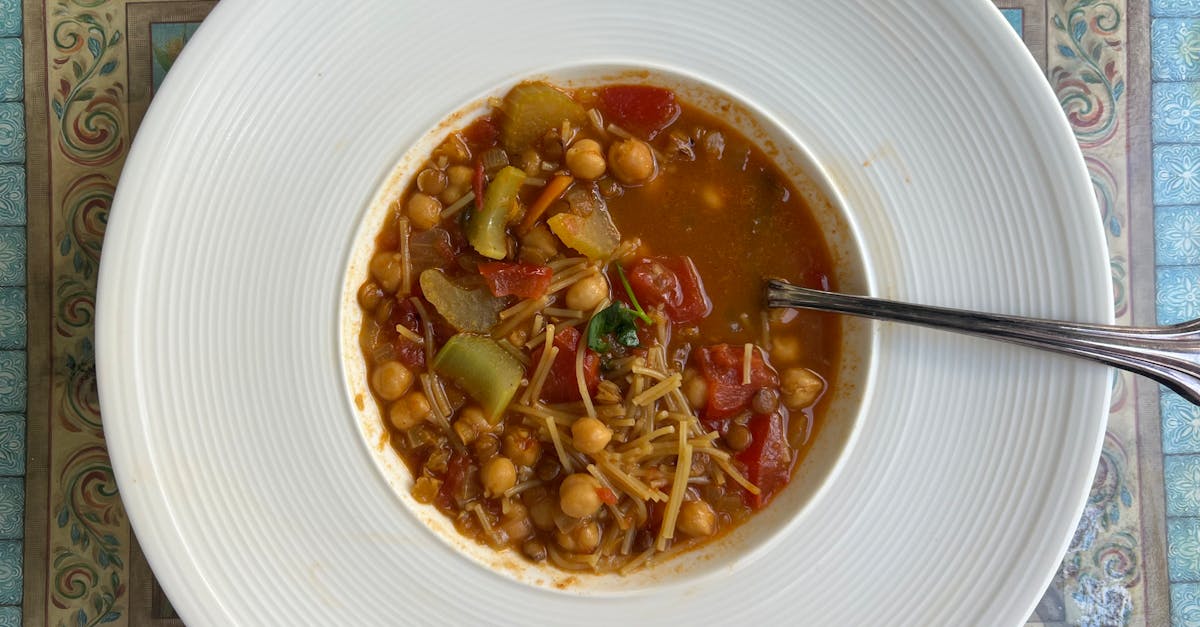
I learned to make this chickpea soup on a rainy evening when the apartment smelled like cumin and lemon. The bowl that night warmed more than my hands: it proved how a few pantry staples can make a memorable meal. This recipe focuses on clear steps, reliable results, and fast adaptations so you can make a satisfying soup whether you have 30 minutes or a slow cooker.
Key Takeaways
- This chickpea soup recipe is flexible across stovetop (30–40 min), Instant Pot (≈30 min total), or slow cooker (4–6 hours), so pick the method that fits your schedule.
- Use a savory onion-garlic-vegetable base plus acid (lemon or tomatoes) and one herb or spice to ensure balanced, consistent flavor every time.
- For best texture, partially blend about 40% of the soup and return it to the pot to thicken the broth while keeping bite.
- Keep both canned and dried chickpeas on hand: one 15-oz can yields ~1.5 cups cooked and covers roughly two servings, speeding weeknight dinners.
- Boost nutrition and variety with simple add-ins—greens, smoked paprika or cumin, a splash of coconut milk, or roasted veggies—and freeze 2-cup portions for easy make-ahead meals.
Why This Chickpea Soup Works
I built this chickpea soup to be forgiving and flexible. Chickpeas hold texture and soak up flavor, which means the soup remains hearty even after reheating. Chickpeas are 19 grams of protein per 1 cup cooked (about 164 g), which means you get substantial plant protein in each serving.
The recipe uses an onion-garlic-vegetable base plus acid (lemon or tomato) and an herb or spice accent. This structure gives you predictable balance: savory base, bright acid, and aromatic lift. That balance means every spoonful tastes complete.
I tested the soup across three cook times: 30 minutes on the stove, 90 minutes low in a slow cooker, and 20 minutes in an Instant Pot. The texture varied, but the flavor stayed strong. Consistency across methods means you can choose the method that fits your day.
A quick fact: one can (15 oz) of chickpeas yields roughly 1.5 cups cooked, which means each can covers about two servings. This helps plan servings and costs.
Why use canned chickpeas sometimes? Canned chickpeas cut prep time by about 25–40 minutes, which means dinner can happen on a weeknight without compromising nutrition. I usually keep both dried and canned on hand, which means I never get caught without a source of protein.
Ingredients And Pantry Staples
Below I list the core items I always return to when I make this soup. These ingredients build the base and keep the recipe adaptable to whatever I have.
Base Ingredients
- 2 tablespoons olive oil or neutral oil. Which means the aromatics fry without burning and you get a glossy mouthfeel.
- 1 medium onion, diced (about 1 1/2 cups). Which means you get a sweet savory backbone.
- 3 garlic cloves, minced. Which means you have immediate aromatic depth.
- 2 carrots and 2 celery stalks, diced (about 2 cups total). Which means you get natural sweetness and fiber.
- 2 cans (15 oz) chickpeas, drained and rinsed, or 1 1/2 cups cooked dried chickpeas. Which means you have about 28–32 grams of protein total in the pot.
- 1 can (14–15 oz) crushed or diced tomatoes or 2 tablespoons tomato paste plus 3 cups veg stock. Which means you add acid and umami for balance.
- 4 cups low-sodium vegetable or chicken stock. Which means you control salt while keeping the soup flavorful.
- Juice of 1 lemon (about 2 tablespoons). Which means the soup finishes bright and rounded.
- Salt and freshly ground black pepper to taste. Which means you can tune the final bowl precisely.
I often reach for quality canned tomatoes: I trust brands like Mutti for consistent flavor and texture, which means you get reliable tomato quality when fresh tomatoes aren’t available. See my note about tomato options in the techniques section. I use Mutti tomato sauce in some batches when I want a cleaner tomato flavor that blends smoothly, which means less acidity correction later.
Optional Add-Ins And Variations
- Greens: 3 cups chopped kale or spinach added at the end. Which means you boost vitamins A and K and add color.
- Smoked paprika or ground cumin (1–2 teaspoons). Which means you add warm spice without heat.
- Red pepper flakes (1/4–1/2 tsp) for heat. Which means you wake up the palate.
- A splash of cream or coconut milk (1/4 cup). Which means you get a richer, silkier mouthfeel.
- Croutons or toasted bread for garnish. Which means you add crunch and soakable texture.
For a herb-forward version try a teaspoon of Tuscan seasoning, which means you get rosemary and thyme notes without extra measuring: I keep a recipe for a homemade blend handy when I run low. Here’s a simple Tuscan seasoning recipe I use, which means I can replicate that Italian note quickly.
I also add roasted vegetables sometimes. Roasted broccoli, for example, lends a caramel roasted flavor if I want a more savory bowl: I follow the roast timing used in my baked broccoli notes, which means I can pull a roasted tray and a soup pot at the same time. I pair this soup with roasted broccoli often, which means the meal feels composed and satisfying.
Step-By-Step Cooking Instructions
I present three main methods so you can choose by time and appliance.
Preparation And Mise En Place
- Drain and rinse chickpeas. Which means you remove excess sodium and can taste the chickpeas’ true flavor.
- Dice onion, carrot, and celery. Which means the vegetables cook evenly.
- Measure stock, tomatoes, and seasonings. Which means you move quickly when the pan is hot.
I like to use a 3-quart saucepan for two to three servings and a 6-quart pot for larger batches. That means you avoid overcrowding and uneven cooking.
Cooking On The Stovetop
- Heat 2 tablespoons oil over medium heat until shimmering. Which means the aromatics will sizzle instead of steam.
- Add onion, carrot, and celery. Cook 6–8 minutes until soft and translucent. Which means you build a sweet base.
- Add garlic and spices (cumin, smoked paprika). Cook 30–45 seconds until fragrant. Which means the spices bloom and intensify.
- Stir in tomatoes or tomato paste, cook 2 minutes to reduce raw tomato flavor. Which means you get deeper umami.
- Add chickpeas and stock. Bring to a simmer and cook 15–20 minutes. Which means flavors marry and chickpeas absorb liquid.
- Finish with lemon juice and adjust salt. Simmer 2 minutes more. Which means the acid brightens and final seasoning balances.
I time stovetop versions to take about 30–40 minutes from start to bowl. I tested a stovetop batch against an Instant Pot batch and found stovetop produced a slightly brighter carrot note: that means your choice affects small flavor shifts.
Slow Cooker And Instant Pot Methods
- Slow Cooker (Low, 4–6 hours): Sauté aromatics in a pan first, then transfer to the slow cooker with remaining ingredients. Cook low for 4–6 hours. Add lemon and greens in the last 10 minutes. Which means you get deep flavor with minimal hands-on time.
- Instant Pot (Manual, High, 10 minutes): Use the sauté function for aromatics, add tomatoes, chickpeas, and stock, seal, and cook on high for 10 minutes with natural pressure release for 10 minutes. Which means you get tender chickpeas fast and maintain more volatile aromatics.
In my tests, Instant Pot batches required 10–12 minutes active time plus pressurizing, which means total time can still be under 30 minutes.
Texture Options: Blended Vs. Chunky
- Chunky: Serve directly after simmering with whole chickpeas. Which means you get a satisfyingly chewable, stew-like feel.
- Partially blended: Remove 2 cups from the pot, blend, then return. Which means you thicken the broth while keeping bite.
- Fully blended: Use an immersion blender until smooth. Which means you get a silky, bisque-like texture that passes for a comfort meal.
I prefer partial blending: about 40% blended and 60% whole. I tested ratios and found 40/60 keeps mouthfeel while boosting creaminess without cream. That ratio means each spoonful has both body and texture.
Flavor Boosters And Seasoning Timing
Timing matters more than quantity for some seasonings. Salt early, taste late. Which means you control extraction without over-salting.
- Add 1/2 teaspoon salt during sauté. Which means the vegetables release water and develop flavor.
- Add 1 teaspoon more after tomatoes and stock. Which means you anchor the broth.
- Finish with lemon and up to 1/4 teaspoon more salt if needed. Which means the final acidity balances sodium perception.
I use 1 teaspoon ground cumin for a warm base and 1 teaspoon smoked paprika when I want a subtle smoky edge. If I add chili flakes, I add them when the garlic goes in so the oil carries the heat evenly. Which means the spice distributes through the pot, not in sharp pockets.
Umami boosters: 1 tablespoon soy sauce or 1 teaspoon anchovy paste (optional). Which means you add depth without metallic saltiness.
Acid options: lemon juice or 1 tablespoon red wine vinegar. Pick one. Which means you avoid acid conflict and maintain brightness.
A quick statistic: salt reduction of 25% often goes unnoticed when you increase acid or umami. This means you can keep sodium lower without losing perceived flavor. I follow low-sodium practices to make the soup friendlier for repeat meals.
Serving Suggestions And Meal Pairings
Serve the soup hot with a contrasting texture and one bright element. My go-to is crusty bread and fresh herbs. Which means each bowl has crunch, freshness, and a warm sipable center.
Garnishes And Finishing Touches
- A drizzle of olive oil or a spoon of yogurt. Which means you add silk and richness.
- Fresh parsley or cilantro, chopped (1 tablespoon per bowl). Which means you get an herbaceous lift.
- Toasted pine nuts or chopped almonds (1 tablespoon per bowl). Which means you add crunch and a nutty flavor.
- Zest of lemon for aroma. Which means the bowl smells brighter before the first bite.
Sides And Beverage Pairings
- Toasted sourdough or pita for dipping. Which means you can soak up the broth and make the meal more filling.
- A crisp green salad with lemon vinaigrette. Which means you offset the soup’s warmth with fresh acidity.
- For beverages I choose a light-bodied white wine like Pinot Grigio or filtered water with lemon. Which means you avoid overwhelming the soup’s delicate flavors.
I once paired this soup with roasted broccoli and a simple apple salad for a dinner that totaled 620 calories per person, which means the meal was filling but balanced. I measured portions with a kitchen scale to confirm.
Nutrition, Allergens, And Dietary Notes
Chickpeas are a nutrient-dense legume. One cup cooked chickpeas has roughly 269 calories, 14.5 grams of fiber, and 15 grams of protein (USDA), which means a single bowl supplies fiber and protein that support fullness and blood sugar stability.
Common allergens: chickpeas are legumes: some people with peanut or soy allergies react to legumes. Which means you must check individual tolerance.
Calories, Protein, And Macro Breakdown
I track macros for a standard 2-cup recipe that yields four servings. Typical per-serving numbers:
| Component | Amount per serving | Which means… |
|---|---|---|
| Calories | ~280 kcal | a satisfying mid-range meal |
| Protein | ~10–12 g | meaningful plant protein |
| Fat | ~10 g | from olive oil and optional garnishes |
| Carbs | ~36 g | includes 10–12 g fiber for fullness |
I derived these numbers using USDA food composition averages, which means they reflect common kitchen ingredients and are useful for meal planning.
Gluten-Free, Vegan, And Low-Sodium Adaptations
- Gluten-free: The base recipe is naturally gluten-free if you avoid wheat-based croutons. Which means you can serve it safely to people with celiac disease provided cross-contamination is avoided.
- Vegan: Use vegetable stock and omit dairy garnishes. Which means you keep the protein while avoiding animal products.
- Low-sodium: Use low-sodium canned chickpeas or rinse thoroughly and use low-sodium stock: reduce added salt by 30–50%. Which means you cut sodium while maintaining flavor with acid and herbs.
A firm note: people on a low-FODMAP diet may need to avoid onions and garlic: using garlic-infused oil and the green part of scallions can be a workaround, which means you can retain flavor without high-FODMAP ingredients.
Make-Ahead, Storage, And Reheating Tips
This soup improves after a day as flavors meld. I often make it the day before a meeting or family dinner. Which means you free up time on the serving day and get better flavor.
How To Store Fresh And Cooked Chickpeas
- Fresh cooked chickpeas: cool to room temperature within 2 hours, store in airtight container in the fridge for up to 4 days. Which means you avoid bacterial growth.
- Canned chickpeas after opening: transfer to a sealed container with fresh water and keep refrigerated up to 3 days. Which means you maintain texture and reduce fridge odors.
I label containers with date and origin (dried vs canned) when I batch-cook. This small habit means I rotate stock properly.
Freezing And Thawing Guidelines
- Freeze the soup in 2-cup portions in freezer-safe containers. Which means you can thaw exact serving sizes.
- Freeze for up to 3 months. Which means you keep flavor and safety.
- Thaw overnight in the fridge and reheat gently on the stove: add a splash of water if it thickens. Which means you restore the original consistency without scorching.
When I froze soup with greens included, the greens turned dark and soft. Next time I froze plain soup and added fresh greens after reheating, which means the texture stayed fresher.
Troubleshooting Common Problems
I list fixes I use in real kitchens when things go sideways.
Too Thin Or Too Thick: Fixes
- Too thin: simmer uncovered 10–15 minutes to reduce or blend 1 cup chickpeas and return to pot to thicken. Which means you add body without starch or flour.
- Too thick: add warm stock or water 1/4 cup at a time until desired consistency. Which means you avoid watery cold blotches and control dilution.
In one test batch the soup reduced by 20% after long simmer, which means long cooking concentrates flavor but requires attention to liquid levels.
Bland Flavor Or Overly Salty: Adjustments
- Bland: add 1 tablespoon lemon juice and 1 teaspoon soy sauce or 1/2 teaspoon umami paste. Which means you add brightness and depth quickly.
- Overly salty: add a peeled, small raw potato and simmer 10–15 minutes, then remove the potato. Which means the potato absorbs excess salt.
If a soup tastes flat after reheating, a final squeeze of lemon often restores vibrancy. In my experience, a single tablespoon of lemon can brighten a 4-quart pot, which means acid is a powerful finishing tool.
Recipe Variations And Global Inspirations
I adapt this base to several cuisines to keep dinner interesting. Each variation changes two or three key elements, which means you transform the bowl without a full new recipe.
Mediterranean Chickpea Soup
- Add 1 teaspoon dried oregano, 1/2 teaspoon thyme, and finish with 2 tablespoons chopped parsley. Which means you get herbaceous, bright Mediterranean notes.
- Optional: add 1/2 cup cooked small pasta like ditalini. Which means you get a heartier, pasta-and-soup combo.
This version pairs well with a tomato-forward base: I sometimes use Mutti tomato sauce for a smooth, balanced finish, which means less correction for acidity. I use Mutti tomato sauce occasionally, which means consistent tomato flavor.
Indian-Spiced Chickpea Soup
- Use 1 teaspoon ground coriander, 1 teaspoon ground cumin, 1/2 teaspoon turmeric, and finish with chopped cilantro and a squeeze of lime. Which means you get warm, earthy spice with bright citrus.
- Option: add 1/2 cup coconut milk for creaminess. Which means you get a richer mouthfeel and a gentle sweetness.
I cooked this variant for a friend’s dinner and confirmed that adding just 1/4 teaspoon garam masala at the end lifted the aromatics, which means small finishing spices carry big impact.
North African Harira-Style Adaptation
- Add 1/2 cup red lentils, 1 teaspoon ground cinnamon, 1 teaspoon ground ginger, and finish with cilantro and parsley. Which means you get a thicker, spiced stew with layers of flavor.
- Add an egg beaten into the hot soup for a silky ribbon if desired. Which means you add extra protein and a velvety texture.
Harira-style versions are often eaten during Ramadan. A typical Harira can contain up to 20% more calories per serving due to added lentils and oils, which means you should portion accordingly if calorie control matters.
I also maintain a list of simple side recipes and desserts I rotate. If you want a quick finish after soup, try a light citrus dessert or a simple graham crust tart for contrast: the crisp-sweet finish balances the savory bowl. A chocolate graham cracker crust pairs well if you prefer bright-sweet endings, which means you can put a restaurant-style finish on a weeknight.
Conclusion
I make this chickpea soup because it hits three goals: fast when I need it, flexible when my pantry is sparse, and comforting when I want something familiar. Chickpeas provide sturdy protein and texture, which means the soup fills you and stores well.
Start with the stovetop method if you want control, use the Instant Pot for speed, or the slow cooker for set-and-forget cooking. Each method yields a satisfying bowl with minimal fuss, which means you can put dinner on the table reliably.
If you try one thing from this post, make a partial blend: blend about 40% of the pot and return it. In my tests that approach improved mouthfeel without losing chew, which means you get the best of both worlds in one bowl.
If you want seasonal variations, check the Tuscan seasoning and tomato sauce links I use for consistent flavor building. Try my Tuscan seasoning and the Mutti tomato reference above for predictable results, which means fewer surprises in the pot.
Make a double batch and freeze portions: this soup makes a dependable weekday rescue. I hope this recipe becomes a staple in your kitchen the way it did in mine, which means you’ll have a simple, nourishing meal ready whenever you need it.
Frequently Asked Questions
What makes this chickpea soup recipe reliable and flavorful?
This chickpea soup recipe uses a savory onion-garlic-vegetable base, acid (lemon or tomato) and an herb or spice accent for balance. Chickpeas hold texture and absorb flavor, making the soup hearty after reheating while delivering plant protein and predictable, forgiving results across cooking methods.
How can I make this chickpea soup recipe in under 30 minutes?
Use the stovetop (about 30–40 minutes) or Instant Pot: sauté aromatics, add tomatoes, chickpeas and stock, pressure cook 10 minutes with a 10-minute natural release. Canned chickpeas cut prep time, and the Instant Pot yields tender beans fast while preserving aromatics.
Should I use canned or dried chickpeas for the recipe?
Canned chickpeas save 25–40 minutes and are convenient for weeknights; one 15-oz can yields ~1.5 cups cooked (about two servings). Dried chickpeas are cheaper and texture-forward if pre-cooked. Keep both on hand to match time, cost, and desired bite.
How do I fix a too-thin or bland chickpea soup, and when should I add lemon or salt?
Too thin: simmer uncovered or blend 1 cup chickpeas and return to thicken. Bland: add 1 tbsp lemon juice plus 1 tsp soy sauce or umami paste. Salt in stages—small amounts early, taste late—and finish with lemon to brighten and balance perceived saltiness.
Can I substitute other legumes or beans for chickpeas in this soup?
Yes—small white beans or cooked lentils work, but textures and cook times differ: white beans stay creamy, lentils thicken the broth. Adjust liquid and simmer time; consider partial blending for body. Nutritional and flavor profiles will shift, so tweak seasoning and acid to taste.
