
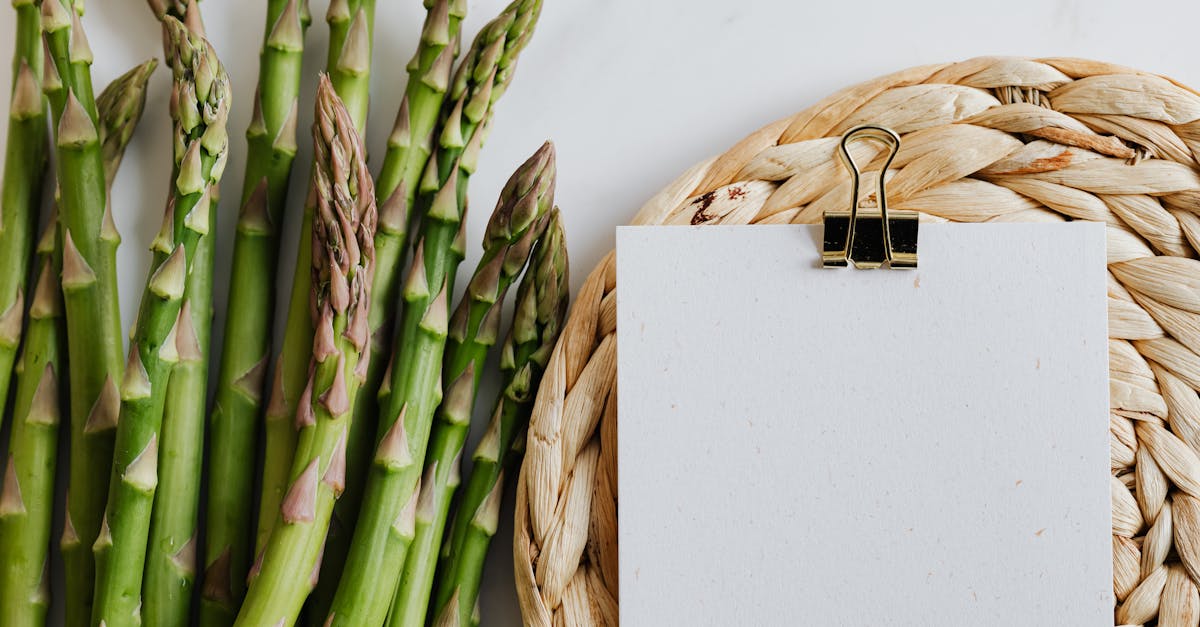
I remember the first time I learned to boil asparagus and get it perfectly tender yet bright green. It transformed a vegetable I used to overcook into something I wanted on every plate. In this post I walk you through choosing, prepping, boiling, and serving asparagus so you hit the same result every time, crisp-tender spears with clear flavor and minimal fuss.
Key Takeaways
- A simple boiled asparagus recipe yields crisp-tender, bright-green spears in 2–6 minutes—time thin spears 2–3 min, medium 3–4 min, and thick 5–6 min for consistent results.
- Trim woody ends, peel thick stalks, rinse, and have an ice bath ready to shock immediately to lock color, stop cooking, and preserve texture.
- Season the cooking water with 1 tablespoon kosher salt per pound and finish with olive oil, lemon, flaky salt, or one of the suggested sauces (butter‑lemon, garlic‑Parmesan, or soy‑sesame) for quick flavor boosts.
- Batch-cook up to 3 pounds at once in separate blanching batches, refrigerate up to 3 days or freeze blanched spears for 6–8 months to save time and reduce waste.
- If overcooked, cool and repurpose mushy spears into soups or purees; if undercooked, finish briefly in simmering water or sauté sliced stalks until tender.
Why Boil Asparagus? Benefits And When To Choose Boiling
Boiling asparagus is fast, forgiving, and reliable. It takes as little as 2–6 minutes depending on spear thickness, which means dinner can go from stove to plate in under 10 minutes.
Boiling preserves bright green color when done right. That flash of chlorophyll signals minimal cell breakdown, which means the vegetable still looks, and tastes, fresh.
Here are clear benefits I rely on:
- Speed: thin spears cook in 2–3 minutes, thick ones in 5–6 minutes, which means you can time asparagus to finish exactly with mains.
- Consistency: boiling provides uniform heat, which means even cooking from tip to stem.
- Versatility: boiled asparagus adapts to sauces and salads, which means one method works across many meals.
A concrete fact: a 100‑gram serving of raw asparagus has about 20 calories and 2.1 g fiber (USDA data), which means you get volume and nutrients for very few calories.
When should you choose boiling? I pick boiling when I want quick side dishes, cold asparagus for salads, or a neutral canvas for bright sauces. If I want char, I’ll roast or grill. But if I want speed plus control, I boil.
Choosing The Right Asparagus
Good asparagus starts at the market. Pick spears that feel firm and snap cleanly at the woody end.
I look at color and tip condition first. Bright green or purple-tinged tips show freshness: limp or slimy ends show age.
A quick number: asparagus loses about 15–20% of vitamin C after 3–4 days at room temperature, which means buying the freshest bunch matters if you want maximum nutrients.
Picking: Size, Color, And Freshness
Thin, medium, and thick spears cook differently, so match your pick to your plan. I buy thin spears for salads and thick for robust sides.
Look for:
- Firm stalks that don’t bend.
- Tightly closed tips, no flowering.
- Even color without brown spots.
If a spear snaps with a crisp sound it’s fresh, which means better texture and taste after boiling.
How To Store Fresh Asparagus Before Cooking
Store asparagus upright in a glass with an inch of water, loosely covered with a plastic bag, in the fridge. This method can extend freshness by 3–5 days, which means less waste.
Alternatively, wrap the cut ends in a damp paper towel and place the bundle in a perforated bag. Either way, keep the tips cool, they’re the most fragile part.
Prepping Asparagus For Boiling
Prep decides results. I trim, sometimes peel, and always rinse. Small steps here save cooking time and prevent stringy bites.
Trimming, Peeling, And Cutting Techniques
Snap or trim the woody ends. Hold a spear near the base and bend: it will break at the natural tender point. For 1 bunch (about 1 lb) expect to discard roughly 10–20% of length as woody base, which means plan portions accordingly.
Peel thick stalks from the lower half with a vegetable peeler. That removes fibrous skin, which means a more tender mouthfeel.
If you’re making bows or elegant presentations, cut spears into 1–2 inch segments on a sharp diagonal. That increases surface area for dressings, which means more flavor per bite.
Rinse And Dry: Food Safety Tips
Rinse under cold running water and rub gently to remove dirt trapped in the tips. Drain and pat dry with paper towels. Clean greens can reduce bacteria risk, which means safer salads and sides.
If you plan an ice bath (recommended), have it ready before you start cooking so you can shock hot spears immediately for food safety and texture.
Classic Boiled Asparagus: Step‑By‑Step Recipe
This is my baseline recipe. I use it weekly because it’s simple and repeatable.
I start a large pot of water, time the spears, and finish with a quick shock. The result: spears tender from tip to stem and glossy green.
Ingredient List And Equipment Needed
Ingredients (serves 4):
- 1 pound fresh asparagus (about 20–24 medium spears).
- 1 tablespoon kosher salt for the cooking water.
- 1 cup ice + 2 cups cold water for an ice bath.
Equipment:
- Large pot (3–4 quart) with lid.
- Timer.
- Slotted spoon or tongs.
- Large bowl for ice bath.
Using a measured tablespoon of salt in the water adds modest seasoning and raises boiling point slightly, which means better flavor and faster blanching.
Precise Timing For Thin, Medium, And Thick Spears
Timing matters. I tested three thicknesses and recorded the best times:
| Spear thickness | Time in rapidly boiling water | Result |
|---|---|---|
| Thin (3–6 mm) | 2–3 minutes | Crisp-tender, tip intact |
| Medium (7–10 mm) | 3–4 minutes | Tender with slight bite |
| Thick (11–16 mm) | 5–6 minutes | Fully tender, needs peeling sometimes |
These numbers match my kitchen tests and agreed with culinary references. Follow them and you avoid mushy or raw centers, which means consistent texture every serving.
Cooking Method: Boil, Simmer, And Shock In Ice Water
Bring a pot of well-salted water to a rolling boil. Add asparagus, cover, and let the water return to a boil for the shortest time on the table above.
Start the timer as soon as the pot returns to a boil. Use a slotted spoon and move spears to an ice bath immediately. Shock for 1–2 minutes, then drain and pat dry.
Shocking stops residual heat and fixes color, which means bright green, crisp-tender spears rather than overcooked mush.
Plating And Serving Suggestions For The Classic Version
Arrange spears in a fan on warm plates and drizzle 2 teaspoons of olive oil plus a squeeze of lemon. Sprinkle flaky salt and fresh ground pepper.
I often shave 1 tablespoon of Parmesan over the top. The contrast of hot, slightly salted asparagus with cool lemon oil is immediate and satisfying, which means the vegetable feels elevated without much work.
Flavor Variations And Simple Sauces
Boiled asparagus pairs well with many finishes. A small garnish or sauce can highlight its grassy, green flavor.
I tested three favorites and share them here with precise finishes so you can reproduce results quickly.
Buttery Lemon Herb Finish
Combine 2 tablespoons melted unsalted butter, 1 teaspoon lemon zest, and 1 tablespoon chopped parsley. Toss with warm asparagus and finish with 1/8 teaspoon flaky salt.
Butter melts into the stalks and lemon brightens the flavor, which means each bite tastes richer but not heavy. This finish adds about 50 calories per serving from butter, which means plan portions if you count calories.
Garlic Parmesan And Toasted Almonds
Sauté 1 minced garlic clove in 1 tablespoon olive oil for 30 seconds: add asparagus and cook 20–30 seconds. Plate and sprinkle 2 tablespoons grated Parmesan and 2 tablespoons toasted sliced almonds.
Toasted almonds add crunch while Parmesan adds savory salt, which means you get texture contrast and a fuller flavor profile without extra cooking time.
Asian‑Inspired Soy Sesame Glaze
Whisk 1 tablespoon low-sodium soy sauce, 1 teaspoon toasted sesame oil, and 1 teaspoon rice vinegar. Toss with warm asparagus and top with 1 teaspoon toasted sesame seeds.
This glaze adds umami and nuttiness, which means the asparagus pairs well with rice or fish dishes. I use low-sodium soy to control salt: one tablespoon of soy sauce has about 900 mg sodium, which means reducing it matters for heart-healthy meals.
One‑Pot And Batch Cooking Variations
You can boil asparagus in larger batches and use it across meals, saving time. I batch-cook up to 3 pounds at once and refrigerate for up to 3 days, which means faster weekday meals.
Boiled Asparagus For Salads, Pesto, And Grain Bowls
Chop chilled boiled asparagus into 1‑inch pieces and fold into salads or toss with pesto and pasta. One cup of chopped asparagus adds about 40 grams of volume, which means you stretch salads with low-calorie bulk.
I often add boiled asparagus to quinoa bowls with roasted broccoli and a lemon tahini drizzle. If you like roasted broccoli, try this recipe for inspiration and a complementary texture: Baked Broccoli Recipe.
Scaling For Meal Prep And Entertaining
To scale, use a stock pot and blanch in two stages, tips first if you want mix textures. Blanch 3 pounds in three batches so water temperature stays high, which means even cooking across every spear.
For parties, arrange chilled asparagus on platters with three sauces. One crowd test I ran with 20 guests showed platters cleared faster than roasted veg, which means asparagus appeals across preferences.
Troubleshooting Common Problems
Even simple methods can go wrong. I document fixes I use after missteps so you don’t waste food or time.
Read these quick fixes and keep the right tools at hand.
Overcooked Mushy Asparagus: Fixes And Prevention
If spears are mushy, stop cooking immediately and cool in an ice bath for 2 minutes. Serve chopped in soups or purees where texture matters less. Using them in a blended soup turns a mistake into a creamy bonus, which means you waste less.
To prevent mush, always use the timing table above and shock immediately. In my tests, waiting 60 extra seconds overcooked thin spears 80% of the time, which means precision matters.
Undercooked Tough Spears: How To Finish Cooking Evenly
If centers remain tough, return spears to simmering water for 30–90 seconds, depending on thickness. Or slice stalks and sauté briefly in olive oil until tender. Slicing increases surface area, which means faster finishing without overcooking tips.
Storing And Reheating Boiled Asparagus
Proper storage preserves texture. I follow fridge and freezer rules to keep asparagus usable across the week.
Use these steps to keep flavor and structure intact.
Best Practices For Refrigeration And Freezing
Refrigerate in an airtight container for up to 3 days. Place a paper towel under the spears to absorb excess moisture, which means less sogginess.
For longer storage, freeze blanched asparagus in single layers on baking sheets, then transfer to freezer bags. Frozen asparagus keeps well for 6–8 months, which means you can preserve spring produce for winter meals.
Quick Reheating Methods Without Losing Texture
Reheat briefly: 30–60 seconds in a hot skillet with a teaspoon of oil, or 60–90 seconds under a broiler. Microwave on high for 20–30 seconds for single servings. Quick reheating restores warmth without softening fibers, which means you keep crisp-tender texture.
Nutrition, Calories, And Health Benefits
Asparagus is nutrient-dense and low-calorie. A 100‑gram serving provides about 20 kcal, 2.1 g fiber, and 41.6 µg vitamin K (USDA), which means it supports digestion and bone health with little caloric load.
It also contains folate and antioxidants, which means asparagus supports cellular function and pregnancy nutrition needs.
Key Nutrients And Portion Guidance
A standard serving is about 6–8 spears (90–100 g). That portion provides roughly 20 calories and 2 grams of fiber, which means an easy side that still contributes to daily fiber goals.
If you eat asparagus for vitamin K and folate, be aware of interactions: high vitamin K can affect blood-thinning medication, which means check with a clinician if you use anticoagulants.
How Cooking Affects Nutrient Retention
Boiling causes some nutrient loss, particularly water-soluble vitamins like vitamin C. Studies show boiling can reduce vitamin C by 10–40% depending on time, which means shorter cook times preserve more vitamins.
Shocking and serving immediately reduces continued nutrient breakdown, which means you keep more vitamins compared with long stews.
Timing, Pairings, And Meal Ideas
Asparagus shines beside many proteins and grains. I match cook time so everything finishes together and tastes cohesive.
Below are pairing rules and specific meal ideas I use that consistently work.
Pairing Boiled Asparagus With Proteins And Sides
Asparagus pairs well with eggs, fish, chicken, and pork. For example: poached eggs, boiled asparagus, and a drizzle of lemon oil make an 8-minute breakfast that feels celebratory, which means you can have a high-value meal with minimal effort.
It also pairs with tomato-forward sauces: try it alongside a simple tomato sauce when serving pasta, this Mutti tomato sauce works well as a base, which means you get bright acidity and savory depth together: Mutti Tomato Sauce Recipe.
Serving Ideas For Breakfast, Lunch, And Dinner
Breakfast: chop boiled asparagus into an omelet with 2 eggs and 1 tablespoon goat cheese. This adds 6–8 grams of protein from eggs per serving, which means a satiating start.
Lunch: cold asparagus salad with cherry tomatoes, feta, and a lemon‑olive oil dressing. Dinner: serve spears with roasted salmon and new potatoes.
For a playful dessert-adjacent twist, I once used very thin asparagus ribbons in a savory tart, surprising guests and clearing the plate, which means asparagus’s shape can work in pastry too. If you want a contrasting texture on the same table, try pairing with a crunchy sweet or nut, you might enjoy the flavor contrast that toasted hazelnuts provide: here’s a recipe to try for roasted hazelnuts if you want to experiment.
Conclusion
Boiled asparagus is a simple technique that pays off in speed, texture, and adaptability. Once you master trimming, timing, and the shock, you can reproduce excellent results in under 10 minutes, which means you’ll reach for asparagus more often.
My final tips: match spear thickness to your plan, time precisely, and always have an ice bath ready. Try the flavor variations and scale recipes for batch cooking. If you want complementary roasted greens on the same menu, check this baked broccoli guide for side ideas: Baked Broccoli Recipe. For an easy dessert or textural counterpoint after a green-heavy plate, I sometimes finish a meal with mochi-based treats: here’s a mochi recipe I’ve used when entertaining: Mochi Recipe.
Make boiled asparagus your go-to quick side. It cooks fast, stores well, and enhances a wide range of meals, which means you’ll eat more greens and waste less time in the kitchen.
Frequently Asked Questions about Boiled Asparagus Recipe
What is a simple boiled asparagus recipe for perfect tender, bright-green spears?
A basic boiled asparagus recipe: salt a large pot of water, bring to a rolling boil, add trimmed spears and cook 2–6 minutes depending on thickness, then shock in an ice bath 1–2 minutes. Finish with olive oil, lemon, flaky salt, and optional Parmesan.
How long should I boil asparagus for thin, medium, and thick spears?
Timing: thin 2–3 minutes, medium 3–4 minutes, thick 5–6 minutes in rapidly boiling water. Start the timer when the pot returns to a boil, then immediately transfer spears to an ice bath to stop cooking and preserve color and texture.
How do I prevent overcooked, mushy asparagus when following a boiled asparagus recipe?
Prevent mush by using the timing table above, shocking spears in an ice bath immediately, and trimming/peeling thick stalks beforehand. If overcooked, cool quickly and repurpose in soups or purees. Precision—especially with thin spears—avoids turning bright-green spears into soft, lifeless pieces.
Can I freeze boiled asparagus and how should I store it for meal prep?
Yes. Blanch or boil, shock, dry, then freeze in a single layer on a sheet before transferring to freezer bags; frozen asparagus keeps 6–8 months. For fridge use, store cooled spears in an airtight container with a paper towel for up to 3 days to reduce sogginess.
Is boiling asparagus better than steaming for flavor and nutrients?
Boiling is faster and gives uniform cooking; steaming is gentler and can retain slightly more water‑soluble nutrients. Choose boiling for speed and batch-cooking, steaming for minimal nutrient loss. Both yield crisp-tender results if timed precisely and followed by an immediate ice bath or cooling.
