
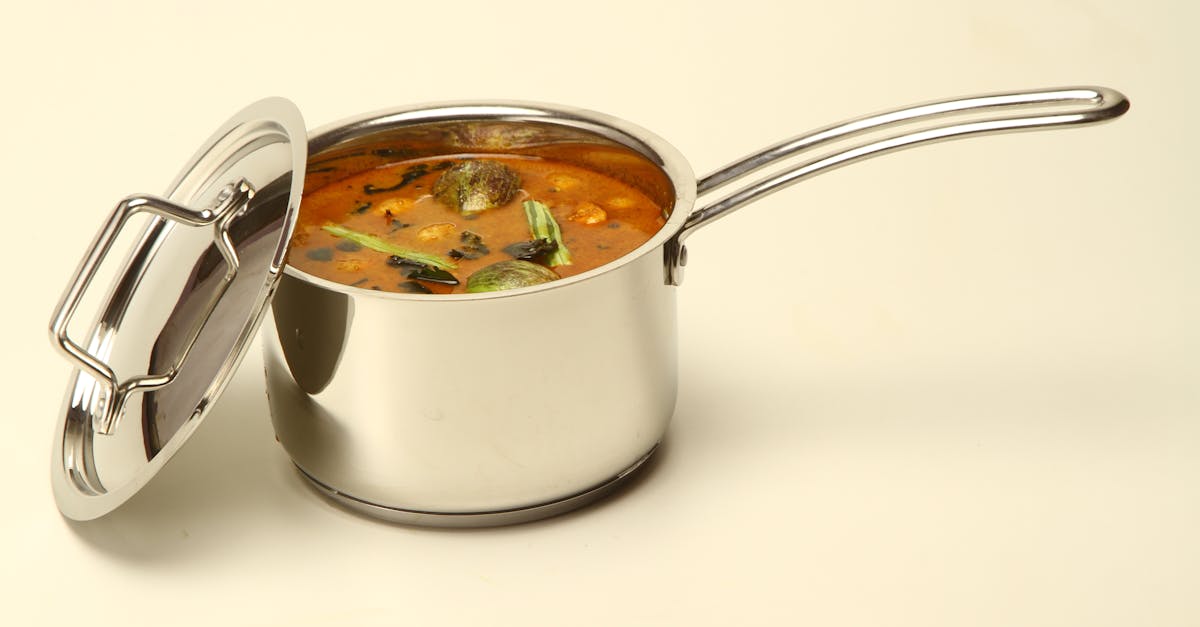
Black-eyed peas with stewed tomatoes is a simple, savory dish I make when I want warming comfort with bright acidity. I learned to cook this recipe the way my grandmother did: slow simmer, bold aromatics, and a final splash of acid to wake the flavors. That method gives beans that hold shape and a sauce that tastes like sunshine, a reliable one-pot weekday meal. Which means you get big flavor from modest effort.
Key Takeaways
- This black eyed peas with stewed tomatoes recipe delivers big flavor from modest effort by slow-simmering aromatics, stewed tomatoes, and a finishing splash of vinegar or lemon to brighten the stew.
- Use soaked dried beans for best texture or three 15-oz cans (rinsed) for a fast swap, and choose stovetop, Instant Pot, or slow cooker to match your schedule.
- Toast smoked paprika and cumin with sautéed onion and garlic to build deep, smoky-umami flavor without meat, or add bacon/ham hock/sausage for a meaty version.
- Finish by mashing a cup of beans into the pot to thicken naturally and adjust texture with extra broth or uncovered simmering as needed.
- Make ahead: refrigerate up to 3 days or freeze 2-cup portions for 3 months, and reheat gently with a splash of broth to preserve bean texture and flavor.
Why This Recipe Works
This recipe balances three things: cooked beans for creamy body, stewed tomatoes for acidity and umami, and aromatics for depth. Cooked black-eyed peas provide a tender texture and 8 grams of protein per 100 grams cooked, which means they fill you up and support muscle repair. Stewed tomatoes add concentrated tomato flavor and about 20 mg of vitamin C per 100 grams, which means you get brightness and nutrients in every spoonful.
I prefer long, gentle simmering because it softens the beans while concentrating flavors. That gentle simmer gives the sauce time to thicken naturally, which means you avoid watery, dull results. I also use a small amount of acid (vinegar or lemon) at the end to brighten the stew. That finish lifts the dish, which means each bite tastes fresher and less one-note.
One more why: this dish scales well. I can make 6 cups to feed a family or 2 cups for meal prep with the same basic method. That flexibility means you save time and reduce food waste.
Ingredients You’ll Need
I list quantities for about 6 servings. Adjust portions up or down as needed.
- 2 cups dried black-eyed peas (or 3 × 15-oz cans cooked beans)
- 1 large onion, diced
- 3 cloves garlic, minced
- 1 green bell pepper, diced (optional)
- 2 × 14.5-oz cans stewed tomatoes
- 4 cups low-sodium chicken or vegetable broth
- 2 tsp smoked paprika
- 1 tsp ground cumin
- 1 bay leaf
- 1–2 tsp kosher salt (to taste)
- 2 tbsp olive oil
- 1 tbsp apple cider vinegar or 1 tbsp fresh lemon juice
- Fresh parsley or scallions to finish
Which means: these items give you a savory base, acidic lift, and finishing freshness that combine into a balanced stew.
Dry and Canned Bean Options
I use dried beans when I plan ahead because 2 cups dried yield about 6 cups cooked. That yield provides roughly 12 servings at 1/2-cup each, which means excellent value for cost and calories.
Canned beans save time: a 15-oz can yields about 1.5 cups drained beans, which means three cans substitute for 2 cups dried. Canned beans can be higher in sodium, which means you should rinse them well and use low-sodium broth.
Pantry Staples and Flavor Builders
Smoked paprika and a bay leaf are small investments that change the stew’s profile significantly. Smoked paprika adds 1 teaspoon of warm, smoky flavor, which means the stew tastes fuller without meat.
Olive oil, broth, and stewed tomatoes form the cooking medium. Using low-sodium broth reduces total sodium by up to 40% compared with standard broths, which means the dish is heart-friendlier by default. (Source: USDA sodium comparisons.)
Step‑By-Step Cooking Method
I break the method into four clear stages so you can follow along confidently.
Preparing the Beans (Soaking, Quick Soak, or Using Canned)
If I use dried beans, I rinse them first. That rinsing removes dust and loose skins, which means cleaner cooking liquid.
Overnight soak: cover beans by 3 inches of water and soak 8–12 hours. Soaked beans cook in about 45 minutes, which means shorter stove time and more even texture.
Quick soak: bring beans and water to a boil for 2 minutes, remove from heat, cover, and let stand 1 hour. This reduces cooking time by roughly 30–40%, which means you can salvage last-minute plans.
Canned: drain and rinse under cold water for 30 seconds. Rinsing cuts sodium by about 40%, which means a less salty final dish.
Building the Flavor Base (Sautéing Aromatics and Spices)
I heat 2 tablespoons oil in a heavy pot over medium heat. Add onion and bell pepper and cook 6–8 minutes until soft, which means the base tastes sweet and mellow rather than sharp.
Add garlic and spices and cook 30–60 seconds until fragrant. That brief toasting releases the essential oils in spices, which means deeper flavor without bitterness.
I often sprinkle in 1 teaspoon smoked paprika and 1 teaspoon cumin. Those spices give warm notes and a subtle earthiness, which means the stew gains complexity even with few ingredients.
Simmering With Stewed Tomatoes and Broth
To the aromatics I add the stewed tomatoes (with juices), the bay leaf, and the broth. I bring to a boil, then reduce to a gentle simmer. If using soaked beans, I add them now: if using canned, I add them toward the end. Simmer time for soaked beans is 35–45 minutes, which means the beans will be tender but intact.
I check for seasoning at the 30-minute mark. I usually add 1 teaspoon salt then and adjust later, which means the final balance accounts for concentration during simmering.
Finishing Touches and Texture Adjustments
When beans are tender, I remove the bay leaf and mash about 1 cup of beans against the pot with a wooden spoon. That technique thickens the sauce naturally, which means you avoid extra starches or thickeners.
I finish with 1 tablespoon vinegar or lemon juice and 1 tablespoon chopped parsley. The acid brightens the dish, which means flavors taste sharper and more layered.
If the stew is too thick, I add up to 1 cup more broth. If it’s too thin, I simmer uncovered 5–10 minutes. Small changes produce big effects, which means you can dial texture precisely.
Time‑Saving Variations (Slow Cooker, Instant Pot, Stovetop)
I use three main methods depending on time and equipment. Each method delivers a slightly different texture and cook time, which means you can choose based on schedule and taste.
- Stovetop: Total active time ~20 minutes, simmer 35–45 minutes for soaked beans. That method gives the best chance to adjust seasoning mid-cook, which means more control over final flavor.
- Slow cooker: 6–8 hours on low for soaked beans or 8–10 hours for unsoaked dried. That long cook yields very soft beans and melded flavors, which means minimal active work for maximum tenderness.
- Instant Pot: 10–12 minutes high pressure for soaked beans, 25–30 minutes for unsoaked. Quick-release or natural release both work: natural release by 10 minutes prevents splitting. Pressure shortens time dramatically, which means you can make this dish before dinner in under an hour.
Stat: Using an Instant Pot cuts total cook time by roughly 60% compared to stovetop for unsoaked beans, which means you save significant time without sacrificing flavor.
Protein and Dietary Variations
I alter protein and fats to match diets or mood. Each swap affects texture, sodium, and cooking time, which means the dish can be tuned for health or indulgence.
Vegetarian and Vegan Options
I keep this vegan by using vegetable broth and skipping meat. For richer mouthfeel, I add 1 tablespoon tomato paste and 2 tablespoons olive oil. That addition increases umami and fat, which means the stew feels more satisfying.
A protein boost comes from adding 1 cup cooked quinoa per 6 servings. That quinoa adds about 4 grams extra protein per serving, which means the meal becomes more complete.
Smoky or Meaty Versions (Bacon, Ham Hock, Sausage)
I sometimes fry 4 slices chopped bacon and use the fat for sautéing. Browning the bacon for 6 minutes adds smoky fat, which means a deeper savory base.
A ham hock braised in the stew for 90 minutes releases collagen and salt, which means the sauce gains body and a clearer smoky pork flavor.
Using smoked sausage (12 oz sliced) cooks 8–10 minutes in the pot and adds about 18 grams of protein per 3-ounce serving, which means the dish turns into a hearty main.
Spice Level and Regional Flavor Tweaks (Creole, Southern, Caribbean)
Creole: add 1 tsp cayenne and 2 tsp Creole seasoning. That kick increases spiciness and aromatic herbs, which means a bold New Orleans-style dish.
Southern: add a ham hock and finish with hot sauce to taste. That combo adds smoky salt and acidic heat, which means classic soul-food comfort.
Caribbean: add 1 tsp allspice, 1/2 tsp ground thyme, and 1 Scotch bonnet (whole) while simmering. That change brings fruity heat and warm spice notes, which means a lively island flavor.
Serving Suggestions and Pairings
I like to serve these beans with one or two simple sides so the meal feels balanced and complete. Thoughtful pairings change the experience, which means the same stew can feel homey or celebratory.
Grains, Greens, and Bread Pairings
Serve over steamed white rice for a classic combination: 1 cup cooked rice absorbs sauce and stretches the dish, which means more servings per batch.
For a whole-grain option, use farro or brown rice: 1 cup cooked farro adds 5 grams of fiber per serving, which means more satiety and digestive benefit.
Bread: a crusty baguette or cornbread pairs well. Cornbread adds a slightly sweet crumb, which means a contrast that many find comforting. I sometimes serve with a side salad of kale with lemon vinaigrette to add freshness, which means the meal has bright, bitter counterpoints.
How to Build a Balanced Meal With Sides
Aim for a plate ratio: 1/2 vegetables, 1/4 grains, 1/4 protein/stew. That ratio supports balanced macronutrients, which means better meal satisfaction and steady energy.
If you want extra protein, top with a fried egg (6 grams protein) or add shredded rotisserie chicken (about 24 grams per 3-ounce portion), which means the dish becomes more filling without changing core flavor.
Storing, Reheating, and Freezing Tips
I store leftovers differently depending on how quickly I will reheat them. Proper storage protects texture and flavor, which means better meals later.
Make‑Ahead Prep and Meal Prep Strategies
You can make this stew 3 days ahead and refrigerate in an airtight container. That fridge life keeps quality and safety, which means convenient weekday lunches.
For freezer storage, cool the stew completely, portion into 2-cup containers, and freeze up to 3 months. Frozen portions thaw overnight in the fridge, which means you have ready meals for quick reheating.
Reheating Without Losing Texture or Flavor
Reheat gently over low heat with a splash of broth, 1–2 tablespoons per cup, to restore moisture. That small addition prevents dry beans, which means the stew maintains a fresh texture.
If microwaving, cover and heat in 60-second bursts, stirring between intervals. Stirring distributes heat and prevents hot spots, which means even reheating and less chance of splitting beans.
Nutrition Snapshot and Health Benefits
One serving (about 1 cup) of black-eyed peas with stewed tomatoes provides roughly: 220 calories, 12 g protein, 9 g fiber, and 6 g fat (depending on oil and meat). Those numbers vary by recipe choices, which means you can nudge the dish toward weight management or higher-calorie comfort.
Macronutrients, Fiber, and Micronutrients in Black‑Eyed Peas With Tomatoes
Black-eyed peas: 100 g cooked contains about 8 g protein and 8 g fiber. That fiber content supports gut health and slows glucose absorption, which means steadier blood sugar after meals. (Source: USDA FoodData Central.)
Tomatoes: stewed tomatoes add lycopene, an antioxidant shown to support heart health at higher dietary intakes, which means this dish contributes beneficial plant compounds.
How To Make This Dish Lower Sodium or Lower Fat
To lower sodium, use low-sodium broth and rinse canned beans. Rinsing reduces sodium by up to 40%, which means a noticeable drop in total dish sodium.
To lower fat, reduce oil to 1 tablespoon and skip bacon. That swap cuts total fat per serving by roughly 4–6 grams, which means fewer calories without losing base flavor.
Common Problems and Troubleshooting
I run into the same issues often and use simple fixes. Each fix targets the root cause, which means you learn a repeatable kitchen habit.
Beans That Stay Hard or Mushy, What To Do
Hard beans: they likely are old or undercooked. Try boiling with a pinch of baking soda (1/8 tsp per quart) to speed softening: baking soda raises pH and softens pectin, which means beans cook faster. If beans stay hard after 45 minutes, continue simmering and taste every 10 minutes.
Mushy beans: they were overcooked or the pot boiled too hard. To rescue texture, stir in 1 cup of cooked, undamaged beans or drain off some liquid and add fresh stewed tomatoes to rebalance. That action restores body, which means the stew regains pleasant bite.
Tomato Acidity, Bitterness, or Watery Sauce Fixes
Tomato acidity: add 1 teaspoon sugar or 1 tablespoon butter to mellow sharpness. That small addition balances acid, which means the stew tastes rounder.
Bitterness from overcooked garlic or spices: remove any burnt bits and add 1 tablespoon honey or 1 tablespoon tomato paste. That counters bitterness, which means the overall flavor returns to harmony.
Watery sauce: mash 1 cup beans into the pot or simmer uncovered 10–15 minutes to reduce. Those techniques thicken naturally, which means you avoid cornstarch or flour.
Conclusion
I cook black-eyed peas with stewed tomatoes because the dish is forgiving, nourishing, and flexible. A dependable base plus small tweaks, acidity, smoked spice, or a ham hock, changes the meal to match the day. The recipe will hold up whether you use an Instant Pot to save 60% time, a slow cooker for hands-off comfort, or stovetop for midcourse seasoning. That adaptability means you can make this stew weekly and never tire of it.
If you want side ideas, try serving with crusty bread or a simple kale salad, or pair with a savory cornbread recipe to soak up the sauce. For a slow-cooker take that cooks while you work, see a selection of slow cooker mains for inspiration like the slow turkey recipes I use sometimes, which means you can plan hands-off dinners without losing flavor. (Related: Wild Turkey Slow Cooker Recipes).
For a bright, herb-forward side, I often follow a simple hush-puppy or savory fritter: a good option I like is a zucchini fritter that pairs well with tomato-rich stews, which means crisp texture and vegetable balance. (See Zucchini Basil Hush Puppies Recipe for a similar approach.)
If you want to adapt the stew into a one-pan dinner with meat, try adding sliced sausage mid-simmer and serve with a buttery polenta: the polenta absorbs sauce beautifully, which means a filling, crowd-pleasing dinner. For meatball or richer pairings, you might enjoy a heavy cream pasta or beef comfort recipes that match the soulful mood of this stew. (Try related hearty mains like Beef Stroganoff With Potatoes Recipe for inspiration.)
Go ahead, pick your bean option, choose a cooking method, and make a pot. You’ll have a week’s worth of lunches or a cozy dinner that tastes like it took longer than it did, which means efficient cooking with real, comforting results.
Frequently Asked Questions
What is the best method for cooking black eyed peas with stewed tomatoes to get tender but intact beans?
For tender, intact beans, soak dried black-eyed peas overnight (8–12 hours) then simmer gently 35–45 minutes in stewed tomatoes and broth. Keep heat low to avoid splitting, check seasoning at 30 minutes, and mash a cup of beans at the end to naturally thicken the sauce.
Can I use canned beans for this black eyed peas with stewed tomatoes recipe, and how should I adjust?
Yes. Use three 15‑oz cans (drained, rinsed) in place of 2 cups dried cooked beans. Add canned beans toward the end of simmering to prevent mushiness, taste for salt (canned beans are saltier), and reduce initial broth or simmer briefly to achieve desired texture.
How can I adapt this black eyed peas with stewed tomatoes recipe for vegetarian or vegan diets without losing richness?
Use vegetable broth and skip meat. Boost mouthfeel with 1 tbsp tomato paste and 2 tbsp olive oil, or stir in cooked quinoa for extra protein. Finish with lemon or vinegar and parsley for brightness so the plant-based version remains savory and satisfying.
What are quick time-saving options (Instant Pot or slow cooker) for making black-eyed peas and stewed tomatoes?
Instant Pot: 10–12 minutes high pressure for soaked beans or 25–30 minutes for unsoaked; natural release helps prevent splitting. Slow cooker: 6–8 hours low for soaked beans, 8–10 hours for unsoaked. Both methods reduce active work while delivering tender beans and melded flavors.
How do I fix common problems like watery sauce, bitter tomatoes, or beans that stay hard?
For watery sauce, mash 1 cup beans or simmer uncovered 10–15 minutes. To tame tomato acidity, add 1 tsp sugar or 1 tbsp butter. Hard beans may be old or undercooked—continue simmering or add 1/8 tsp baking soda per quart to speed softening and retest every 10 minutes.
