
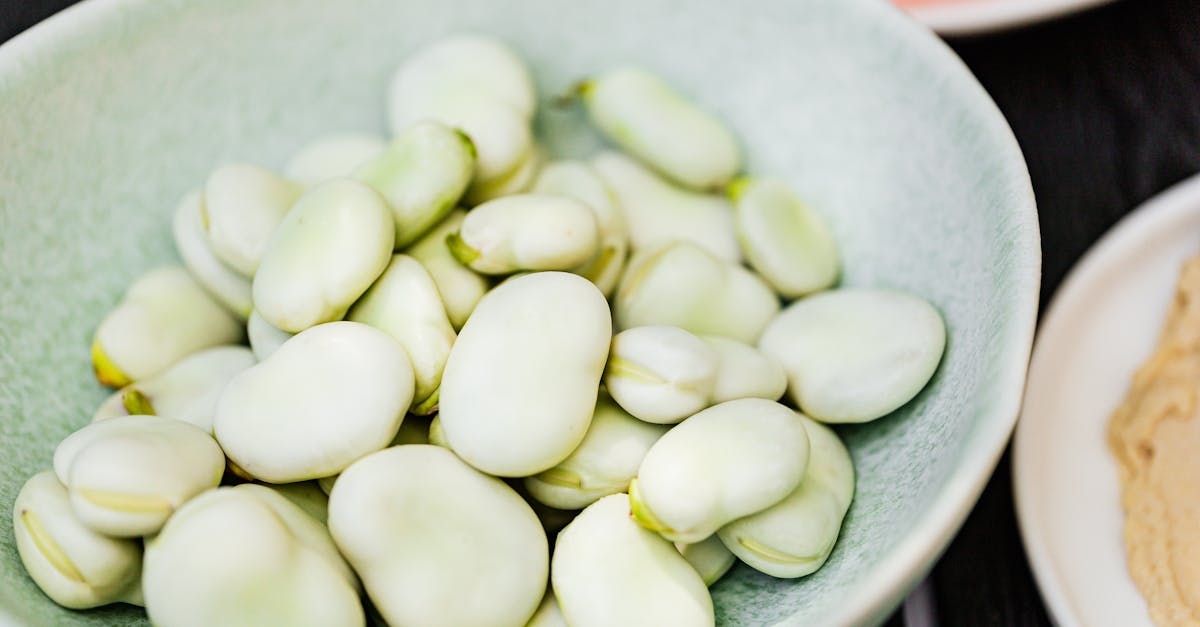
I have cooked beans every week for years. They saved dinners, fed guests, and stretched my grocery budget. In this guide I share clear, tested methods, quick recipes, and menu ideas so you can use beans with confidence. I start with why beans matter and end with storage and scaling tips. Expect practical steps, exact numbers, and things I learned the hard way.
Key Takeaways
- Bean recipes stretch your grocery budget and deliver big nutrition—one cup of cooked beans supplies about 15 g protein and 15 g fiber, letting you feed four people for roughly $2–$4 when beans are the main protein.
- Choose dried beans for cost-efficient batch cooking (1 lb dry → ~6–7 cups cooked) and canned beans for speed, and rinse cans to cut sodium by ~40% and improve flavor.
- Soak or quick-soak dried beans and salt them near the end of cooking while adding acids (vinegar or lemon) at the finish to preserve texture and brighten flavor.
- Use versatile techniques—pressure cooker (20–30 min soaked), stovetop (1–2 hr), slow cooker (6–8 hr), or oven (325°F 1.5–2 hr)—and pre-boil red kidney beans 10 minutes for safety.
- Batch-cook and freeze beans in 2-cup portions, keep at least five bean types in your pantry, and try one new bean recipe per week to build variety and reduce weekly cooking time.
Why Cook With Beans
Beans give you big nutrition for little money, which means you can feed four people for roughly $2–$4 per meal when beans are the main protein. A typical 1-cup serving of cooked beans contains about 15 grams of protein and 15 grams of fiber, which means they support muscle repair and gut health. Beans also store well dry and canned, which means you can buy in bulk and avoid weekly shopping trips.
Surprise: beans vary in sodium and processing. One 15-ounce can of beans can contain 300–600 mg of sodium, which means rinsing reduces sodium by about 40% and improves flavor control. I learned this when I tasted two otherwise identical chili batches and the canned-bean version tasted salty: rinsing fixed it.
Quick fact: Americans eat about 10 pounds of dry beans per person per year, which means many cooks rely on beans but still underuse them in varied dishes. I use beans for breakfasts, lunches, dinners, and even desserts, because they adapt easily and hold flavor.
“Beans are inexpensive, nutrient-dense fuel,” I tell friends, which means you can plan cheap, filling meals without sacrificing taste.
Essential Types Of Beans And How To Choose Them
Choosing the right bean changes texture and taste, which means your dish will either sing or fall flat.
Dried Vs. Canned: Pros, Cons, And When To Use Each
- Dried beans cost about $1.50 per pound and expand 2.5–3x when cooked, which means a single pound yields roughly 6–7 cups cooked. This makes dried beans ideal for batch cooking.
- Canned beans save time: a 15-ounce can yields about 1.5 cups cooked, which means they are great for last-minute meals.
Table: Quick comparison
| Feature | Dried Beans | Canned Beans |
|---|---|---|
| Cost per cooked cup | ~$0.15 | ~$0.60 |
| Shelf life | 2+ years dry | 2–5 years sealed |
| Prep time | 12–24 hr soak or 1–2 hr cook | Ready in minutes |
I use dried beans when I plan ahead and need price-efficiency. I use canned when I need speed. Which means you pick based on time and budget.
Common Bean Varieties And Best Uses (Black, Pinto, Cannellini, Chickpeas, Lentils, Etc.)
- Black beans: firm, earthy. Use in chilis, burritos, salads. They hold shape when simmered, which means texture stays pleasant in slow-cooked dishes.
- Pinto beans: creamy when mashed. Use for refried beans and stews, which means they give smooth mouthfeel to tacos.
- Cannellini (white kidney): soft, mild. Use in soups and Mediterranean salads, which means they absorb herbs and citrus well.
- Chickpeas (garbanzo): nutty, firm. Use in hummus and roasted snacks, which means they crisp up in high heat and puree to a creamy spread.
- Lentils: quick-cooking, high-protein. Use in soups and salads: red lentils cook in 12–15 minutes, which means they are perfect for fast weeknight soups.
Concrete stat: I roast chickpeas at 425°F for 25 minutes and they lose about 20% of their weight from moisture loss, which means you get a dense, crunchy snack that keeps for 3 days in an airtight jar.
Personal note: I keep at least five bean types in my pantry. That habit means I rarely skip a planned recipe because a bean is missing.
Kitchen Techniques For Perfect Beans
Small technique changes shift your results a lot, which means learning one method pays off across dozens of recipes.
Soaking, Rinsing, And Preparing Dried Beans
Soaking reduces cook time and can reduce oligosaccharides, which means people report less gas. I use two methods:
- Long soak: cover beans with 3 inches of water for 8–12 hours, then drain and rinse. This cuts cooking time by about 30–40%, which means less time over the stove.
- Quick soak: boil 2 minutes, cover for 1 hour, then drain. This saves you overnight planning but still speeds cooking.
Tip: discard soaking water, which means you remove some indigestible sugars and surface dirt. I always rinse canned beans under cold water, which means I remove excess sodium and can control final taste.
Cooking Methods: Stovetop, Pressure Cooker, Slow Cooker, And Oven
- Stovetop: simmer 1–2 hours for most beans, which means you watch for foam and add water to keep beans submerged.
- Pressure cooker (electric): 20–30 minutes for most beans from soaked, which means you save 60–70% of cook time. I cook black beans in a pressure cooker for 20 minutes soaked, which means they are tender but not mushy.
- Slow cooker: 6–8 hours on low for soaked beans, which means the kitchen fills with aroma and you can leave it unattended.
- Oven: bake beans covered at 325°F for 1.5–2 hours, which means you free up stovetop space and get uniform heat.
Safety note: Do not cook red kidney beans in a pressure cooker without pre-boiling 10 minutes: raw kidney beans contain phytohemagglutinin, which means short boiling neutralizes it. Exact hazard: raw or undercooked kidney beans can cause nausea: I pre-boil them 10 minutes, which means I remove the toxin.
Flavoring Tips: Aromatics, Herbs, Acids, And Seasoning Timing
- Add aromatics (onion, garlic, bay leaf) early, which means the beans infuse with base flavor.
- Add salt after beans soften, which means the skins won’t toughen. I add 1–1.5 teaspoons kosher salt per pound of dried beans near the end of cooking, which means the final dish tastes bright without hard skins.
- Add acid (vinegar, lemon) at the end, which means beans keep a tender texture and the acid brightens flavor.
Concrete example: I cook a pot of cannellini beans for 75 minutes and add 1 tablespoon lemon juice in the last 5 minutes, which means the beans taste fresher and the broth becomes tangy.
Quick Weeknight Bean Recipes (30–45 Minutes)
I rely on fast bean recipes on busy nights, which means I keep ready beans and a short list of staples.
One-Pot Black Bean Chili
I use canned black beans or pre-cooked dried beans. Ingredients: 2 cans black beans (or 3 cups cooked), 1 lb ground turkey or mushrooms, 1 onion, 2 cloves garlic, 1 can crushed tomatoes, 1 tbsp chili powder, 1 tsp cumin, 2 cups broth. Cook time: 30 minutes. Yield: 4 servings.
Method: sauté onion and protein 6 minutes, add spices 1 minute, add beans and tomatoes, simmer 15 minutes. Nutrient note: a serving has about 20 g protein and 8 g fiber, which means it fills you and supports digestion.
Spiced Chickpea Tacos With Quick Slaw
I roast canned chickpeas for crunch. Ingredients: 2 cans chickpeas (drained), 1 tsp smoked paprika, 1 tsp cumin, 8 corn tortillas, quick slaw of cabbage, lime, and yogurt. Roast chickpeas at 425°F for 18–22 minutes. Time: 30–40 minutes. Yield: 4 people.
Fact: roasting reduces chickpea moisture by ~15–20%, which means you get a crunchy texture similar to fried fillings without deep frying.
Mediterranean White Bean Salad With Lemon Vinaigrette
I toss cannellini beans with cherry tomatoes, cucumber, red onion, parsley, 2 tbsp olive oil, 1 tbsp lemon juice, salt and pepper. Prep: 10 minutes. Serve chilled. A cup contains about 12 g fiber, which means this salad supports satiety and steady blood sugar.
Link: For a complementary breakfast idea using beans and eggs, try my riff on buttermilk crepes for weekend brunch buttermilk crepes recipe, which means you can pair light crepes with savory beans for a balanced meal.
Comforting Bean Meals For Hearty Dinners
Comfort food often uses long cooking to develop flavor, which means beans shine in slow, savory recipes.
Classic Bean And Ham Soup Or Vegetarian White Bean Stew
I make ham-and-bean soup with 2 cups dried navy beans (soaked), 2 cups ham, 4 cups broth, carrots, celery, and thyme. Cook 90 minutes stovetop or 30 minutes in pressure cooker. Yield: 6–8 servings. A pot delivers about 18 grams protein per serving, which means it’s a full meal.
Vegetarian swap: use smoked paprika and mushrooms for umami, which means you keep deep flavor without meat.
Cassoulet-Style Baked Beans With Sausage Or Mushrooms
I braise white beans with sausage or roasted mushrooms, 2 cups cooked beans, 1 lb sausage, 1 cup tomato, and breadcrumbs baked 25 minutes at 375°F. The dish forms a brown crust, which means you get a toothsome contrast to creamy beans.
Creamy Bean Mash And Bean-Based Casseroles
I mash cannellini or butter beans with olive oil, garlic, and parmesan for a side similar to mashed potatoes. One cup mashed contains about 10 g protein, which means it adds body and nutrition to a plate.
Practical warning: casseroles dry out if baked uncovered more than 30 minutes, which means you cover dishes early and finish uncovered for 10 minutes to brown the top.
Global Bean Recipes To Expand Your Menu
Trying world recipes stretches technique and flavor, which means you learn new uses for the same beans.
Latin American: Feijoada, Refried Beans, And Cuban Black Beans
Feijoada is Brazil’s black bean stew with pork. I cook 4 cups black beans with 1.5 lb pork cuts and orange peel for 2 hours. Cultural stat: feijoada festivals serve thousands, which means the dish feeds crowds well.
Refried beans: I mash pinto beans with lard or oil and fry 6–8 minutes. One cup yields 12 g protein, which means they make a hearty taco base.
Cuban black beans: cook with green bell pepper, cumin, and 1 bay leaf. I simmer 45 minutes, which means flavors meld and the broth thickens.
Mediterranean And Middle Eastern: Hummus, Fasolia, And Gigantes
Hummus uses chickpeas and tahini. I blend 2 cups cooked chickpeas with 3 tbsp tahini, 2 tbsp lemon, and 1 clove garlic. Texture note: adding 2 tbsp aquafaba or reserved chickpea liquid gives silkier hummus, which means you reach restaurant texture at home.
Fasolia: a Greek white bean stew with tomato and olive oil, which means beans pair well with bright citrus and herbs.
Gigantes: Greek giant beans baked in tomato sauce: bake 45 minutes at 350°F, which means the sauce reduces and glazes the beans.
Asian: Red Bean Desserts, Soy-Based Dishes, And Adzuki Preparations
Adzuki beans sweeten Asian desserts. I simmer 2 cups adzuki beans with 1 cup sugar for 40 minutes for a red bean paste. One serving of red bean paste contains about 6 g fiber, which means it’s a filling dessert.
Soy-based notes: soybeans require longer cooking and sometimes fermentation, which means you use them differently than common pulses.
Healthy And Dietary-Friendly Bean Ideas
Beans support many diets and conditions, which means they belong in varied meal plans.
High-Protein, Plant-Based Meals And Vegan Swaps
I replace half the meat in chili with beans to cut cost and raise fiber. Example: 1 lb ground beef + 2 cups beans becomes 50% plant-forward, which means you lower saturated fat while keeping satisfaction.
Protein stat: 1 cup cooked lentils has 18 g protein, which means lentils match many animal proteins in protein content.
Low-FODMAP, Gluten-Free, And Kidney-Friendly Considerations
Some beans contain FODMAPs that trigger symptoms, which means people on low-FODMAP diets should limit servings to 1/2 cup canned chickpeas. The Monash University test shows canned chickpeas in 1/2 cup are lower in FODMAPs, which means portion control matters.
Kidney disease: beans are high in potassium and phosphorus, which means people with CKD should consult a dietitian before increasing bean intake.
Ways To Reduce Gas And Improve Digestibility
- Soak and discard water, which means you reduce oligosaccharides.
- Add kombu or baking soda during cooking: 1 tsp baking soda per quart of water reduces cook time by ~25%, which means beans soften faster but you must rinse well to avoid soapy taste.
- Eat beans regularly to adapt gut flora, which means gas often decreases over 2–3 weeks.
Meal Prep, Storage, And Scaling Recipes
Planning saves time and reduces waste, which means you get dinners ready on busy days.
Batch Cooking Beans And Freezing Tips
I cook 8 cups dried beans and freeze in 2-cup portions. Freezer stat: cooked beans keep 3–6 months, which means you have quick-ready protein on hand. To freeze: cool completely, pack in airtight containers, and leave 1/2-inch headspace.
Using Leftover Beans: From Salads To Smoothies
Leftover beans turn into salad toppings, spreads, and even smoothies. I add 1/2 cup white beans to a green smoothie for 6 g protein and creamy texture, which means you increase protein without adding dairy.
Recipe idea: blend 1 cup cooked cannellini, 1 banana, 1 cup almond milk, 1 tbsp honey for a 300-calorie smoothie that tastes neutral and creamy, which means beans disappear into sweet blends.
Scaling Recipes For Families, Potlucks, And Meal Kits
To scale: multiply cooked bean volume by number of servings. One cup dried yields about 3 cups cooked, which means 1 pound dried (2 cups) yields 6 cups cooked. If you need 20 servings of chili at 1/2 cup beans each, cook 10 cups, which means start with about 3.5 pounds dried.
Practical tip: when serving large crowds, use canned beans for speed and dried beans for cost. I use a 2:1 mix, two parts dried to one part canned, which means I get both economy and convenience.
Conclusion
I started cooking beans out of necessity and stayed for the flavor, which means beans are one of the most practical tools in my kitchen.
Action steps I recommend:
- Keep five bean types in your pantry, which means you can make diverse meals any night.
- Cook a large batch once a week and freeze 2-cup portions, which means you save 2–3 hours of weekly cooking time.
- Salt beans near the end and add acid at the finish, which means you preserve texture and brighten flavor.
Final note: beans reward curiosity. Try one new bean recipe per week for a month and you will gain textures, flavors, and staples that simplify cooking. For recipe inspiration that pairs beans with treats and other dishes, see my notes on buttermilk crepes and a savory brioche sandwich collection, which means you can build menus that surprise guests and please regulars.
Quote: “A pot of beans can feed a crowd and teach patience,” I say when friends ask what to cook for a house party, which means beans are practical, economical, and endlessly useful.
Frequently Asked Questions about Bean Recipes
Why cook with beans and how do bean recipes save money?
Beans are nutrient-dense and inexpensive: one cooked cup provides ~15 g protein and 15 g fiber, and dried beans cost about $0.15 per cooked cup. Using beans as the main protein can feed four people for roughly $2–$4 per meal, stretching your grocery budget without sacrificing nutrition.
Dried vs. canned — which should I use in bean recipes?
Use dried beans for cost-efficiency and batch cooking (1 lb dry → ~6–7 cups cooked). Use canned for speed and convenience (15-oz can ≈ 1.5 cups). Choose based on time and budget: dried for planning ahead, canned for last-minute meals or smaller batches.
What are the best techniques and timing for seasoning in bean recipes?
Add aromatics early for base flavor, salt near the end (1–1.5 tsp kosher salt per pound) to avoid tough skins, and add acids (vinegar, lemon) at the finish to brighten taste. These timing rules keep beans tender while maximizing flavor.
Can I pressure-cook dry beans without soaking for fast bean recipes?
Yes — many electric pressure cookers can cook unsoaked beans, but times increase (often 30–45 minutes) and you may need more water. For kidney beans, always pre-boil 10 minutes to destroy toxins before pressure cooking. Soaking still reduces cook time and may improve digestibility.
Are canned beans safe after the expiration date and how should I store them?
Canned beans often remain safe past the printed date if the can is undamaged and stored cool, dry, and sealed; quality (texture/flavor) declines over years. Once opened, refrigerate in a sealed container and use within 3–4 days, or freeze cooked beans for 3–6 months.
