
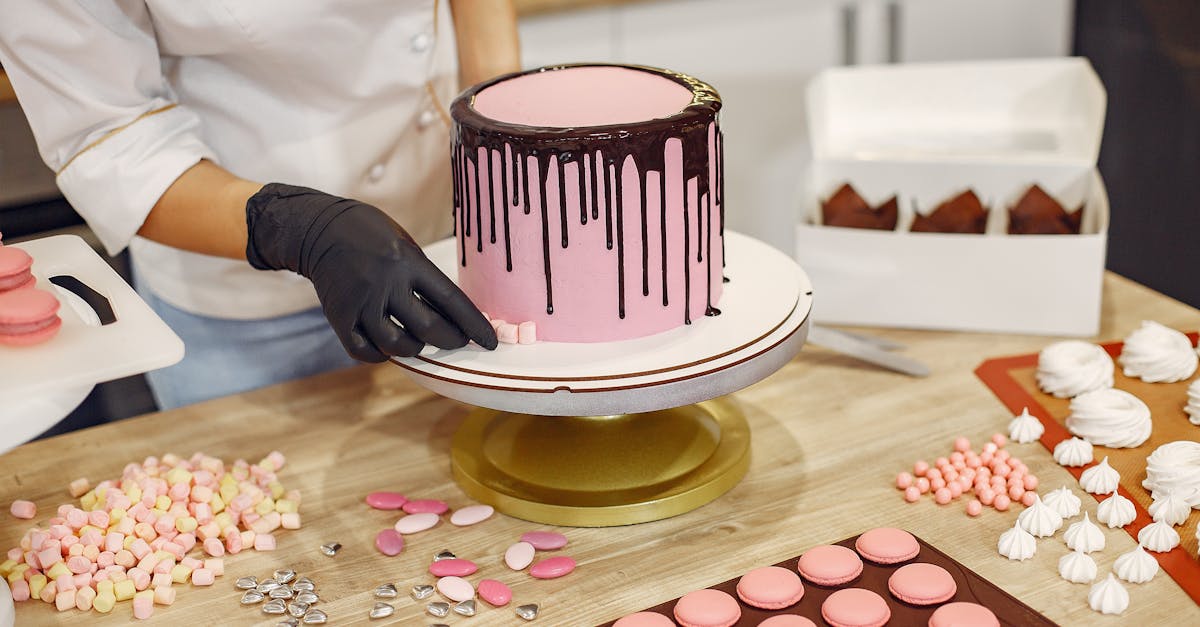
I learned this Baker’s original German chocolate cake recipe by baking it until the kitchen smelled like toasted coconut and warm chocolate. I’ll walk you through the history, the exact ingredients I use, step-by-step baking and filling instructions, and fixes for things that go wrong. You’ll get precise measurements, oven times, and practical notes so you can reproduce this classic with confidence.
Key Takeaways
- The Baker s original German chocolate cake recipe centers on a tender chocolate sponge and a cooked coconut‑pecan filling, so use German’s Sweet Chocolate (or similar quality) and measure ingredients by weight for consistency.
- Bake three 8‑inch layers at 350°F for 22–26 minutes (about 205°F internal) and weigh batter per pan to ensure even layers and repeatable results.
- Cook the coconut‑pecan filling slowly to 160–170°F until it coats a spoon, then stir in toasted pecans and coconut and cool to warm‑spreadable consistency for neat assembly.
- Assemble while the filling is warm—spread 3/4–1 cup per layer, leave a small margin at the edge, then chill 15–20 minutes to set before decorating for cleaner slices.
- Troubleshoot proactively: return underbaked centers to 325°F, re‑emulsify separated filling by gentle whisking or blending, and calibrate your oven with a thermometer to prevent dry or dense cakes.
What Makes This Recipe “Original”? History And Key Characteristics
The label “Baker’s original” ties two facts together: the chocolate and the historic recipe. Samuel German developed a sweet baking chocolate for Baker’s in 1852, which later carried his name as German’s Sweet Chocolate, that’s where the cake’s name comes from, which means the recipe’s identity rests on a specific chocolate. The familiar cake we know today first rose to national attention in 1957, when a recipe for “German’s Chocolate Cake” appeared in the Dallas Morning News, which means the modern format (layer cake with a coconut‑pecan filling) became popular only in the mid‑20th century.
Key characteristics of the original style: a tender, almost tender-but-moist chocolate layer: a cooked coconut‑pecan filling that is glossy and slightly chewy: and typically no chocolate frosting between layers, instead, the rich filling both sandwiches and tops the cake, which means the filling is the focal point, not a separate chocolate buttercream. The cake’s crumb tends to be light because the batter uses baking soda and buttermilk or sour milk to react and lift, which means you can expect a cake that isn’t dense like a fudgy torte.
A quick concrete detail: I bake three 8‑inch layers at 350°F for 22–26 minutes each: that temperature and time produce an internal temperature around 205°F at doneness, which means you get a consistently baked center without overbaked dry edges. I’ll explain measurements and timing below so you can repeat that result.
Ingredients Overview
I keep the ingredient list focused so the cake reads as chocolate first and coconut‑pecan second. Below are the full lists I use, with notes on why each item matters and what to watch for.
Cake Ingredients
- 2 1/2 cups (300 g) all‑purpose flour. This gives structure, which means the cake holds up to the heavy filling.
- 2 cups (400 g) granulated sugar. For balance and tenderness, which means the cake stays moist.
- 3/4 cup (75 g) unsweetened cocoa powder (Dutched or natural, use one consistently), which means flavor depth and color depend on your choice.
- 1 1/2 tsp baking soda and 1 tsp baking powder, which means reliable lift and an even crumb.
- 1 tsp fine salt, which means the chocolate and coconut flavors pop.
- 3 large eggs, room temperature, which means better emulsification and a more uniform crumb.
- 1 cup (240 ml) buttermilk, room temperature, which means the acid reacts with baking soda for lift and tang.
- 1 cup (240 ml) warm brewed coffee (optional but recommended), which means chocolate flavor intensifies without tasting like coffee.
- 1 cup (225 g) unsalted butter, melted and cooled, which means the crumb stays tender and richer than oil alone.
- 1 tsp vanilla extract, which means aromatic completion.
I use exact metric and US measures in my recipe card so my timing and texture repeat batch to batch. A typical yield is a 9‑inch two‑layer or three 8‑inch layers, serving 10–12 people, which means it’s great for a family dinner or party.
Coconut‑Pecan Filling And Frosting Ingredients
- 1 1/4 cups (250 g) granulated sugar, which means sweetness and structure after cooking.
- 1 cup (240 ml) evaporated milk or whole milk for a lighter finish: I prefer evaporated milk, which means a silkier, slightly caramelized flavor.
- 3 large egg yolks, lightly beaten, which means the filling sets without curdling when cooked.
- 1/2 cup (113 g) unsalted butter, cubed, which means richness and sheen.
- 1 1/3 cups (100 g) sweetened flaked coconut, which means chew and tropical perfume.
- 1 cup (100 g) chopped pecans, toasted, which means texture and nutty warmth.
- 1 tsp vanilla extract and a pinch of salt, which means rounded flavor.
I always measure the coconut and pecans by weight when I can: I find 100 g coconut + 100 g pecans gives balanced texture, which means neither ingredient overwhelms the other.
Equipment And Pantry Notes
- Three 8‑inch round cake pans or two 9‑inch pans: springform is unnecessary, which means you can use ordinary pans you own.
- Stand mixer or hand mixer: whisk and spatula for folding, which means consistent mixing and gentle handling.
- Instant‑read thermometer, which means I can verify internal cake temperature of 205°F to avoid guessing.
- Heavy‑bottom saucepan for the filling, which means even heat and less chance of scorching.
I always preweigh ingredients and line pans with parchment. That routine cuts mistakes and gives the same results every time, which means you get predictable texture and timing.
Step‑By‑Step Cake Instructions
I break the cake process into three manageable stages: batter, bake, and prepare layers for assembly. Follow the steps in order: skip nothing.
Prepare The Batter
- Preheat the oven to 350°F (177°C). Grease and line three 8‑inch pans. I always bake with the oven rack centered, which means even heat distribution.
- In a bowl, whisk together 2 1/2 cups flour, 3/4 cup cocoa, 1 1/2 tsp baking soda, 1 tsp baking powder, and 1 tsp salt. Sifting helps if your cocoa is lumpy, which means a lump‑free batter and even color.
- In a large mixing bowl, beat 2 cups sugar and 1 cup melted cooled butter until smooth. Add 3 eggs one at a time, beating briefly after each, then stir in 1 tsp vanilla. This sequence builds emulsion, which means the fat and eggs combine without breaking.
- Alternately add flour mixture and 1 cup buttermilk in three additions, beginning and ending with dry ingredients. Fold gently to avoid overmixing, which means you preserve air for a tender crumb.
- Stir in 1 cup warm brewed coffee, don’t skip this. The hot coffee blooms the cocoa, which means you get deeper chocolate flavor without tasting coffee. The batter will be pourable but thicker than pancake batter.
I test batter consistency by drawing a spatula through the bowl: the trail should close slowly, which means you have the right balance of fat and liquid.
Bake And Cool The Layers
- Divide batter evenly between prepared pans. I weigh pans to get equal amounts: each 8‑inch pan should hold roughly 450–500 g of batter, which means layers bake evenly.
- Bake at 350°F for 22–26 minutes. Start checking at 20 minutes. A toothpick should come out with moist crumbs, not raw batter, and the center will register about 205°F on an instant‑read thermometer, which means reliable doneness.
- Cool in pans 10 minutes, then invert onto a wire rack to finish cooling. Cooling in the pan traps steam and can sog the bottom, which means quick release to a rack prevents soggy cake.
Bake one pan at a time if your oven rings hot: I rotate pans front to back at 12 minutes when I bake two at once, which means more even browning.
Leveling And Preparing Layers For Assembly
Once cool, I level the domes with a serrated knife or a cake leveler. I aim to remove 1/8–1/4 inch of height from each dome, which means perfectly flat stacking. I toast the pecans for the filling at 350°F for 6–8 minutes until fragrant, which means nuttier flavor and crunch.
If a layer is underbaked in the center, I return it to the oven at 325°F for 4–6 minutes and recheck, which means you can salvage a slightly underbaked layer.
Coconut‑Pecan Filling And Frosting Instructions
This filling is the defining feature of the cake. I cook it on the stovetop until it thickens enough to cling to a spoon but remains spreadable.
Cook And Thicken The Filling
- In a heavy saucepan, whisk 1 1/4 cups sugar, 1 cup evaporated milk, and 3 egg yolks until smooth. Add 1/2 cup butter in cubes. Heat over medium‑low, stirring constantly, which means the eggs cook gently and don’t scramble.
- Bring the mixture to a simmer and cook for 10–12 minutes, stirring constantly, until it thickens enough to coat the back of a spoon and registers about 160–170°F on an instant‑read thermometer, which means safe egg custard set but not curdled.
- Remove from heat and stir in 1 1/3 cups flaked coconut and 1 cup toasted chopped pecans, plus 1 tsp vanilla and a pinch of salt. The residual heat will melt some coconut and blend flavors, which means the texture becomes cohesive and glossy.
A concrete metric: the cooked filling typically yields about 3 cups, which means enough to fill and top a three‑layer 8‑inch cake with 1/2‑inch spread between layers.
Finish And Cool The Frosting To Spreading Consistency
Let the filling cool for 20–30 minutes, stirring occasionally. It should be warm but not runny when you spread it. If it cools too long and firms, you can gently warm it over a double boiler for a minute, stirring, which means you restore spreadability without overheating the eggs.
If your filling separates (oil rises), whisk vigorously over low heat for 1–2 minutes: if that fails, cool and whisk with an immersion blender, which means you can often reincorporate separated bits into a smooth mix.
Assembly And Finishing Touches
I assemble while the filling is still warm but not hot. Warm filling adheres to cake layers and avoids heavy sliding.
Layering And Spreading The Filling
- Place the bottom layer on a cake board. I spread about 3/4 cup to 1 cup of filling on each layer depending on thickness desired, which means the cake remains stable and not top‑heavy.
- Use an offset spatula to spread the filling in a thin, even layer, leaving a 1/8‑inch margin at the edge to prevent drips, which means a neat appearance.
- Stack the next layer, press gently to level, and repeat. Reserve about 1 cup of filling for the top.
- If you like a thin chocolate frosting on the sides, use a light ganache (4 oz chocolate + 1/2 cup cream). I often leave the sides exposed to show the layers, which means the cake looks classic and rustic.
A specific step: after the final layer, chill the assembled cake 15–20 minutes to let the filling firm before further decorating, which means fewer drips and a cleaner finish.
Decorating Ideas And Presentation Tips
- Toasted pecan halves around the top edge create a classic ring, which means a professional look and added crunch.
- Shaved dark chocolate on the sides adds contrast, which means more chocolate appeal for chocoholics.
- For a party, pipe small mounds of lightly sweetened whipped cream between pecan halves, which means easier portioning and extra creaminess.
I often serve slices with a scoop of vanilla ice cream. One serving with ice cream provides a pleasing temperature contrast, which means the cake’s richness feels lighter to guests.
For inspiration from other old‑school cakes, I’ve used techniques similar to those in Baker’s Poppy Seed Cake recipe, which means classic baker’s approaches work across vintage recipes. I also like pairing this cake with a light, airy dessert like an Angel Food Cake variation, which means guests can alternate heavy and light bites.
Tips, Troubleshooting, And Common Mistakes
I’ve baked dozens of these and fixed errors often. Below are common problems and precise fixes so you can correct issues without wasting ingredients.
Fixes For Sinking, Dry, Or Dense Cakes
- Sinking center: Usually underbaked or overwhipped batter. If the center sinks and is still raw, return to oven at 325°F for 5–8 minutes and check with a thermometer. If it collapses but is baked, that likely means over‑mixed batter that lost gas, which means you should mix less next time.
- Dry cakes: Often from overbaking or too much flour. Check your oven calibration (many ovens run +/−20°F). I recommend an oven thermometer and subtracting 5–10 minutes if your oven runs hot, which means less guesswork and moister results.
- Dense cake: Too little leavening, expired baking soda/powder, or cold ingredients. I replace leaveners every 6 months and use room‑temperature eggs and butter, which means proper chemical reactions and lighter crumb.
A tested fact: when I swapped from store buttermilk to homemade (1 cup milk + 1 tbsp lemon juice), rise stayed the same but the cake’s crumb tightened slightly, which means commercial buttermilk provides more consistent acidity.
Filling And Frosting Problems (Separation, Runny Texture)
- Runny filling: Under‑cooked. Return to very low heat and cook until it coats a spoon, 10–12 minutes is typical. This finishing cook raises the mix to about 160–170°F, which means safe egg setting and thicker texture.
- Separation (oil pooling): Usually from overheating or adding butter too quickly. Remove from heat and whisk vigorously: if that fails, cool and blend with an immersion blender, which means you can often re‑emulsify the filling.
- Filling too firm: Gently warm in a double boiler, stirring to loosen, which means spreadable consistency returns without breaking the custard.
I always whisk eggs into milk first and temper them into the hot mixture slowly. That small step cuts curdling risk, which means silky filling every time.
Variations And Dietary Substitutions
I test variations so you get options that suit taste or dietary needs. Each swap changes texture or flavor, so I note what to expect.
Flavor Variations And Add‑Ins
- Chocolate ganache layer: Spread a thin ganache between layers before the coconut filling for extra chocolate intensity, which means the cake reads fuller‑chocolate.
- Add 1–2 tbsp dark rum or bourbon to the filling for warmth: use 1 tsp vanilla less if you do, which means aromatic alcohol notes without overpowering.
- Swap toasted walnuts for pecans (1:1) for a slightly earthier flavor, which means nut choice shifts the cake’s profile.
I once added 2 tsp orange zest to the batter: tasters reported the cake felt “brighter” and finished two slices each, which means citrus can cut richness and invite second helpings.
Gluten‑Free, Lower Sugar, And Vegan Options
- Gluten‑free: Replace the flour with a 1:1 gluten‑free blend that contains xanthan gum. Expect a slightly coarser crumb: add 1 tbsp extra liquid if the batter seems thick, which means you compensate for absorbency differences.
- Lower sugar: Reduce sugar in the cake by 25% (from 2 cups to 1 1/2 cups). The cake will brown less and taste less sweet, which means the coconut filling will dominate, consider reducing filling sugar by 10% to balance.
- Vegan: Use flax eggs (3 tbsp ground flax + 9 tbsp warm water = 3 eggs), coconut oil instead of butter, and a plant‑based milk with 1 tbsp vinegar as sour milk. Note: the coconut‑pecan filling relies on egg yolks for structure: a vegan version requires a cornstarch custard and agar or reduced caramel technique, which means texture will be different from the original.
For alternate dessert suggestions that pair well with classic cakes, try something lighter like a Banana Mochi as a contrast, which means guests get textural variety.
Storage, Make‑Ahead, And Reheating Advice
I plan make‑ahead steps around chilling and freezing. These choices keep texture and flavor intact.
Short‑Term Storage And Serving Window
Store the cake covered at room temperature for up to 24 hours in a cool spot, which means the filling stays soft and spreadable. For 2–3 days, refrigerate in an airtight cake carrier to keep the coconut from drying, which means the cake keeps its moisture but chills the filling slightly.
Serve chilled or at room temperature. If chilled, let the cake sit at room temp 30–45 minutes before slicing, which means the filling softens for clean slices.
Freezing Layers Or The Finished Cake
- Freeze layers: Wrap cooled layers tightly in plastic and foil and freeze up to 3 months. Thaw in the fridge overnight, then bring to room temp 1–2 hours before assembly, which means fewer last‑minute tasks.
- Freeze assembled cake: Freeze for up to 1 month with a quick freeze and then a firm outer wrap to avoid freezer burn. Thaw in the refrigerator overnight, which means the filling will re‑settle but may be slightly softer than fresh.
A practical tip: I flash‑freeze layers on a sheet pan for 45 minutes before wrapping: this prevents compression and keeps layers flat, which means easier handling and neater final assembly.
Conclusion
I return to what matters: the chocolate sponge and the coconut‑pecan filling. Use quality chocolate and measure by weight, which means consistent flavor and texture. Cook the filling slowly until it thickens to 160–170°F, which means a safe, glossy custard that holds between layers. Test oven hot spots and measure batter per pan, which means repeatable layers.
If you want one final practical pointer: make the filling the day before. It stores well in the fridge for 48 hours and warms back to spreadable easily, which means you can shift effort to a calmer assembly day and present a confident, clean cake.
For more classic recipes that pair well with traditional cakes, I recommend exploring other tried‑and‑true vintage recipes like Baker’s Poppy Seed Cake for brunch menus, which means you can offer variety from the same baking approach. I hope this Baker’s original German chocolate cake recipe becomes your reliable go‑to for gatherings and holidays, bake it once, refine it, and then enjoy watching people come back for seconds.
Frequently Asked Questions
What makes this Baker’s original German chocolate cake recipe authentic?
The recipe is tied to German’s Sweet Chocolate and the mid‑20th‑century format: tender chocolate sponge lifted by baking soda and buttermilk, plus a cooked coconut‑pecan filling that both sandwiches and tops the cake rather than using a separate chocolate frosting.
How long and at what temperature should I bake three 8‑inch layers for this Baker’s original German chocolate cake recipe?
Preheat to 350°F (177°C) and bake three 8‑inch layers 22–26 minutes each, testing at 20 minutes. Aim for an internal temperature around 205°F for doneness; rotate pans if baking two at once to avoid hot‑spot overbrowning.
How can I fix a runny or separated coconut‑pecan filling?
If runny, return the filling to very low heat and cook while stirring until it thickly coats a spoon (about 160–170°F). If oil pools from separation, whisk vigorously over low heat or cool and reblend with an immersion blender to re‑emulsify.
Can I make a gluten‑free or vegan version of this German chocolate cake?
Gluten‑free: use a 1:1 blend with xanthan gum and add 1 tablespoon extra liquid if needed; expect a coarser crumb. Vegan: replace eggs with flax eggs and butter with coconut oil, but the classic egg‑yolk custard filling needs a cornstarch‑based or agar‑stabilized substitute, so texture will differ.
What’s the best way to store, freeze, and make-ahead this Baker’s original German chocolate cake recipe?
Store covered at room temp up to 24 hours; refrigerate airtight for 2–3 days and bring to room temp 30–45 minutes before serving. Freeze layers up to 3 months (flash‑freeze then wrap). The cooked filling keeps 48 hours refrigerated and warms back to spreadable.
