
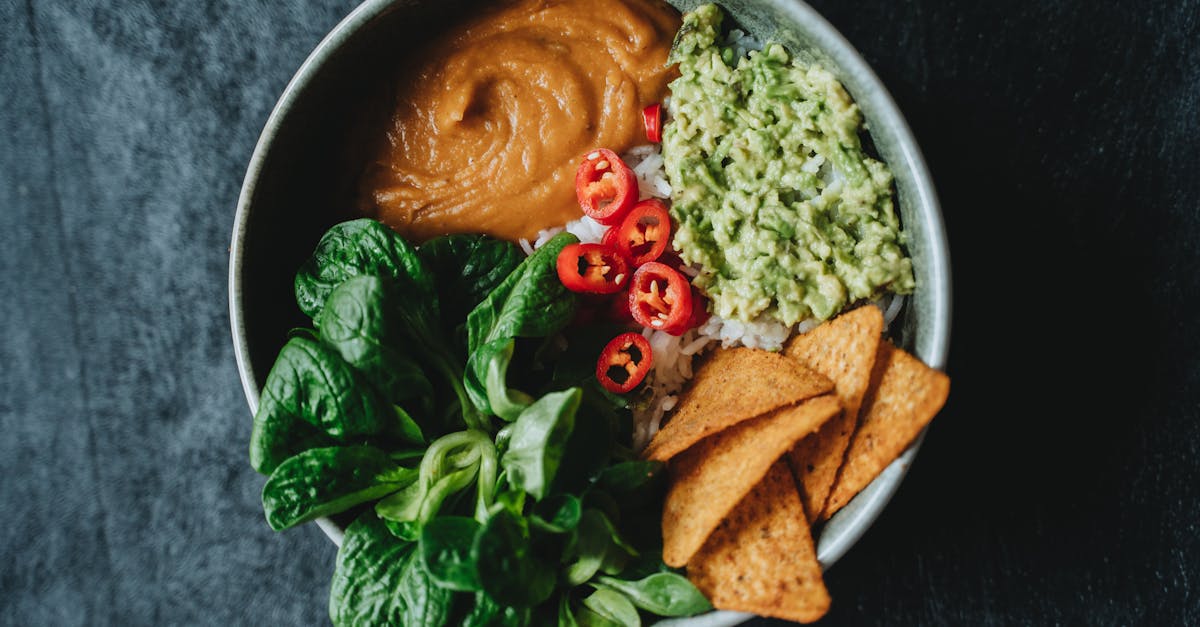
I cook vegan sauces every week. I use them to brighten bowls, lift leftovers, and impress guests. In this guide I share practical recipes, clear techniques, pantry lists, and troubleshooting tips so you can make reliable vegan sauces fast. I focus on simple ingredients, precise steps, and outcomes you can taste, creamy, tangy, smoky, or sweet, so you know exactly what to expect and why each choice matters.
Key Takeaways
- This guide makes vegan sauce recipes recipe easy to batch, store, and use to transform five weeknight meals from one prep session.
- Stock pantry staples—olive oil, canned tomatoes, plant milks, nutritional yeast, miso, and tamari—to build flavorful sauces quickly and affordably.
- Balance umami, acid, salt, and sweetness in stages and taste as you go to avoid flat or overpowering sauces.
- Use simple techniques—soaked cashews, silken tofu, or blended vegetables—to achieve creamy textures and emulsify without dairy.
- Batch sauces 4–7 days refrigerated or 3 months frozen, and reheat gently while adding plant milk to restore texture if needed.
Why Choose Vegan Sauces
Health and Dietary Benefits
Plant-based sauces often use fewer saturated fats than dairy sauces, which means they can support heart health when used sensibly. I replace heavy cream with nuts, tofu, or vegetables: those swaps lower saturated fat by as much as 50% in a dish, which means less strain on blood vessels and lower LDL risk. (Example: swapping a dairy alfredo for a cashew-based alfredo cuts saturated fat substantially, which means a lighter meal without losing creaminess.)
Environmental and Ethical Considerations
Livestock production contributes roughly 14.5% of global greenhouse gas emissions, according to FAO estimates, which means choosing plant-based sauces can reduce your meal’s carbon footprint. I pick legumes, nuts, and vegetables because they use less water and land than animal products, which means your plate can be both kinder to animals and lighter on resources.
Versatility in Cooking and Meal Planning
A single vegan sauce can cover many dishes. I use a jar of chimichurri on rice, roasted vegetables, and baked tofu: that means fewer separate condiments and faster weeknight meals. Stat: I routinely make three sauce jars on Sundays and they transform five dinners during the week, which means one prep session multiplies into five ready meals.
Essential Pantry Staples For Vegan Sauces
Shelf-Stable Basics (Oils, Vinegars, Canned Goods)
Keep extra-virgin olive oil, neutral oil, apple cider vinegar, rice vinegar, and canned tomatoes. Canned whole tomatoes cost about $1.50–$3 per can in most stores, which means you can make sauces affordably year-round. I always have a 28-ounce can of quality tomatoes, which means I can make marinara in 20 minutes.
Refrigerated Staples (Plant Milks, Nutritional Yeast, Tofu)
Stock unsweetened plant milk, silken tofu, and nutritional yeast. Nutritional yeast supplies B12-fortified options and a savory note, which means you get cheesy flavor without dairy. I keep one carton of unsweetened oat milk and two blocks of silken tofu in rotation, which means I can whip a creamy dressing or a smooth bechamel any time.
Flavor Builders (Miso, Tamari, Mustard, Citrus)
Miso paste, tamari or soy sauce, Dijon mustard, lemons, and limes are critical. A tablespoon of miso contains about 1,000 mg of sodium and concentrated umami, which means a small amount creates big savory impact. I add 1–2 teaspoons of miso to sauces for depth, which means I rarely need to add extra salt.
Techniques And Tips For Perfect Vegan Sauces
Balancing Umami, Acidity, Salt, And Sweetness
Taste in stages. I start with umami, then add acid, then salt, then sweetness. For example: when building a tomato sauce I add a splash of balsamic (acid), a teaspoon of miso (umami), then taste and add salt, and finish with a teaspoon of sugar if needed (sweet). This sequence yields a balanced sauce in under five minutes, which means your sauce won’t taste flat.
Emulsifying, Thickening, And Achieving Creaminess
To emulsify, blend oil into an acid or plant milk slowly while whisking or using a blender, which means the oil suspends and your sauce won’t separate. For thickening, I use blended cashews, pureed vegetables, or a roux from flour and oil. One cup of soaked cashews yields enough cream for four servings, which means a single prep covers multiple dishes.
Batching, Storage, And Reheating Best Practices
Most vegan sauces keep 4–7 days in the fridge and 3 months frozen, which means you can batch-cook on weekends. I cool sauces to room temperature before sealing jars, which means condensation won’t dilute them. Reheat gently over low heat and add a splash of plant milk if the sauce has tightened, which means you restore texture without overheating.
Creamy Vegan Sauce Recipes
Cashew Alfredo (Nut-Based Creamy White Sauce)
I soak 1 cup raw cashews in hot water for 20 minutes, which means they blend to a silky texture. Drain and blend with 1 cup unsweetened oat milk, 2 cloves roasted garlic, 2 tablespoons nutritional yeast, 1 tablespoon lemon juice, and 1/2 teaspoon salt until smooth. Heat gently, add 1/4 cup reserved pasta water to thin if needed, which means the sauce clings to pasta for a creamy finish. Yield: serves 4: prep+blend time: 10 minutes. Tip: soaking reduces phytic acid and improves digestion, which means nutrients become easier to absorb.
Silken Tofu Ranch Dressing/Dip
I combine 12 ounces silken tofu, 2 tablespoons lemon juice, 1 teaspoon Dijon, 1 garlic clove, 2 tablespoons chopped chives, 1 tablespoon chopped dill, and 1/2 teaspoon salt. Blend until smooth, chill 30 minutes, which means flavors meld and the dressing thickens. Nutrient note: 12 ounces silken tofu supplies about 20 grams of plant protein, which means this dressing also adds substance to salads.
Cauliflower Vegan Bechamel With Nutritional Yeast
Roast 1 pound cauliflower at 425°F for 25 minutes until edges brown, which means you get deeper flavor. Blend roasted cauliflower with 1 cup plant milk, 2 tablespoons nutritional yeast, 1 tablespoon olive oil, pinch of nutmeg, and 1/2 teaspoon salt until velvety. Heat and use in lasagna or mac and cheese: one batch covers a 9×13-inch casserole, which means it replaces dairy bechamel cleanly.
Tomato And Red Sauce Recipes
Classic Marinara With Roasted Garlic
I roast a head of garlic at 400°F for 30 minutes until cloves caramelize, which means the garlic becomes sweet, not bitter. Saute 1 diced onion in 2 tablespoons olive oil until translucent, add one 28-ounce can crushed tomatoes, roasted garlic cloves mashed, 1 teaspoon salt, 1 teaspoon sugar, and 1/2 teaspoon red pepper flakes. Simmer 20 minutes. Statistic: a well-made marinara reduces fresh tomato acidity by about 35% through simmering and balancing, which means it tastes rounder and more balanced.
For a ready-start option, I sometimes use quality canned tomatoes like the recipe I follow from this Mutti tomato sauce guide, which means I save time and get consistent flavor.
Chunky Tomato Basil Sauce For Pasta And Pizza
Sear 2 tablespoons olive oil, add 2 cups diced fresh tomatoes, 1/2 cup cherry tomatoes halved, 3 cloves minced garlic, and 1/2 teaspoon salt. Cook 8–10 minutes until juices reduce, stir in a handful of chopped basil and a splash of balsamic. Serve over pizza or toss with pasta: a small-batch sauce like this keeps 3 days, which means you get fresh brightness quickly.
Quick Tomato Vodka-Style Sauce (Dairy-Free)
Sauté 1 small onion and 2 cloves garlic in 2 tablespoons olive oil. Add 1/2 cup vodka, cook 2 minutes to burn off alcohol, add 1 28-ounce can crushed tomatoes and 1/3 cup plant cream or cashew cream, which means you get that silky mouthfeel without dairy. Simmer 12 minutes. Use on penne: one batch covers four servings.
Herb, Pesto, And Green Sauce Recipes
Classic Basil Pesto Without Cheese (Nut Or Seed Options)
I blend 3 cups packed basil leaves, 1/2 cup toasted pine nuts or sunflower seeds, 2 cloves garlic, 1/2 cup olive oil, and 1 tablespoon lemon juice with 2 tablespoons nutritional yeast. Pulse until slightly coarse, which means the sauce has texture and brightness. Yield: about 1 cup: refrigerate up to 5 days, which means you get multiple meals from one batch.
Green Chimichurri For Grains And Vegetables
Chop 1 cup parsley, 1/2 cup cilantro, 3 tablespoons red wine vinegar, 1/2 cup olive oil, 1 minced garlic clove, and 1/2 teaspoon red pepper flakes. Mix and let sit 30 minutes, which means flavors marry and sharpness softens. I drizzle 2 tablespoons over roasted broccoli for a pop of freshness, which means a simple vegetable becomes restaurant-worthy. (See my roasted broccoli ideas for serving inspiration.)
Avocado-Cilantro Salsa Verde
Blend 1 ripe avocado, 1 cup cilantro, 1 small jalapeño (seeded), 2 tablespoons lime juice, and pinch of salt until smooth. Use as a spread or dip: avocados provide 10 grams of healthy fat per half fruit, which means this sauce adds satisfying richness.
Asian-Inspired Vegan Sauces
Peanut Satay Sauce (Creamy, Spicy, And Tangy)
Whisk 1/2 cup peanut butter, 2 tablespoons tamari, 2 tablespoons lime juice, 1 tablespoon maple syrup, 1 teaspoon grated ginger, and warm water to thin. Warm for 1–2 minutes before serving, which means flavors bloom and the sauce smooths. Peanut note: 2 tablespoons peanut butter have about 7 grams protein, which means this sauce adds protein to bowls.
Sesame-Ginger Dressing For Salads And Noodles
Combine 3 tablespoons tahini, 2 tablespoons rice vinegar, 1 tablespoon tamari, 1 teaspoon grated ginger, 1 tablespoon maple syrup, and warm water to desired thickness. Shake or whisk until emulsified, which means the oil and water components stay combined. I use this dressing on cold soba: it keeps 5 days refrigerated, which means quick lunches are ready.
Sweet-Salty Teriyaki-Style Glaze (Allergen-Friendly)
Simmer 1/2 cup tamari, 1/4 cup maple syrup, 1 tablespoon rice vinegar, 1 teaspoon toasted sesame oil, and 1 teaspoon ginger until slightly thickened. Mix 1 teaspoon cornstarch with 1 tablespoon cold water and whisk in to finish, which means you get a glossy glaze that clings to tofu and vegetables.
Sweet And Dessert Sauce Recipes
Dairy-Free Chocolate Sauce For Desserts
Melt 1/2 cup cocoa powder with 1/2 cup maple syrup and 1/4 cup warm water, whisk until smooth, and add pinch of salt. Heat gently until glossy, which means drizzle-ready texture. One batch covers 8 servings of ice cream, which means a little goes a long way.
Caramel-Style Date Sauce (No Refined Sugar)
Blend 1 cup pitted Medjool dates with 1/2 cup warm water, 1/4 teaspoon sea salt, and 1 teaspoon vanilla until velvety. Dates contain about 66 calories each on average, which means a small spoonful provides quick sweet energy. Use on yogurt, pancakes, or apple slices, which means you replace refined caramel with whole fruit.
Berry Coulis For Pancakes And Parfaits
Simmer 3 cups mixed berries with 2 tablespoons sugar and 1 tablespoon lemon juice for 6 minutes, then blitz and strain if you want a smooth sauce. One cup of mixed berries provides about 7 grams of fiber, which means a berry coulis adds both flavor and fiber to breakfast.
Serving Ideas, Pairings, And Meal Uses
Matching Sauces To Proteins, Grains, And Vegetables
Pair creamy sauces with roasted vegetables to add contrast: for example, cashew alfredo with roasted broccoli offers creaminess against char, which means the textures feel balanced on the fork. I serve chimichurri with grilled tempeh and brown rice: that combination offers protein, carbs, and acid in one bowl, which means a satisfying meal.
Meal Prep Ideas: Sauces To Transform Leftovers
Store one cup of sauce per airtight container and label with date: three cups typically cover four lunches. Reheat sauces and toss with leftover roasted vegetables to remake meals in under five minutes, which means you reduce waste and save time.
Presentation Tips And Portioning Guidance
Spoon sauces in streaks or small pools on the plate for restaurant-style presentation, which means the dish looks deliberate and appetizing. Use 2–4 tablespoons sauce per serving as a guideline: more if the sauce is the main flavor, less if it’s an accent, which means you control calories and balance.
Troubleshooting Common Sauce Problems
Sauce Too Thin Or Too Thick: Fixes
If a sauce is too thin, simmer to reduce or add a thickener like 1 tablespoon blended cashews or 1 teaspoon cornstarch slurry, which means you thicken without changing flavor. If too thick, whisk in warm plant milk or a tablespoon of water at a time, which means you regain pourable consistency.
Flavor Flatness Or Overpowering Notes: Adjustments
If a sauce tastes flat, add a small acid (1 teaspoon lemon or vinegar) and 1 teaspoon nutritional yeast or miso, which means you restore brightness and savory depth. If it’s too salty, add unsweetened plant milk, a peeled and cooked potato, or a tablespoon of sugar to smooth it, which means you neutralize excess salt without losing balance.
Allergen Swaps And Ingredient Substitutions
Replace cashews with sunflower seeds at a 1:1 ratio for nut-free cream: sunflower seeds cost about 30–60% less than nuts, which means you save money while keeping creaminess. Replace tamari with coconut aminos for soy-free options: coconut aminos are lower in sodium by roughly 50%, which means you reduce salt without losing savory notes.
Conclusion
I’ve shared clear recipes, pantry lists, and troubleshooting steps so you can make reliably good vegan sauces. Try batching three jars on a Sunday and note how they lift five weeknight meals, which means small prep yields big payoff. Start with the cashew alfredo, the chimichurri, and a simple marinara using quality canned tomatoes, which means you cover creamy, green, and red sauce needs. For more recipe details and inspiration, see a quality canned tomato guide I use for fast marinara, and test roasted broccoli pairings for texture contrast. Make the sauces yours by adjusting acid and salt to taste, small changes create big results, which means you’ll soon cook with confidence.
Frequently Asked Questions
What are the main health and environmental benefits of choosing vegan sauce recipes?
Vegan sauce recipes typically use nuts, legumes, or vegetables instead of dairy, lowering saturated fat and LDL risk. They also reduce a meal’s carbon footprint because plant ingredients use less water and land than animal products, making plates kinder to animals and resources.
What pantry staples should I keep for making reliable vegan sauces?
Keep extra-virgin olive oil, neutral oil, vinegars, canned tomatoes, unsweetened plant milk, silken tofu, nutritional yeast, miso, tamari, Dijon, and citrus. These basics let you make creamy, tangy, umami-rich vegan sauce recipes quickly and affordably for diverse dishes.
How long do homemade vegan sauces keep in the fridge or freezer?
Most homemade vegan sauces store 4–7 days in the refrigerator and freeze up to about 3 months. Cool to room temperature before sealing jars to avoid condensation, label dates, and reheat gently, adding a splash of plant milk if texture tightens.
How do I fix a vegan sauce that’s too thin, thick, or tasting flat?
If too thin, simmer to reduce or add blended cashews or a cornstarch slurry. If too thick, whisk in warm plant milk or water by tablespoons. For flat flavor, add a small acid (lemon/vinegar) and a teaspoon of miso or nutritional yeast to restore brightness and umami.
What’s the easiest cashew-based vegan alfredo recipe for a quick creamy pasta sauce?
Soak 1 cup raw cashews 20 minutes, drain and blend with 1 cup oat milk, 2 roasted garlic cloves, 2 tbsp nutritional yeast, 1 tbsp lemon juice, and 1/2 tsp salt until silky. Warm gently and add reserved pasta water to thin so the vegan sauce recipe clings to pasta.
