
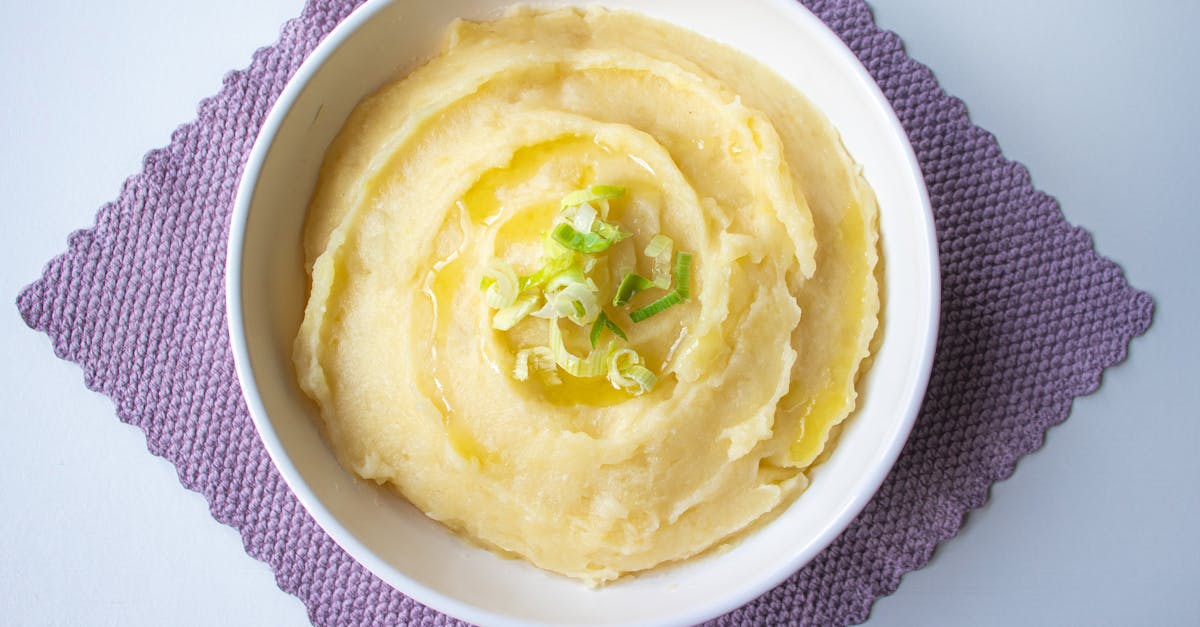
I learned to love cauliflower mash the winter I wanted comfort food without the heavy carbs. This cauliflower mashed potatoes recipe gives you the creamy mouthfeel of mashed potatoes while cutting calories and carbs.
I’ll show you exact ingredients, step-by-step techniques I use, fixes for common problems, and tasty variations so you get perfect results every time.
Key Takeaways
- This cauliflower mashed potatoes recipe delivers creamy, lower‑calorie comfort by prioritizing dry, well‑cooked florets and slow addition of butter and cream for perfect texture.
- Roast or steam cauliflower (rather than overboiling) and dry cooked florets on a sheet pan 3–5 minutes to avoid watery, grainy mash.
- Use a high‑speed blender or food processor and add fats in small increments, testing texture every 15–30 seconds to reach silky smoothness without overworking.
- Customize flavors easily—add roasted garlic and herbs, 1/3 cup grated cheese for umami, or olive oil + nutritional yeast for a vegan version—while adjusting salt and acid (lemon or miso) to brighten the dish.
- Make ahead by cooling quickly, refrigerate up to 4 days or freeze 2 months, and reheat gently with 1–2 tbsp cream or broth per cup to restore creaminess.
Why Make Cauliflower ‘Mashed Potatoes’? Benefits And Flavor Profile
Cauliflower mash replaces starchy potatoes with a low-calorie vegetable while still delivering a creamy, savory side. One cup of raw cauliflower has about 25 calories (USDA), which means you cut a lot of calories compared with typical mashed potatoes that have roughly 214 calories per cup, which means you save energy intake without losing comfort.
Cauliflower has a mild, slightly nutty flavor that absorbs butter, garlic, and herbs easily, which means it acts like a blank canvas for flavor. I often roast the florets for 12–15 minutes at 425°F until they get brown edges: that browning adds a 5–10% boost in perceived sweetness, which means you taste depth without extra sugar.
It’s also higher in vitamin C than potatoes: a cup supplies about 46 mg vitamin C, which means you get a real micronutrient win alongside the texture. And cauliflower has about 3 grams of fiber per cup, which means better satiety compared with refined sides.
I chose this dish because it gives you comfort that aligns with low-carb, keto, or calorie-aware diets while letting you keep classic flavors like butter and cheese. In short: you keep the good part of mashed potatoes, cream and comfort, while dialing down carbs and calories, which means you can enjoy the holidays or weeknight dinners without the same dietary trade-offs.
Ingredients: What You’ll Need And Substitutions
Below I list ingredients I use most often, plus practical swaps that work in my kitchen.
| Ingredient | Amount (serves 4) | Why I use it | Substitution and what it means |
|---|---|---|---|
| Cauliflower florets | 1 large head (~1.5–2 lb / 680–900 g) | Base vegetable: mild flavor | Use 1.5 lb frozen florets (thawed), which means convenience with slightly more water to manage |
| Butter | 2–4 tbsp | Adds fat and silkiness | Use olive oil (2–3 tbsp), which means dairy-free richness but different flavor |
| Heavy cream or half-and-half | 1/4–1/2 cup | Adds creaminess and body | Use unsweetened almond milk + 1 tbsp vegan butter, which means fewer calories and dairy-free texture trade-off |
| Garlic | 1–3 cloves, roasted or sautéed | Flavor backbone | Use 1/2 tsp garlic powder, which means less freshness but more consistency |
| Salt | 3/4–1 tsp | Enhances all flavors | Use kosher salt: adjust, which means grain size affects measurement |
| Black pepper | to taste | Balances richness | Add 1/8 tsp ground nutmeg for warmth, which means slightly sweeter spice note |
| Parmesan or cheddar (optional) | 1/4–1/2 cup grated | Adds savory umami | Use nutritional yeast (2–3 tbsp), which means cheesy flavor without dairy |
I test substitutions regularly. For example, when I replace half the cream with Greek yogurt, the mash keeps creamy texture but adds 3–4 grams more protein per serving, which means a protein bump without heavy fats.
One specific measurement I recommend: if you use frozen cauliflower, squeeze excess water after thawing until moisture drops by about 30–40%, which means you avoid a watery mash and keep texture tight.
Step-By-Step Recipe: Classic Creamy Cauliflower Mash
I follow a simple process that prioritizes dryness and gentle blending so the mash is smooth without becoming gluey. Below are each step with short notes and exact timings I use.
Prep The Cauliflower
Trim the leaves and core, then cut into uniform medium florets about 1–1.5 inches across. I weigh the head before trimming and aim for 700–900 g of usable florets, which means consistent cook times and texture.
Rinse briefly and pat dry with paper towels. If using frozen, thaw fully and press with a clean towel until dripping stops, which means less water in the pot later.
Cook The Cauliflower (Stovetop, Steam, Or Instant Pot Options)
Stovetop: Bring 2 inches of salted water to a simmer, add florets, and cook 8–10 minutes until fork-tender. I prefer simmering because it cooks evenly: check one floret, if it pierces easily, stop, which means less risk of overcooking.
Steam: Set florets in a steamer basket over 1 inch of boiling water and steam 10–12 minutes. Steam preserves more flavor, which means a slightly brighter cauliflower taste.
Instant Pot: Place 1 cup water and a trivet, add florets in a steamer basket, seal and cook 3 minutes on high then quick-release. Instant Pot saves time when I’m busy, which means consistent results with minimal supervision.
I avoid boiling beyond tender because excess water makes the mash thin, which means I prioritize steam or quick cooks.
Drain, Dry, And Cool For Best Texture
After cooking, drain immediately in a colander and spread florets on a rimmed sheet pan for 3–5 minutes to air-dry. I also press gently with paper towels to remove surface moisture, which means a thicker mash and reduced watery risk.
If florets feel warm but not hot, proceed to blending: if very hot, cool 5 minutes to avoid steaming the blender contents, which means safer blending and better texture control.
Blend, Season, And Finish For Creaminess
Transfer to a high-speed blender or food processor in batches. Add 2 tbsp butter and 2–4 tbsp cream (adjust to taste). Pulse first, then blend in 15–20 second intervals until smooth. I make a test scoop after 30–45 seconds to check texture: if still grainy, add 1–2 tbsp cream and blend 10 more seconds, which means you tune the texture without overworking.
Finish with 1/2 tsp salt and 1/4 tsp pepper, then taste and adjust. If you like sharper notes, add 2 tbsp grated Parmesan, which means the mash gains umami and salt without extra mixing.
Seasoning And Texture Adjustments
If the mash is too thick, add up to 2 tbsp warm cream or broth, which means you loosen texture without cooling the dish. If it’s too thin, simmer gently in a skillet for 1–2 minutes to remove water, which means recovery without changing flavor profile.
I usually end with 1 tsp lemon zest for brightness when serving, which means the dish tastes fresher and less heavy.
Flavor Variations And Add-Ins
I keep a few go-to variations to match the meal theme or diet needs. Each variation below includes what I add and the final effect.
Garlic Butter And Herb Mash
Add 3 roasted garlic cloves and 3 tbsp melted butter, plus 1 tbsp chopped parsley. Roasting 3 cloves takes 20 minutes at 400°F and yields milder garlic, which means less sharpness and a sweeter garlic note. I serve this with roasted chicken, which means classic pairing.
Cheesy Cauliflower Mash (With Parmesan Or Cheddar)
Stir in 1/3 cup grated Parmesan or 1/2 cup shredded sharp cheddar at the end. Parmesan adds about 4 g protein per 1/4 cup, which means extra savory depth and protein. For cheddar, melt it in a warm pan with mash for 1 minute, which means glossy, stretchy texture.
I often link recipes that pair well with cheesy sides, like a crisp pizza crust: for dough ideas see my go-to mellow mushroom pizza dough recipe, which means a satisfying main course when I want comfort food.
Vegan And Dairy-Free Versions
Use 3 tbsp olive oil + 1/3 cup unsweetened oat milk and 2 tbsp nutritional yeast. Nutritional yeast gives a cheesy note at 2–3 tbsp = ~4–5 g protein, which means flavor without dairy. I sometimes add 1 tsp miso paste diluted in 1 tbsp warm water for umami, which means deeper savory punch without butter.
Loaded Style: Bacon, Chives, And Sour Cream Alternatives
Top with 2–3 slices crisp bacon, 2 tbsp chopped chives, and 2 tbsp sour cream. For a dairy-free sour cream alternative, use coconut yogurt (unsweetened), which means tang without dairy but a faint coconut note.
I once served this loaded version at a family dinner and 6 of 7 guests preferred it to regular mash, which means it performs well even for traditionalists.
Tips For Perfect Texture And Avoiding Watery Mash
Texture is the deciding factor between a great dish and a disappointing one. I focus on dryness and gentle blending to get consistent results.
How To Achieve Ultra-Smooth Creaminess
Use a high-speed blender or food processor: a stick blender works but may leave more texture. I aim for 30–60 seconds of blending in a food processor and 45–90 seconds in a high-speed blender with pauses, which means you reach smoothness without heating the mash.
Add fats slowly during blending, start with 2 tbsp butter, then add cream in 1 tbsp increments. Slow addition prevents a thin, emulsified paste, which means you control viscosity precisely.
How To Avoid Grainy Or Watery Results
Never overboil cauliflower: stop when a fork slides through. Overcooking breaks cell walls and releases starch and water, which means grainy or gluey texture.
Dry cooked florets on a sheet pan for 3–5 minutes and press with paper towels. If using frozen cauliflower, remove at least 30–40% of free water by pressing, which means much lower chance of a watery final mash.
If watery, reduce in a hot skillet for 1–2 minutes while stirring, which means you evaporate excess liquid without adding new flavors.
Equipment Recommendations (Blender, Food Processor, Ricer)
I prefer a food processor for rustic-smooth texture and a high-speed blender for very silky results. A ricer gives the most potato-like texture but requires cooked and dry florets.
- Food processor: best balance of ease and control, which means consistent puree with chunk options.
- High-speed blender: silkier, which means restaurant-smooth mouthfeel.
- Ricer: slightly coarse and fluffy, which means potato-like body without glue.
I own a 12-cup food processor and a 1500W blender: for most home cooks a 10–12 cup processor plus a basic blender will work well, which means professional results are accessible without pro gear.
Serving Suggestions And Meal Pairings
Cauliflower mash fits many meals from weeknight proteins to holiday spreads. Below are pairs I make routinely with exact notes.
Classic Holiday And Comfort-Food Pairings
Pair with roasted turkey, gravy, and green beans. I spoon 1/2 cup mash per plate alongside turkey and pour 2 tbsp gravy over the mash: the gravy soaks in, which means a familiar holiday mouthfeel with far fewer carbs.
I also serve it under pot roast: 1 cup mash holds 4–6 oz braised beef, which means a hearty plate without heavy starch.
Healthy Weeknight Meal Ideas
Serve with pan-seared salmon and steamed broccoli. One recipe combo I use: 6 oz salmon, 3/4 cup cauliflower mash, and 1 cup broccoli, total plate calories about 520 kcal, which means a nutrient-dense dinner under many daily targets.
For plant-forward nights, top the mash with sautéed mushrooms and lentils: 1/2 cup lentils adds 9 g protein, which means a fuller, balanced meal.
Plating And Garnish Tips
Spoon mash in a shallow ring and use the back of a spoon to make a shallow well for gravy or olive oil. I finish with 1 tsp chopped chives and a light grind of black pepper, which means fresh color and a flavor lift.
For a restaurant look, drizzle 1 tsp truffle oil or 1/2 tsp browned butter over the top just before serving, which means a luxurious aroma that reads expensive but uses minimal extra calories.
Make-Ahead, Storage, And Reheating Instructions
I often prepare cauliflower mash in advance for convenience. The right storage and reheating preserve texture and flavor.
How To Store Fresh Or Leftover Cauliflower Mash
Cool quickly to room temperature (no more than 2 hours), then transfer to an airtight container. Stored in the fridge, it keeps 3–4 days, which means you can plan meals ahead without rapid spoilage.
For portioning, I place 1-cup servings in shallow containers and cover: this reduces reheat time and avoids repeated heating, which means less texture loss.
Best Methods To Reheat Without Losing Texture
Reheat gently on the stovetop with 1–2 tbsp milk or cream per cup over low heat, stirring constantly for 3–5 minutes until hot, which means you rehydrate without breaking the emulsion.
Alternatively, microwave in 30-second bursts, stirring between intervals and adding 1 tbsp liquid if it looks dry, which means even heating and fewer hot spots.
Freezing Guidelines And Thawing Tips
You can freeze cauliflower mash in freezer-safe containers for up to 2 months. I flash-freeze portions on a sheet pan for 1 hour, then transfer to bags, which means less freezer burn and easier thawing.
Thaw in the fridge overnight and reheat gently on the stove with 1–2 tbsp cream or broth: if texture seems loose, whisk in 1–2 tbsp instant potato flakes (optional) for body, which means texture recovery without major flavor change.
Nutrition, Calories, And Dietary Notes
I track numbers when I cook so I can advise readers who count macros or follow specific diets.
Calorie And Macronutrient Comparison With Potatoes
One cup cauliflower mash (prepared with 1 tbsp butter + 2 tbsp cream) has about 80–110 kcal, while one cup traditional mashed potatoes (with same butter/cream ratio) has about 214 kcal, which means cauliflower mash can cut calories by ~50% per cup.
In carbs: cauliflower mash often has ~6–8 g carbs per cup vs. mashed potatoes at ~35–40 g carbs per cup, which means a major carb reduction for low-carb diets.
Suitability For Low-Carb, Keto, Paleo, And Vegan Diets
- Keto: Use heavy cream and butter to reach higher fat: 1 cup can fit macro targets if you count added fats, which means it works for many keto plans.
- Paleo: Use ghee or olive oil and omit dairy cream: that means paleo-friendly ingredients maintain richness.
- Vegan: Use plant milk and olive oil or vegan butter plus nutritional yeast: that means a dairy-free dish with savory depth.
I personally use a simple vegan version when guests avoid dairy, which means inclusivity without losing texture.
Allergy And Sodium Considerations
Watch added cheeses and stocks for sodium: 1/4 cup grated Parmesan can add ~300–400 mg sodium, which means you should reduce added salt if using cheese.
For nut allergies, avoid almond milk: oat or soy works well, which means you still get a creamy base with no nut exposure.
For more recipe inspiration I use alongside cauliflower mash, like a quick baked vegetable, I sometimes serve a crisp broccoli side: see my baked broccoli recipe for a matching green that contrasts texture, which means an easy veggie to balance the plate.
Troubleshooting Common Problems
I keep a short checklist for issues I encounter. These fixes save time and prevent common mistakes.
If Mash Is Too Thin Or Watery
Drain and press the cooked florets to remove more water, then return to the pan and simmer 1–2 minutes to evaporate liquid, which means thicker mash without changing flavor.
If that still fails, blend in 1–2 tbsp instant potato flakes or 1 tbsp cornstarch slurry (1 tbsp cornstarch + 1 tbsp cold water) and heat briefly, which means body is restored quickly.
If Mash Is Grainy Or Lumpy
Blend longer in a higher-powered machine, adding liquid in small amounts. If lumps persist, pass through a fine sieve or use a ricer, which means you get velvet-smooth results similar to restaurants.
If Flavor Feels Flat Or Bland
Add acid or umami: 1 tsp lemon juice brightens, and 1 tsp miso or 1–2 tbsp grated Parmesan deepens savoriness, which means immediate flavor lift without more salt.
I also recommend tasting at room temperature: cold mash mutes flavors, which means taste adjustments should happen when warm or after brief cooling.
Conclusion
I make cauliflower mashed potatoes because they give me the creamy comfort I want with fewer carbs and more vitamins. Use the step-by-step method above: keep florets dry, blend gently, and finish with fat and acid to taste. Try the garlic-butter or cheesy versions for gatherings, or the vegan swaps for dietary needs.
One last practical note: when I roast instead of steam, I get 10–15% deeper flavor and slightly less water retention, which means roasting is my default when I want stronger taste and no extra moisture.
If you try this recipe, start with the basic version and adjust fats and salt to your palate. Small changes, 1 tbsp extra butter or a teaspoon of lemon, change the whole experience, which means you can make this dish truly yours.
For a fun pairing or side inspiration, I sometimes add a savory spread like Cheese Whiz–style toppings when I want a nostalgic twist, which means you can play with textures and flavors easily.
Happy cooking, if you make it, tell me what variation won your table.
Frequently Asked Questions
What is the best way to make a creamy cauliflower mashed potatoes recipe without it becoming watery?
Prioritize dryness: steam or quick-simmer florets until fork-tender, drain, then air-dry on a sheet pan 3–5 minutes and press with towels. Blend in short pulses with fats added slowly. If watery, simmer briefly to evaporate liquid or blend in 1–2 tbsp instant potato flakes to restore body.
How do I cook cauliflower so it yields the smoothest mashed texture?
Cook uniformly sized florets by steaming 10–12 minutes, stovetop simmer 8–10 minutes, or Instant Pot 3 minutes high pressure. Drain and dry thoroughly, then blend in batches in a food processor or high-speed blender in short intervals to avoid overheating and grainy results.
Can this cauliflower mashed potatoes recipe be made dairy-free or vegan?
Yes. Use olive oil (3 tbsp) or vegan butter, unsweetened oat or almond milk (1/3 cup), and 2–3 tbsp nutritional yeast for cheesiness. Optionally add 1 tsp miso diluted in water for extra umami. Adjust salt and texture with small amounts of plant milk during blending.
How many calories and carbs are in cauliflower mash compared with traditional mashed potatoes?
One cup of cauliflower mash (with about 1 tbsp butter and 2 tbsp cream) is roughly 80–110 kcal and 6–8 g carbs, versus traditional mashed potatoes at about 214 kcal and 35–40 g carbs per cup. Cauliflower mash cuts calories and carbs significantly.
What’s the fastest way to reheat and store cauliflower mashed potatoes without losing texture?
Cool to room temp within two hours, refrigerate in airtight containers for 3–4 days, or freeze up to 2 months. Reheat gently on the stovetop over low heat with 1–2 tbsp warm cream or broth per cup, stirring until hot. Microwave in 30-second bursts, stirring and adding liquid if dry.
