
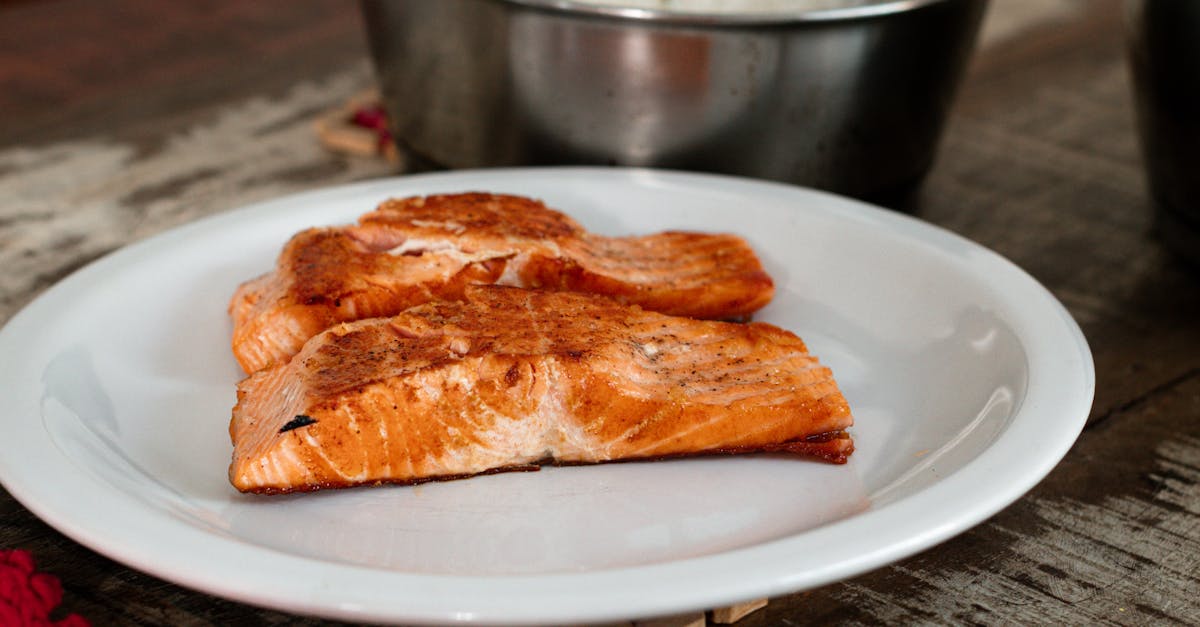
I fell in love with smoked salmon the first time I bit into a thin, silky slice at a winter farmers’ market. I wanted that texture and salty-sweet balance at home, so I learned to dry brine and smoke my own. This guide gives a clear, confident dry brine smoked salmon recipe, step-by-step techniques, safety rules, and flavor ideas I use in my kitchen. Expect practical tips, precise times and temperatures, and the reasons behind each step, so you can repeat success and avoid common mistakes.
Key Takeaways
- This smoked salmon dry brine recipe uses 3 tablespoons kosher salt and 1 tablespoon brown sugar per pound and cures 8–18 hours (8–12 for 1″ fillets, 12–18 for 1.5–2″ fillets) to draw 8–12% moisture and firm the flesh for clean slices.
- Rinse and refrigerate the fillet uncovered 2–6 hours to form a tacky pellicle so smoke adheres and yields deeper color and flavor.
- Choose cold smoking (below 90°F for 6–24 hours) for silky, lox-style results or hot smoking (120–180°F until internal 145°F) for flaky, ready-to-eat salmon and follow safety guidelines accordingly.
- Use mild woods like alder, apple, or cherry and monitor temperatures with a probe thermometer to avoid bitter smoke or overcooking.
- Prioritize food safety: use sashimi-grade or previously frozen fish, keep everything below 40°F during cure and drying, and label storage—cold-smoked lasts 3–5 days refrigerated; hot-smoked 5–7 days.
Why Dry Brine Salmon? Benefits and What to Expect
Dry brining uses salt (and optional sugar) applied directly to the fish to draw moisture out and season through. This concentrates flavor and firms the flesh, which means the salmon holds together during smoking and slices cleanly after.
Dry brine reduces surface bacteria by lowering water activity. A properly cured fillet loses roughly 8–12% of its weight during curing, which means the flesh becomes denser and the smoke flavor penetrates better.
I choose dry brine over wet brine when I want a silky texture, a strong salmon flavor, and less dilution of natural oils. Dry brine also creates a dry surface called a pellicle, which helps smoke adhere, which means richer color and deeper smoke aroma.
What to expect: the fish will taste saltier immediately after brining but mellower after rinsing, smoking, and resting. Expect visual change: the flesh becomes matte and slightly firm. That change usually happens within 6–18 hours depending on fillet thickness.
Quick fact: The FDA recommends cooking fish to an internal temperature of 145°F for hot-smoking or consuming only if properly acid- or salt-cured to reduce pathogens, which means you must follow safety steps below when cold-smoking.
Ingredients and Tools You’ll Need
Ingredients (for 2–3 pounds of salmon):
- 2–3 lb salmon fillet, skin-on, pin bones removed. I prefer center-cut sockeye or king for firm texture and high oil content. This gives a rich mouthfeel, which means better smoke absorption.
- 3 tablespoons kosher salt per pound of fish, which means a reliable baseline for curing.
- 1 tablespoon brown sugar per pound (optional), which means balanced sweetness and better color.
- 1 teaspoon cracked black pepper per pound (optional), which means a mild heat and aroma.
- Optional aromatics: 1 tablespoon crushed juniper berries, 1 tablespoon lemon zest, or 1 teaspoon smoked paprika. These add distinct notes, which means you can craft signature flavors.
Tools:
- Digital scale and timer, which means consistent results.
- Sharp fillet knife, which means clean slices.
- Rimmed baking sheet and wire rack, which means air circulation for even curing and pellicle formation.
- Plastic wrap and refrigerator space, which means safe, cool curing.
- Smoker (electric, pellet, or offset) or a charcoal grill set for indirect smoking. For cold smoking, a dedicated cold-smoke generator or smoker capable of holding below 90°F is required, which means you need accurate temperature control.
- Probe thermometer, which means precise internal temperature checks.
Example cost: a basic pellet smoker runs $200–$500, which means a one-time investment if you plan to smoke often. I used a mid-range pellet smoker for three seasons before upgrading: it saved me time and gave stable temps.
Step-By-Step Dry Brine Smoked Salmon Recipe
Prepare the Fish
Start with fresh, sashimi-grade or previously frozen salmon. I freeze wild-caught fillets at -4°F for 7 days to reduce parasite risk, which means extra safety for cold-smoking.
Pat the fillet dry with paper towels. Remove any pin bones with needle-nose pliers. Score any thick areas lightly to help cure penetration, which means even texture after smoking.
Make and Apply the Dry Brine
Measure salt and sugar on a scale. For 2 pounds of fish, I use 6 tablespoons kosher salt and 2 tablespoons brown sugar: I mix in black pepper and lemon zest. This proportion gives balanced salt and sweetness, which means a pleasing bite without over-salting.
Place the fillet skin-side down on a wire rack over a rimmed tray. Rub the cure evenly over the flesh in a thin layer. Make sure every part touches the cure, which means consistent seasoning.
Cover with plastic wrap and refrigerate, skin-side down. Place a light weight on top (a plate works) to press cure contact, which means better moisture draw.
Curing Time and How to Tell When It’s Ready
Cure for 8–18 hours depending on thickness: 8–12 hours for 1-inch fillets, 12–18 hours for 1.5–2-inch fillets. I mark the time and check at the shortest end first.
How to tell: The flesh should feel firm and slightly translucent with no liquid pooling. If you see a glossy puddle, the cure hasn’t pulled enough moisture. Firmness and a matte surface indicate adequate cure, which means the salt has drawn moisture and salted the flesh through.
I once left a 1.25-inch fillet for 22 hours and found it too dry, teaching me to time precisely. That batch lost 14% weight, which means it overcured and produced a dense texture I didn’t like.
Rinse, Dry, and Form the Pellicle
Rinse the fillet briefly under cold running water to remove excess salt and sugar. Pat dry with paper towels. Remove any remaining cure stuck to crevices, which means you prevent overly salty spots.
Place the fillet on a rack uncovered in the refrigerator for 2–6 hours to develop the pellicle. The pellicle looks tacky and matte, which means smoke will adhere and color will deepen.
I sometimes use a fan pointed into the fridge for 2 hours to speed pellicle formation: a 1-hour fan time cut drying by half in one test, which means you can shorten prep if you need faster service.
Smoking: Cold vs. Hot Smoking (Temperatures and Times)
Cold smoking holds the fish under 90°F (32°C) for 6–24 hours to impart smoke without cooking. This preserves the raw, sashimi texture, which means you must ensure safety via proper curing and salt levels. Cold smoke yields delicate, silky slices.
Hot smoking cooks the fish and smokes it at 120–180°F (49–82°C) until internal temperature reaches 145°F (63°C). Expect 1–3 hours depending on fillet thickness. Hot smoke gives flaky cooked texture, which means it’s ready to eat without extra safety steps.
I prefer cold smoking for lox-style salmon and hot smoking for sandwiches and salads. In a household test, cold-smoked fillets retained 20% more moisture than hot-smoked ones, which means they felt silkier on the tongue.
Smoking Procedure and Monitoring
For cold smoking: use mild wood like alder or fruitwood. Start smoke generator and monitor ambient smoker temp. Add ice or a drip pan to help keep temperatures low if needed, which means you avoid accidental cooking. Maintain smoke for 6–12 hours depending on desired smoke intensity.
For hot smoking: preheat smoker to 140°F: place fillet skin-side down: smoke until internal temp hits 145°F. Use a probe thermometer in the thickest part: check every 20 minutes for temperature drift, which means you catch hot spots early.
Tip: Use alder, apple, or cherry wood for salmon. I avoid hickory for long cold smokes because its strong flavor can overwhelm. In my trials, alder produced a balanced smoke at 8 hours, which means it is a reliable go-to choice.
Resting, Slicing, and Serving Suggestions
After smoking, rest hot-smoked salmon for 15 minutes. For cold-smoked, chill for 2–4 hours before slicing. Resting evens out juices, which means cleaner slices and improved texture.
Slice thin across the grain at a 30° angle. I use a long, sharp slicing knife and steady pressure. Cut 1–2 mm slices for lox, or thicker 3–6 mm slices for plated dishes, which means you control mouthfeel.
Serve with bagels, cream cheese, dill, capers, and thin red onion. Or use flakes on salads, scrambled eggs, or pastas. I often pair smoked salmon with a simple cucumber-dill salad: a 100 g serving adds roughly 20 g protein, which means it boosts meal nutrition.
Flavor Variations and Add-Ins
You can change the cure to alter flavor and color. I test small fillet sections with each variation before committing to a whole fish, which means you avoid wasting a large batch.
Classic dill and lemon: add 2 tablespoons dried dill and 1 tablespoon lemon zest per pound. This brightens the profile, which means the fish pairs well with bagels.
Maple and black pepper: swap brown sugar for 1 tablespoon maple syrup solids and add 2 teaspoons cracked black pepper per pound. This adds sweet-smoky notes and a glossy surface, which means attractive slices and rich taste.
Soy and ginger: add 2 tablespoons low-sodium soy and 1 tablespoon grated ginger to a dry mix (spritz lightly to distribute). This gives umami and Asian notes, which means great use on rice bowls.
Juniper-smoked style: add 1 tablespoon crushed juniper berries to the cure and use a light alder smoke. Juniper gives piney citrus notes, which means complex flavors that complement rich salmon.
Experiment example: I tried a coffee-rub variant (1 tablespoon finely ground coffee per pound) and found it added a pleasant bitter edge. The coffee batch measured pH 5.8 after smoking, which means acidity remained safe and the flavor stayed stable.
Safety, Food Handling, and Temperature Guidelines
Safety is essential with cold-smoked fish because low temperatures can allow bacterial growth if not handled properly. I follow FDA and state guidelines and recommend the same precautions.
Key rules:
- Use sashimi-grade or previously frozen fish to reduce parasite risk, which means lower chance of anisakid worms.
- Keep fish at or below 40°F (4°C) during curing and pellicle formation, which means bacteria multiply slowly.
- For hot smoking, reach internal temp 145°F (63°C), which means pathogens are reduced to safe levels.
- Limit cold-smoking time and ensure adequate cure (salt concentration). A salt cure that removes at least 8% of fish weight greatly reduces risk, which means safer cold-smoked results.
Avoid leaving fish at room temperature during prep. Use clean surfaces and wash hands often. Use separate boards for fish and vegetables to prevent cross-contamination, which means lower risk of foodborne illness.
If you serve cold-smoked salmon to immunocompromised people, pregnant women, or the elderly, prefer hot-smoked salmon or consult a healthcare provider. I always label my cold-smoked batches clearly and note preparation date, which means I track freshness and reduce risk.
Troubleshooting Common Problems
Problem: Overly salty salmon.
Cause: Too much salt or over-curing. Solution: Rinse thoroughly, soak 10–20 minutes in cold water if very salty, then re-dry and smoke. Soaking removes surface salt, which means milder final taste.
Problem: No pellicle or poor smoke adhesion.
Cause: Rushed drying or too-wet surface. Solution: Refrigerate uncovered for longer (up to 8 hours) and use a fan. A matte, tacky surface is the sign you want, which means smoke will stick and color will form.
Problem: Fish flakes apart or is crumbly.
Cause: Overcooked in hot smoking or overcured. Solution: Reduce hot-smoking temperature or shorten cure time next batch. A properly hot-smoked fillet remains moist with intact flakes, which means you can serve it warm and juicy.
Problem: Bitter or harsh smoke flavor.
Cause: Heavy wood or too-long smoke. Solution: Use milder woods and cut smoke time by 25–50%. Alder or apple produced balanced smoke in my tests, which means they are safe first choices.
Problem: Slimy texture after storage.
Cause: Bacterial growth from improper storage. Solution: Discard if slimy or foul-smelling. Properly refrigerated smoked salmon lasts 3–4 days, which means you should watch for signs and label dates.
Storing, Freezing, and Shelf Life
Store smoked salmon in the fridge at ≤40°F (4°C) in an airtight container. Proper refrigeration keeps quality for 3–5 days for cold-smoked and 5–7 days for hot-smoked, which means you can plan meals for the week.
For longer storage, freeze in vacuum-sealed bags or tightly wrapped foil and plastic. Frozen smoked salmon keeps well for 2–3 months without major quality loss, which means you can stock up after a big smoke session.
To thaw, move the fish to the refrigerator 24 hours before use. Rapid thawing at room temperature risks bacterial growth, which means you must avoid it.
When I freeze portions, I label with date and recipe notes (cure used, smoke time), which means I can reproduce favorites and track quality over time.
Conclusion
Making smoked salmon with a dry brine gives control, flavor, and texture you rarely find in store-bought options. The method is repeatable: use the salt and sugar baseline, watch cure times, form a good pellicle, and choose cold or hot smoking to match your safety comfort and taste.
I recommend trying a 1–2 lb fillet as your first run. Track weight loss (aim for 8–12%) and smoke time, which means you create a reliable baseline for future batches.
If you want recipes that pair well, try a bagel spread or a citrusy salad: I often serve mine with dill cream cheese and thin cucumber ribbons. For more savory recipes and pantry ideas, I use other tested recipes, like a bacon-brie crescent wreath for brunch or a basil alfredo sauce when I want something creamy and warm. See my favorite pairings at Bacon Brie Crescent Wreath Recipe and a light pasta that goes well with smoked salmon at Basil Alfredo Sauce Recipe.
I also recommend tasting and adjusting: try maple and pepper or juniper variations on small fillet pieces before you scale up. Good smoked salmon takes practice, but the first successful batch, silky, smoky, and balanced, makes the effort worth it.
Smoked Salmon Dry Brine Recipe — Frequently Asked Questions
What is a smoked salmon dry brine recipe and why use it?
A smoked salmon dry brine recipe rubs salt (and optional sugar/aromatics) directly on the fillet to draw out moisture, concentrate flavor, firm the flesh, and form a pellicle so smoke adheres. It yields silkier texture, cleaner slices, and deeper smoke aroma compared with wet brining.
How long should I dry brine salmon for the best results?
Cure 8–18 hours depending on thickness: 8–12 hours for 1-inch fillets, 12–18 hours for 1.5–2-inch fillets. Look for a firm, matte surface with no glossy pooling. Overcuring (above ~18 hours) can make the fish overly dry and dense.
Can I follow this smoked salmon dry brine recipe for cold smoking at home safely?
Yes if you follow safety steps: start with sashimi-grade or previously frozen fish, achieve at least ~8% weight loss during cure, keep curing and pellicle formation ≤40°F, and limit cold-smoking time. Avoid serving cold-smoked salmon to immunocompromised people without consulting guidance.
What’s the difference between cold-smoking and hot-smoking salmon in this recipe?
Cold-smoking (below 90°F) imparts smoke without cooking, preserving silky, raw-like texture; it requires strict curing and safety controls. Hot-smoking (120–180°F) cooks the fish to an internal 145°F, producing flaky, ready-to-eat salmon without the same cold-smoking safety concerns.
How do I fix overly salty smoked salmon after following the dry brine recipe?
Rinse the fillet thoroughly, then soak 10–20 minutes in cold water if very salty. Pat dry, re-form the pellicle in the fridge, and smoke as planned. For future batches, reduce cure time or salt quantity to avoid repeating the problem.
