
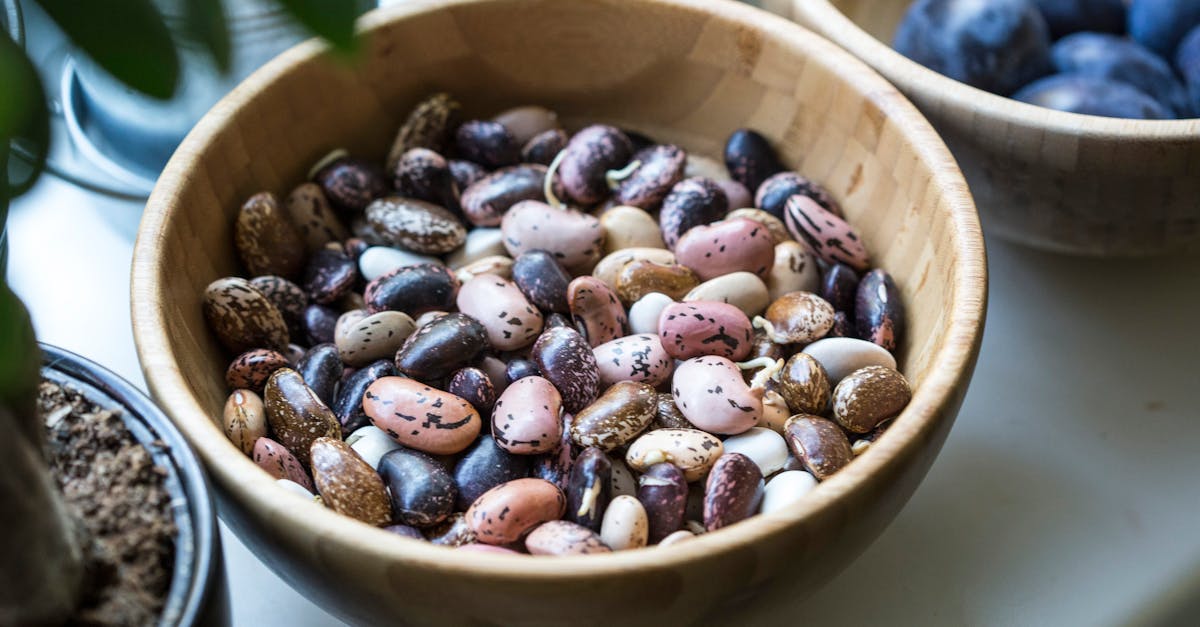
Beans are my go-to ingredient when I want big protein without spending hours on meal prep. They are cheap, shelf-stable, and versatile.
In this text I give 25 high-protein bean meals, practical cooking tips, and meal-prep plans so you can eat more protein with confidence. I write in first person and include exact serving sizes, estimated protein counts, and realistic tips I use at home.
Quick Protein Guide: Serving Sizes And Estimated Protein Per Meal
I start with a quick reference so you can plan. One cup of cooked beans typically contains 12–16 grams of protein depending on the variety (for example, 1 cup cooked black beans ≈ 15.2 g protein, USDA), which means beans give solid protein for money and volume. A standard meal that pairs 1 cup of beans with 2–3 ounces of lean meat or 2 large eggs will usually reach 25–40 g protein, which means you hit common daily protein targets for active adults.
Here is a compact table I use when I plan meals. The numbers are rounded but practical.
| Ingredient | Typical Portion | Estimated Protein | Which means… |
|---|---|---|---|
| Cooked black beans | 1 cup | 15 g | you get a strong plant protein base |
| Cooked chickpeas | 1 cup | 14.5 g | you can make hearty salads or stews that satisfy |
| Cooked lentils | 1 cup | 18 g | you get more protein per cup than many beans |
| 2 large eggs | 2 eggs | 12 g | adding eggs quickly raises total meal protein |
| 3 oz chicken breast | 3 oz | 26 g | a small portion adds major protein boost |
I recommend aiming for 20–40 g protein per main meal for most adults trying to build or maintain muscle, which means planning portions with beans plus an animal or dairy/egg option when possible. Note: individual needs vary: consult a registered dietitian if you have special goals.
How To Cook And Prepare Beans For Maximum Protein And Texture
I treat bean prep like a laboratory: small tests, quick notes, repeat. Proper cooking preserves protein and improves texture: undercooked beans can feel chalky and overcooked beans become mushy.
Two practical facts help me every time: soaking dry beans for 8–12 hours reduces cooking time by roughly 30–50% and helps even cooking, which means you save gas or electricity and improve mouthfeel. One cup dry lentils cooks in about 20 minutes with no pre-soak and yields about 2–2.5 cups cooked, which means lentils are a fast source of concentrated protein.
Here are reliable steps I follow:
- Rinse and sort dry beans to remove stones, which means you avoid gritty bites.
- Soak (if using dry beans) 8–12 hours or use quick-soak: bring to boil 2 minutes, remove from heat, soak 1 hour, which means you reduce gas time.
- Simmer gently, aggressive boiling can break skins and leach flavor, which means texture and mouthfeel stay intact.
- Salt near the end of cooking to avoid prolonged toughening of skins, which means the beans season evenly.
I also test for doneness by tasting a few beans: they should be soft inside and hold shape. One kitchen metric I use: a pot of 2 cups dried beans will make about 5 cups cooked (varies by bean), which means one batch feeds several meals.
If I use canned beans I drain and rinse them under cold water for 30 seconds, which removes excess sodium and some canning liquid, which means milder flavor and better control of salt.
High-Protein Breakfasts With Beans (4 Recipes)
I often start the day with beans because they keep me full until lunch. Each breakfast here hits roughly 18–30 g protein depending on egg or cheese additions, which means sustained energy and fewer mid-morning snacks.
Black Bean Breakfast Burrito With Scrambled Eggs
I scramble two eggs and fold in 1/2 cup cooked black beans, 1/4 cup shredded cheddar, and salsa. Two eggs + 1/2 cup black beans ≈ 19 g protein, which means you get egg protein plus plant protein without a heavy plate.
Tip: Warm the tortilla in a skillet for 20 seconds to avoid tearing, which means your burrito holds together.
Mediterranean Chickpea Shakshuka
I simmer 1 cup crushed tomatoes, 1 cup cooked chickpeas, and two eggs poached on top. Adding feta (1 oz) raises total protein to around 28 g per serving, which means you get a balanced mix of plant and dairy protein.
I like this because the tomato-acid softens chickpeas and they absorb spices nicely, which means every bite tastes integrated.
White Bean Toast With Poached Egg And Greens
I mash 1/2 cup cannellini beans with lemon and garlic and spread it on whole-grain toast, topping with one poached egg. Combined protein ≈ 18 g, which means a quick, portable breakfast that fills you.
Pinto Bean Mexican Breakfast Bowl With Avocado
I combine 1 cup cooked pinto beans, 2 scrambled egg whites + 1 whole egg, corn, and avocado. This bowl offers roughly 30 g protein when you add a tablespoon of Greek yogurt, which means you can customize fat and calories while keeping protein high.
Protein-Packed Salads And Bowls (6 Recipes)
Salads with beans scale well for packed lunches. I build bowls that reach 25–45 g protein by pairing beans with grains, cheese, or lean meat, which means you avoid weak, leafy-only salads.
Tex-Mex Black Bean And Quinoa Salad
I mix 1 cup cooked black beans, 1 cup cooked quinoa, corn, cilantro, and lime. One cup black beans + 1 cup quinoa ≈ 31 g protein, which means this bowl is meal-grade protein.
Mediterranean Chickpea Salad With Feta And Olives
I toss 1.5 cups chickpeas with 2 oz feta, cucumber, and olives. Chickpeas + feta ≈ 26 g protein, which means it’s filling and bright.
Three-Bean Protein Bowl With Brown Rice And Greens
I use 1/3 cup each of black, kidney, and cannellini beans plus 1 cup brown rice. Three-bean mix (1 cup total beans) + rice ≈ 28–32 g protein, which means variety adds micronutrients and texture. For a smoked-sausage spin, I sometimes add 3 oz lean sausage which adds 18–20 g protein (if you like meat). See a related hearty peas recipe I’ve used when I want sausage notes: Black-eyed peas with sausage recipe.
Kale, White Bean And Farro Caesar Bowl
I toss 1 cup white beans, 3/4 cup cooked farro, and kale with a light Caesar dressing and 1 oz grated Parmesan. Beans + farro + cheese ≈ 30 g protein, which means you have grain + legume synergy for staying power.
BBQ Black Bean And Sweet Potato Grain Bowl
I roast 1 cup sweet potato and pair with 1 cup black beans, 3 oz grilled chicken, and a small slaw. Add-in chicken brings total to 35–40 g protein, which means you can balance plant protein and lean meat for higher totals.
Lentil And Bean Power Bowl With Tahini Dressing
I combine 1/2 cup lentils, 1/2 cup chickpeas, 1 cup cooked barley, and tahini. Lentils + chickpeas ≈ 22 g protein and barley adds another 6–8 g, which means a dense bowl for active days.
Hearty Soups And Stews With Beans (4 Recipes)
I value soups because they stretch ingredients and freeze well. A single bowl can provide 20–35 g protein, which means soups become main meals, not appetizers.
Hearty White Bean, Kale And Sausage Soup
I simmer white beans (1.5 cups cooked), kale, and 4 oz of sliced turkey sausage. Beans + 4 oz turkey sausage ≈ 36–40 g protein, which means one pot feeds multiple high-protein meals. If you like creamy textures, try a white bean mash stirred in to thicken, which means fewer added thickeners.
Black Bean Chili With Lean Ground Meat Or Mushrooms
I make chili with 2 cups black beans, tomatoes, and either 8 oz lean ground beef or a mushroom blend to keep it vegetarian. Two cups black beans + 4 oz lean beef per serving ≈ 35–40 g protein, which means this chili carries strong protein even with plant-heavy bases. I also sometimes use canned-white-chicken-chili inspiration for spice balance: see a related warming recipe: White chicken chili recipe.
Mexican Bean And Sweet Corn Chowder
I blend white beans, sweet corn, poblano, and 1 cup low-fat milk. Each bowl with 1 cup beans + 1/2 cup milk ≈ 22 g protein, which means it’s creamy without heavy cream.
Caribbean Red Bean Stew With Coconut And Spices
I simmer red kidney beans with coconut milk, thyme, and scallion and often add 3 oz pulled pork for contrast. One cup red beans + 3 oz pork ≈ 34 g protein, which means the dish is rich and satisfying. Note: coconut milk adds fat, which means higher calories, watch portions if you’re tracking macros.
Main Courses Featuring Beans (7 Recipes)
For dinner I use beans as the main protein or as a complementary protein booster. These mains deliver 25–50 g protein depending on whether I add meat, cheese, or tofu, which means beans can anchor a serious dinner.
Vegetarian Chickpea And Spinach Curry Over Rice
I simmer chickpeas with tomatoes, spinach, and garam masala and serve over 1 cup basmati. One cup chickpeas + rice ≈ 30 g protein when I add a 1/2 cup Greek yogurt topping, which means you get tang and extra protein.
Bean And Lean Turkey Stuffed Peppers
I mix 1 cup kidney beans and 6 oz lean turkey, stuff three peppers, and bake. Per serving this hits roughly 35–40 g protein, which means stuffed peppers can be an all-in-one plate.
White Bean And Chicken Cassoulet-Style Bake
I layer chicken thighs, 2 cups cannellini beans, and herbs, then bake until crisp. Per serving with 4 oz chicken breast and beans ≈ 40 g protein, which means this dish feeds families while keeping protein high.
Black Bean And Quinoa Burgers With Whole Grain Buns
I blend 1 cup black beans + 1 cup cooked quinoa + egg and form burgers. Each burger with a bun and a slice of cheese ≈ 24–28 g protein, which means burgers don’t need red meat to satisfy.
Lentil And Bean Bolognese Over Whole Wheat Pasta
I simmer lentils and mixed beans with tomato and serve over 1.5 cups cooked whole-wheat pasta. Lentils + beans + pasta ≈ 35–38 g protein, which means a bowl equals a full meal for active eaters.
Three-Bean Enchiladas With Cheese And Salsa Verde
I fill tortillas with a mix of kidney, black, and pinto beans, add 3 oz cheese per serving and bake. Enchiladas with cheese ≈ 30–36 g protein, which means they work well for crowd meals.
Jerk-Style Red Bean And Plantain Plate
I serve stewed red beans with roasted plantain and optional 3 oz grilled fish. Beans + fish ≈ 30–35 g protein, which means Caribbean flavors can be protein-forward. For a hearty oven casserole option, I sometimes adapt structure from casseroles like baked ziti to layer and bake, this method shortens hands-on time: Baked ziti recipe for structure inspiration.
Snacks, Sides, And Dips That Boost Protein (4 Ideas)
I treat snacks as mini-meals when I need steady energy. Protein-rich snacks with beans range from 6–15 g protein, which means they can replace a sugary snack.
Crispy Roasted Chickpeas With Spice Mix
I roast 1 cup chickpeas with 1 tbsp olive oil and spice until crispy. One cup roasted chickpeas ≈ 14 g protein, which means a crunchy bag of these outperforms chips.
Spicy Black Bean Dip With Veggies Or Whole Grain Chips
I blend 1 cup black beans with lime and jalapeño. Two tablespoons of the dip with veggies gives 4–6 g protein, and a 1/2 cup serving provides 10–12 g, which means you can scale by volume.
White Bean And Herb Bruschetta
I mash 1/2 cup cannellini beans with rosemary and lemon, spread on crostini. Half-cup beans ≈ 7–8 g protein, which means a small plate can still contribute.
Warm Cannellini Bean Mash With Lemon And Garlic
I mash warm cannellini beans with garlic and a splash of lemon and serve as a side to grilled fish or chicken. One cup mash ≈ 15 g protein, which means sides can raise whole-plate totals without much extra work.
Meal Prep, Protein-Boosting Swaps, And Serving Tips
I plan most weeks around a bean batch. Batch cooking reduces evening stress and preserves protein quality, which means you save time and eat better.
Batch Cooking Schedule And Freezing Tips For Bean Meals
I cook 4 cups dried beans (makes ~10 cups cooked) on Sunday, which means I have protein-ready beans for 4–6 meals. I freeze in 1-cup portions in labeled freezer bags and thaw overnight in the fridge, which means you have measured portions ready whenever you need them.
A useful stat: pre-cooked beans frozen properly keep quality for 3 months in a standard home freezer, which means plan rotations and label dates.
Easy Ingredient Swaps To Increase Protein (Eggs, Yogurt, Tofu, Lean Meat)
If a recipe lists 1 cup beans (≈15 g protein), adding 3 oz grilled chicken adds ≈26 g, which means a small meat portion doubles meal protein. Adding 1/2 cup Greek yogurt adds about 10 g, which means you can boost sauces, dressings, or breakfasts without changing texture.
Portioning, Balancing Macronutrients, And Reheating Best Practices
I aim for 30–40% protein, 30–40% carbs, 20–30% fat in main meals: beans plus a grain + small fat (olive oil or avocado) meet this well, which means balanced meals support recovery and satiety.
Reheating tip: reheat soups and stews slowly on low heat to avoid separating fats, which means your bean textures remain pleasant. For baked dishes, reheat covered at 325°F for 15–25 minutes, which means even warming without drying.
Conclusion
I use beans because they are affordable, nutritious, and flexible. Each recipe here shows how to reach 20–40+ g protein per meal with simple pairings, which means you can hit daily protein goals with little fuss.
If you try one change this week, cook a double batch of beans and add eggs or a 3 oz lean protein to half your bowls, which means dinners and lunches will feel more satisfying and support strength or weight goals.
Quote: “A pot of beans is often the most efficient protein factory in my kitchen,” I tell friends, which means small effort yields many high-protein meals.
Further reading and recipe inspiration: if you want a spicy, warming white-chicken style bowl check the chili and soups links I mentioned earlier. Also, try the three-bean idea with sausage notes from the linked black-eyed peas recipe for a flavor anchor: Black-eyed peas with sausage recipe.
Finally, experiment. I swapped 1 cup cooked beans for half my ground meat in a burger and retained texture and flavor, which means small swaps cut cost and raise fiber without losing satisfaction.
If you want, I can convert these recipes to a 7-day meal plan with shopping lists and exact calorie/macronutrient counts.
Frequently Asked Questions
What makes the 25 high protein meals with beans effective for hitting protein targets?
The meals pair 1 cup cooked beans (≈12–16 g protein) with eggs, dairy, grains, or small portions of lean meat to reach 20–40+ g per meal. Those combinations maximize protein density, add complementary amino acids, and keep portions realistic for most active adults.
How should I cook and prep beans to preserve texture and protein for meal prep?
Rinse and sort dry beans, soak 8–12 hours (or quick-soak), simmer gently, and salt near the end. Cooked beans freeze well in 1-cup portions for about 3 months. These steps prevent mushiness, retain mouthfeel, and make batch cooking simple and protein-ready.
Can I rely on canned beans for the 25 high protein meals with beans, and how should I use them?
Yes—canned beans are convenient and protein-rich. Drain and rinse under cold water for ~30 seconds to reduce sodium and canning liquid. Use measured 1-cup portions to match recipe protein estimates and adjust seasoning after rinsing.
Are beans a complete protein, or do I need to combine them with other foods?
Most beans are lower in certain essential amino acids (like methionine) and are not complete alone. Combining beans with grains, dairy, eggs, or nuts across a meal or day creates a complete amino acid profile and boosts overall protein quality.
What easy swaps or add-ins boost protein in bean meals without changing flavor much?
Simple additions: 3 oz grilled chicken (+~26 g), 1/2 cup Greek yogurt (+~10 g), 2 large eggs (+~12 g), or 1 oz cheese (+~6–7 g). These swaps double or significantly raise protein while keeping the original bean-based flavor and texture.
