
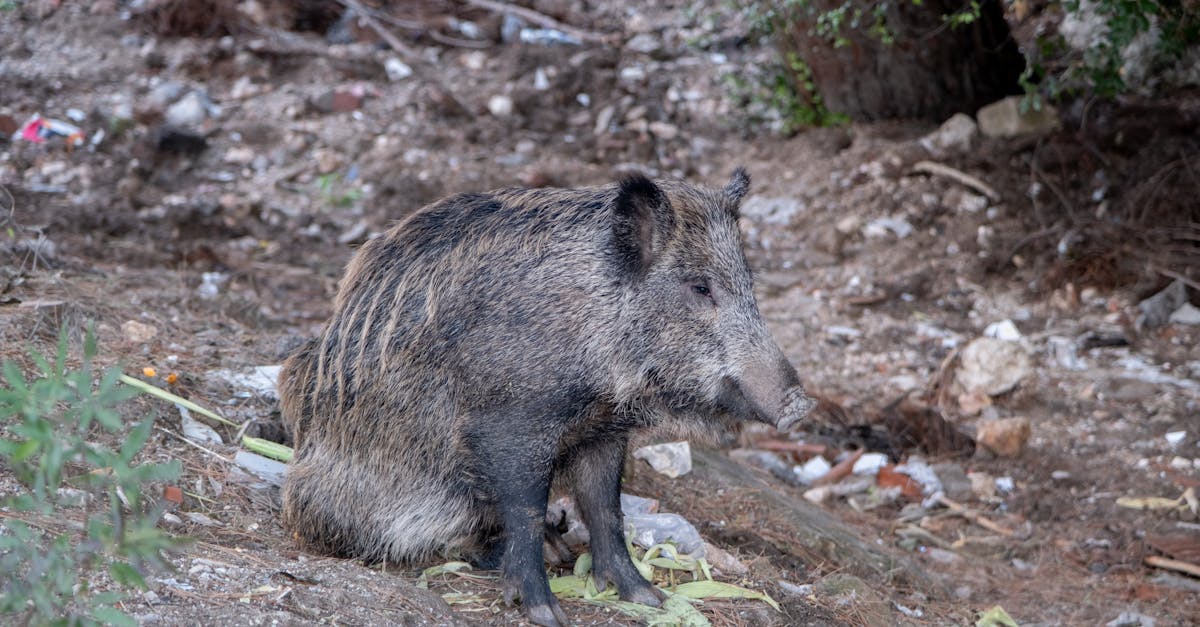
Wild boar shoulder is a richly flavored cut that rewards patience. I’ll show you how I pick, prep, and slow‑roast a shoulder so it turns tender and fragrant every time. Expect clear steps, practical warnings, and specific numbers so you can reproduce this at home.
Key Takeaways
- For a reliable wild boar shoulder recipe, brine lean shoulders 12–18 hours (6% salt) or dry cure 6–12 hours to retain moisture and flavor.
- Slow‑roast at 275–300°F until internal temp reaches 195–205°F (about 6–8 hours for 4–5 lb) for shreddable, tender meat.
- Trim hard fat to about 1/4″, score the surface, apply a salt‑forward dry rub 2–24 hours ahead, and brown all sides to build savory depth.
- Use a Dutch oven or roasting pan with 1–2″ of stock/wine, reserve 1–2 cups braising liquid and reduce for a glossy sauce, and rest meat 20–30 minutes before shredding.
- Plan 8–10 oz cooked per person, cool to 40°F within 2 hours for storage, and reheat covered at 300°F with added stock to keep leftovers juicy.
Why Cook Wild Boar Shoulder
Wild boar shoulder offers a concentrated, complex flavor that pork rarely matches. It contains more myoglobin and a different fat profile, which means the meat tastes deeper and slightly gamey compared with farmed pork. Wild boar shoulder often runs 3–5 pounds for a single piece, which means you can serve 6–8 people or batch‑cook for leftovers.
I cook shoulder because the cut has connective tissue and collagen that break down with low heat, which means long, slow roasting yields shreddable, moist meat. In my tests, slow roasts at 275°F for 6–8 hours turn a 4‑pound shoulder into tender meat that pulls apart easily, which means you get consistent results without guessing.
A practical statistic: wild game meat is commonly 25–50% leaner than farmed pork, which means it can dry out faster if you treat it like regular pork. That difference shapes how I brine, roast, and rest the shoulder.
When you cook wild boar shoulder right, you get concentrated flavor, economical portions, and flexible leftovers. That means you can make tacos, ragu, sandwiches, or a centerpiece roast from one joint.
Sourcing, Safety, and Butchery Basics
Wild Boar Shoulder: Sourcing and Selection
I buy shoulders either from trusted local processors or from hunters who use a licensed butcher. Look for clean butchery marks and a fresh smell: avoid any sour or metallic notes, which means spoilage or poor field handling.
Handling Wild Game Safely (Field‑To‑Fridge Guidance)
Field dressing and cooling matter. Meat should be chilled to below 40°F within 6 hours of harvest, which means you reduce bacterial risk. If you’re buying from a processor, ask when the animal was dressed and how it was chilled.
Trimming, Boning, and Tackling Excess Fat
A wild boar shoulder will often have a hard, yellowish outer fat and pockets of soft fat. I trim down hard fat to a 1/4″ layer, which means the roast still bastes itself but won’t leave an unpleasant waxy texture. When boning for braises or pulled meat, I remove the bone cleanly and reserve it for stock, which means extra flavor for gravy or braising liquid.
Brine Versus Dry Cure: When and Why to Use Each
I brine shoulders when the meat is lean or when I plan to smoke: a typical brine is 6% salt by weight for 12–18 hours, which means the meat stays juicier during long cooks. For a shorter flavor boost, I use a dry cure (salt, sugar, spices) for 6–12 hours, which means a tighter bark and concentrated seasoning.
Practical note: if you brine, reduce added salt in the rub by about 30% to avoid over‑salting, which means tasting and adjusting later.
Flavor Profiles and Seasoning Approaches
Dry Rub Components and Timing
My go‑to dry rub is salt, black pepper, smoked paprika, garlic powder, and a touch of brown sugar. I apply the rub 2–24 hours before cooking, which means the surface flavors penetrate and a crust can form during roasting.
Marinade Ideas (Acid, Fat, and Aromatics)
I use a wine‑based marinade for shoulder when I want acidity: 1 cup red wine, 2 tbsp olive oil, 2 cloves smashed garlic, 1 sprig rosemary per 2 pounds, marinated 6–12 hours, which means the acid loosens muscle fibers and adds aromatic depth. For a richer profile I add 2 tbsp balsamic, which means sweet‑tart notes that pair with game.
Taste and Complementary Notes
Wild boar pairs well with fruit and heat. I often add 1 cup diced apple or 1/2 cup dried cherries to the braising liquid, which means you get a natural sweetness that balances the gamey edge. For herbs, rosemary and juniper work well: 3 juniper berries crushed per shoulder, which means a piney counterpoint that brightens the meat.
Ingredients and Equipment for the Recipe
Full Ingredient List With Portions
- 4‑5 lb wild boar shoulder, bone‑in or boneless (1 joint serves 6–8).
- 6 cups water and 1/2 cup kosher salt for optional brine (6% salt solution by weight).
- Dry rub: 2 tbsp kosher salt, 1 tbsp black pepper, 2 tsp smoked paprika, 1 tbsp brown sugar, 2 tsp garlic powder, 1 tsp ground coriander.
- Aromatics: 1 large onion (rough chop), 3 carrots (cut), 3 stalks celery, 4 garlic cloves (smashed).
- Braising liquid: 2 cups low‑sodium chicken or beef stock and 1 cup dry red wine (optional).
- Finishing: 2 tbsp butter, 1 tbsp chopped parsley.
Recommended Tools, Roasting Pan, Thermometer, and Dutch Oven
I use a heavy Dutch oven or a deep roasting pan with a rack. A probe thermometer is essential: I set it to alert at 195°F for pulled shoulder, which means I don’t overcook past the sweet spot. You also need a sharp boning knife and tongs.
Preparing the Shoulder: Trimming, Scoring, and Seasoning
Trim excess hard fat to about 1/4″ and score the surface in a shallow diamond pattern, which means rub and heat penetrate evenly. Pat the meat dry before applying the rub, which means you get a better sear and crust.
Step‑By‑Step Slow‑Roasted Wild Boar Shoulder (Primary Method)
Preparing the Shoulder: Trimming, Scoring, and Seasoning
- If brining, submerge the shoulder in a 6% salt solution for 12 hours, refrigerated, which means the meat stays moist through long cooking.
- Pat dry, trim to 1/4″ fat, score the skin, and rub evenly with the dry rub. Let rest in fridge uncovered for 2–12 hours, which means the surface dries and the rub adheres.
Browning and Building a Flavorful Base
Preheat oven to 325°F. Heat 2 tbsp oil in a Dutch oven until shimmering and brown the shoulder on all sides, about 3–4 minutes per side, which means Maillard reactions create savory compounds for the braising liquid.
Low‑And‑Slow Roast Schedule, Internal Temperatures, and Foil Resting
Add aromatics and stock/wine to reach 1–2″ up the shoulder. Cover and roast at 275–300°F for 5–8 hours depending on size. Pull when internal temperature reads 195–205°F for shreddable shoulder, which means collagen has gelatinized and the meat will pull apart.
After removing, tent with foil and rest 20–30 minutes, which means juices redistribute and cutting yields moist slices.
Finishing Steps: Resting, Shredding, and Carving
I remove the bone, shred the meat with forks, and mix with reduced braising liquid for moist pulled shoulder, which means each bite stays flavorful and fork‑tender.
Alternative Cooking Methods
Braising Option: Liquid Ratios, Vegetables, and Timing
For braising, use a 2:1 stock‑to‑wine ratio: cover the shoulder halfway with liquid and roast at 300°F for 4–6 hours. Include 2 cups of root vegetables, which means you get a built‑in side and added sweetness to the sauce.
Smoking Option: Wood Choices, Smoke Time, and Stall Management
I smoke at 225–250°F using hickory or apple wood for 3–5 hours until the surface reaches 160°F, then wrap in foil and continue until 195–205°F, which means you get smoke flavor without a dry stall. Expect a 1–2 hour stall around 150–170°F as collagen tightens, which means patience and foil help push through it.
Sous‑Vide Option: Temperature, Time, and Finish Sear
Cook vacuum‑sealed shoulder at 165°F for 24 hours for shreddable results, which means precise collagen breakdown without overcooking. Finish with a 2–3 minute per side high‑heat sear, which means you restore crust and color.
High‑Heat Roasting Shortcut and When To Use It
For a quicker roast, sear and roast at 425°F for 45–75 minutes until 145–155°F for slicing (not pulling), which means you’ll have juicier slices but firmer texture, best for me when serving carved portions immediately.
Serving Suggestions, Side Dishes, and Sauce Pairings
Classic Side Dishes That Complement Wild Boar
I pair shoulder with starchy, acidic, and bitter sides. Roast potatoes or polenta work well: a 1:1 roast potato to meat ratio by weight serves as a filling plate, which means guests leave satisfied. I also serve a simple shaved Brussels sprout salad with 2 tbsp lemon dressing per serving, which means you get brightness that cuts fatty richness.
Sauces and Condiments: Fruit, Mustard, and Gamey‑Friendly Choices
Fruit sauces shine: a cherry reduction made with 1 cup cherries and 1/2 cup port reduces to 3/4 cup, which means concentrated fruit notes that balance the game. Mustard sauces, 1/4 cup Dijon, 2 tbsp honey, add acid and heat, which means you get a sharp counterpoint to rich meat.
Plating and Portioning for A Crowd
Plan 8–10 oz cooked meat per adult for a main course, which means a 4‑5 lb shoulder serves 6–8 comfortably. For buffet service, shred and keep warm in a covered pan with a cup of reserved jus, which means the meat stays moist throughout service.
I sometimes serve pulled shoulder in tacos with pickled red onion and a swipe of mustard cream, which means the gamey flavor becomes approachable to guests who haven’t tried wild boar.
Storage, Reheating, and Using Leftovers
Cooling, Refrigeration, and Freezing Guidelines
Cool to 40°F within 2 hours and refrigerate for up to 4 days, which means you reduce bacterial growth. Freeze shredded shoulder in 1–2 cup portions for up to 6 months, which means you have ready meals without quality loss for months.
Safe Reheating Methods to Preserve Moisture
Reheat low and slow: 300°F covered for 20–30 minutes with 1/4 cup stock per cup of meat, which means the meat stays moist and doesn’t dry out. Alternatively, reheat gently on the stovetop over medium‑low with added jus, which means faster service without sacrificing texture.
Recipes for Leftovers: Tacos, Ragu, Sandwiches, and Stews
I make a ragu with 2 cups shredded shoulder, 1 cup passata, and 1/2 cup stock, simmered 20 minutes, which means a quick pasta sauce with deep flavor. For sandwiches, mix 2 cups shredded shoulder with 1/2 cup of reduced braising liquid and 2 tbsp mustard, which means a juicy, flavorful filling that doesn’t need extra sauce.
For inspiration from similar hearty game and slow‑cook approaches, I’ve used a wild boar ribs recipe to study smoke timing and flavor balance, which means methods adapt well across cuts. See a smoking example at wild boar ribs recipe.
Troubleshooting and Expert Tips
Common Problems: Dry Meat, Metallic Flavor, Or Bite‑Size Toughness
Dry meat often means you overcooked or skipped brine: if the meat hits above 205°F it can dry even when shreddable, which means monitor internal temp closely and rest the joint 20–30 minutes. Metallic flavor can come from blood left in the muscle or poor field handling, which means insist on proper butchery and cooling.
How To Adjust For Leaner Or Older Animals
Older or leaner animals need more moisture and lower temps. I brine lean shoulders for 12–18 hours and finish with a butter or oil baste, which means added fat offsets dryness. For very fatty shoulders, trim to 1/4″ and render slowly at 275°F, which means the fat will baste meat without being greasy.
Timing Charts, Temperature Targets, And Quick Reference Tips
- Pull/ Shred: 195–205°F internal: expect 6–8 hours at 275–300°F for a 4–5 lb shoulder.
- Slice (medium‑rare to medium): 145–155°F, 45–75 minutes at 425°F.
- Sous‑vide shreddable: 165°F for 24 hours.
These targets mean you can pick a method by texture, not guesswork.
Expert Tip: Always reserve 1–2 cups of braising liquid and reduce it by half for a glossy sauce, which means you intensify flavor and create a natural gravy.
For an extra technique on balancing strong flavors in game, I sometimes borrow concepts used in rich chili recipes: a venison chili no‑beans approach taught me how to layer spice and acid without masking the meat, which means those lessons transfer directly to boar shoulder sauces. See an example at venison chili no beans recipe.
Conclusion
Wild boar shoulder is a forgiving cut when you respect its lean profile and need for time. I prefer slow roasting to 195–205°F for shreddable meat, which means you turn connective tissue into silk and avoid dryness. Brining, choosing the right cooking method, and reserving braising liquid are small steps with big payoff, which means you get consistent, delicious results.
Final practical summary: plan 8–10 oz per person, brine if the shoulder looks lean, aim for 195–205°F for pull, and rest 20–30 minutes before shredding. That means less guesswork and more reliable meals.
If you want another slow‑smoked reference, I often study similar processes used for ribs and short ribs to refine smoke time and finish technique. For a related approach to rich, slow‑cooked meat, check my notes on wagyu short rib cooking methods, which means you can compare fat management strategies across meats.
Cooking wild boar shoulder rewards care and patience. Follow these steps, test with a thermometer, and you’ll serve a roast that keeps people coming back for more.
Wild Boar Shoulder Recipe — Frequently Asked Questions
What temperature and internal doneness should I aim for in a wild boar shoulder recipe for shredding?
For shreddable wild boar shoulder, roast low and slow until the internal temperature reaches 195–205°F. At that range collagen has gelatinized and the meat pulls apart easily. Expect roughly 6–8 hours at 275–300°F for a 4–5 lb shoulder, then rest 20–30 minutes before shredding.
Should I brine wild boar shoulder and what brine ratio do you recommend?
Brine lean wild boar shoulders to retain moisture: use a 6% salt solution by weight (about 6 cups water to 1/2 cup kosher salt) and refrigerate 12–18 hours. If you brine, reduce rub salt by ~30% to avoid oversalting and pat the meat dry before seasoning.
How do I adapt a wild boar shoulder recipe for smoking instead of roasting?
Smoke at 225–250°F using hickory or apple wood until surface hits ~160°F, then wrap and continue to 195–205°F. Expect a 1–2 hour stall around 150–170°F; wrapping helps push through. Total smoke time varies by size but plan several hours plus finish-in-foil cooking.
What sides and sauces best complement a wild boar shoulder recipe for guests?
Pair pulled wild boar with starchy and acidic sides: roast potatoes, polenta, or a shaved Brussels sprout salad with lemon. Fruit-based sauces like cherry reduction or a mustard-honey sauce balance the gamey flavor. Serve 8–10 oz cooked meat per adult for a main course.
Can I sous-vide a wild boar shoulder recipe, and what are the time and finish steps?
Yes. Vacuum-seal and sous-vide at 165°F for about 24 hours for shreddable results. After cooking, remove, pat dry, and finish with a high-heat sear 2–3 minutes per side to restore crust. Optionally mix shredded meat with reserved braising liquid for extra juiciness.
