
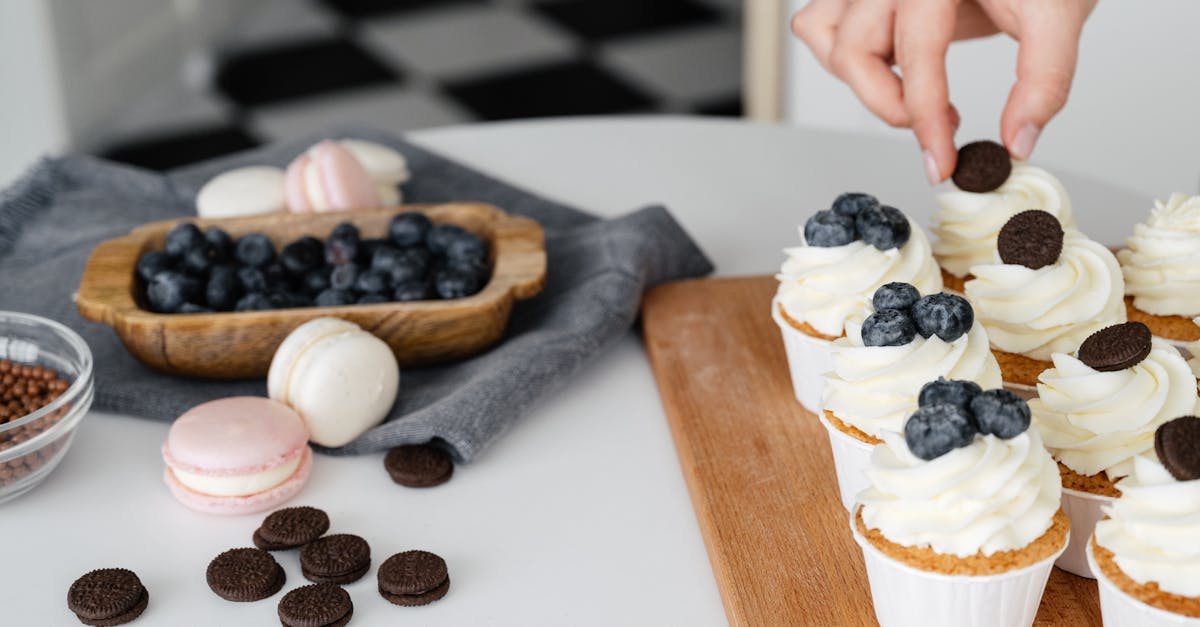
When I first started baking vegan cupcakes, I struggled to get the right texture and flavor. Over time, I learned simple tweaks that make vegan cupcakes moist, fluffy, and delicious every time. In this recipe, I’ll share essential tips and step-by-step instructions so you can enjoy plant-based cupcakes that satisfy any sweet tooth.
Key Takeaways
- Using unsweetened applesauce and ground flaxseeds effectively replaces eggs to create moist and fluffy vegan cupcakes.
- Incorporating cornstarch alongside all-purpose flour tenderizes the cupcake crumb for a lighter texture.
- Choosing mild plant-based milks like almond or oat milk and neutral oils like refined coconut oil helps maintain moisture without overpowering flavors.
- Mix wet and dry ingredients gently and avoid overmixing to prevent dense vegan cupcakes and ensure lightness.
- Bake vegan cupcakes at 350°F for 18–20 minutes, checking doneness with a clean toothpick to avoid soggy or sunken tops.
- Store vegan cupcakes in airtight containers at room temperature for up to two days, refrigerate for longer freshness, or freeze unfrosted for up to three months.
Understanding Vegan Baking Essentials
Key Ingredients for Moist and Fluffy Vegan Cupcakes
The core ingredients in vegan cupcakes replace eggs and dairy but still deliver great texture and taste. I rely on unsweetened applesauce and ground flaxseeds as egg substitutes. These bind the batter well, which means your cupcakes won’t crumble.
For flour, I prefer using all-purpose flour, which gives structure. Adding a bit of cornstarch (about 2 tablespoons per cup of flour) results in a lighter crumb because it tenderizes the texture.
Choosing the Right Plant-Based Milk and Oils
The type of plant-based milk you pick affects flavor and moisture. I usually use unsweetened almond or oat milk. Almond milk is mild, while oat milk adds a natural sweetness, both keep the batter moist.
As for oils, refined coconut oil or neutral vegetable oil work best. Unrefined coconut oil has a strong flavor that might overpower your cupcake unless you want a coconut twist. Using oil gives a tender crumb, which means softer cupcakes that stay moist longer.
Natural Sweeteners and Egg Replacements Explained
Sweetening vegan cupcakes naturally enhances their flavor without processed sugars. I prefer maple syrup or coconut sugar, which add a subtle depth to taste and contain beneficial minerals.
For egg replacements, aside from flaxseed or chia seed “eggs” (1 tablespoon ground seed + 3 tablespoons water = 1 egg), mashed banana also works well, especially in chocolate or spice cupcakes. This means you get binding agents that also bring moisture and a hint of fruity flavor.
If you avoid banana or flax, pureed silken tofu makes a neutral binder, which means your cupcakes remain fluffy without added tastes interfering.
Step-by-Step Guide to Making Vegan Cupcakes
Preparing the Batter: Tips for Perfect Texture
Start by whisking your dry ingredients together, flour, baking powder, baking soda, salt, and any spices. In another bowl, combine your wet ingredients: plant milk, oil, sweetener, and your egg replacement.
Mix wet and dry ingredients gently: overmixing can make cupcakes dense. I recommend folding the batter just until combined. This means you avoid tough cupcakes and keep them light.
Baking Techniques to Ensure Even Cooking
Preheat your oven to 350°F (175°C) and use a standard 12-cup muffin tin lined with paper liners. Fill each cup about 2/3 full to allow room for rising.
Bake for about 18-20 minutes. Use a toothpick to check doneness: it should come out clean or with a few moist crumbs. Avoid opening the oven early because sudden temperature changes can cause sinking tops. Even baking means no soggy centers or burnt edges.
Delicious Vegan Frosting Options
Classic Vanilla and Chocolate Frostings
For a vanilla frosting, I blend vegan butter, powdered sugar, vanilla extract, and a splash of plant milk until smooth. This means you get a creamy, sweet topping that complements any cupcake flavor.
Chocolate frosting uses dairy-free cocoa powder with vegan butter and powdered sugar, offering a rich, indulgent finish. The cocoa powder’s antioxidants mean you enjoy a healthier dessert option.
Creative and Seasonal Vegan Frosting Ideas
Try frosting with mascarpone-style cashew cream blended with maple syrup and lemon zest for a bright, tangy twist. This means you introduce fresh, seasonal flavors that surprise the palate.
Pumpkin spice frosting made from pumpkin puree, cinnamon, nutmeg, and vegan cream cheese adds warmth perfect for fall. This means the frosting ties into the season, enhancing the cupcake’s appeal.
You can also explore frozen fruit purees like raspberry or blueberry mixed into frosting for natural color and fruity notes that also increase antioxidants.
Troubleshooting Common Vegan Baking Problems
Sometimes vegan cupcakes turn out dry or dense. This usually happens when you overmix or bake too long. Using the right amount of oil and liquid is crucial: too little leads to dryness, too much causes sogginess.
If cupcakes collapse, check your baking powder’s freshness. Old leavening agents lose effectiveness, which means your cupcakes won’t rise properly.
If your frosting is too runny, add more powdered sugar incrementally. If too stiff, add plant milk by the teaspoon. This means precise adjustments ensure a perfect spreadable consistency.
For dense or heavy cupcakes, try sifting flour and incorporate air by gentle folding. This means you keep the cupcakes light and airy.
How to Store and Serve Vegan Cupcakes
Vegan cupcakes keep best in an airtight container at room temperature for up to two days. This means you maintain moisture and prevent drying out.
For longer storage, refrigerate them for up to a week, but bring them to room temperature before serving. You can also freeze unfrosted cupcakes wrapped in plastic wrap and foil for up to 3 months. Thaw them overnight in the fridge, then frost freshly for best taste.
Serving tip: Complement your cupcakes with plant-based milks or coffees with oat milk for a perfectly paired dessert experience.
Conclusion
Making vegan cupcakes doesn’t have to be complicated. By choosing the right ingredients and following careful mixing and baking methods, you can create moist, fluffy, and flavorful treats. Experiment with frostings like classic vanilla or creative seasonal options to match your mood or occasion.
Give these techniques a try, and I’m confident you’ll enjoy vegan cupcakes that impress, whether you bake for yourself, family, or friends. For more inspiring plant-based recipes, check out my TVP Loaf Recipe and Sweet Feed Moonshine Recipe, which bring excitement to vegan cooking and entertaining.
Vegan Cupcake Recipe FAQs
What are the best egg substitutes for vegan cupcakes?
The best egg substitutes for vegan cupcakes include unsweetened applesauce, ground flaxseeds mixed with water, mashed banana, and pureed silken tofu. These bind the batter well and help maintain moisture and texture.
How can I make vegan cupcakes moist and fluffy?
To make vegan cupcakes moist and fluffy, use all-purpose flour with a bit of cornstarch, choose plant-based milks like almond or oat milk for moisture, and incorporate oils such as refined coconut or neutral vegetable oil. Gently fold the batter to avoid toughness and avoid overbaking.
What are some natural sweeteners suitable for vegan cupcake recipes?
Natural sweeteners like maple syrup and coconut sugar work well in vegan cupcakes, adding subtle depth and beneficial minerals without using processed sugars.
How should I store vegan cupcakes to keep them fresh?
Store vegan cupcakes in an airtight container at room temperature for up to two days, refrigerate up to a week (bringing them to room temperature before serving), or freeze unfrosted cupcakes wrapped tightly for up to three months.
Can I use any plant-based milk in vegan cupcakes? Which ones are best?
You can use various plant-based milks, but unsweetened almond and oat milks are best for vegan cupcakes. Almond milk offers a mild flavor, while oat milk adds natural sweetness, both helping keep cupcakes moist.
Why do vegan cupcakes sometimes turn out dry or dense?
Vegan cupcakes may be dry or dense due to overmixing the batter, baking too long, or using too little oil or liquid. Ensuring fresh baking powder and gently folding the batter can help keep cupcakes light and moist.
