
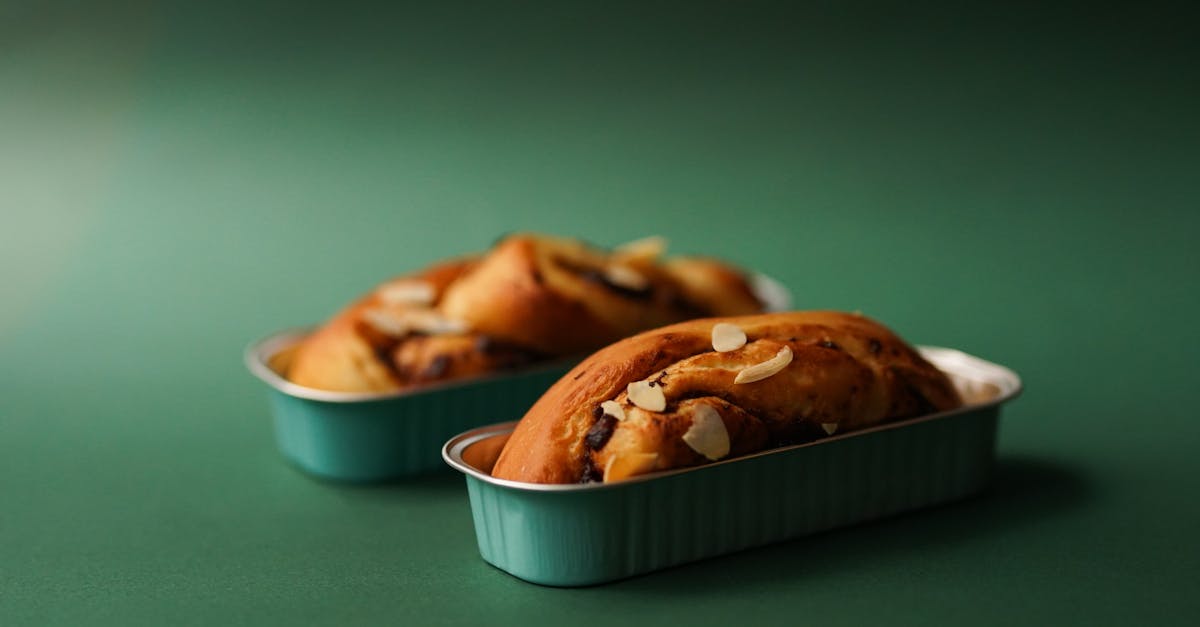
The first time I pulled vegan brioche rolls from my oven, I expected “pretty good for vegan.”
Instead, I got thin, shattering crust, a buttery (but butter-free) aroma, and a soft crumb that tore in long strands. Then I piped in cold vanilla custard and watched it settle like satin.
This post gives you my exact, repeatable method for vegan brioche rolls with custard, with clear cues, temperatures, and fixes. I wrote it for real home kitchens: one mixer (or your hands), one saucepan, and a little patience.
Key Takeaways
- This vegan brioche rolls with custard recipe gets true brioche richness by combining fat, sugar, and strong gluten—not eggs—so the crumb still tears in long, soft strands.
- Use the right swaps for consistent results: aquafaba + starch for egg-like binding, vegan block butter for structure, and soy milk for the best browning and tenderness.
- Knead enriched dough to a clear windowpane and expect slower fermentation, so you proof by cues (puffy dome, slow dent, and a jiggly pan) instead of watching the clock.
- Cook vegan custard to 185–190°F until ridges hold, then chill it with wrap pressed on the surface so it pipes smoothly without forming a skin.
- For the cleanest finish, bake the rolls first and fill with cold custard after cooling, which prevents leaks, soggy crumb, and custard that runs in the pan.
- Bake at 350°F in a metal 9×13 pan until the center hits 190–195°F, then consider a soy-milk wash or simple syrup to lock in a bakery-style shine and softness.
What Makes Brioche Rolls Vegan (And Still Rich)
The surprise is that brioche richness does not come from eggs alone.
Brioche gets its signature feel from fat + sugar + strong gluten, which means you can copy the “enriched dough” effect with plant-based swaps.
A classic brioche can carry 30%–50% butter by flour weight, which means the dough needs strong structure to rise. I aim for 35% vegan butter in this recipe, which means you get a plush crumb without a greasy bite.
“Enriched dough rises slower.” I plan for that every time, which means I stop watching the clock and start watching the dough.
Key Ingredient Swaps For Eggs, Butter, And Dairy
I use swaps that behave like the originals.
- Eggs → aquafaba + starch which means you get binding and a little lift without egg flavor.
- Butter → vegan block butter (not tub spread) which means you get solid fat that laminates into the dough instead of melting into oil.
- Milk → soy milk or oat milk which means you get tenderness and browning (soy browns best because of higher protein).
Concrete note: Aquafaba (liquid from chickpeas) contains proteins and starches that foam and set with heat, which means it helps the crumb hold shape.
How Enrichment Affects Texture, Rise, And Flavor
Enrichment fights gluten.
Fat coats flour proteins, which means gluten forms more slowly. Sugar also pulls water away from flour, which means yeast works harder.
That is why I use bread flour and I knead longer.
- More fat which means more tenderness and a finer crumb.
- More sugar which means more browning and a softer bite.
- More kneading which means better rise and less “cakey” texture.
Data point: King Arthur Baking notes that enriched doughs often need longer rises because sugar and fat slow yeast activity, which means you should expect a gentler, slower proof than lean bread. I follow their guidance on “dough cues over time” when I test enriched doughs. (Reference: King Arthur Baking’s yeast and enriched dough guidance).
If you want a separate project for the same “enriched dough” skill set, my process feels similar to shaping and glazing donuts like these best-ever old-fashioned donut steps, which means your hands learn tension, sealing, and proof timing fast.
Ingredients And Equipment You’ll Need
You will smell vanilla, warm sugar, and yeast within 15 minutes.
You will also need measured ingredients. Brioche forgives vibes less than sandwich bread, which means I strongly prefer a scale.
Dough Ingredients For Vegan Brioche Rolls
This makes 12 rolls in a 9×13-inch pan.
| Ingredient | Amount (grams) | Why I use it |
|---|---|---|
| Bread flour | 500 g | Higher protein, which means better structure under heavy fat |
| Instant yeast | 7 g (2 1/4 tsp) | Reliable rise, which means fewer variables |
| Fine salt | 10 g | Flavor control, which means the rolls taste “bakery,” not bland |
| Granulated sugar | 60 g | Softness + browning, which means a tender crumb and golden top |
| Unsweetened soy milk, lukewarm | 220 g | Protein for color, which means better browning |
| Aquafaba (from canned chickpeas) | 90 g | Binding, which means less crumble |
| Vegan block butter, cool | 175 g | Richness, which means real brioche mouthfeel |
| Vanilla extract | 6 g (1 1/2 tsp) | Aroma, which means the dough tastes sweet even before filling |
Optional: 1 tsp orange zest, which means you get a subtle “panettone” note.
Custard Ingredients And Thickening Options
I make a pastry-cream-style vegan custard.
| Ingredient | Amount | What it does |
|---|---|---|
| Unsweetened soy milk | 480 g (2 cups) | Body and browning, which means a custard that tastes “dairy-like” |
| Sugar | 80–100 g | Sweetness, which means you can match bakery filling |
| Cornstarch | 40 g | Primary thickener, which means clean slice and stable piping |
| Vegan butter | 20 g | Silkiness, which means no chalky finish |
| Vanilla bean paste or extract | 10 g (2 tsp) | Flavor, which means the custard tastes expensive |
| Pinch of salt | , | Balance, which means vanilla reads stronger |
Thickening options:
- Cornstarch (my default) which means glossy custard.
- Tapioca starch (use 30 g) which means a slightly stretchy custard.
- Agar (0.8–1.0 g) which means a very firm set, but it can feel “gelled.”
Recommended Tools For Consistent Results
Tools change outcomes.
- Digital scale which means repeatable dough hydration.
- Stand mixer with dough hook (helpful) which means better gluten without over-heating your hands.
- Instant-read thermometer which means you hit safe, exact custard thickness and proof targets.
- 9×13-inch metal pan which means faster heat transfer and better rise.
- Piping bag + medium round tip which means you fill neatly without tearing.
If you love old-school baking archives for ingredient ideas and ratios, I still browse Family Circle Magazine recipe archives, which means I can cross-check classic textures while I veganize them.
Make The Vegan Custard (Pastry Cream-Style)
The custard goes from thin to thick in about 30 seconds.
That moment feels like magic the first time, which means you should stay at the stove and whisk like you mean it.
Cook-To-Thickness Cues And Temperature Targets
I cook custard before I start the dough, which means it can chill while the dough rises.
Step-by-step:
- Add soy milk + sugar + salt to a saucepan. Heat to steaming, not boiling, which means you dissolve sugar without scorching.
- In a bowl, whisk cornstarch + a splash of cold soy milk into a slurry. Add vanilla.
- Pour hot milk into the slurry slowly while whisking, which means you prevent lumps.
- Return mixture to the pan. Cook on medium and whisk constantly.
- Stop when you see big, slow bubbles and the whisk leaves ridges that hold 2 seconds.
Temperature target: I take custard to 185°F–190°F (85°C–88°C), which means the starch fully gelatinizes and the custard stays thick after cooling.
My real test: I dip a spoon and draw a line with my finger. The line stays clean, which means it is pipe-ready once cold.
Warning: If you boil hard for 2+ minutes, you can thin cornstarch custard later, which means you get a runny filling on day two.
Cooling, Covering, And Preventing A Skin
Custard forms a skin fast.
I press plastic wrap directly on the surface, which means the top stays smooth.
- Cool at room temp for 20 minutes, which means it stops cooking.
- Chill for 2 hours minimum, which means it firms up for piping.
Food safety note: The USDA recommends keeping perishable foods out of the “danger zone” (40°F–140°F) for more than 2 hours, which means you should refrigerate custard promptly once it stops steaming. (Reference: USDA Food Safety “Danger Zone”).
Make The Vegan Brioche Dough
The dough starts shaggy, then it turns glossy and elastic.
That transformation is your green light, which means you do not need eggs to hit “brioche.”
Mixing And Kneading: Windowpane Without Eggs
I use a stand mixer, but I have made this by hand.
Step-by-step:
- Mix flour, yeast, sugar, salt in a bowl.
- Add soy milk, aquafaba, vanilla. Mix until no dry flour remains.
- Knead 8 minutes on medium (or 12–15 minutes by hand).
Windowpane test: Stretch a walnut-sized piece thin. You should see light through it before it tears, which means gluten can trap gas during proof.
Data point: Bread flour often sits around 12%–13% protein, which means it builds a stronger network than all-purpose flour. (Values vary by brand, but the range holds for major US flours.)
Adding Vegan Butter: Timing And Emulsification Tips
Butter goes in after gluten starts.
If you add fat too early, fat blocks hydration, which means kneading takes much longer.
Step-by-step:
- Cut vegan butter into 1-inch cubes.
- Add butter one cube at a time with the mixer running.
- Wait until each cube disappears before the next, which means the dough emulsifies instead of smearing.
- Knead 6–10 minutes more until smooth and slightly tacky.
The finished dough feels cool and satiny, which means the fat dispersed well.
Warning: If the dough climbs the hook and looks greasy, the butter got too warm, which means you should chill the bowl for 10 minutes and resume.
First Rise: How To Tell When It’s Ready
I proof in a lightly oiled bowl.
I aim for 75°F–80°F dough temperature, which means yeast works steadily without melting the butter.
Readiness cues:
- Volume increases by about 70%–100%.
- The surface looks puffy and domed.
- A fingertip press leaves a dent that fills slowly, which means the dough holds gas.
Timing: Usually 90–150 minutes depending on kitchen temp, which means you should plan a window, not a minute.
If you want another enriched dough day later, a glaze-and-fry project like this donut glaze that hardens uses similar “temperature + timing” discipline, which means your instincts sharpen.
Shape, Fill, And Proof The Rolls
When you shape brioche, the dough suddenly feels alive.
It springs back under your palms, which means the gluten is doing its job.
Shaping Options: Knots, Swirls, And Pull-Apart Rolls
I use three shapes depending on the occasion.
| Shape | Best for | How I do it |
|---|---|---|
| Pull-apart balls | Soft center pieces | Divide into 12, round tight, nestle in pan |
| Swirls | Maximum custard exposure | Roll into a rectangle, spread custard, roll and slice |
| Knots | Bakery look | Roll ropes, tie loose knot, tuck ends |
My pick for custard filling: Pull-apart balls with post-bake filling, which means you avoid leaks.
Weights: I portion at ~85 g per roll, which means they bake evenly.
How To Fill With Custard Without Leaks
Custard can escape through seams.
I fill after baking most of the time, which means the custard stays thick and the crumb stays dry.
Option A (cleanest): Fill after baking
- Cool rolls 20–30 minutes.
- Poke a hole with a chopstick.
- Pipe 25–35 g custard into each roll.
Option B (more dramatic): Bake with custard inside
- Flatten each piece into a disk.
- Add 1 heaping teaspoon cold custard.
- Pinch seams tight and place seam-side down.
Warning: Warm custard thins, which means it will run and glue your rolls to the pan.
Second Proof: Avoiding Underproofing And Overproofing
Second proof decides your final crumb.
I proof until rolls look “marshmallowy,” which means the interior will bake fluffy.
Targets:
- Rolls expand by 50%–80%.
- The dough jiggles when you shake the pan.
- Finger dent springs back slowly but not fully.
Timing: Usually 45–90 minutes at 75°F–80°F, which means you should check at 40 minutes.
Underproof signs: Tight, smooth tops and fast spring-back, which means you will get dense centers.
Overproof signs: Wrinkled tops and weak structure, which means the rolls can collapse when baked.
Bake And Finish For A Bakery-Style Look
The kitchen smells like vanilla and warm sugar the second the tops turn golden.
That color shift happens fast, which means you should set a timer and trust your thermometer.
Oven Setup, Pan Choice, And Bake-Time Indicators
I preheat fully.
A hot oven gives fast spring, which means the rolls lift before the crust sets.
Setup:
- Oven: 350°F (177°C)
- Rack: middle
- Pan: metal 9×13 for best rise, which means better heat transfer than glass.
Bake time: 22–28 minutes.
Doneness indicators:
- Tops reach a deep golden brown.
- Center roll hits 190°F–195°F, which means the crumb finished setting.
Vegan “Egg Wash” Alternatives For Shine And Color
Egg wash mainly gives shine.
I use one of these.
| Wash | Mix | Result |
|---|---|---|
| Soy milk + maple | 2 tbsp soy milk + 1 tsp maple | Strong browning, which means a classic brioche look |
| Aquafaba | straight aquafaba | High shine, which means a glossy finish |
| Melted vegan butter | brush lightly | Soft crust, which means a tender bite |
I brush gently to avoid deflating, which means I keep that proofed volume.
Optional Finishes: Sugar Syrup, Streusel, Or Glaze
Finishes change the whole experience.
- Simple syrup (30 g sugar + 30 g water, boiled 1 minute) brushed hot, which means the crust stays soft for 24 hours.
- Streusel (50 g flour, 35 g sugar, 35 g vegan butter) sprinkled before baking, which means you add crunch to a soft roll.
- Vanilla glaze (120 g powdered sugar + 20–30 g soy milk) drizzled after cooling, which means you get that bakery case shine.
If you like crisp-sweet toppers, a candy-style sheet treat like this graham cracker Christmas crack scratches the same “buttery crunch” itch, which means you can build a full dessert table with shared ingredients.
Troubleshooting Common Problems
Every baker hits a weird batch.
I keep notes on the failures, which means my next batch improves fast.
Dense Or Dry Rolls: Causes And Fixes
Dense rolls feel heavy.
They usually come from one of three issues, which means you can fix them with one clear change.
| Problem | Likely cause | Fix |
|---|---|---|
| Dense center | Underproofed | Proof longer until jiggly, which means more gas and lift |
| Dry crumb | Too much flour | Weigh flour and keep dough tacky, which means better moisture |
| Tight texture | Weak gluten | Knead to windowpane, which means stronger rise |
My real-world note: When I rush the second proof by 20 minutes, I get a gummy center, which means timing matters more than yeast quantity.
Custard Too Runny Or Too Thick: How To Adjust
Custard behaves like a switch.
Small changes matter, which means you should measure starch.
- Too runny after chilling: Reheat and whisk in 5 g cornstarch mixed with 10 g cold milk, which means you increase gel strength.
- Too thick to pipe: Whisk in 15–30 g cold soy milk until smooth, which means you loosen without making it watery.
Data point: Cornstarch thickens as it cools because starch granules set, which means “perfect hot” often becomes “too thick cold.”
Splitting, Leaking, Or Collapsing: Prevention Tips
Leaking looks dramatic.
It also tastes fine, but it wastes custard, which means I prevent it upfront.
- Seal seams with a firm pinch, which means custard stays trapped.
- Use cold custard only, which means it holds shape.
- Do not overproof, which means the dough keeps strength in the oven.
- Bake to 190°F–195°F internal, which means the crumb sets and does not sink.
Honest assessment: Baking custard inside the dough is less reliable. I do it for photos, which means I accept a higher leak rate.
Make-Ahead, Storage, And Reheating
These rolls taste best when warm and freshly filled.
But life happens, which means you need a plan that still delivers soft bread.
Overnight Dough And Chilling Schedules
Cold dough feels calmer.
It shapes cleaner, which means you get tighter surface tension.
Overnight schedule (my favorite):
- Mix and knead fully.
- Let rise at room temp 45–60 minutes.
- Cover and refrigerate 8–16 hours.
- Next day, shape cold dough.
- Proof 60–120 minutes (cold dough proofs slower), which means you need extra time.
Data point: Many enriched doughs benefit from cold fermentation because flavor compounds build slowly, which means you get deeper “buttery” notes without butter.
Storing Custard Safely And Keeping Rolls Soft
Custard stores well when cold.
I keep it in a sealed container with wrap on the surface, which means no skin and no fridge odors.
- Custard: up to 3 days refrigerated, which means you can prep ahead.
- Baked rolls (unfilled): 2 days at room temp in a sealed bag, which means they stay soft.
If you fill rolls, store them chilled and eat within 24 hours, which means the crumb stays tender and the custard stays safe.
Freezing And Refreshing For Best Texture
Freezing works best before filling.
Custard can weep after freezing, which means the texture can turn grainy.
Freeze:
- Wrap unfilled rolls individually. Freeze up to 1 month, which means you can bake once and snack later.
Reheat:
- Thaw at room temp 45 minutes.
- Warm at 300°F for 8–10 minutes, which means the crumb softens without drying.
After warming, pipe cold custard, which means you keep the filling thick.
Conclusion
When you bite into a good vegan brioche roll, you should feel the crumb pull apart in strands.
You should also taste vanilla custard that stays put, which means the method worked.
If you take only three things from my vegan brioche rolls with custard recipe, take these:
- Knead to windowpane, which means the dough can lift even with lots of fat.
- Proof by jiggle and dent, which means you stop guessing.
- Fill with cold custard (often after baking), which means you avoid leaks and soggy bread.
Next time you bake them, change one variable and write it down. I do that every batch, which means the rolls keep getting better, quietly, predictably, and with zero eggs.
Frequently Asked Questions (Vegan Brioche Rolls With Custard)
What makes this vegan brioche rolls with custard recipe taste rich without eggs or dairy?
Rich brioche texture comes from an enriched dough: plenty of fat, sugar, and strong gluten—not eggs alone. This vegan brioche rolls with custard recipe uses vegan block butter for structure, aquafaba + starch for binding, and bread flour for a tall, shreddable crumb.
How do I know when vegan brioche dough is kneaded enough (windowpane test)?
After mixing, knead until the dough turns glossy, elastic, and slightly tacky. Stretch a walnut-sized piece thin—if you can see light through it before it tears, it’s passed the windowpane test. That gluten strength helps enriched vegan dough rise well.
Why do vegan brioche rolls take longer to rise than regular bread?
Enriched dough rises slower because fat coats flour proteins and sugar competes for water, making yeast work harder. Plan to proof by dough cues, not the clock: look for a puffy dome, 70%–100% growth on the first rise, and a slow-filling dent.
Should I fill vegan brioche rolls with custard before or after baking to prevent leaks?
For the cleanest results, fill after baking. Cool rolls 20–30 minutes, poke a hole (like with a chopstick), then pipe 25–35 g of cold custard into each roll. Cold custard stays thick, while warm custard thins and can leak or make bread soggy.
What temperature should vegan custard reach so it thickens and pipes well?
Cook pastry-cream-style vegan custard to about 185°F–190°F (85°C–88°C) while whisking constantly. Stop when you see big slow bubbles and whisk trails that briefly hold. Chill at least 2 hours with plastic wrap pressed on the surface to prevent skin.
Can I make vegan brioche rolls with custard recipe ahead of time or freeze them?
Yes. For overnight dough, refrigerate after a short room-temp rise, then shape cold and proof longer the next day. Freeze baked rolls unfilled (up to 1 month), thaw, and warm at 300°F for 8–10 minutes. Pipe cold custard after reheating for best texture.
