
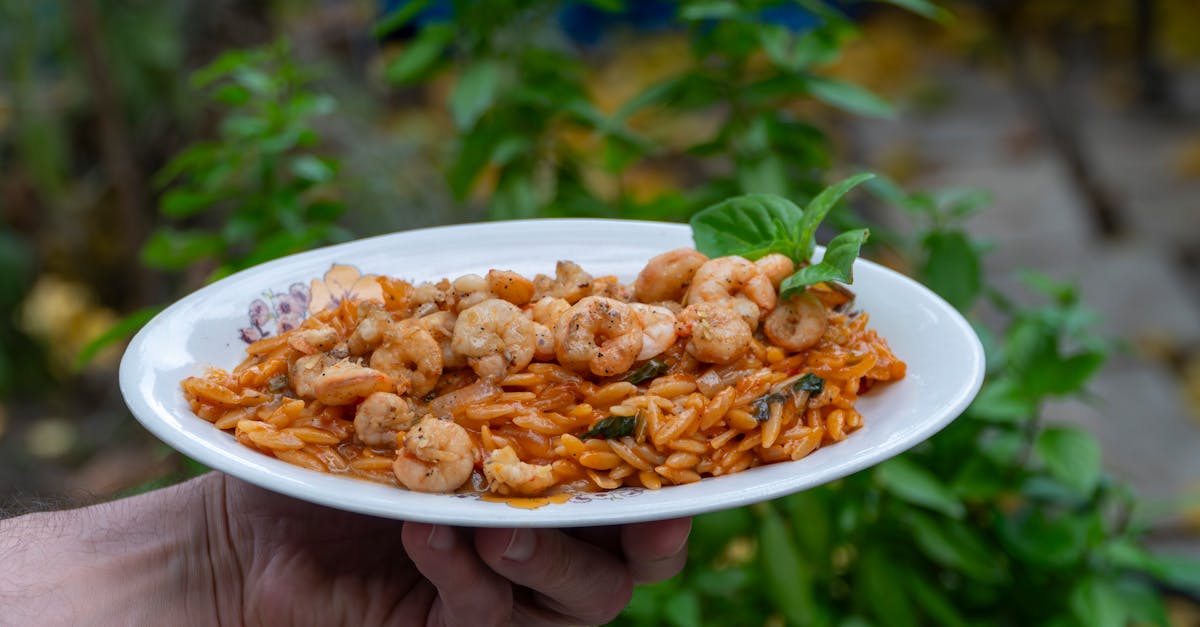
The first time I nailed this Tuscan orzo recipe, the pan looked like a small miracle: glossy pasta, bright green spinach, and little red pockets of sun-dried tomato oil floating on top. I took one bite and got that warm, restaurant-style “how is this so creamy?” feeling, without a second pot.
This is one-pan Tuscan orzo that eats like a cozy risotto but cooks like weeknight pasta. I’ll show you the exact steps I use, what to swap when your fridge is half empty, and how to fix the common “oops” moments (too thick, too salty, too mushy).
Key Takeaways
- This one-pan Tuscan orzo recipe turns broth and orzo starch into a creamy, risotto-like sauce in about 25 minutes with minimal cleanup.
- Build big Tuscan flavor fast by blooming garlic in olive oil (or sun-dried tomato oil), then toasting the orzo before adding broth and scraping up browned bits.
- Use low-sodium broth to control salt since Parmesan and oil-packed sun-dried tomatoes add plenty of seasoning on their own.
- Cook orzo just shy of done, then finish on low with spinach, cream, and Parmesan so the sauce stays glossy instead of turning gummy.
- Fix common issues quickly: add hot broth if it’s too thick, simmer uncovered if it’s too thin, and avoid hard boiling to prevent mushy, gluey pasta.
- Customize Tuscan orzo with easy swaps (kale, mushrooms, beans, chicken, shrimp) and brighten the finish with lemon, basil, or a splash of vinegar for a lighter bite.
What Makes This Tuscan Orzo Taste Like Tuscany
The surprise with this dish is how quickly the aroma changes. Garlic hits the hot pan, the tomato oil blooms, and suddenly your kitchen smells like a small trattoria.
Tuscan-style cooking often relies on simple ingredients with strong identity, which means each item has a job.
“Tuscany tastes like good olive oil, garlic, and aged cheese, plus greens and acidity to keep it lively.”
I built this version around that idea, but I kept it weeknight-fast.
Key Flavors: Garlic, Sun-Dried Tomatoes, Spinach, And Parmesan
Garlic brings a sharp base, which means the dish tastes savory even before cheese.
Sun-dried tomatoes (oil-packed) add sweet-tart intensity, which means you get big flavor without long simmer time.
Baby spinach adds iron-rich, earthy freshness, which means the pasta does not feel heavy.
Parmesan adds salt, nuttiness, and body, which means the sauce turns silky with less cream.
A concrete data point that matters: Parmesan is naturally low in lactose because aging breaks down lactose, which means many people who avoid milk can still tolerate a small amount (source: USDA FoodData Central for cheese composition and standard dairy nutrition data).
Choosing The Right Orzo And Broth For Best Texture
I use standard dried orzo (semolina), which means it releases starch and thickens the pan sauce.
If you use whole wheat orzo, expect a firmer bite, which means you may need an extra 1/4 cup broth.
Broth choice changes everything:
- Chicken broth tastes rounder, which means the dish feels more like a full dinner.
- Vegetable broth tastes lighter, which means the tomatoes and herbs stand out.
- Low-sodium broth gives you control, which means you can add Parmesan without oversalting.
A useful number: most boxed broths contain ~600–800 mg sodium per cup depending on brand, which means “regular” broth can push this dish salty fast if you also add salty cheese (source: USDA FoodData Central and typical label ranges).
My texture rule: I cook orzo to just shy of done, which means carryover heat finishes it without turning it gummy.
Ingredients You’ll Need And Smart Substitutions
You don’t need a perfect pantry for this. You need the right types of ingredients, which means you can swap brands and still get the same vibe.
Below is the ingredient list I actually use at home, plus the swaps I reach for when I’m out of something.
Base Ingredients (my standard)
| Ingredient | Amount | Why it matters | Swap if needed |
|---|---|---|---|
| Olive oil | 1–2 tbsp | Helps bloom garlic, which means bigger aroma | Sun-dried tomato oil |
| Garlic | 4 cloves, minced | Builds the base, which means less need for extra salt | 1 tsp garlic paste |
| Onion or shallot | 1/2 cup chopped | Adds sweetness, which means balance | Leek (white part) |
| Sun-dried tomatoes (oil-packed) | 1/2 cup chopped | Adds tang + richness, which means “Tuscan” flavor fast | Roasted red peppers + 1 tsp vinegar |
| Orzo | 1 cup (about 7 oz) | Thickens like risotto, which means creamy sauce | Ditalini (cook time changes) |
| Broth (low sodium) | 2 1/2 to 3 cups | Controls texture, which means you can go saucy or thick | Water + bouillon (careful) |
| Baby spinach | 3–4 packed cups | Adds color + freshness, which means less heaviness | Kale (thin-sliced) |
| Heavy cream | 1/3 cup | Adds richness, which means velvet finish | Half-and-half |
| Parmesan | 1/2 cup finely grated | Adds body + umami, which means creaminess without flour | Pecorino (use less) |
| Italian herbs | 1 tsp | Adds lift, which means less “flat” taste | Basil + oregano |
| Black pepper | 1/2 tsp | Cuts richness, which means clean finish | Red pepper flakes |
| Lemon (optional) | 1–2 tsp juice | Brightens, which means you taste tomatoes more | White wine vinegar |
Dairy Options: Cream, Half-And-Half, Or Cream-Free Alternatives
Heavy cream gives the smoothest finish, which means the sauce stays stable even if you simmer a bit too long.
Half-and-half works well, which means you cut richness but keep a dairy finish.
For cream-free versions, I use one of these:
- Unsweetened canned coconut milk (2–3 tbsp), which means you get body without dairy (use a small amount so it does not taste tropical).
- Cashew cream (1/4 cup), which means you get thickness from nuts.
- Extra Parmesan + a splash of pasta water/broth, which means starch and cheese do the job together.
A real number: heavy cream is typically 36% milkfat, which means it resists curdling better than lower-fat dairy when heated (source: standard dairy labeling guidance: see FDA food labeling resources).
Protein Add-Ins: Chicken, Shrimp, Sausage, Or White Beans
This dish welcomes protein, but timing matters.
- Chicken (1 to 1 1/2 cups cooked, shredded) goes in near the end, which means it stays juicy.
- Shrimp (12–16 large, peeled) goes in for the last 3–4 minutes, which means it stays tender.
- Italian sausage (8 oz, browned first) adds fennel and fat, which means you can reduce added oil.
- White beans (1 can, rinsed) make it hearty, which means you get a meatless dinner with protein.
I often use beans on busy nights because one can gives about 21 grams of protein total (varies by bean), which means you get staying power without extra cooking (source: USDA FoodData Central).
Vegetable Swaps: Kale, Zucchini, Mushrooms, And Roasted Peppers
You can shift the vegetables based on season.
- Kale needs 2–3 extra minutes, which means you add it earlier than spinach.
- Zucchini (1 cup diced) cooks fast, which means it keeps a fresh bite.
- Mushrooms (8 oz sliced) add depth, which means you get a more “meaty” feel.
- Roasted red peppers (1/2 cup) add sweetness, which means you can reduce sun-dried tomatoes.
If you want another Italian-flavored side to pair later, I sometimes do a bright herb dressing like this balsamic basil vinaigrette recipe, which means the meal feels fresh even if the orzo is rich.
Step-By-Step Tuscan Orzo Recipe (One Pan)
The best moment happens at minute 8. The broth turns cloudy from starch, and the spoon starts leaving trails, which means the sauce is building itself.
I tested this method in a 12-inch skillet and a 3.5-quart sauté pan. The wider pan won, which means the orzo cooks more evenly and sticks less.
Quick Recipe Snapshot
| Detail | Target |
|---|---|
| Total time | ~25 minutes |
| Pan | 12-inch skillet with lid |
| Yield | 4 bowls as a main, 6 as a side |
| Texture | Creamy and spoonable |
Ingredients (for 4 main servings)
- 1 tbsp olive oil (or 1 tbsp sun-dried tomato oil), which means better tomato aroma
- 1/2 cup diced onion or shallot, which means gentle sweetness
- 4 cloves garlic, minced, which means strong savory base
- 1/2 cup chopped oil-packed sun-dried tomatoes, which means concentrated tang
- 1 tsp Italian seasoning, which means built-in herb flavor
- 1 cup dry orzo, which means the starch thickens the sauce
- 2 1/2 cups low-sodium chicken or vegetable broth (plus more as needed), which means you control salt and texture
- 3–4 cups baby spinach, which means color and freshness
- 1/3 cup heavy cream (or half-and-half), which means a silky finish
- 1/2 cup finely grated Parmesan, which means creamy body
- 1/2 tsp black pepper, which means balance
- Optional: 1–2 tsp lemon juice, which means brightness
Building Flavor: Sauté, Deglaze, Then Simmer The Orzo
- Heat the pan over medium heat and add oil.
The oil warms in about 60–90 seconds, which means it can carry garlic aroma without burning.
- Sauté onion for 3 minutes.
The onion turns translucent, which means it brings sweetness without browning.
- Add garlic + Italian seasoning and stir for 30 seconds.
You should smell garlic fast, which means you should not walk away.
- Stir in sun-dried tomatoes for 30 seconds.
The tomato oil loosens and coats the pan, which means the orzo will taste infused.
- Add orzo and toast for 60 seconds.
The grains look glossy, which means they will absorb broth more evenly.
- Add broth and scrape the bottom.
That scraping lifts browned bits, which means you build flavor without extra ingredients.
- Simmer uncovered for 8–10 minutes, stirring every 60 seconds.
The liquid reduces and turns creamy, which means starch is doing its job.
A clear cooking number: most orzo packages list 8–10 minutes for al dente, which means you should start checking at minute 8 in a skillet (source: typical manufacturer directions).
Finishing For Creaminess Without Overcooking
- Turn heat to low when the orzo is just tender.
You want a little resistance, which means it will not turn mushy after you add dairy.
- Add spinach in 2 batches and stir.
Spinach wilts in about 45–60 seconds, which means you keep its color.
- Stir in cream and Parmesan.
The sauce turns glossy in about 30 seconds, which means the cheese melted and thickened.
- Taste, then adjust.
Add pepper, and add lemon if it tastes heavy, which means you restore lift.
I stop the heat when the orzo looks “too loose” by a small margin. It tightens in 3 minutes, which means the bowl eats creamy instead of dry.
Troubleshooting: Too Thick, Too Thin, Too Salty, Or Mushy
I have messed up every one of these at least once. Here is what actually fixes it.
If it turns too thick:
- Add 2–4 tbsp hot broth and stir.
That loosens starch, which means the sauce turns creamy again.
If it turns too thin:
- Simmer 2 minutes uncovered and stir.
Evaporation concentrates starch, which means it thickens without extra cheese.
If it turns too salty:
- Add 1–2 tbsp cream or a splash of unsalted broth.
Extra volume lowers salt concentration, which means each bite tastes balanced.
If it turns mushy:
- Stop stirring, remove from heat, and serve.
Less agitation slows starch release, which means you avoid “baby food” texture.
A caution that saves dinners: Do not boil hard.
Hard boiling breaks orzo edges, which means you get gluey sauce instead of creamy sauce.
Variations For Different Diets And Occasions
One small change can flip the whole dish. I once added lemon zest at the end and it smelled like sunshine on a cold night, which means tiny tweaks can feel big.
Each variation below keeps the same core idea: starch + broth + fat = creaminess.
Gluten-Free And Dairy-Free Approaches That Still Turn Out Creamy
Gluten-free:
- Use gluten-free orzo made from corn/rice.
It releases less starch, which means you may need an extra 1/4 cup broth and 1 extra tbsp olive oil.
Dairy-free:
- Skip cream and use 2–3 tbsp cashew butter whisked into hot broth.
The nuts emulsify, which means you still get a silky finish.
- Replace Parmesan with nutritional yeast (2–3 tbsp).
It adds savory notes, which means you keep the “cheesy” impression.
A useful label check: in the US, foods labeled “gluten-free” must contain less than 20 parts per million gluten, which means certified products reduce risk for people with celiac disease (source: FDA gluten-free labeling rule).
Make-It-A-Meal Versions: Soupy, Risotto-Style, Or Baked Casserole
Soupy (Tuscan orzo soup vibe):
- Add 1 extra cup broth.
More liquid turns it spoonable, which means it works as a starter or light lunch.
Risotto-style (thick and lush):
- Use 2 1/4 cups broth and stir more often.
More stirring releases more starch, which means the texture turns risotto-like.
Baked casserole (for guests):
- Cook orzo to 75% done (about 6–7 minutes), then pour into a buttered dish.
Under-cooking protects texture, which means baking does not turn it soft.
- Top with 1/2 cup mozzarella and bake at 375°F for 12–15 minutes.
Mozzarella melts into a cap, which means you get that pull-apart finish.
Spice And Brightness: Heat, Lemon, Herbs, And Vinegar
Heat:
- Add 1/4 tsp red pepper flakes with garlic.
Early heat blooms in oil, which means it spreads through the whole pan.
Lemon:
- Add 1 tsp lemon zest at the end.
Zest carries aroma oils, which means the dish smells fresh even with cream.
Herbs:
- Stir in 2 tbsp chopped basil off heat.
Fresh basil turns sweet and floral, which means it balances tomato tang.
Vinegar:
- Add 1/2 tsp red wine vinegar if the dish tastes flat.
Acid wakes up salt and fat, which means flavors pop without more sodium.
If you like bright, herbal notes, you may also enjoy this basil flowers recipe, which means you can use garden basil even when it bolts.
What To Serve With Tuscan Orzo
The best pairing feels like contrast. You want crunch next to creamy, which means the meal stays interesting to the last bite.
I build plates around temperature and texture.
Salads, Roasted Vegetables, And Simple Italian Sides
Simple salad:
- Arugula + lemon + olive oil + shaved Parmesan.
Peppery greens cut richness, which means each forkful resets your palate.
Roasted vegetables:
- Roast broccoli or cauliflower at 425°F for 20 minutes.
High heat browns edges, which means you get sweet, nutty flavor without sauce.
Italian-style side:
- Marinated white beans with parsley and vinegar.
Beans bring bite, which means the orzo feels less monotone.
A practical warning: if you serve orzo with salty cured meats, reduce Parmesan by 2 tbsp, which means you avoid salt overload.
Bread And Garnishes That Elevate The Final Dish
Bread turns this into comfort food territory fast.
- Garlic bread or warm focaccia, which means you can scoop the sauce.
- Toasted panko crumbs in olive oil, which means you add crunch without extra cheese.
- Extra sun-dried tomato strips on top, which means the plate looks vivid.
- Fresh cracked pepper, which means the finish tastes clean.
If you want a fun drink pairing for a dinner night, I like a citrusy non-alcoholic option like this Cafe Rio mint limeade recipe, which means you get brightness that cuts the cream.
Storage, Reheating, And Make-Ahead Tips
The next-day orzo surprise is real. It can turn into a solid block in the fridge, which means you need a reheating plan before you store it.
I meal-prep this often, so I treat it like risotto.
How To Keep Orzo Creamy After Refrigerating
Step 1: Store with a splash of liquid.
I stir in 2–3 tbsp broth before I close the container, which means the starch has moisture to hold.
Step 2: Reheat gently.
- Stovetop: add 1–2 tbsp broth and warm on low for 4–6 minutes.
Low heat protects dairy, which means the sauce stays smooth.
- Microwave: cover loosely and heat in 30-second bursts, stirring each time.
Short bursts prevent hot spots, which means the orzo does not split or dry out.
Food safety number: refrigerate leftovers within 2 hours, which means you reduce bacterial growth risk (source: USDA Food Safety and Inspection Service).
Freezing Guidance And Best Containers For Meal Prep
Orzo can freeze, but the texture changes.
My honest assessment: freezing makes the pasta softer, which means it works best as a “soupy” reheat.
- Freeze in 1- or 2-cup portions, which means you thaw only what you need.
- Use freezer-safe deli containers or flat zip bags, which means you save space and speed thawing.
- Thaw overnight in the fridge, then reheat with 1/4 cup broth per serving, which means you rebuild creaminess.
If you want another make-ahead-friendly cooking idea, these bone broth protein powder recipes can work for quick nutrition add-ons, which means lunch prep feels easier on busy weeks.
Conclusion
This Tuscan orzo recipe works because the pan does the hard part. Orzo releases starch into broth, which means you get a creamy sauce without extra steps.
If you cook it once and write down your favorite tweak, more lemon, more tomato, sausage instead of beans, you will own the dish, which means dinner stops feeling like a repeat and starts feeling like a choice.
I would make this tonight if I needed comfort fast. I would also serve it to friends with a salad and warm bread, which means it pulls double duty as weeknight fuel and casual hosting food.
Tuscan Orzo Recipe FAQs
What is a Tuscan orzo recipe, and why does it turn out so creamy in one pan?
A Tuscan orzo recipe is a one-pan pasta dish flavored with garlic, oil-packed sun-dried tomatoes, spinach, and Parmesan. It turns creamy because the orzo releases starch into the simmering broth, creating a glossy, risotto-like sauce—no separate pot or roux needed.
How do you make this one-pan Tuscan orzo recipe step by step without overcooking it?
Sauté onion, garlic, herbs, and sun-dried tomatoes, then toast the orzo for about 60 seconds. Add broth and simmer uncovered 8–10 minutes, stirring about once a minute. Finish on low heat with spinach, cream, and Parmesan when the orzo is just shy of done.
Which broth is best for a Tuscan orzo recipe—chicken, vegetable, or low-sodium?
Low-sodium broth is the safest choice for a Tuscan orzo recipe because Parmesan and sun-dried tomatoes add salt. Chicken broth tastes rounder and more “dinner-like,” while vegetable broth feels lighter and lets tomato and herbs stand out. Regular broth can make the dish salty fast.
How do I fix Tuscan orzo if it’s too thick, too thin, too salty, or mushy?
If it’s too thick, stir in 2–4 tablespoons hot broth. If too thin, simmer uncovered for about 2 minutes to reduce. If too salty, add 1–2 tablespoons cream or a splash of unsalted broth. If mushy, stop stirring, remove from heat, and serve immediately.
Can I make a dairy-free or gluten-free Tuscan orzo recipe that still tastes creamy?
Yes. For gluten-free, use corn/rice-based gluten-free orzo and plan for slightly less starch—often needing a bit more broth and olive oil. For dairy-free, skip cream and whisk in a small amount of cashew butter or cashew cream, plus nutritional yeast for a cheesy finish.
What proteins go best with Tuscan orzo, and when should I add them?
Great options include cooked shredded chicken, shrimp, Italian sausage, or white beans. Add chicken near the end so it stays juicy. Add shrimp for the last 3–4 minutes so it stays tender. Brown sausage first, then cook the orzo in the flavorful fat; beans can be stirred in at the end.
