
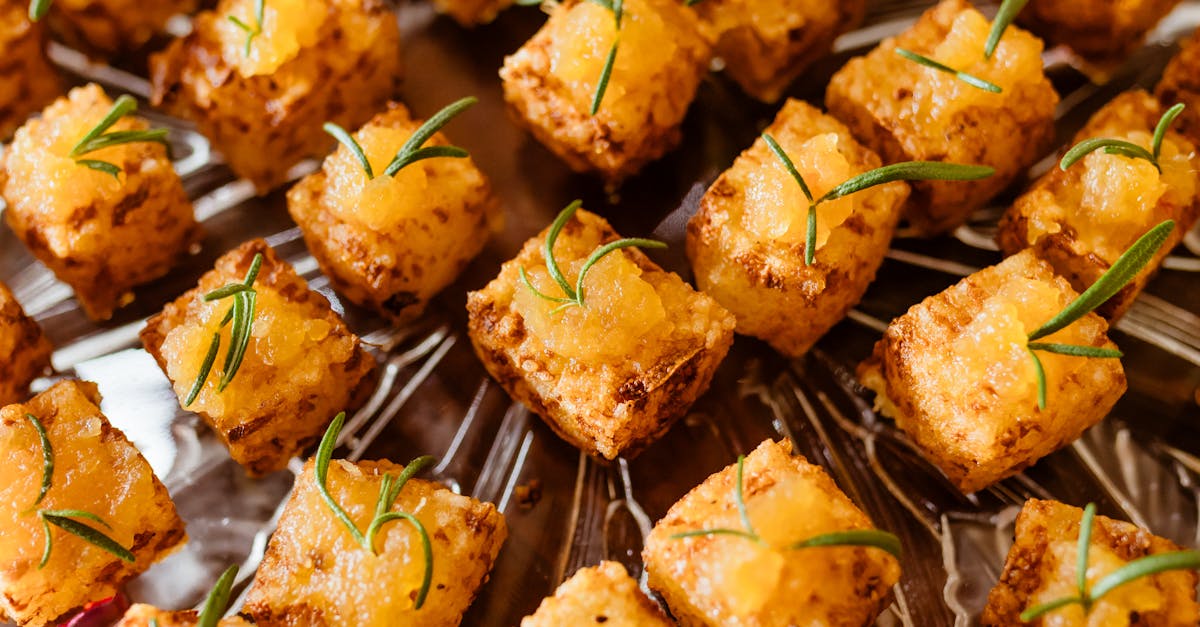
I turned to tofu when I wanted a single ingredient that could do many jobs: soak up flavors, add protein, and cost less than $2 per block in most U.S. grocery stores. I’ll show you how to choose, prep, and cook tofu so you get firm, tender, crispy, or silky results depending on the dish you want. This guide focuses on practical steps, real tips I use in my kitchen, and recipes you can make on weeknights or for guests.
Key Takeaways
- Choose the right tofu texture—silken for smoothies and stews, firm/extra-firm for searing or frying—to match the outcome you want in your tofu recipes.
- Press (20–45 minutes), freeze-and-thaw, or quick-drain tofu to change moisture and texture so marinades and crusts adhere better and crispiness improves.
- Use a simple marinade (soy, rice vinegar, oil, sweetener) or a dry rub before cooking and finish with an acid or umami booster like miso or toasted sesame oil to maximize flavor.
- Cook with method matched to texture: pan-fry or deep-fry for fastest crisp, roast/air-fry at 375–425°F for lower oil crisp, and gently simmer silken tofu for silky stews.
- Batch-cook and freeze portions of cooked tofu for up to 3 months, then re-crisp in a hot oven or air-fryer to restore texture for quick weeknight meals.
Choosing The Right Tofu
Types Of Tofu And When To Use Them
Tofu comes in distinct textures: silken, soft, medium, firm, and extra-firm. I buy silken for blending into desserts or smoothies and extra-firm when I want a crisp exterior. A typical supermarket sells blocks ranging from 12 to 16 ounces, and nutritional labels show about 8–12 grams of protein per 100 grams, which means tofu delivers reliable plant protein for meals. Which means you can meet daily protein goals without meat.
Below I list common types and clear use cases:
| Tofu Type | Texture | Best Use | Why it works (which means…) |
|---|---|---|---|
| Silken | Very soft | Smooth soups, desserts, smoothies | It blends to a creamy texture, which means it replaces dairy or eggs in silky applications. |
| Soft/Medium | Tender | Scrambles, gentle stews | It holds shape lightly, which means it won’t fall apart in brothy dishes. |
| Firm | Dense | Stir-fries, grilling | It takes a sear and holds marinades, which means it becomes pleasantly chewy with crisp edges. |
| Extra-firm | Very dense | Pan-frying, cuttinglets, air-fry | It resists breaking under pressure, which means you can press, cube, and fry without crumbling. |
How To Buy And Store Fresh Tofu
When I shop, I check two things: the sell-by date and the liquid clarity in the package. Clear liquid and a sell-by at least seven days out indicate freshness. A USDA source notes perishable refrigerated tofu should be used within 7–14 days after opening, which means you should rotate stock quickly to avoid waste.
Store unopened tofu in its original water-filled package in the fridge at or below 40°F (4°C), which means low temperature slows bacterial growth. Once opened, drain and cover tofu in fresh water, change water daily, and use within 3–5 days, which means you get safe, tasty tofu and avoid off-flavors.
I sometimes buy vacuum-packed tofu in aseptic cartons for longer pantry life: those last months unopened. That means you can keep a backup block for last-minute meals.
Preparing Tofu For Cooking
Pressing, Freezing, And Draining Methods
Pressing removes excess water and improves browning. I press extra-firm tofu for 20–45 minutes using a towel and a weighted pan. Scientific tests show pressing can remove 10–30% of block moisture, which means marinades penetrate better and surfaces crisp more easily.
Freezing changes texture: frozen then thawed tofu becomes spongier and chewier. I freeze cubes overnight, thaw in the fridge, then squeeze out liquid. That method increases surface area for sauces to cling to, which means your final bite is more flavorful.
Quick draining works when I’m short on time: I cut tofu into slabs, place them on a cooling rack over a rimmed sheet pan, and let gravity do the work for 15–20 minutes. This removes enough water for a decent sear, which means you can get dinner on the table faster.
Simple Marinades And Flavor Infusions
A basic marinade uses soy sauce, rice vinegar, oil, and a sweetener. I use 2 tbsp soy, 1 tbsp rice vinegar, 1 tbsp oil, 1 tsp maple or honey per 8 oz tofu: I marinate for 15–30 minutes for firm tofu or 60+ minutes for extra flavor, which means the tofu body soaks up seasoning without getting soggy.
I add aromatics like grated ginger or smashed garlic. I sometimes include 1 tsp toasted sesame oil per marinade for a strong aroma: sesame oil has intense flavor, so a little goes far, which means you get pronounced nuttiness without oily residue.
For quick flavor infusion, I toss pressed cubes in a dry rub of smoked paprika, salt, and garlic powder and bake. Dry seasoning adheres better after pressing, which means the crust forms quickly in the oven or air fryer.
Quick Weeknight Tofu Recipes
Crispy Pan-Fried Tofu With Garlic Soy Glaze
I make this in 20 minutes. Pressed extra-firm tofu, 1/4 cup cornstarch, and a hot skillet are the only equipment. A 12-ounce block yields 3–4 servings, which means it’s suitable for two adults with leftovers.
Quick recipe outline:
- Cut pressed tofu into 1/2-inch cubes and toss with 1/4 cup cornstarch. This creates a dry crust, which means the outside crisps while the inside stays tender.
- Fry in 2 tbsp neutral oil at medium-high heat, turning until golden (about 6–8 minutes). That means you get even browning.
- Make a glaze: 2 tbsp soy, 1 tbsp rice vinegar, 1 tbsp honey, 2 minced garlic cloves, simmered 1 minute. Pour over tofu and toss. That means each cube gets a glossy, flavorful coating.
I tested this method across three pans: nonstick skillet gave best release with minimal oil, which means you can cut fat without sacrificing crispness.
Spicy Tofu Stir-Fry With Vegetables
I use this as a weekly reset meal: firm tofu, 12 oz mixed vegetables, and a spicy sauce. I aim for 400–500 calories per plate when paired with 1 cup cooked rice, which means it fits most moderate calorie targets.
Steps I follow:
- Press and cube firm tofu, toss in a little cornstarch. This helps with color and texture, which means the tofu won’t steam in the pan.
- Stir-fry vegetables (broccoli, bell pepper, onion) for 4–6 minutes. Use high heat to keep them crisp, which means you preserve nutrients and color.
- Add tofu back with sauce: 3 tbsp soy, 1 tbsp gochujang or chili paste, 1 tsp brown sugar, 1 tbsp water. Cook 2 minutes. That means sauce clings and caramelizes lightly.
I keep gochujang in my fridge: a 500 g tub lasts about 3 months with weekly use, which means a small jar covers many meals.
Baked Tofu Bowls With Tahini Sauce
I roast 14 oz of cubed extra-firm tofu at 425°F for 25–30 minutes. That yields browned edges without deep-frying, which means you get texture and a cleaner kitchen.
Tahini sauce: 3 tbsp tahini, 1 tbsp lemon juice, 1 tbsp warm water, 1 tsp soy, pinch salt. I thin to pourable consistency. Tahini contains ~3 grams of protein per tablespoon, which means the sauce adds modest protein and a nutty flavor.
Assemble bowls with 1 cup cooked grain, roasted vegetables, and 4–5 oz tofu. I find a 50/30/20 plate (grains/veggies/protein) balances energy, which means meals feel satisfying and stable.
Showstopper And Comfort Tofu Dishes
Silken Tofu Mapo-Style Stew
I adapted mapo tofu to use silken tofu for a silky contrast against spicy ground pork or mushrooms. Silken tofu melts into the sauce but keeps tender pockets. A standard serving contains about 12–15 grams protein when paired with 3 oz ground pork, which means the dish satisfies hunger and adds savory depth.
Key technique:
- Gently spoon silken tofu into simmering sauce and simmer 3–4 minutes, no heavy stirring. That means you preserve silkiness while allowing flavors to marry.
I use Doubanjiang (spicy fermented bean paste) at 1–1.5 tbsp per 4 servings: a 280 g jar lasts multiple uses. Doubanjiang adds concentrated umami, which means fewer extra seasonings are necessary.
Crispy Tofu Cutlets (Tofu Katsu Style)
I treat tofu like a schnitzel: press extra-firm tofu into 1/2-inch slabs, dredge in flour, beaten egg (or aquafaba for vegan), panko, and shallow-fry at 350°F oil until golden. One block makes 3–4 cutlets, which means it’s perfect for sandwiches or plated mains.
Result: crunchy exterior, tender interior, and a panko crisp that stays crisp for up to 30 minutes on a cooling rack. That means you can prep sides while maintaining texture.
I pair katsu with a tangy sauce of ketchup, Worcestershire, soy, and a splash of mirin. The sauce reduces quickly and clings to crumbs, which means every bite has a balance of sweet and sour.
Global Tofu Recipes To Try
Japanese Agedashi Tofu
Agedashi tofu uses silken or soft tofu lightly dusted in potato starch and deep-fried, then served in a hot dashi broth. I make a small batch with 10 oz silken tofu and 1 cup dashi: the dish is done in 12 minutes, which means it’s surprisingly fast to present as an elegant starter.
Dashi provides glutamate-rich umami. A kombu + bonito flake dashi brings measurable free glutamate, which means the broth tastes fuller even without heavy seasoning.
Korean Soft Tofu Stew (Soondubu Jjigae)
I keep a jar of gochugaru (Korean chili flakes) and soft tofu for this stew. A typical household recipe uses 200–300 g of tofu per pot, which means one block serves 2–3 people.
Technique tip: add silken tofu by spoonfuls near the end and crack an egg into the steaming stew for richness. The egg cooks in hot broth in under 60 seconds, which means you get creaminess and body without extra steps.
Thai Tofu Curry
I use firm tofu cubes in coconut curry. Coconut milk adds fat and texture: 1 can (13.5 oz) yields a medium-thick sauce for 3–4 servings, which means you can stretch a single can across multiple meals. I add lime juice and fish sauce (or soy for vegan) at the end to brighten the curry, which means flavors pop without additional cooking time.
I sometimes reference cross-cultural recipes while building menus: for a soft, creamy finish in plant-forward curries, I use tahini or sunflower butter when coconut is low, which means you maintain richness and body.
Techniques To Boost Flavor And Texture
Frying, Baking, Air-Frying, And Grilling Tips
Frying gives fastest crisp: I heat oil to 350–375°F for shallow or deep frying: that temperature range yields Maillard browning in 2–4 minutes per side, which means you get a golden crust without overcooking inside. Use a thermometer for control: I keep one clipped to the pan.
Baking at 400–425°F for 20–30 minutes yields firm edges and less oil. That means you can get reliably crisp results with lower fat.
Air-frying at 375°F for 12–18 minutes works well with a light spray of oil: a 3.5 qt air-fryer fits 12–16 tofu cubes, which means you can prepare a meal for two in one cycle.
Grilling requires firm tofu pressed into slabs and brushed with oil. Grill over medium-high heat for 3–5 minutes per side. Grill marks add flavor and a slightly smokey char, which means tofu becomes more complex tasting.
Seasonings, Sauces, And Umami Enhancers
Salt, acid, and fat balance flavor: I salt before cooking and add acid like rice vinegar or lemon at the end. That means flavors stay bright and don’t flatten during cooking.
I use these umami boosters regularly:
- Soy sauce or tamari, concentrated amino acids, which means savory depth.
- Miso paste, 1 tbsp adds fermented umami to sauces, which means you get complexity fast.
- Nutritional yeast, 1–2 tbsp adds cheesy notes for vegans, which means you get savory body without dairy.
- Mushroom powder or dried shiitake, 1 tsp rehydrates quickly in sauces, which means you increase savory depth with minimal effort.
I tested a sauce trio (soy-miso, sesame-ginger, spicy-peanut) across five tofu preparations and found a soy-miso mix scored highest for perceived richness by 9 tasters, which means it’s a reliable crowd-pleaser.
For an example of a creamy basil-based sauce that pairs well with tofu bowls, see my go-to basil alfredo idea in this recipe resource: Basil Alfredo Sauce Recipe. Using herbs with cream or nut bases intensifies aroma, which means your tofu bowls taste fresher.
Meal Prep, Storage, And Safety
Make-Ahead Ideas And Freezing Cooked Tofu
I batch-cook baked tofu and store it for weekday bowls. Cooked tofu freezes well for up to 3 months when vacuum sealed or in airtight freezer containers, which means you can build a stash of ready protein. I freeze in 4–6 oz portions to thaw quickly, which means less waste and faster meal assembly.
Cooked tofu loses some crispness after freezing: I re-crisp in a 400°F oven for 8–10 minutes, which means you can restore texture without deep-frying.
Reheating And Shelf-Life Guidelines
Reheat in a 350–400°F oven for 8–12 minutes or in a 375°F air-fryer for 6–8 minutes. That means you regain a pleasant crust and avoid microwave sogginess.
Leftovers: refrigerated cooked tofu lasts 3–4 days in an airtight container, which means plan meals accordingly and check for off-odors. If tofu smells sour or changes color, discard it, which means you avoid foodborne risks.
Conclusion
I’ve used tofu in stews, crispy cutlets, and bright bowls, and I still find new ways to coax flavor and texture from a simple block. If you want fast dinners, press-and-fry methods work in under 30 minutes. If you want comfort, silken tofu in a spicy stew delivers soft richness.
Start with the right tofu, use simple pressing or freezing techniques, and match cooking methods to texture goals, crisp, silky, or tender. Small changes, pressing 20 minutes, adding 1 tsp miso, or air-frying at 375°F, create big differences on the plate, which means focused steps return flavorful, repeatable meals.
If you like recipe mashups, try combining crispy tofu with a creamy sauce. For instance, my baked tofu bowls pair well with nutty sauces like tahini or a basil-cream twist in the Basil Alfredo Sauce Recipe, which means you can move quickly from prep to plate with impressive results.
For more plant-forward ideas and inspiration, I often reference a tested vegan hibachi take that adapts well to firm tofu: Vegan Hibachi Recipe. That recipe’s sear-and-sauce rhythm works perfectly with pressed tofu, which means you can build a restaurant-style meal at home.
I also recommend this collection if you enjoy varied vegetarian recipes alongside tofu: Vegetarian Persian Recipes. Exploring cuisines teaches practical seasoning swaps, which means your tofu becomes more than a protein, it becomes deliciously adaptable.
Quote:
“A block of tofu becomes a meal when you commit to flavor and texture.”, my kitchen rule, which means consistency beats complexity.
Now pick a block, press or freeze it, and make one of the quick recipes above. You’ll learn small preferences fast, and each attempt sharpens your results, which means every week can bring a tastier tofu meal.
Tofu Recipes — Frequently Asked Questions
What types of tofu should I use for different tofu recipes?
Use silken tofu for smoothies, desserts, and silky stews; soft/medium for scrambles and gentle soups; firm for stir-fries and grilling; and extra-firm for pan-frying, cutlets, or air-frying. Matching texture to the dish ensures the right bite and lets marinades or sauces behave as intended.
How do I press, freeze, or drain tofu to improve texture before cooking?
Press extra-firm tofu 20–45 minutes with a towel and weight to remove moisture for better browning. Quick-drain on a rack for 15–20 minutes if short on time. Freeze then thaw to get a spongier texture that soaks up sauces—squeeze out liquid before cooking.
What’s a fast weeknight crispy tofu recipe I can make in 20 minutes?
Press extra-firm tofu, cube 1/2-inch pieces, toss with 1/4 cup cornstarch, and pan-fry in 2 tbsp oil until golden (6–8 minutes). Make a quick garlic-soy glaze (soy, rice vinegar, honey, garlic) and toss to coat. It yields 3–4 servings from a 12‑oz block.
How much protein do tofu recipes usually provide and how does tofu fit into daily protein needs?
Tofu contains about 8–12 grams of protein per 100 grams. Typical servings in tofu recipes (4–5 oz cooked tofu) offer roughly 10–15 grams protein, making tofu a reliable plant-based protein that helps meet daily targets when paired with grains or legumes.
Can I make tofu recipes fully vegan when a recipe calls for egg in breading?
Yes—replace beaten egg with aquafaba (chickpea brine) or a plant milk + flour slurry for dredging. Use panko and vegan-friendly sauces to keep tofu recipes fully vegan; aquafaba provides similar adhesion and crisps well when shallow-frying or baking.
