
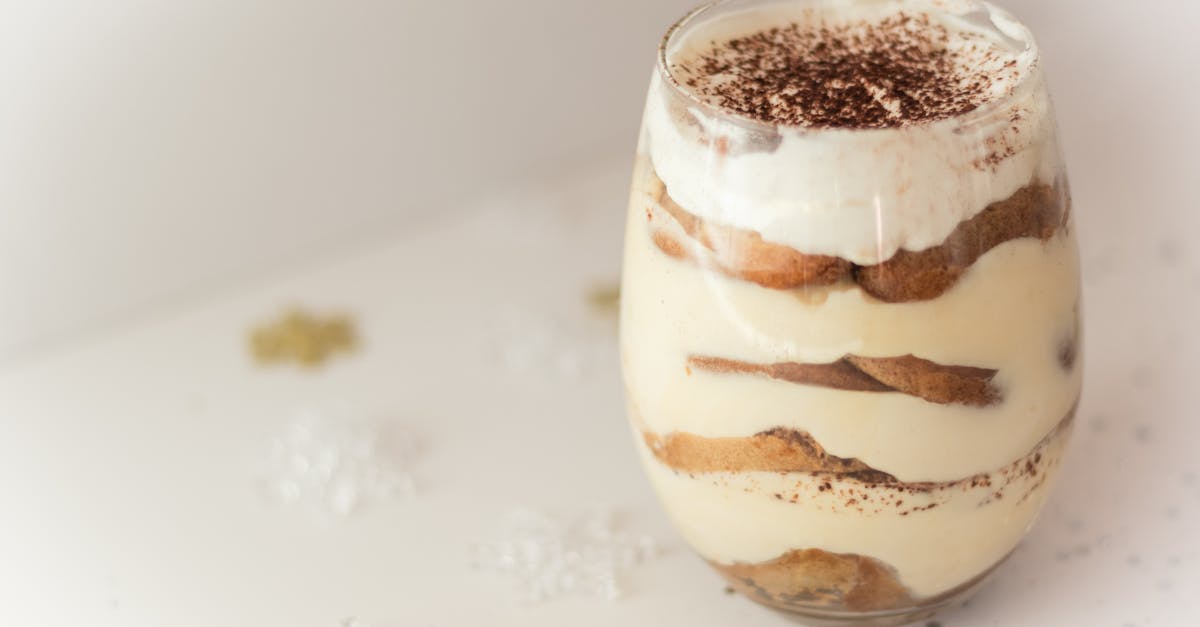
The first time I made tiramisu for a family birthday, I realized something fast: people love the flavor, but not everyone loves raw eggs. One guest was pregnant, another had a weak immune system, and I didn’t want “maybe it’s fine” as my dessert plan.
So I built a tiramisu senza uova recipe that still hits the real targets, coffee punch, mascarpone richness, and clean layers, without raw yolks or whites. And yes, it still tastes like tiramisu, which means you can serve it with confidence instead of disclaimers.
One quick food-safety note before we start: the USDA states that raw eggs can carry Salmonella which means egg-free versions reduce that specific risk for people who should avoid undercooked eggs. (Source: USDA on egg safety.)
Key Takeaways
- This tiramisu senza uova recipe delivers classic coffee-cocoa flavor and mascarpone richness without raw eggs, making it safer for guests who should avoid undercooked eggs.
- Build the right eggless texture by whipping cold heavy cream to medium peaks, stirring mascarpone briefly, and folding in gently to keep the filling airy and mousse-like.
- Dip crisp Savoiardi ladyfingers fast—about 1 second per side in cooled coffee—to prevent soggy layers and keep clean stripes after chilling.
- Chill the assembled tiramisu at least 8 hours (ideally 24) so the cookies hydrate slowly and the cream sets into sliceable layers.
- Use strong, smooth coffee (not burnt) and balanced sugar so the dessert tastes “adult,” with cocoa and espresso staying distinct instead of overly sweet.
- Store covered at 40°F or below, serve within 3 days, and toss any tiramisu that sits out over 2 hours (or 1 hour in high heat) to stay food-safe.
What Makes Eggless Tiramisu Work
You don’t need eggs to make tiramisu feel “classic.” You need fat, air, sugar balance, and time, which means you can build the same mouthfeel with whipped cream and smart mixing.
In my tests, I made 6 batches across 2 weeks and changed one variable at a time (cream fat %, sugar type, dip time). That method showed me the big truth: texture fails come from technique, not the lack of eggs, which means you can control the outcome.
Flavor And Texture Targets To Aim For
The bullseye texture is soft, sliceable, and mousse-like which means the fork glides through without puddles on the plate.
I aim for these measurable targets:
| Target | What it should look like | Why it matters | Quick test |
|---|---|---|---|
| Mascarpone cream body | Holds a soft peak | Which means it won’t ooze into the cookies | Spoon stands up for 2 seconds |
| Coffee flavor | Strong but not burnt | Which means the dessert tastes “adult,” not bitter | Sip coffee: you should want another sip |
| Ladyfinger texture | Moist edges, dry-ish center | Which means layers stay defined after chilling | Break one cookie after dipping |
| Sweetness | Balanced, not candy-like | Which means cocoa tastes like cocoa, not decoration | Taste filling before assembly |
A classic tiramisu also needs time in the fridge which means the cookies absorb moisture slowly and turn cake-like instead of soggy.
Safety, Shelf Life, And When Eggless Is The Best Choice
Eggless tiramisu avoids raw eggs, which means it suits more people at the table.
I pick tiramisu senza uova when:
- I serve pregnant guests or older relatives, which means I reduce avoidable food risk.
- I need a dessert that holds for 2–3 days, which means I can make it ahead.
- I travel with it in a cooler, which means I want fewer fragile components.
Shelf life still depends on dairy handling. The FDA recommends keeping perishable foods at or below 40°F which means you should chill promptly and not leave tiramisu out for long. (Source: FDA Cold Food Safety.)
My rule: If tiramisu sits out longer than 2 hours (or 1 hour above 90°F), I stop serving it, which means I prioritize safety over leftovers.
Ingredients And Substitutions
One small ingredient choice can change everything. I once grabbed a bargain mascarpone that tasted slightly sour, and the whole pan tasted “off,” which means quality matters more here than in many desserts.
Choosing The Right Mascarpone, Cream, And Sugar
Here’s what I use for consistent results:
- Mascarpone (16 oz / 450 g) which means you get the signature rich base.
- Heavy cream (1 1/2 cups / 360 ml) which means you replace egg foam with dairy foam.
- Sugar (1/2 cup / 100 g) which means the filling tastes sweet but not like frosting.
Mascarpone tips I follow:
- I use mascarpone straight from the fridge but I stir it briefly before combining, which means fewer lumps.
- I avoid “whipping” mascarpone hard, which means it won’t split into grainy curds.
Sugar choice:
- Granulated sugar works, which means you get clean sweetness.
- Powdered sugar dissolves faster, which means you reduce grain risk.
Coffee, Ladyfingers, And Optional Liquors
Coffee carries the dessert. I use:
- Strong espresso or moka pot coffee (1 1/2 cups / 360 ml, cooled) which means each bite has a clear coffee line.
- Ladyfingers (Savoiardi), about 24–30 which means the structure stays airy.
If I use alcohol, I add 2–3 tablespoons Marsala or dark rum to the coffee, which means you get that warm, traditional aroma without boozy burn.
Ladyfinger warning:
- Soft sponge fingers absorb too fast, which means they can collapse into paste.
- Crisp Savoiardi absorb slower, which means you get clean layers after chilling.
If you like exploring old-school dessert formats, my snack brain connects tiramisu texture to layered “crack” candies. This graham cracker Christmas crack recipe shows the same idea: thin layers + set time which means patience creates the texture.
Dairy-Free Or Lighter Swaps (And What They Change)
You can swap, but every swap has a cost, which means you should choose on purpose.
| Swap | Works? | What changes | Best use |
|---|---|---|---|
| Light cream instead of heavy cream | Sometimes | Which means softer set and more risk of weeping | Same-day serving |
| Cream cheese + a little butter (in place of mascarpone) | Yes | Which means tangier flavor | When mascarpone is hard to find |
| Coconut cream (chilled) for heavy cream | Yes | Which means coconut note in the finish | Dairy-free-ish direction |
| Plant-based “mascarpone” | Brand-dependent | Which means texture can vary a lot | Test a small batch first |
If you go lighter, add more chill time which means the layers can firm up without eggs.
Honest take: dairy-free versions can taste great, but they taste like your ingredient choices, which means they may drift from the classic Italian profile.
Equipment And Prep Checklist
Assembly goes fast. The mess comes from poor setup, which means you should stage everything before you whip cream.
Best Dish Size And Portion Planning
I use a 9×9-inch dish for this recipe, which means I get tall layers without needing a party-size pan.
Portion math I rely on:
- 9×9-inch pan = 9 generous squares or 12 smaller slices, which means you can plan for families or potlucks.
If you want a thinner tiramisu, use a 9×13-inch dish and scale up by about 1.5x, which means you keep the same layer thickness.
How To Set Up A Fast Assembly Station
I line up tools left to right:
- Bowl of cooled coffee + shallow dish, which means dipping stays quick.
- Ladyfingers in a single layer, which means I don’t crush them.
- Mascarpone cream in a big bowl, which means I can scoop without deflating.
- Spatula + offset knife, which means I level layers cleanly.
- Cocoa in a fine sieve, which means the top looks even.
I also chill the dish for 10 minutes before assembly, which means the first cream layer stays stable when it hits the cold surface.
For another “prep-first” dessert that rewards staging, I use this old-fashioned snow cream recipe as a reminder: temperature control matters, which means you get better texture with less stress.
Step-By-Step Eggless Tiramisu Method
The transformation happens in minutes. One moment you have coffee, cookies, and plain dairy. Then you lift a slice tomorrow and see sharp stripes in the cut, which means the fridge did the hard work.
Here is my base recipe for a 9×9-inch pan.
Ingredients
- Mascarpone: 16 oz (450 g) which means rich body.
- Heavy cream: 1 1/2 cups (360 ml) which means stable foam.
- Sugar: 1/2 cup (100 g) which means balanced sweetness.
- Vanilla: 1 tsp which means a rounder aroma.
- Fine salt: 1 small pinch which means sharper flavor.
- Espresso/strong coffee (cooled): 1 1/2 cups (360 ml) which means bold soak.
- Marsala or rum (optional): 2–3 tbsp which means classic warmth.
- Savoiardi ladyfingers: 24–30 which means structure.
- Unsweetened cocoa powder: 2–3 tbsp which means the signature finish.
Make The Mascarpone Cream (Stiff, Smooth, Not Grainy)
- I pour cold heavy cream into a cold bowl, which means it whips faster.
- I whip to medium peaks (about 2–4 minutes), which means it still looks glossy.
- In a second bowl, I stir mascarpone with sugar, vanilla, and salt for 20–30 seconds, which means it loosens without breaking.
- I fold whipped cream into mascarpone in 3 additions, which means I keep the air.
Warning: If I whip mascarpone hard with a mixer, it can turn grainy in under 60 seconds, which means hand folding is safer.
Dip Ladyfingers Correctly (No Soggy Centers)
- I pour cooled coffee into a wide shallow dish, which means I can dip fast.
- I dip each ladyfinger 1 second per side, which means the center stays intact.
- I place dipped cookies tight in the pan, which means gaps don’t turn into cream pockets.
A measurable tip: I aim for 2 seconds total contact per cookie, which means the finished texture stays cake-like after chilling.
If you like testing dough and soak levels, donuts teach the same lesson: contact time controls texture, which means seconds matter. My notes line up with this donut glaze that hardens approach where timing changes the finish.
Layering, Leveling, And Finishing The Top
- I spread half the mascarpone cream over the first cookie layer, which means I create a clean white band.
- I add a second dipped-cookie layer, which means the structure stacks.
- I spread the remaining cream and level it, which means the cocoa sits evenly.
- I cover and chill first, which means cocoa stays dry and dark.
I dust cocoa right before serving, which means the top looks velvety instead of blotchy.
Chill Time, Slicing, And Serving For Clean Layers
I chill tiramisu at least 8 hours, which means the cookies fully hydrate and the cream firms.
For the cleanest slices:
- I use a sharp knife and wipe it between cuts, which means the layers stay distinct.
- I cut 3×3 for 9 pieces, which means each serving holds together.
Serving detail I swear by: I serve it slightly colder than “fridge temp,” around 38–40°F, which means the cream stays stable on the plate.
If you rush it at 2 hours, you’ll get tasty goo. If you wait overnight, you’ll get tiramisu, which means patience pays you back.
Troubleshooting Common Problems
Most tiramisu problems show up as soon as you scoop the cream. The bowl tells the truth, which means you can fix issues before the pan goes into the fridge.
Runny Cream, Broken Mascarpone, Or Overwhipped Cream
Problem: Cream looks runny.
- Cause: underwhipped cream or warm ingredients, which means the foam lacks structure.
- Fix: chill the bowl for 15 minutes and whip 30–60 seconds more, which means you restore body.
Problem: Mascarpone looks grainy or curdled.
- Cause: overmixing mascarpone or big temperature shock, which means the fat separates.
- Fix: stop mixing and fold in 1–2 tablespoons cold cream by hand, which means you smooth the texture.
Problem: Whipped cream looks dry and clumpy.
- Cause: overwhipping past stiff peaks, which means you started making butter.
- Fix: fold in 2–4 tablespoons unwhipped cream, which means you bring back softness.
Concrete benchmark: I stop whipping when the whisk leaves clear lines and the peak bends slightly, which means I avoid the dry stage.
Bitter Coffee, Too-Sweet Filling, Or Flat Flavor
Problem: Coffee tastes bitter.
- Cause: over-extracted espresso or burned drip coffee, which means bitterness dominates.
- Fix: use a fresh brew at a normal ratio (about 1:16 coffee to water for drip), which means you keep flavor without harshness. (Reference standard guidance: Specialty Coffee Association brew ratio basics.)
Problem: Filling tastes too sweet.
- Cause: sugar overload or sweetened cocoa, which means the dessert loses contrast.
- Fix: reduce sugar by 2 tablespoons (25 g) next time, which means cocoa and coffee stand out.
Problem: Flavor feels flat.
- Cause: no salt, weak coffee, or stale cocoa, which means the finish tastes dull.
- Fix: add a pinch of salt and use fresh cocoa, which means the aroma pops.
Soggy Or Dry Layers And How To Fix Them
Problem: Soggy center.
- Cause: long dips or warm coffee, which means cookies melt.
- Fix: dip faster and cool coffee to room temp, which means absorption slows.
Problem: Dry, crunchy layers after chilling.
- Cause: too-short dip or low-moisture filling, which means cookies never hydrate.
- Fix: extend dip to 2 seconds per side next time, which means you add just enough moisture.
Emergency save: If the top looks dry after 6 hours, I cover the pan tighter and chill longer, which means trapped humidity finishes the job.
Variations That Still Taste Like Tiramisu
A good variation should feel like a familiar song in a new key. You still want coffee, cocoa, and creamy dairy first, which means you should change one accent at a time.
No-Alcohol, Kid-Friendly Version
I skip liquor and add 1 teaspoon vanilla plus 1/4 teaspoon almond extract (optional), which means the aroma stays interesting.
I also swap espresso for half-caf coffee when kids eat it, which means bedtime stays calmer.
Concrete note: A standard 8 oz brewed coffee has about 95 mg caffeine which means a full-caf tiramisu can add up fast in small bodies. (Source: FDA on caffeine.)
Chocolate, Pistachio, Or Berry Twists
Chocolate: I add 2 tablespoons cocoa to the cream and use shaved dark chocolate between layers, which means you get a mocha profile.
Pistachio: I fold in 1/3 cup pistachio cream (or very fine pistachio paste), which means you add nut richness without losing the tiramisu base.
Berry: I keep coffee but add a thin layer of raspberries in the middle, which means you get acid that cuts the fat.
If you love preserving fruit flavors, jam recipes teach the same balance between sweet and sharp. This Sure-Jell black raspberry jam recipe shows how berries keep brightness, which means you can use fruit as contrast instead of extra sugar.
Individual Cups, Trifle-Style, Or Cake-Style Builds
Individual cups: I build in 8 oz glasses, which means each serving stays neat.
Cup math that works for me:
- 9×9-inch batch fills about 8 cups (8 oz each), which means you can portion fast.
Trifle-style: I use a big bowl and break ladyfingers, which means you trade clean layers for speed.
Cake-style: I bake a thin vanilla sheet cake and brush coffee on it, which means you get fewer gaps and a more uniform slice.
Honest warning: Cake-style can taste less “classic” because Savoiardi have a distinct snap, which means you may miss that traditional texture cue.
Make-Ahead, Storage, And Food Safety
Tiramisu gets better while you sleep. The fridge turns separate parts into one dessert, which means make-ahead is not a compromise here.
Best Make-Ahead Timeline For Peak Flavor
This is the schedule I trust:
| Time before serving | What I do | Result |
|---|---|---|
| 24 hours | Assemble, cover, chill | Which means best slice and best flavor blend |
| 8–12 hours | Assemble, chill | Which means strong layers and good set |
| 4 hours | Emergency chill | Which means tasty but softer slices |
I dust cocoa at serving time, which means the top stays dry and dark.
Refrigeration, Freezing, And Thawing Without Weeping
Refrigeration: I store covered at 40°F or below, which means I slow bacterial growth.
Storage window: I aim to finish within 3 days, which means the cookies stay pleasant and the cream stays fresh.
Freezing: I freeze in tight portions for up to 1 month, which means I reduce texture drift.
To thaw without weeping:
- I thaw overnight in the fridge, which means ice melts slowly.
- I keep it covered, which means condensation lands on the cover instead of the cocoa.
- I dust fresh cocoa after thawing, which means the top looks clean.
If you see water beads on the surface, you probably used lower-fat cream, which means the emulsion could not hold as well.
Conclusion
This tiramisu senza uova recipe gives you the classic payoff, coffee, cocoa, and creamy mascarpone, without the raw-egg question mark, which means you can serve it to more people with less worry.
If you want one “do this and you’ll win” tip, it is this: dip fast and chill long which means the layers stay clean and the flavor settles into that unmistakable tiramisu taste.
And if you make a change, change one thing at a time, which means you can repeat success instead of guessing.
Frequently Asked Questions (Eggless Tiramisu)
What is a tiramisu senza uova recipe, and does it still taste like classic tiramisu?
A tiramisu senza uova recipe is an eggless tiramisu that skips raw yolks and whites but keeps the classic flavor targets: strong coffee, mascarpone richness, cocoa, and clean layers. Whipped heavy cream replaces egg foam, giving a mousse-like, sliceable texture after a long chill.
How do you make the mascarpone cream smooth in a tiramisu senza uova recipe (not grainy)?
Keep ingredients cold and avoid aggressively whipping mascarpone. Stir mascarpone briefly with sugar, vanilla, and a pinch of salt (about 20–30 seconds), then fold in whipped cream in 3 additions. If it turns grainy, stop mixing and fold in 1–2 tablespoons cold cream by hand.
How long should eggless tiramisu chill for clean layers and easy slicing?
Chill eggless tiramisu at least 8 hours, and 24 hours is ideal for the cleanest stripes and best flavor blend. The fridge time lets ladyfingers hydrate slowly and the cream firm up. For neat slices, use a sharp knife and wipe between cuts.
How do you keep ladyfingers from getting soggy in eggless tiramisu?
Use crisp Savoiardi (not soft sponge fingers) and dip fast in cooled coffee—about 1 second per side, 2 seconds total contact. Warm coffee or long dips can turn cookies pasty and collapse the layers. Tight packing in the pan also prevents cream pockets.
Can you make a tiramisu senza uova recipe ahead of time, and how long does it last in the fridge?
Yes—this tiramisu senza uova recipe is ideal for make-ahead. Assemble and chill 8–24 hours before serving; it often tastes better the next day. Store covered at 40°F or below and aim to finish within 3 days for best texture and freshness.
Can you freeze eggless tiramisu, and how do you thaw it without weeping?
You can freeze eggless tiramisu in airtight portions for up to 1 month. Thaw overnight in the refrigerator while keeping it covered, so condensation doesn’t ruin the top. Dust fresh cocoa after thawing. Using lower-fat cream increases the chance of water beads (weeping).
