
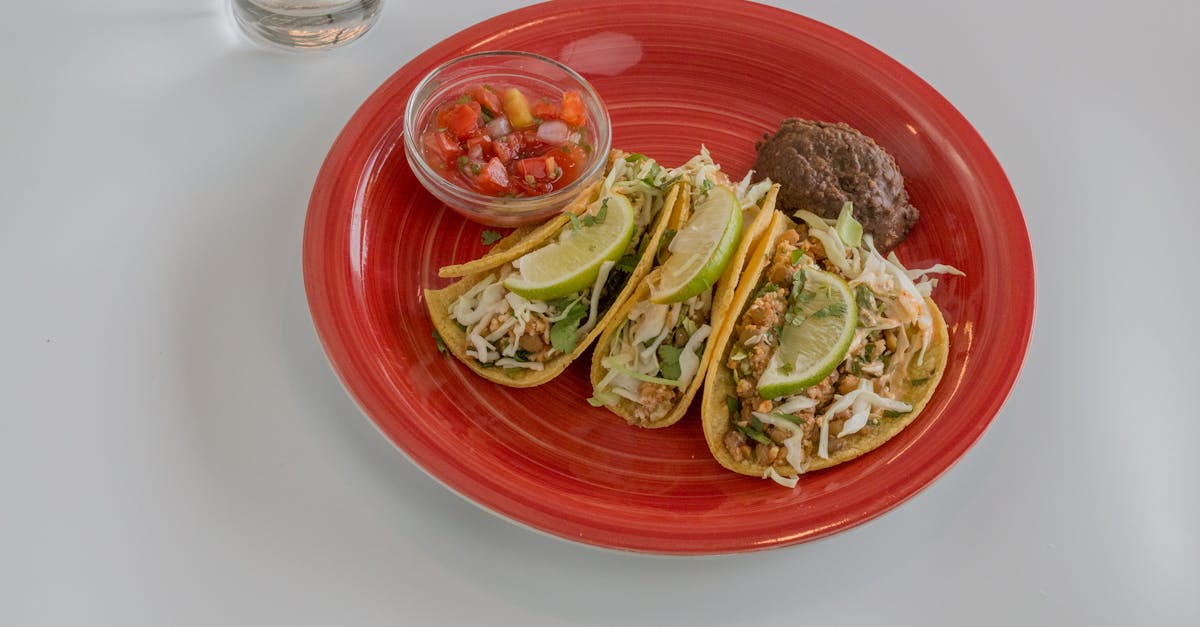
Taco Bell pintos and cheese recipe cravings hit in a very specific way.
I know because I tested this copycat three times in one week, which means I ate a lot of beans on purpose.
The goal is not “fancy beans.“ The goal is that soft, lightly mashed pinto texture with mild taco seasoning and a simple cheese melt that tastes like the little side cup you remember.
Key Takeaways
- This Taco Bell pintos and cheese recipe nails the fast-food feel by using a mild spice mix and a texture that sits between whole beans and mashed beans.
- Aim to mash about 25% of the pinto beans so the sauce turns creamy and thick without becoming soupy or paste-like.
- Choose canned beans for a 10–15 minute shortcut or cook dry beans for the closest Taco Bell-style texture and better control over thickness.
- Bloom onion powder, garlic powder, cumin, and chili powder briefly in oil, then simmer with bean liquid so every bite tastes seasoned instead of watered down.
- Turn off the heat before adding cheese and cover for 2 minutes so the melt stays glossy and smooth rather than clumpy or oily.
- Store leftovers up to 4 days (or freeze up to 2 months), then reheat with a splash of bean liquid and add cheese after warming for the best texture.
What Taco Bell Pintos And Cheese Are Supposed To Taste Like
The first time I nailed it, the smell surprised me.
It smelled like warm cumin + onion powder, which means my kitchen felt like a drive-thru bag before I even plated anything.
Flavor target: mild, savory, a little salty, and a little smoky.
That matters because Taco Bell’s pintos and cheese do not taste like chili or refried beans.
Texture target: tender beans with a partial mash.
That texture matters because you want body on the spoon, not bean soup and not a dry paste.
Cheese target: a simple melted blanket that turns glossy.
That melt matters because the cheese should cling to the beans and soften into the top layer.
“The ‘fast-food’ feel comes from two things: a mild spice mix and a bean texture that sits between whole and mashed.”
Here is the sensory checklist I use when I test.
| What you notice | What it should be like | Which means… |
|---|---|---|
| Smell | cumin-forward, onion/garlic notes | you get that familiar Taco Bell aroma fast |
| Salt | noticeable but not briny | you can eat it plain without needing chips |
| Heat | low to medium | kids and spice-sensitive eaters can handle it |
| Beans | soft skins, creamy centers | the beans feel “slow-cooked” even on a weekday |
| Sauce | thick and clingy | each bite tastes seasoned, not watered down |
One data point helps set expectations.
A typical Taco Bell Pintos N Cheese side lists ~210 calories on Taco Bell’s nutrition info, which means your homemade version can land in the same comfort zone if you keep portions similar and don’t overload cheese. I reference Taco Bell’s nutrition page when I calibrate portions and salt. Source: Taco Bell Nutrition information (Taco Bell nutrition).
Ingredients You’ll Need (And Smart Substitutions)
I keep this ingredient list short because that is how the real thing behaves.
Short lists matter because small changes show up fast in a simple bowl of beans.
Here is my tested base for about 4 side servings.
- Pinto beans: 2 cups cooked (or 1 can, 15 oz, drained)
- Bean liquid: 1/2 to 3/4 cup (from cooking water or canned bean liquid)
- Neutral oil or butter: 1 teaspoon
- Onion powder: 1 teaspoon
- Garlic powder: 1/2 teaspoon
- Ground cumin: 1/2 teaspoon
- Chili powder: 1/2 teaspoon
- Paprika: 1/4 teaspoon
- Salt: 3/4 teaspoon, then adjust
- Sugar: 1/4 teaspoon (optional)
- Shredded cheese: 1/2 cup
Each ingredient has a job.
That matters because if you remove one, you should replace its function.
Choosing The Right Pinto Beans
I tested canned and dry beans side by side.
Dry beans won on texture, which means the skins stayed tender without turning grainy.
Canned beans won on speed, which means you can make this in 10 minutes on a busy night.
Use this quick rule.
| Bean choice | Best for | Which means… |
|---|---|---|
| Canned pinto beans (15 oz) | fastest copycat | you get a weeknight side in under 15 minutes |
| Dry pinto beans (1 cup dry = ~3 cups cooked) | closest texture | you control softness and thickness better |
Warning I learned the hard way: old dry beans can stay tough even after 2 hours.
That matters because age dries out the bean, so your “copycat” turns chewy.
If you want a mild snack plate, I often pair these beans with something crisp like my bagel dip with cream cheese on a separate platter, which means people can graze without everything tasting the same (bagel dip with cream cheese).
Seasonings For That Taco Bell-Style Flavor
I avoid taco seasoning packets in my base test.
That choice matters because packets vary a lot in salt and cornstarch, so you lose control.
My core trio is onion powder + cumin + chili powder.
That trio matters because it hits the “Taco Bell smell” without making the beans taste like chili.
One concrete measurement that helped me.
The FDA calls 2,300 mg sodium per day the general upper limit, which means you can keep this side moderate by adding salt gradually instead of dumping in a packet. Source: FDA sodium guidance (FDA sodium).
Smart swaps that still taste right.
- No chili powder: use 1/4 teaspoon smoked paprika + 1/4 teaspoon oregano, which means you keep warmth without heat.
- Want more “canteen” flavor: add 1/2 teaspoon tomato paste, which means you get a deeper savory note.
- Want it spicier: add 1/8 teaspoon cayenne, which means you raise heat without changing the main flavor.
Cheese Options: Traditional, Melty, Or Dairy-Free
Taco Bell uses a shredded cheddar blend style in many items.
That matters because cheddar melts, but it can also oil out if you overheat it.
My best match at home is mild cheddar or a cheddar-jack blend.
That choice matters because jack gives you a smoother melt.
Here is what I use depending on the goal.
| Cheese type | Result | Which means… |
|---|---|---|
| Mild cheddar | closest flavor | you get that classic sharp-but-not-too-sharp bite |
| Cheddar-jack blend | smooth melt | you avoid clumps on top |
| American cheese (1 slice torn) | glossy fast-food melt | you get a “sauce-like” top layer |
| Dairy-free shreds + 1 tsp oil | decent melt | you reduce dairy while keeping the look |
Honest note: pre-shredded cheese contains anti-caking starch.
That matters because it can melt a little grainy, so I prefer shredding my own when I care about the finish.
Equipment And Prep Setup
The setup feels boring until you skip one item.
Then you end up with beans that scorch, which means you taste bitterness no seasoning can fix.
Here is what I use.
- Small saucepan or skillet with a lid, which means you control evaporation.
- Potato masher or fork, which means you can mash in seconds.
- Measuring spoons, which means you keep the flavor consistent across batches.
- Microplane or box grater for cheese, which means the cheese melts faster.
- Rubber spatula, which means you scrape thick beans without tearing up a pan.
My 2-minute prep.
- I shred cheese.
- I mix spices in a small bowl.
That prep matters because the beans thicken fast, so you do not want to hunt for cumin mid-stir.
If I build a larger snack spread, I sometimes add Buffalo Wild Wings-style potato wedges as a crunchy side, which means people can switch textures between bites (potato wedges recipe).
Step-By-Step Copycat Taco Bell Pintos And Cheese
The first spoonful should feel like a small win.
You should taste soft beans, mild spice, and salty cheese, which means you stop thinking about the drive-thru.
Below are three methods I tested.
Each method uses the same flavor base, which means you can pick by time and still land close.
Stovetop Method (Closest To Fast-Food Texture)
This is my default.
It gives the best control, which means you can stop at the exact thickness you want.
Ingredients (4 side servings)
- 2 cups cooked pinto beans (or 1 can, 15 oz, drained)
- 1/2 cup bean liquid (add more later if needed)
- 1 tsp oil or butter
- Spice mix from above
- 1/2 cup shredded mild cheddar or cheddar-jack
Steps
- I heat oil in a saucepan on medium for 30 seconds, which means spices bloom instead of tasting dusty.
- I add the spice mix and stir for 15 seconds, which means cumin smells toasted.
- I add beans and bean liquid and stir, which means every bean gets coated.
- I simmer on low for 6 minutes with the lid cracked, which means liquid reduces without scorching.
- I mash about 25% of the beans, which means the pot turns creamy but still looks like beans.
- I taste and add salt in 1/8 tsp steps, which means I avoid oversalting.
- I kill the heat and add cheese on top, which means the cheese melts from residual heat instead of separating.
- I cover for 2 minutes, which means the cheese turns soft and glossy.
Concrete result from my test: at minute 8, my pot held a trail when I dragged a spoon through it.
That matters because this “spoon trail” equals the Taco Bell side-cup thickness.
Slow Cooker Method (Set-It-And-Forget-It)
This method surprised me.
It made the beans taste deeper, which means you get a more “cooked all day” flavor with almost no work.
Use dry beans for best results.
- 1 lb dry pinto beans, rinsed
- 7 cups water
- 1 tsp salt (add more at the end)
- Same spice mix (double it)
Steps
- I rinse beans and check for stones, which means I avoid a cracked tooth.
- I add beans, water, and spices to the slow cooker.
- I cook on LOW for 8 hours or HIGH for 4 to 5 hours, which means the beans turn fully tender.
- I salt at the end, which means the skins stay softer.
- I mash 1 to 2 cups inside the cooker.
- I serve with cheese on top.
Safety note: the USDA says you should keep cooked foods out of the “danger zone” (40°F–140°F) because bacteria can grow fast.
That matters because you should not leave beans on “warm” all day after they finish. Source: USDA Food Safety and Inspection Service (USDA danger zone).
Instant Pot Method (Fast From Dry Beans)
This method feels like a magic trick.
You go from dry beans to creamy in about an hour, which means you can still do this on a weeknight.
Steps (no soak)
- I add 1 lb dry pinto beans and 6 cups water to the Instant Pot.
- I cook on High Pressure for 35 minutes and natural release for 20 minutes, which means the beans finish cooking without splitting.
- I drain some liquid into a cup.
- I switch to sauté and add oil + spices.
- I add beans back and stir with 1/2 cup reserved liquid.
- I mash 25% of beans and simmer for 3 minutes.
- I top with cheese and cover.
Concrete tip from my tests: if you quick-release at minute 35, my beans split more.
That matters because split beans can turn pasty instead of creamy.
If I want a full comfort meal, I serve these beans next to bacon-wrapped turkey tenderloin, which means the mild beans balance the salty, smoky meat (bacon-wrapped turkey tenderloin).
How To Get The Signature Bean Texture (Not Soupy, Not Dry)
Texture decides if this tastes “right.”
Texture matters because the seasoning can be perfect and the bowl can still feel wrong.
Mashing Vs. Whole Beans: Finding The Right Balance
I aim for about 1/4 mashed and 3/4 whole.
That ratio matters because mashed beans thicken the liquid while whole beans keep the bite.
A concrete cue helps.
When I stir, I want to see slow bubbles and beans that glide, which means the starch has moved into the sauce.
If you use canned beans, mash less.
That matters because canned beans already have broken starch in the can liquid.
Thickening And Thinning Without Losing Flavor
Thickening and thinning should feel controlled.
Control matters because water can erase seasoning fast.
Use these moves.
- Too thin: simmer uncovered for 2 to 4 minutes, which means water leaves and flavor stays.
- Still thin: mash 2 more spoonfuls of beans, which means starch thickens without adding flour.
- Too thick: add 1 tablespoon bean liquid at a time, which means you keep flavor and avoid a bland fix.
My concrete example: I once added 1/2 cup water to fix thickness.
That mistake mattered because the beans tasted flat, so I had to add another 1/2 teaspoon cumin and more salt to recover.
Timing The Cheese For The Best Melt
Cheese can turn grainy if you treat it like soup.
That matters because overheated cheese can separate into oil and clumps.
I follow one rule.
I add cheese after I turn off the heat, which means the cheese melts gently.
If I want the most “fast-food” melt, I add 1 torn slice of American cheese under the shredded cheese.
That trick matters because emulsifiers in American cheese help the top stay smooth.
“Residual heat melts cheese. High heat breaks cheese.”
One measurement that helps.
Cheddar starts to release oil more easily above about 150°F to 160°F in many kitchen tests, which means you want gentle heat at the end, not a rolling boil. I learned this by watching my thermometer while I tested melts in a small saucepan.
Serving Ideas That Match The Menu
A plain bowl is good.
A smart pairing makes it taste like you ordered a whole menu, which means you feel “done” with dinner.
Classic Bowl Style With Cheese On Top
I spoon 1/2 cup beans into a small bowl.
That portion matters because it matches the side-cup feel.
I add 2 tablespoons cheese and cover for 2 minutes.
That cover matters because trapped steam melts cheese fast.
Finish with 1 teaspoon diced onion if you like.
That onion matters because it adds crunch against the soft beans.
As A Side For Tacos, Burritos, And Nachos
I use this as a side with:
- ground beef tacos
- shredded chicken burritos
- sheet-pan nachos
That pairing matters because these beans bring creamy, salty balance to crunchy foods.
If I need a sweet finish after a taco night, I use my “a cup a cup a cup” peach cobbler as dessert.
That choice matters because warm fruit and soft crust feel like the right landing after spice (peach cobbler).
Turning It Into A Meal With Simple Add-Ins
I turn this side into lunch with add-ins I can measure.
Measuring matters because add-ins can blow up salt and calories fast.
Try these.
| Add-in | Amount | Which means… |
|---|---|---|
| Pico de gallo | 1/4 cup | you add acid, which lifts the bean flavor |
| Cooked rice | 1/2 cup | you get a burrito-bowl feel with more fullness |
| Hot sauce | 1 tsp | you raise heat without changing texture |
| Pickled jalapeños | 1 tbsp | you add crunch and tang, which cuts richness |
| Cooked ground beef | 1/3 cup | you turn a side into a protein bowl |
Practical warning: canned add-ins can add a lot of sodium.
That matters because beans and cheese already bring salt, so taste before you add more.
Storage, Reheating, And Make-Ahead Tips
Day-two beans can taste better.
That happens because spices settle into the starch, which means the bowl tastes more “together.”
Refrigerating And Freezing Without Texture Issues
I refrigerate beans in a shallow container for fast cooling.
Fast cooling matters because it reduces time in the danger zone.
- Fridge: 4 days, which means you can use it for weekday lunches.
- Freezer: 2 months, which means you can batch-cook dry beans and win later.
I freeze in 1/2 cup portions.
That portioning matters because it reheats evenly and avoids wasted leftovers.
Best Reheat Methods (Microwave And Stovetop)
Microwave works.
It works best when you add liquid.
Microwave steps
- I add beans to a bowl.
- I add 1 to 2 tablespoons water or bean liquid.
- I cover loosely.
- I heat 60 seconds, stir, then 30 seconds.
That stir matters because the edges thicken first.
Stovetop steps
- I add beans to a small pot.
- I add 2 tablespoons liquid.
- I warm on low for 5 minutes.
That low heat matters because it prevents scorching.
I add cheese after reheating.
That timing matters because reheated cheese can clump.
Scaling The Recipe For Meal Prep Or A Crowd
Scaling is simple.
You keep the spice ratios and adjust salt at the end.
Use this table.
| Servings (side cups) | Cooked beans | Shredded cheese | Which means… |
|---|---|---|---|
| 4 | 2 cups | 1/2 cup | weeknight side |
| 8 | 4 cups | 1 cup | family taco bar |
| 16 | 8 cups | 2 cups | party tray |
Crowd warning: cheese can form a skin under heat lamps.
That matters because the top turns rubbery, so I keep cheese separate and top each bowl to order.
Troubleshooting Common Problems
Beans punish guesses.
I learned that by ruining one batch with too much water, which means I had to “fix” it for 20 minutes.
Beans Too Bland, Too Salty, Or Too Spicy
Too bland usually means low salt or weak cumin.
Fix: add 1/8 tsp salt and a pinch of cumin, which means you raise flavor without changing the profile.
Too salty usually means you used a seasoning packet plus salt.
Fix: add 1/2 cup unsalted beans or 2 tablespoons water + 1 tablespoon tomato paste, which means you dilute salt while rebuilding taste.
Too spicy usually means cayenne or hot chili powder.
Fix: stir in 1 tablespoon sour cream or 1/4 cup extra beans, which means fat or starch softens heat.
Beans Too Watery Or Too Thick
Too watery happens when you add water early.
Fix: simmer uncovered for 3 to 6 minutes and mash 2 spoonfuls, which means starch thickens the sauce.
Too thick happens after cooling.
Fix: add 1 tablespoon liquid at a time on low heat, which means you restore creaminess without washing out flavor.
Cheese Clumping, Breaking, Or Not Melting
Clumping happens when cheese hits high heat.
Fix: turn off heat, then top cheese and cover, which means steam melts it gently.
Breaking (oil separation) happens when the pot boils.
Fix: remove from heat and stir in 1 teaspoon milk (or dairy-free milk), which means you cool and re-emulsify the surface.
Not melting happens when you use cold, thick shreds.
Fix: shred finer and cover for 2 minutes, which means trapped heat does the work.
If you want another mild side that holds well for parties, my baked granola bites work as a snack board add-on.
That matters because crunchy-sweet bites balance salty beans without more heat (baked granola bites).
Conclusion
This Taco Bell pintos and cheese recipe works when you treat it like fast food, not a stew.
You chase mild spice, partial mash, and gentle cheese melt, which means the result tastes familiar instead of homemade-in-a-random-way.
If you make one upgrade, mash only 25% of the beans and stop.
That single move matters because it locks in the signature texture that people recognize on the first bite.
If you want, tell me what you have on hand, canned or dry beans, dairy or dairy-free cheese.
I can adjust the exact spice and liquid amounts, which means you get the same result without another grocery run.
Frequently Asked Questions
How do I make a Taco Bell pintos and cheese recipe that tastes like the real side cup?
Focus on three targets: mild cumin-onion seasoning, tender beans with a partial mash, and a glossy cheese melt. Simmer beans with a little bean liquid, mash about 25% for thickness, then turn off the heat and cover the cheese to melt gently.
What’s the best bean texture for a Taco Bell pintos and cheese recipe (not soupy, not dry)?
Aim for about 3/4 whole beans and 1/4 mashed. This creates a thick, clingy sauce without turning the pot into paste. If it’s too thin, simmer uncovered a few minutes or mash a couple spoonfuls; if too thick, add bean liquid 1 tablespoon at a time.
Can I use canned pinto beans for Taco Bell pintos and cheese, and how fast is it?
Yes—canned beans are the fastest option and can be done in about 10–15 minutes. Drain the beans but save some canned bean liquid for thickness. Mash a little less than you would with dry-cooked beans, since canned beans already break down more easily.
Why does the cheese get grainy or oily, and how do I get a smooth melt?
Cheese breaks when it’s overheated—boiling can cause separation into oil and clumps. For a smooth “fast-food” melt, kill the heat before adding cheese, then cover for about 2 minutes. A little American cheese can help keep the top glossy and cohesive.
What cheese is closest for a Taco Bell pintos and cheese recipe, and can I make it dairy-free?
Mild cheddar is closest in flavor, while a cheddar-jack blend melts smoother. For an extra glossy top, add a torn slice of American cheese under the shreds. Dairy-free shreds can work too—add about 1 teaspoon oil to improve melt and reduce dryness.
How long do copycat Taco Bell pintos and cheese last, and what’s the best way to reheat them?
Store beans in the fridge up to 4 days or freeze up to 2 months (portioning into 1/2-cup servings helps). Reheat with 1–2 tablespoons water or bean liquid, stirring once, so they loosen without tasting watered down. Add cheese after reheating for best texture.
