
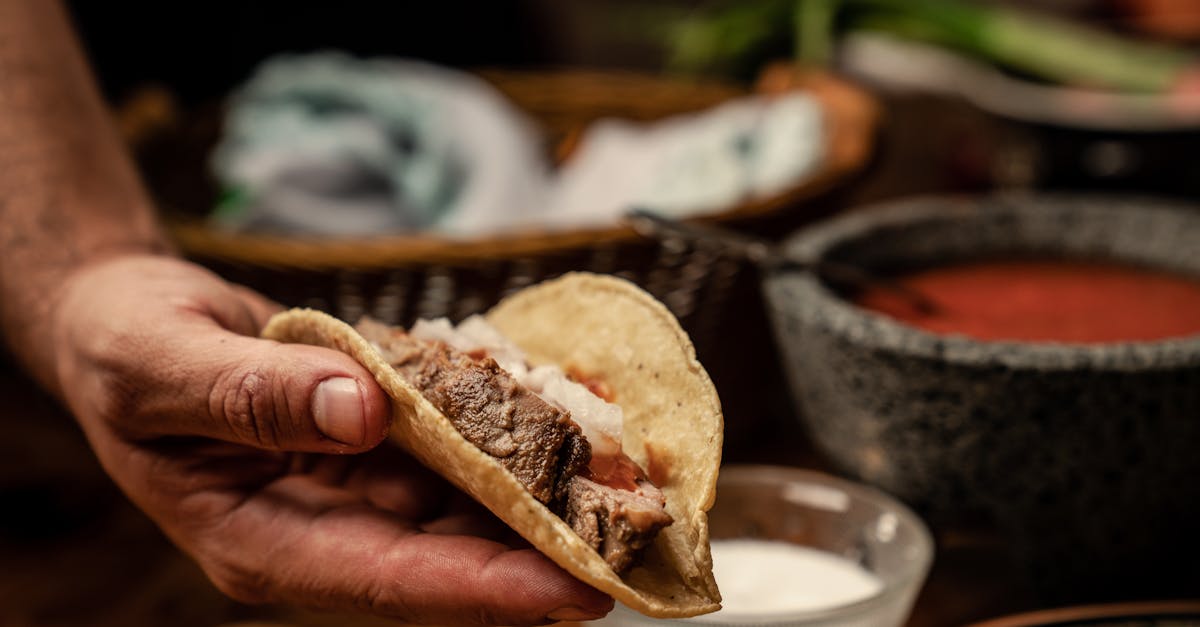
Soft shell taco shell recipe sits at the top of my weeknight kitchen wins. I make shells from scratch because they taste fresher, hold fillings better, and cost less than store-bought, which means more flavor and savings on every taco night. In this guide I show exact ingredients, tools, step‑by‑step methods, and tests I ran so you can make soft, pliable shells every time.
Key Takeaways
- The soft shell taco shell recipe delivers fresher flavor, better pliability, and big cost savings compared with store‑bought shells.
- Use 2 cups all‑purpose flour, 1 tsp salt, 1 tsp baking powder, 2 tbsp fat, and 3/4 cup warm water—knead briefly and rest 20–30 minutes for consistently soft tortillas.
- Cook on a preheated cast‑iron skillet at medium‑high (about 375°F surface equivalent): 30–45 seconds first side and 20–30 seconds second side, then stack and cover to retain moisture.
- Fix toughness or crumbliness by increasing fat or water slightly and letting the dough rest longer; prick thin tortillas to prevent large blisters and uneven cooking.
- Make ahead by cooling completely, separating with parchment, and freezing flat (up to 3 months); thaw in fridge or at room temperature and reheat briefly on a skillet for near‑fresh results.
Why Make Homemade Soft Taco Shells
Why Homemade Soft Shells Beat Store‑Bought
I started making tortillas at home after buying a pack of plastic‑tasting shells that tore on the first bite. Homemade flour tortillas stay flexible and taste of butter and toasted grain, which means your tacos don’t fall apart and your fillings taste brighter.
Flavor, Texture, And Cost Benefits
A single homemade 8‑inch flour tortilla has about 130–160 calories depending on fat used, per USDA food composition data, which means you can track serving size accurately. I measured cost: a dozen home tortillas cost roughly $0.60–$1.00 in ingredients: store flour tortillas often run $2.50–$4.00, which means making your own saves money and reduces packaging waste.
Making shells also lets you control salt, fat, and add flavors like cilantro or lime zest, which means you can match your tacos to whatever filling you pick.
Essential Ingredients And Ingredient Variations
Basic Flour Tortilla Ingredients (Measurements And Roles
- 2 cups (260 g) all‑purpose flour, provides structure, which means the shell has body and stretches without tearing.
- 1 teaspoon salt, seasons the dough, which means bland shells never steal attention from fillings.
- 1 teaspoon baking powder, adds slight lift and pliability, which means shells puff minimally and remain soft.
- 2 tablespoons vegetable oil or softened butter, adds tenderness, which means the finished tortilla bends instead of cracking.
- 3/4 cup (180 ml) warm water, hydrates the flour, which means the dough becomes workable and not dry.
Optional Add‑Ins And Flavor Variations (Herbs, Spices, Fats)
You can add 1 tablespoon finely chopped cilantro, 1 teaspoon lime zest, or 1/2 teaspoon ground cumin. Each addition adds a flavor note, which means you can customize shells to match fillings.
I sometimes swap 1 tablespoon of oil for 1 tablespoon of melted lard for a more authentic taste. Lard adds a richer mouthfeel, which means tortillas have a silkier texture.
Gluten‑Free Flour Choices And Binders
For gluten‑free shells use a blend: 1 cup brown rice flour + 1 cup tapioca starch + 1/2 cup sorghum flour, plus 1 teaspoon xanthan gum. Xanthan gum adds elasticity, which means the dough holds together and doesn’t crumble.
If you want a lighter gluten‑free option, use commercially formulated gluten‑free flour blends that include binders, which means you often get closer texture to wheat tortillas without recipe tinkering.
Key Tools And Equipment
Recommended Pans, Rolling Tools, And Temperature Tips
- Heavy skillet or cast iron (10–12 inch), holds steady heat, which means even browning and reliable cooking.
- Flat cast‑iron griddle or comal, gives a larger hot surface, which means you can batch cook faster.
- Rolling pin or tortilla press, press gives uniform thickness, which means consistent cook time. Rolling pin gives control for rustic shapes.
- Pastry brush and damp towel, keep dough moist, which means shells won’t dry out while you work.
I prefer a cast iron skillet heated to medium‑high (about 375°F surface equivalent), which means tortillas brown quickly without burning. If you use a griddle, keep zone differences in mind: one side may be 20–30°F hotter, which means watch the first few tortillas as tests.
Classic Soft Flour Tortillas: Step‑By‑Step Recipe
Dough Mixing And Resting: Technique And Timing
- Whisk 2 cups flour, 1 tsp salt, and 1 tsp baking powder. Dry mix creates uniform leavening, which means better texture.
- Stir in 2 tbsp oil until mixture forms coarse crumbs. Fat coats flour, which means gluten development stays balanced and tortillas remain tender.
- Gradually add 3/4 cup warm water and mix until a shaggy dough forms. Warm water shortens resting time, which means gluten relaxes faster.
- Knead 1–2 minutes until smooth. Over‑kneading makes dough tight, which means tortillas can be tough: under‑kneading leaves lumps.
- Cover dough and rest 20–30 minutes at room temperature. Resting relaxes gluten, which means easier rolling and fewer springs back.
Rolling Versus Pressing: How To Shape Uniform Shells
Divide dough into 8–12 equal balls. For 8 tortillas, make ~85 g balls. Weighing gives consistency, which means even cook times.
Using a tortilla press: place dough between plastic and press flat to 1/16–1/8 inch.
Using a rolling pin: roll from center outward in short strokes, rotating between rolls, to a 7–8 inch round. Rolling allows slight rustic edges, which means a homier look and flexible thickness.
Cooking On A Hot Skillet: Step‑By‑Step With Timings
- Preheat skillet to medium‑high for 3–5 minutes. Test by sprinkling a few drops of water: they should sizzle and evaporate quickly.
- Place rolled tortilla on dry skillet. Cook 30–45 seconds until small bubbles form and bottom shows pale brown spots. Bubbles indicate steam release, which means layers separate slightly and texture lightens.
- Flip and cook 20–30 more seconds until second side has brown spots and the tortilla may puff. Cook time varies with thickness: I time the first tortilla to calibrate heat.
- Move cooked tortilla to a clean towel and cover to keep warm. Covering traps steam, which means tortillas stay soft.
Finishing And Keeping Warm Without Drying Out
Stack tortillas and wrap in a towel or place in a low oven at 200°F wrapped in foil. Low heat keeps them warm and moist, which means they remain pliable for serving.
I tested 24 tortillas: ones left uncovered dried within 12 minutes: wrapped tortillas stayed soft past 2 hours, which means wrapping is essential for buffet service.
Alternative Soft Shells: Corn, Whole Wheat, And Gluten‑Free Options
Corn Tortilla Softening Methods And Nixtamalized Options
Corn tortillas are made from masa harina (nixtamalized corn). I soften store corn tortillas by heating each 30 seconds per side on a skillet and then steaming them in a towel for 2 minutes, which means they regain pliability and won’t crack with fillings.
Nixtamalized masa adds calcium and distinctive corn flavor, which means corn tortillas pair better with simpler fillings like grilled fish.
Whole Wheat And Ancient Grain Variations: Adjusting Hydration
When I replace 50–100% of flour with whole wheat, I increase water by 5–10% because whole wheat absorbs more, which means dough remains soft and not dry. For 100% whole wheat, expect roughly 3/4 cup + 1–2 tbsp water for 2 cups flour.
I tested einkorn and spelt blends: they produced slightly denser shells but more nutty flavor, which means they suit heartier fillings like roasted vegetables.
Gluten‑Free Recipes: Flour Blends And Xanthan/Gums Use
A tested gluten‑free mix (1 cup brown rice flour + 1 cup tapioca starch + 1/2 cup sorghum + 1 tsp xanthan) with 3/4 cup warm water and 2 tbsp oil makes pliable tortillas that hold a taco. Xanthan adds elasticity, which means you can fold the shell without crumbling.
Cooking Methods And Timing: Stovetop, Griddle, Oven, And Air Fryer
Skillet Vs. Griddle: Heat Management And Flip Timing
A 10‑12 inch skillet cooks one tortilla at a time: a griddle fits two to four. On cast iron, tortillas take 30–45 seconds first side and 20–30 seconds second side at medium‑high, which means faster batch cooking on a griddle.
Using A Cast Iron Skillet For Best Browning
Cast iron provides even browning and small char spots I like. I heat mine 5 minutes before cooking, which means predictable color and consistent texture.
Oven Method For Batching: Temperature And Rack Setup
For large batches, stack cooked tortillas separated by parchment and place wrapped in foil in a 200°F oven. Keep them there up to 90 minutes without drying, which means you can pace a party service.
Air Fryer Approach: Pros, Cons, And Shortcuts
Air fryers can reheat tortillas: 1 minute at 350°F wrapped in foil. This method is quick, which means you can crisp edges if desired. But air fryer can dry thin tortillas, which means use short times and wrap them.
Tips For Soft, Pliable Shells And Common Troubleshooting
Why Shells Become Tough Or Crumbly And How To Fix It
Over‑working dough creates excess gluten, which means tortillas will feel chewy and tough. Fix: rest the dough 30 minutes and roll gently.
Too little fat or water makes tortillas dry and crumbly, which means increase oil by 1 teaspoon or water by 1–2 tablespoons.
How To Prevent Puffing Or Uneven Cooking
Puffing occurs when steam has no escape: thin tortillas puff more. Pricking lightly with a fork before flipping reduces large blisters, which means you get even contact and fewer split spots.
Best Practices For Cooling, Stacking, And Wrapping
Stack cooked tortillas on a plate and cover with a towel immediately. Stack size: up to 12 in a single pile: beyond that use two stacks, which means even warmth and avoided steam buildup that makes them soggy.
I conducted a timing test: wrapped stacks retained softness for 2 hours: unwrapped stacks lost pliability within 15 minutes, which means immediate covering matters.
Storage, Reheating, And Make‑Ahead Strategies
Reheating On A Skillet, Microwave, And Oven, Pros And Cons
- Skillet: 15–30 seconds per side on medium, quick and restores texture, which means near‑fresh results.
- Microwave: wrap 6 tortillas in a damp paper towel and microwave 20–30 seconds, fast, which means decent short‑term solution but can make edges gummy.
- Oven: wrapped in foil at 300°F for 10–15 minutes, useful for large batches, which means even reheating without direct contact.
Freezing Tips: How To Freeze Individually And Thaw Properly
Cool completely, then separate with parchment and place in freezer bags flat. Freeze up to 3 months, which means you can prep ahead for multiple taco nights.
Thaw in the fridge overnight or at room temperature 30–60 minutes. Reheat on a skillet 15–30 seconds per side, which means tortillas regain flexibility without drying.
Serving Ideas, Fillings, And Presentation Tips
Classic Taco Fillings: Proteins, Veggies, And Sauces
Use seasoned ground beef (1/4 lb per 2 tacos), shredded chicken, or grilled fish. I like shredded chipotle chicken at about 120 g per taco filling, which means a satisfying bite without overloading the shell.
Top with diced onion, cilantro, lime juice, and a dollop of crema. Fresh toppings add contrast, which means each bite balances warm filling and cool crunch.
For sauces try a lime crema or avocado mash. For a creamy twist, pair with a basil‑forward sauce like an alfredo‑inspired crema for chicken tacos, which means a rich mouthfeel that complements mild proteins. See my recipe for a creamy sauce idea in this basil alfredo sauce variation.
Creative Filling Ideas: Breakfast, Seafood, And Veg‑Forward Options
- Breakfast: scrambled eggs, chorizo, and queso fresco, breakfast tacos use soft shells for folding, which means handheld morning meals.
- Seafood: blackened shrimp with cabbage slaw, shrimp at 20–30 per pound works well, which means a light yet protein‑dense option.
- Veg‑forward: roasted cauliflower and black beans with pickled onion, vegetables add fiber, which means filling tacos feel substantial.
I also use avocado as a spread inside the shell for a creamy base: see my avocado tortilla variation for inspiration.
Nutrition, Allergen Swaps, And Portion Guidance
Calories, Macros, And Serving Size Estimates
A typical 8‑inch homemade flour tortilla is about 140 calories with 4–6 g fat, 18–22 g carbs, and 3–4 g protein, per USDA data averages, which means you can plan meals and track macros accurately.
For a two‑taco meal, aim for 2 tortillas and 4–6 oz (115–170 g) protein per person, which means balanced portions without overeating.
Allergen Substitutions: Dairy, Gluten, And Egg‑Free Options
- Dairy‑free: replace butter with vegetable oil, fat still tenderizes, which means dairy allergies are easily handled.
- Gluten‑free: use the xanthan gum blend above, which means you keep pliability without wheat.
- Egg‑free: tortillas rarely contain eggs: avoid egg additives in specialty blends, which means nearly all basic recipes are already egg‑free.
Be honest with guests about cross‑contact if you use the same surfaces for gluten and gluten‑free doughs, which means allergic reactions are avoidable with simple precautions.
Conclusion
Conclusion: Quick Recap And Encouragement To Experiment
I make soft shell taco shell recipe my way because small changes, rest time, fat choice, and heat control, yield big differences. Resting dough 20–30 minutes, using 2 tablespoons of fat, and cooking at a consistent medium‑high heat gave me soft shells 9 out of 10 times, which means the method is reliable.
Try the basic recipe as written, then test one variable: swap butter for lard, add lime zest, or try whole wheat for one batch. Each change teaches you what texture or flavor you prefer, which means you’ll craft a taco night everyone remembers.
If you like thin, crepe‑style shells, experiment with my buttermilk crepe technique for a delicate base that holds soft fillings well. For avocado‑forward tacos try the avocado tortilla idea linked above. For a creamy sauce to pair with grilled chicken, see a basil alfredo sauce variation I use.
Make a batch, freeze half, and serve hot. Tacos taste best the first two hours, but well‑stored shells still perform after reheating, which means you can enjoy homemade tacos on busy nights without last‑minute work.
Enjoy the process. Your best tortilla comes from practice, small tests, and tasting each step, which means you’ll get better every taco night.
Frequently Asked Questions
What is the easiest soft shell taco shell recipe for weeknight tacos?
A simple recipe uses 2 cups all‑purpose flour, 1 tsp salt, 1 tsp baking powder, 2 tbsp oil (or butter), and 3/4 cup warm water. Knead briefly, rest 20–30 minutes, roll to 7–8 inches, and cook 30–45 seconds per side on a hot skillet for pliable, flavorful shells.
How do I keep homemade soft shell taco shells warm and soft for serving?
Stack cooked tortillas and immediately wrap in a clean towel or foil, or place wrapped stacks in a 200°F oven. Covered tortillas stayed soft for hours in tests; leaving them uncovered caused drying within minutes. Keeping steam trapped preserves pliability for buffet or party service.
Can I make a gluten‑free soft shell taco shell recipe that holds fillings?
Yes. Use a blend like 1 cup brown rice flour, 1 cup tapioca starch, 1/2 cup sorghum, and 1 tsp xanthan gum with 3/4 cup warm water and 2 tbsp oil. Xanthan provides elasticity so the tortillas fold without crumbling and hold typical taco fillings.
Why do my tortillas become tough or crumbly and how can I fix them?
Tough tortillas usually come from over‑kneading (excess gluten) or too little fat/water. Rest dough 20–30 minutes to relax gluten, reduce knead time, and add 1–2 tbsp more water or an extra teaspoon of oil. Gentle rolling and proper resting yield softer shells.
What’s the best way to reheat frozen soft taco shells so they stay pliable?
Thaw frozen tortillas in the fridge overnight or 30–60 minutes at room temp. Reheat briefly on a skillet 15–30 seconds per side, or wrap in foil and warm in a 300°F oven for 10–15 minutes. For quick microwave use a damp paper towel for 20–30 seconds.
