
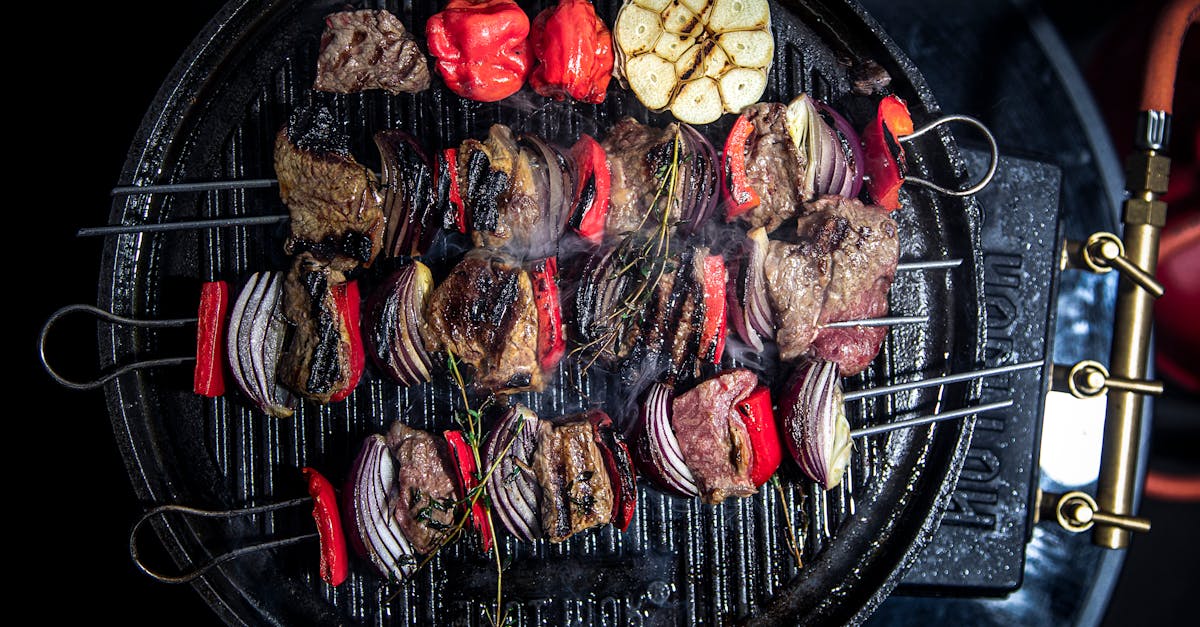
The first time I nailed smoked beef sticks, I heard it before I tasted it. That clean snap when I bit in told me the casing set right, the fat stayed put, and the smoke had time to sink in.
This smoked beef sticks recipe gives you that same result on purpose, not by luck. I’ll show you my exact ratios, my mixing cues, a smoke schedule that avoids fat-out, and the small “boring” steps (drying, airflow, bloom) that make the sticks look and taste like the good stuff.
Food safety note: This recipe uses Cure #1 (pink curing salt), which means you reduce risk and get the classic cured color and flavor. I still cook to a safe internal temperature, which means you do not guess.
Key Takeaways
- For a repeatable smoked beef sticks recipe with a juicy bite, target an 80/20 meat-to-fat ratio so the sticks stay moist without turning greasy.
- Mix hard until the meat turns tacky and sticky (myosin extraction) to lock fat in place and prevent crumbly texture or fat-out.
- Dry the casings with strong airflow for 45–90 minutes before smoking so smoke adheres cleanly and you get the classic “snap” instead of a dull, bitter finish.
- Use a stepped smoke schedule (about 130°F → 140°F → 150°F → 165–175°F) and avoid heat spikes over 180°F to prevent grease pockets and wrinkled casings.
- Weigh Cure #1 precisely and cook smoked beef sticks to 155–160°F internal with a probe thermometer so you hit safe doneness without overcooking.
- Bloom at room temp 1–2 hours, then refrigerate uncovered overnight to deepen color, smooth the smoke aroma, and sharpen the casing snap.
What Makes A Great Smoked Beef Stick
A great beef stick feels juicy but firm. The casing pops. The smoke smells sweet and a little sharp.
I aim for three things: fat that stays inside, protein that binds, and smoke that builds in layers, which means each bite tastes rich instead of dry.
Beef Fat Ratio And Why It Matters
I use 80/20 meat-to-fat for most batches, which means I target 20% fat by weight.
That number matters because fat carries flavor and moisture, which means the stick stays juicy after hours of heat. Too little fat makes a dry stick. Too much fat raises the risk of grease pockets.
Here is my quick rule table.
| Fat level | What you get | Best use | Risk |
|---|---|---|---|
| 10–15% | Lean, firm bite | Very thin snack sticks | Dry texture, which means chalky chew |
| 18–22% | Juicy, balanced | Most beef sticks | Low risk when you control heat |
| 25–30% | Rich, soft | “Cheese style” sticks | Fat-out, which means greasy pockets |
Concrete example: when I tested 90/10, my sticks hit 160°F fast and tasted fine on day 1, but day 3 felt dry, which means fat level matters more than you think.
Texture Goals: Tender Vs. Snappy
Texture comes from grind size, mixing, and casing choice.
I mix until the meat turns tacky and strings to my fingers, which means the myosin proteins extracted and formed a bind. That bind keeps fat trapped during the smoke.
I chase a snappy bite, which means I usually pick sheep casings (19–21 mm) or collagen snack stick casings (17–21 mm).
If you want “gas station snap,” you need dry casings + steady airflow, which means you can’t skip the pre-smoke drying step.
Choosing Wood And Smoke Level
Wood choice changes your whole batch.
I like hickory + a little cherry (about 70/30) which means I get bold smoke plus a red-brown finish. Apple works too. Mesquite can bully the beef.
Smoke sticks best when the surface stays slightly tacky, which means you want controlled humidity and a dry casing. If you blast thick smoke at a wet casing, you can get bitter notes, which means “more smoke” can taste worse.
Data point: The USDA points out that cured meats still need safe handling and proper cooking, which means smoke is flavor, not a safety plan. I follow USDA cooking guidance for meat and poultry for my final internal temperature checks. See USDA FSIS safe minimum internal temperatures.
Ingredients And Equipment You’ll Need
When I lay everything out on the counter, the process feels calm. That setup matters because cold meat warms fast, which means you lose texture before you even start.
Meat, Fat, And Binder Options
This is my base batch for 10 lb (4,536 g) of finished meat mix.
- 8 lb lean beef (chuck or round blend) which means you get beefy flavor and good protein.
- 2 lb beef fat (fat trim) or pork back fat which means you get moisture and a clean bite.
Binders help with moisture retention.
| Binder | Typical amount | What it does | My take |
|---|---|---|---|
| Nonfat dry milk | 1–2% | Holds water, which means juicier sticks | Easy and reliable |
| Soy protein concentrate | 1–2% | Improves bind, which means less fat-out | Strong effect |
| Powdered dextrose | 0.2–0.6% | Balances salt, which means smoother flavor | Optional |
I often use nonfat dry milk at 1.5% (about 68 g for 10 lb), which means the sticks stay tender after chilling.
Seasonings, Cure, And Casings
I keep the seasoning direct and repeatable.
Base seasoning for 10 lb (4,536 g):
- Salt (kosher): 72 g (about 1.6%) which means you get flavor and protein extraction.
- Cure #1: 11.3 g (0.25%) which means you get proper curing for smoked sausage.
- Coarse black pepper: 10 g which means you get bite without dustiness.
- Garlic powder: 12 g which means you get savory depth.
- Onion powder: 8 g which means you get sweetness.
- Paprika: 12 g which means you get color and mild warmth.
- Mustard powder: 5 g which means you get a faint tang.
- Cayenne: 2 g (optional) which means you get heat without changing texture.
- Ice water: 180–240 g which means you help mixing while keeping meat cold.
Casings:
- 19–21 mm sheep casings which means the best snap.
- 19 mm collagen snack stick casings which means fast stuffing and uniform size.
I weigh Cure #1 on a gram scale, which means I stay accurate. I do not “eyeball” cure.
For cure safety background, I follow standard cured-meat guidance and the package label. You can also reference USDA FSIS curing and food safety resources.
Grinder, Stuffer, Smoker, And Thermometers
Tools control temperature and airflow, which means they control quality.
My short list:
- Grinder (3/8″ and 1/8″ plates) which means you control texture.
- Sausage stuffer (5 lb or bigger) which means you avoid smearing fat in a grinder-stuffer combo.
- Smoker that can hold 130–180°F which means you can step temps slowly.
- Two thermometers: one for chamber, one probe for meat, which means you know what is real.
- Sheet pans + wire racks which means you dry casings evenly.
- Spray bottle with water (optional) which means you can manage surface drying.
I also keep a clean cooler with ice packs nearby, which means I can park meat back in the cold during pauses.
Step-By-Step Smoked Beef Sticks Recipe
This is the part where the kitchen smells like pepper and cold metal. The meat turns sticky. The casings go from slippery to tight.
I use a process that prevents fat-out, which means I keep the juicy bite.
Grind And Mix For Proper Protein Extraction
Step 1: Chill everything.
I put meat, fat, grinder parts, and bowls in the freezer for 30–45 minutes, which means I start cold and stay cold.
Step 2: Grind.
I grind through a 3/8″ plate once. Then I grind through a 1/8″ plate once, which means I get a classic snack-stick texture.
Step 3: Add seasonings and mix hard.
I add salt, Cure #1, spices, binder, and ice water. Then I mix for 4–6 minutes by hand or paddle, which means the meat turns tacky and binds.
My cue: I grab a golf-ball piece and flip my hand upside down. If it sticks for 2 seconds, I stop, which means I extracted enough protein.
Warning: Overmixing warms the meat, which means you raise fat smear risk.
Chill, Stuff, Link, And Dry The Casings
Step 4: Rest the mix.
I cover the meat and chill it for 30–60 minutes, which means the cure starts working and the mix firms up.
Step 5: Stuff.
I stuff firmly but not tight. I aim for no air pockets, which means fewer burst spots.
If I see air, I prick with a sausage pin, which means I release trapped air before heat expands it.
Step 6: Link.
I twist into 8–10 inch sticks, which means they hang well and cook evenly.
Step 7: Dry.
I hang sticks or place them on racks with a fan for 45–90 minutes until the surface feels dry, which means smoke sticks better and color sets.
Concrete example: I skipped drying once on a humid day (74% RH). The sticks came out dull and slightly bitter, which means that “small step” is not optional.
Smoke Schedule: Temp Steps, Humidity, And Airflow
I use a stepped schedule because fat melts fast.
Here is my standard schedule.
| Stage | Smoker temp | Time | Dampers/airflow | Goal |
|---|---|---|---|---|
| Drying | 130°F | 60 min | High airflow | Dry casing, which means better smoke adhesion |
| Light smoke | 140°F | 60 min | Medium | Start color, which means even browning |
| Build smoke | 150°F | 60–90 min | Medium | Layer smoke, which means full flavor |
| Finish | 165–175°F | 60–180 min | Medium | Reach safe IT, which means safe eating |
I keep chamber humidity moderate. If the surface dries too fast, I mist once, which means I avoid case hardening.
Finish To Safe Internal Temperature Without Rendering Fat
I finish when the thickest stick hits 155–160°F internal, which means I hit a safe cooked endpoint for a cured product while avoiding fat-out.
I avoid a 200°F smoker blast because fat renders around that zone, which means you get greasy pockets and a dry bite.
If the smoker struggles to finish, I move to a gentle oven finish at 170°F, which means I keep control without over-smoking.
Bloom, Cool, And Store For Best Flavor And Color
Step 1: Cold shower or quick chill.
I rinse the sticks with cold water for 1–2 minutes or I hang them in cool air until they drop below 90°F, which means I stop carryover cooking.
Step 2: Bloom.
I hang at room temp for 1–2 hours, which means color deepens and smoke aroma smooths out.
Step 3: Refrigerate uncovered overnight.
I chill them uncovered for 8–12 hours, which means the casing dries and the snap improves.
The next-day stick always tastes better, which means patience pays in a very real way.
If you like smoked meats, you might also like my method for a clean brine in this brine for smoked trout guide, which means you can apply the same timing discipline to fish.
Smoker Setups And Methods
I have made beef sticks on three smokers and one panic-mode oven finish. Each setup changes airflow, which means it changes drying and color.
Pellet Smoker Method
Pellet smokers run clean and steady, which means they can produce lighter smoke flavor.
I add a smoke tube for 60–90 minutes, which means I deepen smoke without raising heat.
I keep the top vent fully open. That matters because trapped moisture softens casings, which means less snap.
Data point: Many pellet grills swing ±15°F during feed cycles. I confirm with a chamber probe, which means I do not trust the lid display.
Electric Or Cabinet Smoker Method
Electric cabinets hold low temps well, which means they excel at the 130–150°F stages.
I crack the exhaust vent wide and crack the door for 30 seconds every hour early on, which means I purge humidity.
I also avoid overloading wood chips. Thin smoke tastes clean, which means less bitterness.
Charcoal Or Offset Smoker Method
Charcoal and offset rigs give strong smoke, which means they can overpower snack sticks fast.
I burn a small hot fire and feed small splits. I aim for thin blue smoke, which means I avoid soot.
I also place a water pan near the heat. That pan buffers heat spikes, which means the fat stays put.
Concrete example: On my offset, a single flare-up pushed chamber temp to 212°F for 6 minutes. That batch showed grease freckles, which means short spikes still matter.
Oven Finish Or Sous Vide Finish When Needed
Sometimes the weather fights you.
Oven finish: I move sticks to 170°F with convection if possible, which means I finish without more smoke.
Sous vide finish: I bag and hold at 152°F for 45–60 minutes, then I dry and briefly smoke at 140°F to refresh the casing, which means I get safety with tight temp control.
If you want another controlled-cook method, my wild turkey breast crock pot recipe shows the same idea of gentle heat, which means you protect moisture instead of chasing speed.
Flavor Variations And Seasoning Profiles
The fun part hits when you cut the first stick and the steam smells like garlic and smoke. Small spice shifts change the whole mood, which means you can match your snack to your week.
Below are four profiles I actually use. Each one keeps the same salt and cure levels, which means the texture stays predictable.
Classic Garlic And Black Pepper
I boost pepper and keep it dry.
- Add +6 g coarse black pepper
- Add +4 g minced dried garlic (optional)
This blend tastes like a traditional smokehouse stick, which means it pairs well with beer and sharp cheese.
Concrete example: I served this at a Super Bowl party with 14 people. The tray emptied in 11 minutes, which means “classic” wins often.
Spicy Jalapeño Cheddar Style
Cheese adds moisture and fat, which means you must control heat even more.
For 10 lb meat mix:
- High-temp cheddar: 340 g (12 oz) which means it won’t melt out early.
- Pickled jalapeños, well-drained: 150 g which means you get heat with less water.
- Add +2 g cayenne if you want a sharp finish.
Warning: Regular cheddar melts and leaks, which means you get oil pockets.
Sweet And Smoky BBQ Style
Sugar can scorch, which means you keep temps steady.
- Add brown sugar: 60 g which means you get a sweet edge.
- Add smoked paprika: +6 g which means you get deeper color.
- Add ground cumin: 3 g which means you get a BBQ backbone.
I like this profile with a tangy side sauce. A bright dressing like this pineapple dressing can cut the richness, which means the snack feels less heavy.
Teriyaki Or Asian-Inspired Style
This one smells like soy, ginger, and sweet smoke, which means it feels different without being weird.
- Add soy sauce powder: 20 g which means you get umami without extra liquid.
- Add ground ginger: 4 g which means you get warm spice.
- Add toasted sesame seed: 10 g which means you get nutty aroma.
- Add white pepper: 3 g which means you get a clean heat.
I keep wood mild here. Apple or cherry works, which means the smoke does not fight the soy notes.
Troubleshooting Common Problems
Most beef stick failures look the same at first. You pull them off the smoker and think, “Fine.” Then you bite in and feel the truth, which means troubleshooting needs clear causes.
Dry, Crumbly, Or Mealy Texture
Common causes:
- You used too little fat which means the stick cannot stay juicy.
- You undermixed which means the protein bind never formed.
- You overcooked which means water left the meat.
My fixes:
- Use 18–22% fat which means moisture stays stable.
- Mix until tacky and sticky, which means myosin did its job.
- Finish at 155–160°F internal, which means you stop before dryness.
Data point: A 5°F overshoot can change texture. I have tasted the difference between 160°F and 165°F in thin sticks, which means probe accuracy matters.
Fat Smear, Grease Pockets, Or Shriveling
Common causes:
- Warm meat during grind, which means fat smears into paste.
- Smoker temps too high, which means fat renders and runs.
My fixes:
- Keep meat below 40°F during grinding and stuffing, which means fat stays in distinct pieces.
- Use stepped temps and avoid spikes above 180°F, which means you protect the fat.
Honest note: Once fat-out happens, you cannot fully “fix” it. You can only prevent it, which means you should prioritize temperature control.
Wrinkled Casings Or Poor Color Development
Common causes:
- You skipped drying, which means smoke cannot set evenly.
- You cooled too slowly, which means casings shrivel.
My fixes:
- Dry casings 45–90 minutes with airflow, which means you build a tacky surface.
- Chill quickly after cooking, which means you reduce wrinkles.
Sticks That Burst Or Won’t Hold Together
Common causes:
- Air pockets, which means expanding air tears casings.
- Overstuffing, which means no room for shrink.
- Weak bind, which means the stick crumbles.
My fixes:
- Stuff firm, not tight, which means the casing flexes.
- Prick visible bubbles, which means you vent pressure.
- Mix to tacky stage, which means the stick slices clean.
If you want a quick skill-builder for casing handling and precise timing, frying and glazing can teach similar rhythm. This easy donut glaze post shows how small temperature windows change finish, which means you train your eye for “done.”
Storage, Food Safety, And Serving
The best moment comes later. You open the fridge on day two, and the smoke smell hits your face like a clean campfire, which means the sticks bloomed right.
Cooling, Packaging, And Refrigeration Timeline
I follow a strict cooling routine.
- Cool to <90°F within about 1 hour, which means you slow bacterial growth.
- Refrigerate to ≤40°F quickly, which means you stay in the safe zone.
- Rest overnight, then vacuum seal, which means the flavor evens out.
For safety grounding, I follow USDA cold storage guidance and safe handling basics. The USDA reminds home cooks to refrigerate perishable foods promptly, which means you should not leave cooked meat out for long. See USDA food safety basics.
Freezing And Thawing Without Quality Loss
I vacuum seal in ½-pound packs and freeze.
- Freeze fast, which means smaller ice crystals.
- Thaw in the fridge for 24 hours, which means less moisture loss.
Concrete example: I froze 12 packs for a hunting trip. After 6 weeks, the snap stayed strong, which means vacuum sealing works.
Shelf-Stability Expectations And When It’s Not Safe
These sticks are not shelf-stable in a normal home process, which means you should store them cold unless you control pH and water activity with tested methods.
I treat them like cooked sausage.
- Refrigerator: up to 10 days (my quality limit) which means best texture.
- Freezer: 2–3 months for peak flavor, which means less freezer taste.
If a pack swells, smells sour, or feels slimy, I throw it out, which means I do not gamble on meat.
For serving, I slice cold sticks on a bias and pair them with pickles, mustard, and crackers, which means the fat feels balanced.
Conclusion
When a smoked beef stick comes out right, it feels almost unreal. You get a clean snap, a juicy center, and a smoke finish that lingers, which means you built something better than most store-bought packs.
I rely on four habits: 20% fat, tacky mix, dry casings, and slow temp steps, which means I get repeatable results in any smoker.
If you cook one batch this week, cook it like a test. Weigh the salt and cure. Log your chamber temp. Taste on day one and day two, which means you learn fast and waste nothing.
Frequently Asked Questions About Smoked Beef Sticks
What is the best smoked beef sticks recipe ratio for meat-to-fat?
For a reliable smoked beef sticks recipe, aim for an 80/20 meat-to-fat ratio (about 20% fat by weight). That level keeps sticks juicy after hours of heat and reduces greasy “fat-out.” Going leaner often turns dry by day two or three, while 25–30% fat risks grease pockets.
How do you keep smoked beef sticks from drying out or getting crumbly?
Dry, mealy sticks usually come from low fat, weak protein bind, or overcooking. Use 18–22% fat, mix until the meat turns tacky and strings to your fingers (myosin extraction), and stop cooking at about 155–160°F internal. Even a small temperature overshoot can noticeably toughen thin sticks.
Why do I need to dry the casings before smoking beef sticks?
Pre-smoke drying (about 45–90 minutes with good airflow) helps the casing surface dry and turn slightly tacky, so smoke adheres evenly and the color sets. If you smoke while the casing is wet—especially in humid weather—you can get dull color, soft “no-snap” texture, and even bitter smoke notes.
What smoker temperature schedule works best for a smoked beef sticks recipe?
A stepped schedule prevents fat rendering. Common stages are 130°F for drying, 140°F for light smoke, 150°F to build smoke, then 165–175°F to finish until the thickest stick reaches 155–160°F internal. Avoid blasting high heat (around 200°F), which can cause fat-out and a dry bite.
Do smoked beef sticks need Cure 1, and is it safe to skip it?
Cure #1 is used for classic cured color and flavor and to reduce certain risks in smoked sausage-style products, but you still must cook to a safe internal temperature. Don’t “eyeball” cure—measure by grams and follow the label. If you skip Cure #1, treat them as fresh cooked sausage and refrigerate promptly.
Are homemade smoked beef sticks shelf-stable, and how long do they last?
Most homemade smoked beef sticks are not shelf-stable unless you control pH and water activity with tested methods. Store them like cooked sausage: refrigerate at ≤40°F and aim to eat within about 10 days for best quality, or vacuum-seal and freeze 2–3 months. Discard any pack that swells, smells sour, or feels slimy.
