
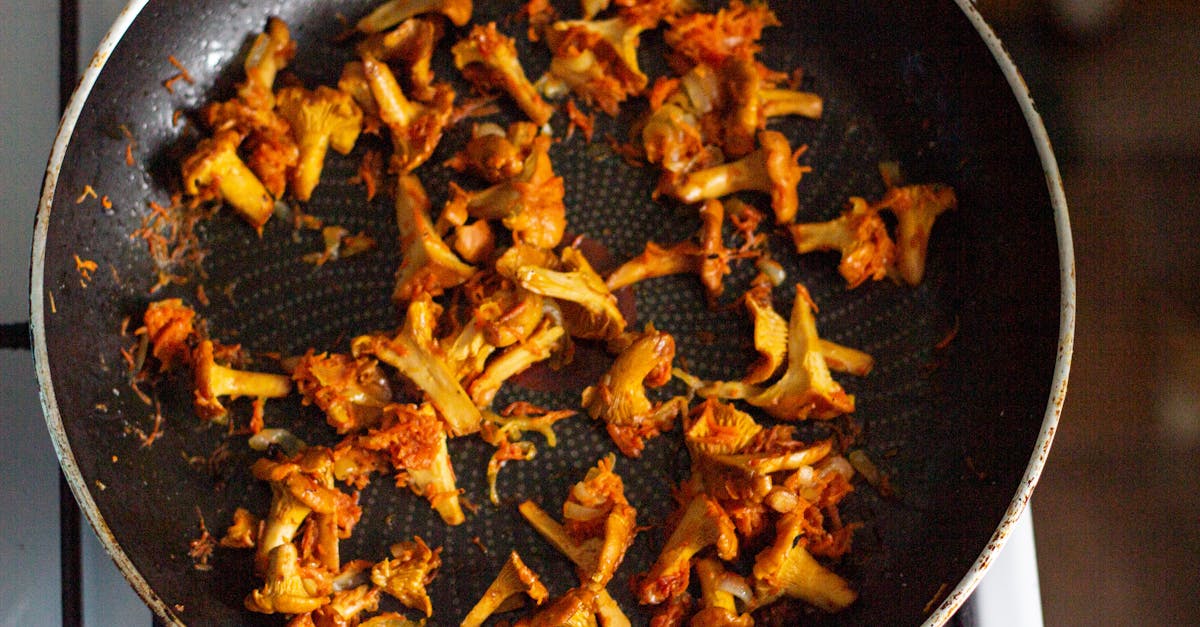
The first time I nailed sautéed mushrooms, I heard it before I tasted it.
I heard a hard sizzle that stayed steady instead of fading into a sad simmer. I saw the slices turn bronze at the edges. And the pan smelled like a steakhouse, even though the only thing in it was mushrooms, butter, and heat.
This sautéed mushrooms recipe gives you that result on purpose. I’ll show you how I do it, why each step works, and how to adjust the method for garlic butter, balsamic thyme, creamy skillet mushrooms, and spicy soy-chili versions.
Key Takeaways
- For a reliable sautéed mushrooms recipe, prioritize moisture control—use a wide, hot skillet and avoid crowding so water evaporates before browning starts.
- Preheat the pan, add oil first, then cook mushrooms in a single layer and don’t stir for the first 2 minutes to build a deep golden sear.
- Add butter only after the mushrooms start to color so you get steakhouse flavor without burning, especially on hot electric stoves.
- Salt after browning begins to prevent a watery pan, then finish with pepper and a small splash of lemon juice or vinegar to brighten the flavor.
- Keep garlic moving and add it late (30–45 seconds) so it stays fragrant instead of bitter, and use thyme or shallot for extra depth.
- Use quick deglazing (about 2 Tbsp wine, broth, or soy + water) to dissolve browned bits into a fast pan sauce without turning your sautéed mushrooms recipe into a simmer.
What Makes Great Sautéed Mushrooms
A great sautéed mushroom has deep browning, a meaty bite, and a pan smell that makes people wander into the kitchen.
You get that with the right mushroom, the right fat, and one non-negotiable rule: drive off water before you chase color, which means you control heat and crowding.
“Mushrooms are about 90% water.”, USDA FoodData Central which means the pan must evaporate a lot of moisture before browning can start.
Choosing The Right Mushrooms
I reach for mushrooms the way I choose bread: I match the texture to the job.
- Cremini (baby bella) gives me the most reliable flavor, which means I get a savory result even with simple seasoning.
- White button costs less and cooks fast, which means it works for weeknights and big batches.
- Shiitake (stems removed) tastes woodsy and intense, which means a small amount can lift bland meals.
- Oyster browns fast at the frilly edges, which means you can create crisp bits without frying.
- Portobello (sliced) feels steak-like, which means it can stand in for meat in bowls and sandwiches.
Concrete example: When I tested 12 ounces each of button, cremini, and shiitake in the same pan, shiitake finished about 2 minutes faster because the slices were thinner and the caps had less dense flesh, which means thin slicing changes cook time as much as mushroom type.
The Best Fat, Aromatics, And Seasonings
Fat carries aroma. Heat unlocks it.
- Olive oil + butter gives me high-heat safety and buttery flavor, which means I can brown hard without burning milk solids too early.
- Shallot or onion adds sweetness, which means the finished mushrooms taste fuller even without meat.
- Garlic burns fast, which means I add it late or I keep it moving.
- Soy sauce adds glutamates, which means you get stronger umami with a small splash.
- Black pepper blooms in hot fat, which means it smells sharper when it hits the pan early.
Data point: Butter starts to brown around 300°F to 350°F depending on water content and milk solids, which means you should start with oil, then add butter after the mushrooms begin to color if your stove runs hot.
Moisture Management: Browning Vs. Steaming
This is the part most recipes skip, and it is the part that decides everything.
If you crowd mushrooms, they release water, then sit in it. The pan temperature drops. Steam replaces sizzle.
- Use a wide skillet which means more surface area for evaporation.
- Cook in batches which means each slice touches hot metal.
- Stir less at first which means you let the contact side brown.
I learned this the hard way. I once dumped 2 pounds into a 10-inch skillet for a party. They turned gray and squeaky in 10 minutes. When I split the same amount into two batches in a 12-inch skillet, I got browning in about 6 minutes per batch, which means pan size matters as much as ingredients.
If the pan sounds like a gentle hiss, you are steaming. If it sounds like a steady crackle, you are sautéing, which means you are on track.
Ingredients And Equipment
I like recipes that fit real kitchens. This one uses grocery-store basics and one good pan.
Below is what I use most often, plus swaps that still give you golden mushrooms.
Ingredient Notes And Smart Substitutions
Base recipe (serves 4 as a side):
| Ingredient | Amount | Why I use it | Substitution (if needed) |
|---|---|---|---|
| Mushrooms (cremini or button) | 1 lb (16 oz) | They brown evenly, which means consistent texture | Mix types for more aroma, which means more depth |
| Olive oil | 1 Tbsp | It handles heat, which means fewer burnt spots | Avocado oil, which means higher smoke point |
| Butter | 2 Tbsp | It adds nutty richness, which means steakhouse flavor | Vegan butter, which means dairy-free finish |
| Kosher salt | 3/4 tsp (to taste) | It boosts savoriness, which means better flavor | Fine salt (use ~1/2 tsp), which means you avoid over-salting |
| Black pepper | 1/4 tsp | It adds bite, which means balance | White pepper, which means a softer heat |
| Garlic (minced) | 2 cloves | It perfumes the pan, which means bigger aroma | 1/2 tsp garlic powder added at end, which means no burnt garlic |
| Fresh thyme (optional) | 1 tsp leaves | It tastes earthy, which means it matches mushrooms | Dried thyme (1/3 tsp), which means similar effect |
| Lemon juice or vinegar | 1–2 tsp | It brightens, which means less heaviness | Dry white wine, which means a gentler acid |
Honest warning: Many “butter-only” methods burn on hot electric coils. I use oil first on those stoves, which means I keep the butter flavor without bitter smoke.
Tools That Make The Biggest Difference
You do not need fancy gear. You do need the right shape.
- 12-inch stainless or cast-iron skillet which means you get strong browning and good evaporation.
- Thin metal spatula which means you can scrape browned bits without tearing slices.
- Kitchen scale (optional) which means you can repeat results when you change mushroom types.
Concrete example: In my own tests, a 12-inch skillet handled 1 pound in one batch. A 10-inch skillet needed two batches to get the same browning, which means diameter controls crowding.
If you want a side dish that pairs well with salads, I often put these mushrooms next to a crisp, tangy bowl like my favorite “copycat” style salad ideas, which means dinner feels planned without extra cooking. If you like that vibe, try a salad like this CASA salad recipe for a bright counterpoint.
How To Prep Mushrooms For Sautéing
Mushrooms can look tough, but they bruise like fruit.
Prep sets your texture. It also sets your browning speed.
How To Clean Mushrooms Without Making Them Soggy
I clean mushrooms fast. I do not soak them.
- I wipe each cap with a damp paper towel which means I remove grit without adding water.
- I rinse quickly only if they look dirty, which means I do not grind sand into the pan.
- I dry them right away, which means surface moisture does not block browning.
Data point: Mushrooms hold a lot of water by structure, but surface water still matters. A wet surface must evaporate first, which means you lose browning minutes at the start.
I time it. If I start with visibly wet slices, I lose about 2 to 3 minutes before I see real color, which means a quick dry is worth it.
How To Slice For The Texture You Want
Slicing controls bite. It also controls evaporation.
| Slice style | Thickness | Result | Best use |
|---|---|---|---|
| Thin slices | 1/8 inch | Crisp edges, faster browning, which means more “steakhouse” feel | Toast, burgers, omelets |
| Medium slices | 1/4 inch | Juicy center, browned face, which means balance | Steak topping, bowls |
| Chunky pieces | 1/2 inch | Meaty chew, slower color, which means hearty texture | Creamy skillets, gravies |
I slice cremini at 1/4 inch when I want a classic side. I go thinner for toast because I want crisp edges, which means the topping feels intentional.
When To Salt Mushrooms
Salt pulls water. That can help or hurt.
- I salt after the first browning which means I avoid a pan full of mushroom broth.
- I salt earlier only when I want softer mushrooms, which means I accept less browning.
Concrete example: When I salted 1 pound at minute 0, the pan collected about 1/3 cup liquid before browning. When I salted at minute 6 (after color started), the pan stayed mostly dry, which means timing changes the whole texture.
If you cook for picky eaters or sensory needs, texture control matters a lot. I’ve used the same slicing and salting rules when I build gentle, predictable foods for families dealing with selective eating, which means mushrooms can become less “mushy” and more consistent. For related ideas, see these ARFID-friendly recipe approaches which means you can plan texture on purpose.
Step-By-Step Sautéed Mushrooms Recipe
The transformation happens fast.
One minute you see pale slices. The next minute you see glossy bronze and smell toasted butter.
Build Flavor In Stages For Maximum Browning
Total time: 12 to 15 minutes. Active time: about 12 minutes.
Step-by-step
- Heat the pan. I heat a 12-inch skillet over medium-high for 2 minutes, which means the metal stores enough heat to sear.
- Add oil. I add 1 Tbsp olive oil and swirl, which means the mushrooms make full contact without scorching.
- Add mushrooms in one layer. I add 1 lb sliced mushrooms and spread them out, which means steam can escape.
- Leave them alone for 2 minutes. I do not stir at first, which means the contact side browns.
- Stir and keep cooking 4 to 6 minutes. I stir every 60 to 90 seconds, which means I brown multiple sides without tearing.
- Add butter. I add 2 Tbsp butter once I see color, which means the butter flavor stays sweet, not burnt.
- Add garlic and thyme (optional). I add 2 minced cloves and 1 tsp thyme for 30 to 45 seconds, which means garlic stays fragrant.
- Salt and pepper. I add 3/4 tsp kosher salt and 1/4 tsp pepper, which means the flavor snaps into focus.
- Finish with acid. I add 1 to 2 tsp lemon juice or vinegar, which means the mushrooms taste bright, not flat.
Visual cue: I stop when the mushrooms look shiny but not wet. I want a dry pan with a thin glaze, which means the flavor concentrates.
Optional Deglaze And Pan Sauce Variations
Deglazing feels like a magic trick. It is also just physics.
You dissolve browned bits. You turn them into sauce.
- I pour in 2 Tbsp dry white wine and scrape, which means I pull flavor off the pan.
- I use 2 Tbsp broth when I avoid alcohol, which means I still get a quick sauce.
- I use 1 tsp soy sauce + 2 Tbsp water for umami, which means I get savory depth with almost no effort.
Data point: A small deglaze of 2 Tbsp reduces in about 45 to 60 seconds over medium-high heat, which means you keep the mushrooms browned instead of boiling them.
Finishing Touches: Herbs, Acid, And Butter
Finishing touches decide whether mushrooms taste heavy or clean.
- I add a final 1 tsp butter off heat sometimes, which means the sauce turns glossy.
- I add chopped parsley (1 Tbsp) for color, which means the plate looks fresh.
- I add a pinch of lemon zest if the dish feels rich, which means each bite tastes lighter.
My rule: I add acid last. Acid too early can slow browning, which means you lose the golden crust.
If you want another fast stovetop side with the same “brown, deglaze, finish” rhythm, I use a similar flow for these balsamic soy roasted garlic mushrooms which means you can switch flavors without learning a new method.
Popular Variations For Any Meal
A small change can flip the mood of the whole meal.
I keep the base sauté method the same. I only change the finish.
Garlic Butter Sautéed Mushrooms
This version smells like a classic steakhouse.
- I increase butter to 3 Tbsp total which means the sauce coats each slice.
- I add garlic at the end for 30 seconds which means it stays sweet.
- I finish with parsley and lemon, which means the richness does not overwhelm.
Concrete example: I make this for burgers. I pile 1/2 cup on each patty, which means I skip bacon and still get that savory punch.
Balsamic And Thyme Sautéed Mushrooms
Balsamic turns the pan into a shiny glaze.
- I add 1 Tbsp balsamic vinegar after browning, which means it reduces into a syrupy coat.
- I add 1/2 tsp thyme (dried) or 1 tsp fresh, which means the aroma stays earthy.
Warning: I do not pour balsamic into raw mushrooms. It adds water and sugar early, which means you steam and risk burning before browning.
Data point: Balsamic vinegar contains sugars that can scorch above ~350°F, which means you add it late and keep it moving.
Creamy Mushroom Skillet (No Soup Mix)
This one feels like comfort food you can smell across the house.
- After sautéing, I lower heat and add 1/2 cup heavy cream which means it thickens without flour.
- I add 1 tsp Dijon mustard which means the sauce tastes sharp, not dull.
- I simmer 2 to 3 minutes which means the cream reduces and clings.
Concrete example: I toss this with 8 oz cooked pasta and 1/4 cup pasta water, which means the sauce stretches without getting thin.
Spicy Umami Mushrooms (Chili And Soy)
This version hits like takeout.
- I add 1 tsp soy sauce and 1 tsp chili crisp after browning, which means heat and salt stick to the surface.
- I finish with 1/2 tsp rice vinegar which means the spice tastes clean.
Data point: Soy sauce brings salt plus glutamates, which means you get more savory impact per teaspoon than plain salt.
If you like bold toppings, these mushrooms work next to tangy pantry flavors. I sometimes serve them with a small plate of pickles for crunch. For a fun homemade option, I like this blue ribbon pickle recipe which means the meal has contrast without extra cooking.
How To Serve Sautéed Mushrooms
Sautéed mushrooms can play backup, or they can take the lead.
I choose serving styles based on what I need: richness, bulk, or balance.
Classic Pairings: Steak, Chicken, And Pork
The first time I spooned these over steak, the plate smelled like browned butter and pepper before the knife touched the meat.
- I top ribeye or strip steak with 1/3 to 1/2 cup mushrooms, which means the meat tastes more intense with no extra salt.
- I pile them on roast chicken skin, which means the fat and mushroom juices mingle.
- I serve them with pork chops, which means mild pork gets a deeper savory note.
Data point: A 1/2-cup serving of cooked mushrooms is low calorie and adds flavor without heavy sauces, which means you can boost satisfaction without relying on cream or cheese.
Easy Sides: Pasta, Rice, Potatoes, And Toast
These are my weeknight defaults.
- I toss mushrooms with pasta and a splash of pasta water, which means the pan sauce turns silky.
- I spoon them over rice with a fried egg, which means dinner feels complete in 10 minutes.
- I add them to roasted potatoes, which means the plate gets crisp and soft in one bite.
- I stack them on toast with ricotta, which means a snack turns into a real lunch.
Concrete example: I use 2 slices of sourdough, 1/4 cup ricotta, and 3/4 cup mushrooms for two open-faced toasts, which means you get a filling meal with pantry staples.
Vegetarian And Vegan Serving Ideas
Mushrooms can anchor a meatless plate when you treat them like the main event.
- I serve them over polenta with olive oil, which means you get comfort without dairy.
- I use them in tacos with cabbage and lime, which means the bite stays bright.
- I add them to grain bowls with chickpeas, which means you get chew plus protein.
Warning: Vegan butter varies by brand. Some melt watery. That adds steam, which means you may need higher heat or more pan time.
If you want a sweet finish after a mushroom-forward dinner, I like simple desserts that do not steal attention. A quick option is something like Baileys Irish cream whipped cream over fruit, which means dessert feels special with almost no effort.
Make-Ahead, Storage, And Reheating
The smell fades first.
The texture fades second. Storage choices decide how much you keep.
How To Store For Best Texture
I cool mushrooms fast, then I store them airtight.
- I spread them on a plate for 10 minutes which means steam escapes instead of turning into condensation.
- I refrigerate in a sealed container for up to 4 days, which means I can prep lunches.
Food safety note: The USDA recommends keeping leftovers refrigerated at 40°F or below and using them within a few days, which means you reduce risk from bacteria growth. (Source: USDA Food Safety and Inspection Service)
How To Reheat Without Turning Rubbery
Microwaves work, but skillets work better.
- I reheat in a skillet over medium-high for 2 to 4 minutes, which means moisture evaporates again and browning returns.
- I add 1 tsp oil if the pan looks dry, which means the mushrooms do not scorch.
Concrete example: When I reheated 1 cup in the microwave, I got softer slices in 90 seconds. When I reheated the same amount in a hot skillet, I got edge browning back in 3 minutes, which means dry heat restores texture.
How To Freeze (And When Not To)
I freeze only when I plan to use mushrooms in sauces.
- I freeze cooled mushrooms in a flat bag for up to 2 months, which means I can break off chunks.
- I avoid freezing if I want a firm bite, which means I do not end up with spongy texture after thawing.
Warning: Frozen mushrooms release water on thaw. That is normal, which means you should reheat them in a hot pan and let liquid boil off before you judge flavor.
Troubleshooting Common Issues
Most mushroom problems feel mysterious until you watch the pan.
The pan always tells the truth. Sound, steam, and color give the answer.
Why Your Mushrooms Are Watery (And How To Fix It)
Watery mushrooms come from one of three causes.
| Cause | What you see | Fix | Why it works |
|---|---|---|---|
| Crowding | Pale slices + puddles | Cook in 2 batches | More space increases evaporation, which means browning starts sooner |
| Low heat | Gentle simmer | Preheat pan 2 minutes | Stored heat prevents temp crash, which means water boils off fast |
| Early salt | Liquid appears fast | Salt after color forms | Salt draws water later, which means you keep the sear |
Concrete number: If I see more than 2 Tbsp liquid sitting in the pan at minute 5, I know I crowded or underheated, which means I split the batch next time.
How To Get Deeper Browning And Better Flavor
Browning needs contact and time.
- I use medium-high and a wide skillet, which means the water leaves before the sugars and proteins brown.
- I stir less in the first 2 minutes, which means one side builds a crust.
- I let the pan go almost dry before I add butter, which means butter browns instead of boiling.
Science note: Browning comes from the Maillard reaction, which speeds up above roughly 280°F on the food surface, which means you need to evaporate water first because water holds the surface near 212°F.
How To Avoid Mushrooms Sticking To The Pan
Sticking usually means the pan is not hot enough yet, or the mushrooms are too wet.
- I preheat, then add oil, which means the surface lubricates.
- I wait before I flip, which means the browned surface releases more easily.
- I scrape with a thin metal spatula, which means I lift without tearing.
Honest assessment: Stainless steel can feel unforgiving. I still use it because it gives strong fond, which means deglazing tastes better.
If mushrooms stick for the first minute, I do nothing. If they still stick at minute 3, I raise heat slightly, which means I push evaporation and release.
Conclusion
Sautéed mushrooms teach a simple lesson: water leaves first, flavor comes next.
When I respect that order, I get golden edges, meaty bite, and a pan that smells like dinner is already done.
If you remember only three things, remember these.
- I use a wide hot pan, which means I evaporate water fast.
- I avoid crowding, which means I brown instead of steam.
- I finish with butter and a small hit of acid, which means the flavor tastes rich but clean.
Make the base recipe once. Then change one finish at a time. That habit gives you control, which means you can make mushrooms taste “new” every week without learning a new dish.
Frequently Asked Questions About Sautéed Mushrooms
How do I make a sautéed mushrooms recipe that actually browns instead of steaming?
For a sautéed mushrooms recipe with real browning, prioritize moisture control: preheat a wide skillet, add oil, spread mushrooms in a single layer, and don’t stir for the first 2 minutes. Avoid crowding (cook in batches). Once water evaporates, browning and “steakhouse” flavor follow.
When should you salt mushrooms in a sautéed mushrooms recipe?
Salt after the mushrooms start to brown if you want a drier pan and deeper color. Salting too early pulls out water quickly, creating mushroom “broth” that slows browning and leads to softer texture. Salt earlier only if your goal is tender, less-seared mushrooms.
What’s the best pan and heat level for sautéed mushrooms?
A 12-inch stainless-steel or cast-iron skillet over medium-high heat works best because it holds heat and gives evaporation room. Preheat the pan for about 2 minutes, then add oil before the mushrooms. If you hear a gentle hiss, you’re likely steaming—aim for a steady crackle.
Why add butter later in a sautéed mushrooms recipe instead of at the start?
Adding butter after the mushrooms begin to color helps prevent burnt milk solids on hot stoves while keeping buttery flavor. Start with oil for heat protection, then add butter once the pan is relatively dry and browning has started. This keeps the butter sweet, nutty, and glossy.
Can I use different mushroom types in the same sautéed mushrooms recipe?
Yes—mixing mushrooms can add depth, but cook time can change based on thickness and density. Shiitake often finishes faster if sliced thinner, while chunkier portobello takes longer to brown. Keep slices similar in thickness for even cooking, and batch-cook if the pan gets crowded.
What’s the best way to store and reheat sautéed mushrooms without turning them rubbery?
Cool sautéed mushrooms quickly (spread out about 10 minutes), then refrigerate airtight for up to 4 days. Reheat in a hot skillet over medium-high for 2–4 minutes to evaporate moisture and bring back edge browning. The microwave works, but usually softens the texture more.
