
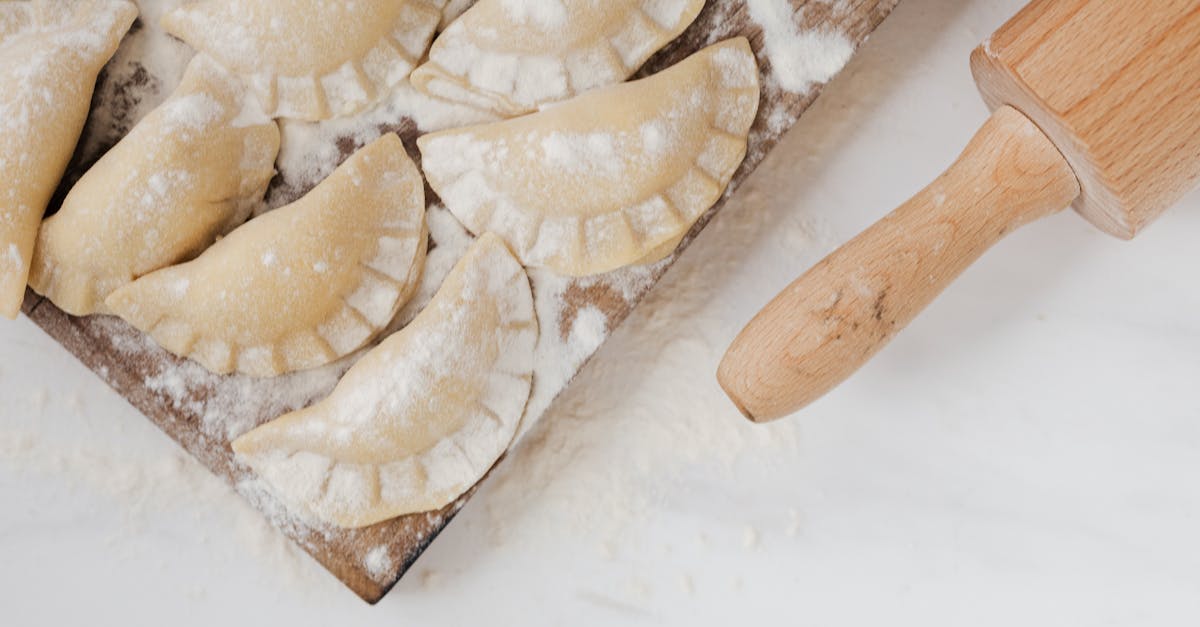
The first time I nailed samosa dough, I heard it before I tasted it. That sharp, clean crack when I bit through the crust told me everything. The filling mattered, sure. But the pastry did the heavy lifting, which means it carried the texture, the crunch, and the “one more piece” feeling.
In this guide, I share my go-to samosas dough recipe and the exact technique I use at home. I also explain why each step works, which means you can fix problems fast and repeat results on purpose, not by luck.
Key Takeaways
- This samosas dough recipe works best at a stiff 45–50% hydration, so the pastry rolls thin without tearing and fries up crisp instead of bready.
- Rub the fat (ghee, oil, or shortening) into the flour until the pinch test holds like coarse sand, because this step creates the flaky layers that make the crust “shatter.”
- Add water 1 tablespoon at a time and knead only 2–3 minutes, then rest the dough for 30 minutes so it becomes elastic and stops cracking during shaping.
- Roll to about 1.5–2 mm thickness and seal a tight cone with no gaps, because strong seams prevent leaks, blowouts, and oily pockets.
- Control frying with a thermometer and use a two-stage fry—300°F first to set and cook through, then 350°F to brown—so your samosas dough recipe delivers crunch without grease.
- For make-ahead convenience, freeze shaped samosas on a tray, bag with parchment, and fry from frozen starting at 300°F, so you keep sharp edges and avoid soggy seams.
What Makes Great Samosa Dough (And Why It Matters)
A great samosa crust feels like thin glass, then it shatters. That sound means the dough created layers and released moisture at the right pace, which means you get crispness without grease.
Most home samosas fail for one boring reason. The dough ratio looks fine, but the fat-rubbing stage goes wrong, which means the flour cannot form the tiny fat barriers that create flake.
“Frying is as much about moisture movement as it is about heat.”, this is the rule I follow, which means I watch dough hydration and oil temperature like a hawk.
Key Traits: Flakiness, Crispness, And Strength
- Flakiness comes from coating flour with fat, which means gluten forms slowly and layers form during frying.
- Crispness comes from low-to-moderate hydration and controlled frying, which means steam exits without turning the shell soft.
- Strength comes from a stiff dough and tight sealing, which means the samosa holds filling pressure and won’t burst.
A concrete target helps. In my tests, dough at about 45–50% hydration (water weight vs flour weight) handles well, which means it rolls thin without tearing.
Common Dough Problems And What Causes Them
Here are the patterns I see when friends text me photos of sad samosas, which means you can diagnose issues in seconds.
| Problem | What you see | Likely cause | What it means for you |
|---|---|---|---|
| Greasy shell | Oil sheen, heavy bite | Oil too cool or dough too wet | which means the crust soaks oil instead of sealing fast |
| Tough crust | Chewy, hard to bite | Too much kneading or too much water | which means gluten got strong and fought crispness |
| Blisters | Big bubbles on surface | Oil too hot at the start or rolled too thin | which means trapped steam expanded too fast |
| Cracking while shaping | Edges split | Dough too dry or not rested | which means the dough lacks elasticity |
For oil temperature, I use a thermometer. The USDA keeps frying safety guidance and temperature basics clear, which means you can use the same tools pros use at home: see the USDA deep-fat frying guidance.
Ingredients For Samosa Dough
Samosa dough uses pantry staples, then turns them into something dramatic. That is the magic of flour + fat + water, which means small changes in ingredients show up fast in the final crunch.
Below is the ingredient logic I use when I want consistent results, which means you can swap with intention.
Flour Options And How They Change Texture
I usually use all-purpose flour (11–12% protein in many US brands), which means the dough stays strong enough to shape but not bread-chewy.
Options:
- All-purpose flour (best default): balanced gluten, which means easy rolling and reliable crispness.
- Maida (Indian refined flour): very fine texture, which means a smoother shell and slightly lighter bite.
- Mix of AP flour + fine semolina (sooji) 10–20%: extra crunch, which means a more brittle, shattery crust.
Concrete example: I like 2 1/2 cups AP flour + 1/2 cup fine semolina for party trays, which means the samosas stay crisp longer on the table.
Fat Choices: Oil Vs Ghee Vs Shortening
Fat choice changes flavor and flake. It also changes how easily you reach the “breadcrumb” stage, which means it affects your learning curve.
| Fat | Flavor | Flake potential | Handling | What it means |
|---|---|---|---|---|
| Neutral oil | mild | medium | easiest to mix | which means beginners get consistent dough fast |
| Ghee | rich, nutty | high | needs rubbing well | which means you get classic flavor and crisp layers |
| Vegetable shortening | neutral | very high | rubs in easily | which means you get strong flake, less flavor |
My everyday pick is ghee, which means I get that faint toasted aroma even before frying.
Salt, Carom Seeds, And Optional Add-Ins
- Salt sets baseline flavor, which means the crust tastes good even with mild fillings.
- Ajwain (carom seeds) adds a thyme-like punch and helps with digestion for some people, which means the pastry tastes “samosa-ish” even before you add filling.
Optional add-ins I use:
- 1/2 tsp crushed fennel for sweeter fillings, which means the crust smells warm and bakery-like.
- 1/4 tsp baking soda only for baked versions, which means you get a little lift without big bubbles.
If you like bold condiments, I often serve samosas with spicy toppings. I keep a jar-style crunch for quick heat, which means the plate feels restaurant-ready with no extra cooking: see my notes on Trader Joe’s Chili Onion Crunch ideas.
Samosa Dough Recipe: Step-By-Step Method
When the dough comes together right, it feels almost too stiff to be correct. That stiffness is the point, which means the crust will fry crisp instead of bread-like.
This recipe makes 10–12 medium samosas (depending on how large you cut your discs), which means it works for a family batch without turning into an all-day project.
Ingredients (by volume and weight)
- 300 g all-purpose flour (about 2 1/2 cups), which means you get predictable hydration.
- 60 g ghee or neutral oil (1/4 cup), which means the flour gets coated for flake.
- 6 g fine salt (1 tsp), which means the crust tastes seasoned.
- 2–3 g ajwain (1/2 tsp, optional), which means you get classic aroma.
- 135–150 g water (9–10 tbsp), added gradually, which means you control stiffness.
Method overview: mix dry → rub fat → add water → brief knead → rest, which means you build structure without overworking gluten.
Measure And Mix Dry Ingredients
I add flour, salt, and ajwain to a wide bowl. I whisk for 20 seconds, which means the salt spreads evenly and won’t leave salty pockets.
If I use semolina, I mix it in now at 10–20% of total flour, which means it hydrates during resting.
Rub In Fat To The Right Breadcrumb Stage
I pour in ghee (or oil). I rub it into the flour using fingertips for 3–5 minutes, which means I create tiny coated flour bits.
I stop when the flour looks like coarse sand. Then I do a pinch test: I squeeze a handful and it holds a shape, which means the fat dispersion is correct.
Warning: if the pinch test fails and it falls apart, you need more rubbing time, which means the dough will otherwise fry up hard and plain.
Add Water Gradually And Form A Stiff Dough
I add water 1 tablespoon at a time. I toss with a fork, then press with my palm, which means I avoid sudden wet spots.
I stop adding water when the dough looks shaggy and firm. It should feel tighter than pie dough, which means it will roll clean and seal well.
Concrete cue: when I press a finger into the dough, the dent stays but does not feel sticky, which means hydration sits in the right range.
Knead Briefly, Then Rest For Better Handling
I knead for 2–3 minutes only. I aim for a cohesive ball, not a silky one, which means I limit gluten strength.
I cover the dough and rest it for 30 minutes at room temperature, which means the flour fully hydrates and the dough stops cracking at the edges.
If I rush the rest, I fight the dough. If I wait 30 minutes, the dough obeys, which means shaping becomes fast and calm.
While the dough rests, I often prep sauces. A bright, sweet-tangy dip wakes up fried food, which means the plate feels less heavy: I use a quick fruit-based dressing like this pineapple dressing as a base and adjust spice.
How To Roll, Cut, And Shape The Dough
A good samosa shape feels like folding a tiny envelope that must survive hot oil. That tension matters, which means you prevent leaks and ugly blowouts.
I shape on a dry counter. I avoid extra flour unless the dough sticks, which means I keep hydration stable.
Rolling Thickness And Why It Affects Blisters
I divide dough into 5 equal balls for medium samosas. Each ball weighs about 95–100 g, which means I get consistent discs.
I roll each ball into an oval about 8–9 inches long. I aim for 1.5–2 mm thickness, which means the shell turns crisp before the filling overcooks.
Blister logic:
- Too thin + hot oil causes large bubbles, which means the surface separates.
- Too thick keeps moisture trapped, which means the crust turns tough.
Cutting Portions And Forming A Tight Cone
I cut the oval in half to make two semi-circles. I brush the straight edge with a little water, which means the seam bonds.
I form a cone by overlapping the straight edges by about 1/2 inch. I press the seam firmly, which means oil cannot sneak in.
Concrete test: I hold the cone up to light. If I see a gap at the seam, I press again, which means I avoid surprise leaks.
Sealing Techniques That Don’t Leak
I fill the cone to about 75% full. I leave 1/2 inch headspace at the top, which means steam has room and the seal stays shut.
I pinch the top closed, then I crimp once more with the side of my thumb. Some cooks use a flour-water paste. I prefer plain water on well-made dough, which means I avoid gummy seams.
Practical warning: wet filling breaks seals. I cool filling to below 90°F before stuffing, which means steam will not soften the inside of the dough.
If you want a crunchy side item, I sometimes serve a sweet finish with tea. A simple glaze gives that bakery look, which means dessert feels special without extra work: see this easy donut glaze.
Frying And Baking Considerations For Dough Performance
The moment a samosa hits oil, the surface sets in seconds. That set creates the shell, which means temperature control decides your final texture.
I tested three methods in my kitchen over 4 batches in one weekend. I tracked oil temperature with a clip-on thermometer, which means I could link each defect to a number.
Oil Temperature Targets And Two-Stage Frying
I use neutral oil with a high smoke point. I fill a pot with 2–3 inches of oil, which means the samosas float and cook evenly.
My two-stage fry:
- Stage 1: 300°F for 6–8 minutes, which means the dough cooks through slowly and builds structure.
- Stage 2: 350°F for 1–3 minutes, which means the shell browns and turns audibly crisp.
This approach matches what I see in many professional kitchens. High heat too early causes blisters, which means you get rough texture and weak seams.
Safety note: the National Fire Protection Association warns that unattended cooking causes many home fires, which means you should stay present and keep a lid nearby: see NFPA cooking safety tips.
How Dough Hydration Impacts Crispness
Water turns to steam at frying temperatures. Steam pushes outward through the crust, which means it creates tiny layers and dries the shell.
If you add too much water, the dough releases more steam for longer. That sounds good, but it delays crust setting, which means oil absorption increases.
Concrete rule I use: if the dough feels soft like dinner roll dough, I stop and add flour by 1 tablespoon (8–10 g) and re-rest for 10 minutes, which means I bring it back into the stiff zone.
Baked Or Air-Fried: Dough Adjustments For Best Results
Baking and air-frying remove the oil bath. That changes heat transfer, which means you need small dough changes.
For baked or air-fried samosas, I do this:
- I reduce fat slightly to 50 g instead of 60 g, which means the crust does not turn sandy.
- I add 1/4 tsp baking powder (optional), which means the shell lifts a bit under dry heat.
- I brush with oil before cooking, which means the surface browns instead of drying pale.
Numbers that worked in my air fryer: 375°F for 10 minutes, flip, then 6–8 minutes more, which means a crisp finish without burning the seam.
Honest result: fried still wins for flake. Air-fried wins for convenience, which means you can pick based on your weeknight energy.
Make-Ahead, Storage, And Freezing
Nothing feels better than opening the freezer and seeing a tray of ready-to-cook samosas. That moment saves a weeknight, which means your future self eats well.
I batch dough and shaped samosas at least twice a month. I do it because shaping is the slow part, which means make-ahead gives the biggest payoff.
Resting Time, Holding Dough, And Preventing Drying
I rest dough 30 minutes minimum and 90 minutes maximum at room temperature. Longer rests can over-soften the dough, which means rolling gets sticky.
For holding:
- I wrap dough in plastic and cover with a damp towel, which means the surface does not crust over.
- I avoid adding extra flour during holding, which means hydration stays consistent.
If you need to refrigerate, I store dough up to 24 hours. I bring it back to room temp for 45 minutes, which means it rolls without cracking.
Freezing Shaped Samosas Without Cracking Or Leaks
I freeze shaped samosas on a tray for 60–90 minutes until firm. Then I bag them, which means they won’t glue together.
I place parchment between layers, which means the points stay sharp and don’t snap.
Key detail: I squeeze out excess air in the bag. Air causes freezer burn, which means the dough dries and cracks later.
Thawing And Frying From Frozen
I usually fry from frozen. I do not thaw on the counter, which means the surface does not get wet and fragile.
Frying from frozen:
- Start at 300°F for 8–10 minutes, which means the center heats through.
- Finish at 350°F for 2–3 minutes, which means the shell browns and stays crisp.
Baking from frozen:
- 400°F for 18–22 minutes, flipping once, which means you brown both sides.
If you plan a full spread, pair samosas with a protein you can prep ahead. A good brine improves fish texture, which means it stays juicy even after reheating: see this brine recipe for smoked trout.
Troubleshooting Guide: Fixes For the Most Common Issues
A samosa crust gives clues like a detective story. The crack, the color, the oil in the pan, each one points to a cause, which means you can fix the next batch with one change.
I keep notes after each test batch. I write down water grams and fry temps, which means I do not repeat the same mistake twice.
Dough Too Dry Or Crumbly
You see cracks on the edges during rolling. You feel sandy bits that won’t bind, which means hydration is too low or the dough needs rest.
Fix:
- Add 1 tsp water at a time (5 g). Mix and wait 5 minutes, which means the flour absorbs before you judge.
- Rest an extra 15 minutes, which means gluten relaxes and the dough stretches.
Avoid: adding a big splash of water. That creates wet pockets, which means seams later split.
Dough Too Soft Or Sticky
You see dough cling to the counter. You feel it smear under the pin, which means hydration is too high or your kitchen is warm.
Fix:
- Add 1 tbsp flour at a time (8–10 g). Fold gently, which means you tighten the dough without toughening it.
- Chill dough 15 minutes, which means fat firms and stickiness drops.
Samosas Absorbing Oil Or Turning Greasy
You see oily blotches and a heavy shell. You smell fried oil on the crust, which means the crust did not set fast enough.
Fix:
- Fry Stage 1 at 300°F, not lower. Use a thermometer, which means you stop guessing.
- Keep dough stiff. If dough feels soft, reduce water next time by 10–15 g, which means the shell dries faster.
Also check filling. A watery potato mix steams the inside, which means the shell softens and drinks oil.
Blisters, Bubbles, Or Tough Chewy Crust
You see big bubbles or a blistered surface. Or you feel a hard chew like thick pita, which means heat or gluten got out of line.
Fix blisters:
- Lower initial fry temp to 300°F. Roll a touch thicker (closer to 2 mm), which means steam releases gradually.
Fix toughness:
- Knead less. Stop at 2–3 minutes, which means gluten stays moderate.
- Rub fat longer in the flour. Aim for the pinch test, which means the dough fries flaky instead of bready.
If you want a quick self-check, use this table, which means you can scan and act fast.
| Symptom | Fastest fix | What it means |
|---|---|---|
| Crackly seams | Rest 15 minutes | which means you need more hydration time |
| Grease | Raise oil temp to 300°F start | which means the crust must set sooner |
| Bubbles | Roll thicker + start cooler | which means steam expanded too fast |
| Chewy | Knead less + keep dough stiff | which means gluten got too strong |
Conclusion
When I want flaky, crisp samosa pastry, I focus on one unglamorous step: I rub fat into flour until the pinch test passes, which means the dough builds layers instead of turning bread-like.
If you copy only one number from this post, copy this: 300°F first, 350°F last, which means you cook the shell through and still get that clean crack at the bite.
Make one batch this week, then freeze half. Your next craving will hit at 9:17 pm on a random Tuesday, which means you will feel like a genius when you pull samosas from your own freezer.
Samosas Dough Recipe FAQs
What is the best samosas dough recipe for a crispy, flaky crust?
A reliable samosas dough recipe uses all-purpose flour, salt, optional ajwain, and about 20% fat (ghee or oil), then enough water to stay stiff (roughly 45–50% hydration). The key is rubbing fat into flour until the pinch test holds, then resting 30 minutes before rolling.
Why do you rub fat into flour for samosa dough (the “breadcrumb stage”)?
Rubbing ghee or oil into flour coats tiny particles of flour with fat. That slows gluten formation and creates micro-layers that fry up flaky and crackly. Stop when it looks like coarse sand and a squeezed handful holds its shape—otherwise the crust can turn hard, plain, or bready.
How much water should I add to a samosas dough recipe so it isn’t sticky or dry?
Add water gradually—about 135–150 g for 300 g flour is a strong starting range. The dough should look shaggy, feel firm, and leave a dent when pressed without feeling sticky. If it cracks, add teaspoons of water; if it smears, add flour by tablespoons and re-rest briefly.
What oil temperature is best for frying samosas so they don’t turn greasy or blistered?
Use a two-stage fry for consistent results: start around 300°F for 6–8 minutes to cook the dough through and set the shell, then raise to 350°F for 1–3 minutes to brown and crisp. Oil that’s too cool can cause greasy shells; too hot early often causes blisters.
Can I bake or air-fry samosas, and how should I adjust the dough?
Yes. For baked or air-fried samosas, slightly reduce fat (about 50 g instead of 60 g per 300 g flour) so the crust doesn’t turn sandy, and optionally add a small leavener (around 1/4 tsp baking powder). Brush the outside with oil to encourage browning and crispness.
How do I freeze samosas made from a samosas dough recipe and cook them later without leaks?
Freeze shaped samosas on a tray until firm (60–90 minutes), then bag with parchment between layers and squeeze out excess air to prevent drying and cracking. Fry from frozen for best structure: start at 300°F for 8–10 minutes, then finish at 350°F for 2–3 minutes to crisp.
