
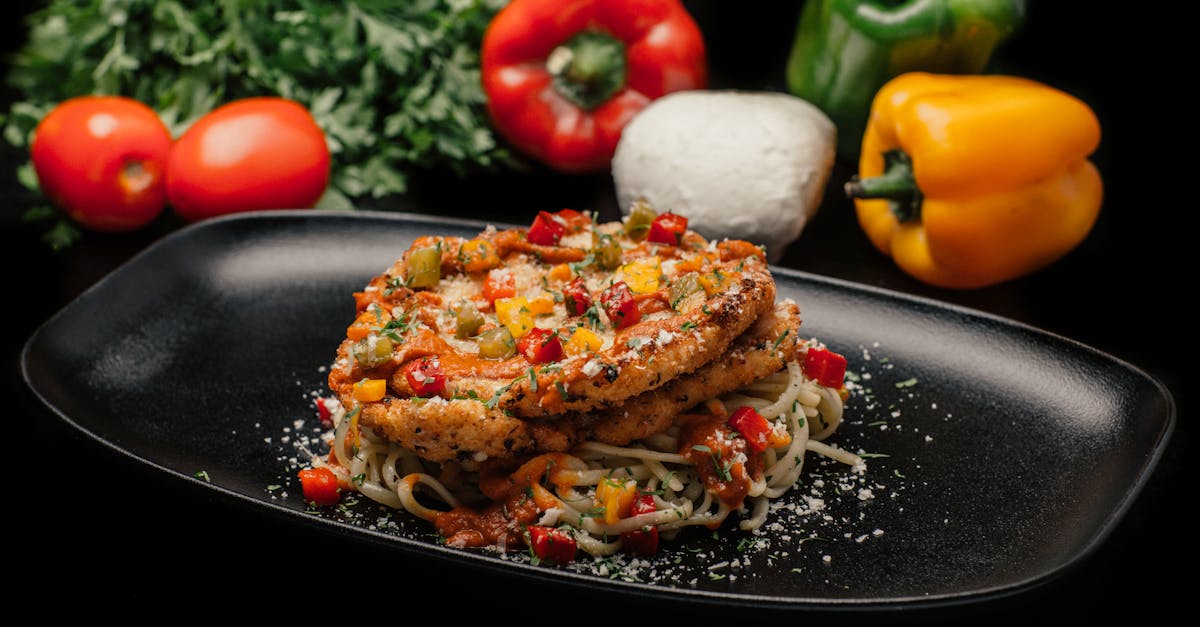
I roast bell peppers at least once a week. The smell of sweet flesh caramelizing and the snap of charred skin hitting a bowl always makes the kitchen feel alive. In this guide I show you simple methods, exact timing, and real tips I use so your roasted peppers come out tender, sweet, and ready to use in salads, sauces, sandwiches, or stuffed recipes.
Key Takeaways
- A roasted bell peppers recipe concentrates sweetness and adds smoky char by using high, direct heat (broiler, grill, or stovetop) to blister skin above 450°F for best flavor.
- Choose heavy, glossy red or yellow peppers for faster caramelization, and season simply with olive oil, kosher salt, and a splash of vinegar or lemon for balance.
- For consistent results, roast whole at 450°F for 25–35 minutes, steam covered 15 minutes to loosen skins, then peel, seed, and finish with oil and acid—this is the core oven method in the roasted bell peppers recipe.
- Pick the roasting method by goal: broiler or stovetop for quick char, oven or air fryer for batch cooking, and grill for smoky depth, using the provided timing windows for each tool.
- Store roasted peppers refrigerated in oil up to 7 days or freeze in single layers for up to 6 months, and always cool below 40°F within two hours to ensure food safety.
Why Roast Bell Peppers? Flavor, Texture, And Uses
Roasting concentrates a bell pepper’s sugars and softens its flesh. A raw red bell pepper contains about 152 mg of vitamin C per medium fruit, according to USDA data, which means roasting preserves a lot of nutrients while making the pepper sweeter and easier to digest.
I roast peppers because the char adds a smoky note that fresh peppers can’t match. That smoky char develops when skin blisters at temperatures above 450°F (232°C), which means you should use high, direct heat for best results.
Roasted peppers transform in texture from crisp to silky. That transformation makes them ideal for spreads, sandwiches, soups, and salads, which means you get more culinary options from one simple technique.
Quick fact: roasting reduces raw pepper volume by roughly 30–40% after water loss, which means a 3-pound box of fresh peppers produces about 2 pounds of roasted flesh for sauces or jars.
Ingredients And Tools You’ll Need
I keep my list short. You need peppers, olive oil, salt, and an acid (vinegar or lemon) for brightness. That means a basic pantry covers most flavor goals.
Choosing Peppers: Ripeness, Color, And Quality
Pick peppers that feel heavy for their size and have smooth, glossy skin. Heavy weight means high water and flesh content, which yields juicier roasted meat.
Color matters. Red and yellow peppers have higher sugar than green peppers, which means they caramelize faster and taste sweeter after roasting.
Essential Pantry Ingredients And Optional Add-Ins
Essential: kosher salt, extra-virgin olive oil, and a splash of lemon juice or wine vinegar for finishing. That means you’ll balance sweet roasted flesh with acid and salt.
Optional add-ins: garlic, fresh herbs (parsley, basil), smoked paprika, or anchovy for umami. Adding anchovy means a savory depth with minimal effort.
Equipment: Oven, Broiler, Grill, Stovetop, And Air Fryer Tips
I use five tools depending on time and batch size: oven, broiler, grill, gas stovetop, and air fryer. Each method has one clear advantage: speed, batch size, smoke, direct char, or hands-off speed. That means you can pick the tool that fits your schedule and flavor goal.
Five Easy Methods To Roast Bell Peppers
I outline five methods so you can choose by time, equipment, and texture. Each method includes timing and an exact temperature where relevant.
Method 1: Broiler (Quick And Reliable)
Place peppers on a baking sheet under a hot broiler for 8–12 minutes, turning every 2–3 minutes until skin is blackened and blistered. That means you get intense char fast.
Method 2: Oven Roast (Batch Cooking)
Roast whole peppers at 450°F (232°C) for 25–35 minutes, turning halfway, until evenly blistered. That means you can roast a large tray at once.
Method 3: Grill (Smoky Char)
Place peppers over medium-high direct heat for 10–15 minutes, turning frequently for even blistering. That means you’ll add real smoke flavor if you use charcoal or wood chips.
Method 4: Stovetop (Gas Flame Searing)
Hold peppers with tongs over a gas flame, rotating until all sides blacken, about 6–10 minutes. That means you get intense, direct char with no oven.
Method 5: Air Fryer (Fast And Hands-Off)
Air fry at 400°F (204°C) for 12–15 minutes, shaking once. That means minimal supervision and surprisingly even blistering.
Preheat, Roast, And Rest: Timing And Temperature Guide
Use these windows: broiler 8–12 minutes, oven 25–35 minutes at 450°F, grill 10–15 minutes, stovetop 6–10 minutes, air fryer 12–15 minutes at 400°F. That means you can plan by how much time you have and how many peppers you roast.
Classic Oven-Roasted Bell Peppers: Step-By-Step Recipe
I prefer the oven for a steady, even roast when I have 30–45 minutes. The oven produces consistent results for batches of 6–12 peppers, which means it’s ideal for meal prep.
Ingredients:
- 6 large bell peppers (mixed colors)
- 2 tablespoons extra-virgin olive oil
- 1 teaspoon kosher salt
- 1 tablespoon red wine vinegar or 2 teaspoons lemon juice
Yield: about 2 pounds roasted pepper flesh, which means roughly 12 servings of 2 tablespoons each for toppings.
Steps:
- Preheat oven to 450°F (232°C). That means the oven is hot enough to blister skin quickly.
- Place whole peppers on a rimmed baking sheet. Drizzle 1 tablespoon olive oil over them if you want slightly faster browning. That means flavored skin and faster blistering.
- Roast for 25–35 minutes, turning every 8–10 minutes, until skins are blackened and blistered on all sides. That means even charring and soft flesh.
- Transfer peppers to a bowl and cover tightly with plastic wrap or a lid to steam for 15 minutes. That means the skins loosen for easy peeling.
- Peel, seed, and slice. Toss with remaining olive oil, salt, and vinegar. That means you finish with silky, seasoned flesh ready to eat.
Serving note: I store leftovers submerged in oil with garlic cloves for immediate use in sandwiches or salads, which means peppers gain flavor and shelf life.
Peeling, Seeding, And Handling Tips
Peeling can be frustrating if done too early. Steaming after roasting loosens skins, which means peel slips off with minimal flesh loss.
How To Peel Without Losing Flavor Or Flesh
After steaming 15 minutes, use a small paring knife or your fingers to remove skin. Work gently to keep flesh intact. That means you’ll preserve texture for salads and sauces.
Best Way To Remove Seeds And Core Intactly
Cut a small slit and open the pepper like a book, or slice the top around the stem and lift the core out. Use a spoon to scrape seeds. That means less waste and tidy strips.
Food Safety: Hot Steam, Storage Temperature, And Cross-Contamination
Store roasted peppers below 40°F (4°C) within two hours of cooking to prevent bacterial growth. That means rapid cooling and refrigeration are essential for safety. Use clean utensils when handling to avoid cross-contamination, which means your peppers stay safe for later use.
Flavor Variations, Fillings, And Serving Ideas
I use roasted peppers as the backbone for many dishes. Small tweaks change the entire profile, which means you can serve peppers in Italian, Mediterranean, or spicy Latin styles.
Mediterranean Style: Olive Oil, Garlic, And Herbs
Toss sliced roasted peppers with 2 tablespoons olive oil, 2 smashed garlic cloves, and 1 tablespoon chopped parsley. That means a bright, herb-forward side dish.
Example: I mixed peppers with basil alfredo and warm pasta for a creamy, bright dinner. That means the sweet pepper cut through the rich sauce. See a related sauce idea in this basil alfredo recipe for inspiration: Basil Alfredo Sauce Recipe.
Spicy And Smoky: Chili Flakes, Smoked Paprika, And Chipotle
Add 1 teaspoon smoked paprika and a pinch of chili flakes to sliced peppers. That means an immediate smoky heat suitable for tacos or sandwiches.
Stuffed Roasted Peppers: Protein, Grain, And Cheese Fillings
Stuff peppers with 1 cup cooked quinoa, 8 ounces cooked ground meat or beans, and 1 cup shredded cheese, then bake 15–20 minutes at 375°F (190°C). That means a complete meal that reheats well.
Uses: Salads, Sandwiches, Sauces, Tapas, And Pizza Toppings
I spread roasted peppers on crostini with goat cheese, which means a 5-minute appetizer that looks homemade. I also blend roasted peppers into sauces for pasta or pizza, which means an instant flavor boost.
For a sweet pairing, try roasted peppers in desserts with fruit? I once paired roasted red pepper purée with grilled peaches and ricotta: the contrast surprised guests, which means peppers can be more versatile than you think.
Storage, Make-Ahead Options, And Freezing Guide
I often roast a big batch and store it three ways: refrigerated in oil, frozen in portions, or jarred for the fridge.
Short-Term Storage: Refrigerator Best Practices
Store roasted peppers in an airtight container with a thin layer of olive oil for up to 7 days. That means they stay moist and flavorful.
Freezing Roasted Peppers For Long-Term Use
Freeze peppers on a sheet tray in single layers for 2 hours, then transfer to labeled freezer bags for up to 6 months. That means peppers won’t clump and you can thaw single portions.
Nutrition note: frozen peppers retain most vitamins but lose some texture. A study shows frozen vegetables can retain up to 90% of vitamin C if flash frozen quickly, which means freezing preserves key nutrients when done properly.
Batch Prep Schedule: Roast Once, Use All Week
I roast on Sunday and use peppers in lunches, salads, and dinners through Friday. Preparing 3–4 pounds makes 8–12 meals, which means you save time on weekday cooking.
I also preserve peppers submerged in oil with garlic and oregano. Store jars in fridge for up to 2 weeks: for longer storage use proper canning methods.
Troubleshooting Common Problems
Problems happen. Below are fixes I’ve tested in my kitchen.
If Peppers Won’t Peel Easily: Quick Fixes
Return peppers to heat for 3–5 minutes, then steam again in a covered bowl for 10 minutes. That means the skin loosens without extra charring.
If Skin Burns Or Flesh Becomes Bitter
Trim away heavily blackened patches and taste. If bitterness persists, slice off the outer layer of flesh until flavor returns. That means you salvage most of the pepper without throwing it away.
If Peppers Are Watery Or Lose Texture After Cooking
Salt lightly and roast an additional 5–8 minutes to reduce water content. Alternatively, squeeze excess water after cooling. That means you restore firmness for salads and toppings.
Practical warning: avoid storing peppers at room temperature for more than two hours, which means you reduce the risk of bacterial growth and spoilage.
Nutrition, Allergen Notes, And Portion Guidance
Roasted peppers are low-calorie and nutrient-dense. One medium red pepper (about 164 g) has roughly 37 calories and 152 mg vitamin C per USDA data, which means peppers give lots of micronutrients for few calories.
Calories, Macros, And Key Micronutrients
Per medium red bell pepper: 37 kcal, 9 g carbs, 1.5 g fiber, 1 g protein. Vitamin A and vitamin C content is high. That means peppers support immune and skin health with minimal calories.
Allergen And Dietary Notes (Vegan, Gluten-Free, Low-FODMAP)
Roasted peppers are naturally vegan and gluten-free, which means they fit many diets. For low-FODMAP needs, limit servings to 1/2 cup for sensitive individuals because peppers contain fructans in higher amounts, which means portion control matters.
Serving Size Recommendations And Yield Estimates
I recommend 1/4 to 1/2 cup per person as a side or topping. From 6 large peppers you get about 12 half-cup servings, which means one tray can serve a small gathering easily.
Conclusion
Roasting bell peppers is simple and high-impact. A few minutes of direct heat transforms raw peppers into sweet, silky, and smoky additions to many meals, which means you can turn ordinary ingredients into dishes that feel crafted.
Try one method this week and stick with what fits your routine. If you want a quick snack, broil or stovetop char for under 10 minutes. If you want batch prep, use the oven or air fryer for even results, which means you choose speed or volume without losing flavor.
Final practical tip: pair roasted peppers with a creamy element like ricotta, goat cheese, or a simple olive oil vinaigrette. I once used roasted peppers with a lemony ricotta on grilled sourdough and guests asked for the recipe, which means these peppers make food feel special.
For more recipe ideas that pair nicely with roasted peppers, check these inspired dishes: a light savory sauce in this Basil Alfredo Sauce Recipe, a quick crepe base in the Buttermilk Crepes Recipe for pepper-and-cheese fillings, and a smoky dip idea close to baba style in Baba Ganoush Recipe (Lebanese, Without Tahini).
Quote: “A simple char can turn a vegetable into a memory.” I believe it, because every time I roast peppers I remember a summer cookout where one charred pepper convinced my skeptical friend that vegetables can steal the show.
Frequently Asked Questions
What’s the easiest roasted bell peppers recipe for batch prep?
Roast whole peppers at 450°F (232°C) for 25–35 minutes, turning halfway. Steam in a covered bowl for 15 minutes, then peel, seed, and toss with olive oil, salt, and a splash of vinegar. Six large peppers yield about 2 pounds roasted flesh for multiple meals.
How do I peel and seed roasted bell peppers without losing the flesh?
After roasting, transfer peppers to a covered bowl to steam 15 minutes—this loosens skins. Gently peel with fingers or a paring knife, then cut a slit or remove the top around the stem and scoop seeds with a spoon to preserve tender flesh.
Which method gives the smokiest char for a roasted bell peppers recipe?
Grilling over charcoal or wood chips adds the most authentic smoky flavor; medium-high direct heat for 10–15 minutes with frequent turning blisters the skin and imparts real smoke. Stovetop over a gas flame also yields intense direct char if you lack a grill.
Can I freeze roasted bell peppers and how long do they last?
Yes. Flash-freeze slices on a tray for 2 hours, then transfer to labeled freezer bags for up to six months. Frozen peppers retain most vitamins though texture softens; thaw in the fridge or add frozen to cooked sauces and stews without fully defrosting.
How should I store roasted bell peppers in the fridge for best flavor and safety?
Cool to room temperature no longer than two hours, then refrigerate below 40°F (4°C) in an airtight container with a thin olive oil layer. Properly stored, they keep 5–7 days; use clean utensils to avoid cross-contamination and extend shelf life.
