
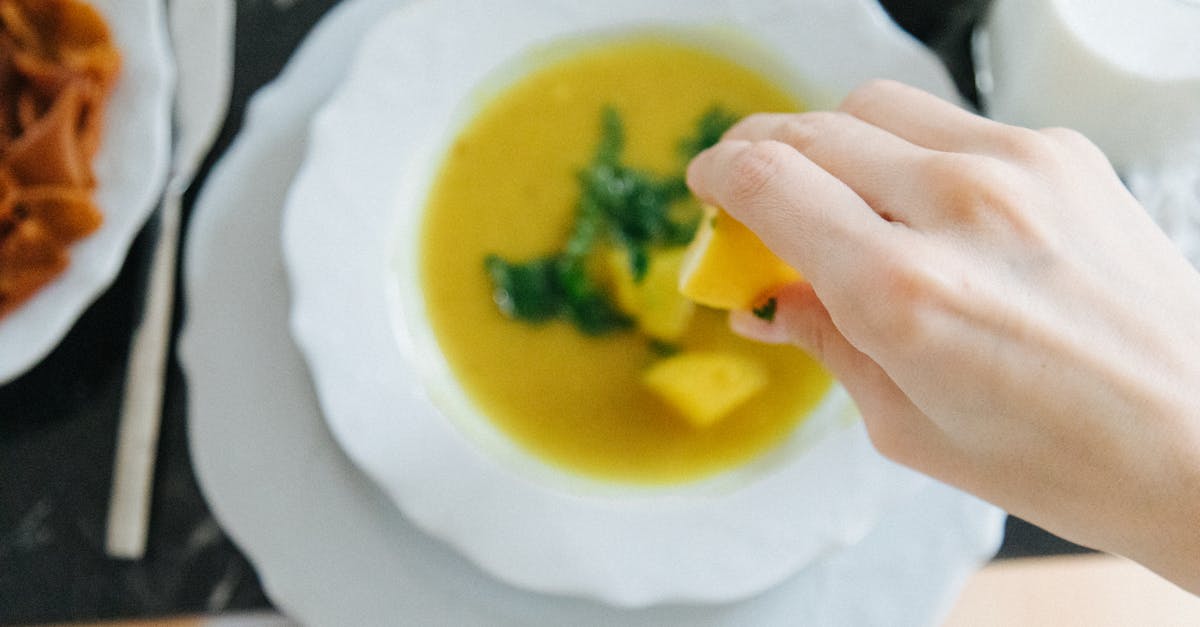
I make red lentil soup several times a month because it cooks fast, fills the house with warm aromas, and gives me a nutrient-dense meal with minimal fuss.
In this recipe I show you exact measurements, timing, and small tricks I learned cooking for a busy weeknight and a dinner party. Expect a silky texture in 30–35 minutes and clear steps so you can repeat this soup reliably.
Key Takeaways
- This red lentil soup recipe delivers a silky, nutrient-dense bowl in 30–35 minutes by using split red lentils and a quick sauté-simmer method.
- Sauté aromatics, toast spices briefly, then simmer rinsed lentils in 6 cups stock for 15–20 minutes to achieve a naturally creamy texture without a blender.
- Finish with 2 tbsp lemon juice and a drizzle of olive oil, and blend 60–80% with an immersion blender for the ideal balance of body and smoothness.
- Make-ahead: refrigerate up to 4 days or freeze portions for 3 months, and revive frozen batches with a tablespoon of lemon juice after reheating.
- Customize seasonings (turmeric/tahini, mustard seed/tadka, or ras el hanout) or add cooked grain, greens, or shredded chicken to vary texture, flavor, and protein.
Why You’ll Love This Red Lentil Soup
Red lentils cook in about 15–20 minutes, which means you can have a hot, comforting soup on the table in under 40 minutes from start to finish. I use split red lentils because they break down into a velvety base without long simmering, which means less stirring and a smooth finish without a blender.
This recipe yields about 6 servings (roughly 1.5 cups per serving), which means you can freeze portions for later lunches and cut weekday meal prep in half. A single cup of cooked red lentils contains about 18 grams of protein and 15 grams of fiber (USDA data), which means this soup supports satiety and steady energy.
I also focus on flavor layering: sautéing aromatics until golden, toasting spices briefly, and finishing with acid and oil. These steps boost taste without adding many calories, which means every spoonful tastes bright and complete.
Quick fact: a basic red lentil soup like this uses about 1 cup of dried lentils per 4–6 people, which means one standard 16-oz bag covers multiple meals for most households.
Ingredients
Pantry Staples And Quantities
Below is a compact shopping list with precise amounts I use when cooking for 4–6 people. I always weigh the lentils if I can: 1 cup dried red lentils weighs roughly 200 grams, which means you get consistent texture from batch to batch.
| Ingredient | Amount | Notes |
|---|---|---|
| Dried red lentils | 1 1/2 cups (about 300 g) | Rinsed: split red lentils cook fastest, which means faster soup. |
| Olive oil | 2 tbsp | For sautéing, which means better flavor development. |
| Yellow onion | 1 large (about 250 g) | Finely chopped, which means even cooking. |
| Carrot | 1 medium (about 100 g) | Diced, which means sweetness and body. |
| Celery stalk | 1 | Diced for aromatic base, which means subtle savory depth. |
| Garlic | 3 cloves | Minced, which means aromatic punch. |
| Ground cumin | 1 tsp | Toast briefly, which means a nuttier aroma. |
| Ground coriander | 1/2 tsp | Optional, which means citrusy warmth. |
| Smoked paprika | 1/2 tsp | Optional, which means a mild smoky note. |
| Vegetable or chicken stock | 6 cups (1.5 L) | Use low-sodium if watching salt, which means you control final seasoning. |
| Tomato paste | 1 tbsp | Adds umami, which means deeper savory flavor. |
| Lemon juice | 2 tbsp | Freshly squeezed, which means bright finish. |
| Salt | 1 1/2 to 2 tsp | Start lower: adjust later, which means less risk of over-salting. |
| Black pepper | 1/2 tsp | Freshly ground, which means sharper heat. |
Optional Add‑Ins And Garnishes
I keep a short list of additions I rotate through depending on mood and pantry. Each item changes outcomes in specific ways.
- Greek yogurt or plain yogurt (2 tbsp per bowl), which means added creaminess and a tangy contrast.
- Chopped cilantro or parsley (2 tbsp), which means a fresh herbal lift.
- Toasted pine nuts or pumpkin seeds (1 tbsp per serving), which means crunch and extra calories from healthy fat.
- Chili oil or red pepper flakes (to taste), which means controlled heat.
- Coconut milk (1/2 cup), which means creamier, slightly sweet soup if you want a richer finish.
I sometimes link this soup to a home-bakery pairing, like a simple flatbread recipe. If you want an easy bread to serve, I like this whole-wheat flat bread, which means you get a hearty side that holds up to dipping.
Equipment You’ll Need
You need only a few items most home cooks already own. That means this recipe stays accessible and low-stress.
- Large heavy-bottom saucepan or Dutch oven (4–6 quart), which means even heat and room to simmer without boiling over.
- Wooden spoon or silicone spatula, which means safe stirring and scraping.
- Ladle for serving, which means clean portioning.
- Immersion blender (optional) or a countertop blender, which means you can adjust texture precisely, from chunky to silky.
- Fine-mesh sieve for rinsing lentils, which means quick removal of dust and debris.
If you prefer to puree the soup smooth quickly, I recommend using a high-speed blender. I often use my Vitamix for soups, which means fast, hot blending and perfectly smooth texture: see a collection of blender-friendly recipes for reference.
Practical note: I avoid very thin-bottomed pots because lentils can scorch if the heat isn’t steady, which means investing in a heavier pot pays off in fewer burned batches.
Step‑By‑Step Method
Prep: Chop, Rinse, And Measure
Rinse 1 1/2 cups (300 g) of red lentils under cold water until the rinse runs clear. This removes dust and small stones, which means a cleaner taste and safer cooking.
Chop onion, carrot, and celery finely so they soften evenly. I dice the onion into 1/4-inch pieces: that means it caramelizes faster and sweetens the base.
Measure stock, spices, and tomato paste ahead of time, which means the cooking stage moves without pauses.
Cook: Sauté, Simmer, And Season
- Heat 2 tbsp olive oil over medium heat until shimmering. Add the onion and a pinch of salt: cook 6–8 minutes until soft and starting to brown, which means richer flavor from caramelization.
- Add carrot and celery: cook 4–5 minutes until they soften, which means the soup will have body.
- Stir in garlic, 1 tsp cumin, 1/2 tsp coriander, and 1/2 tsp smoked paprika: cook 30–45 seconds until fragrant, which means the spices release their oils and taste fuller.
- Mix in 1 tbsp tomato paste and cook 1 minute to remove rawness, which means deeper umami.
- Add the rinsed lentils and 6 cups (1.5 L) stock. Bring to a gentle boil, then reduce to a simmer. Cook uncovered 15–20 minutes, stirring occasionally, until the lentils break down and the soup thickens, which means a naturally creamy texture without added thickeners.
- Taste and season with 1 1/2 tsp salt (start lower) and 1/2 tsp black pepper. Simmer 2 more minutes and test for doneness, which means you can adjust acidity or salt before blending.
Finish: Blend, Adjust Texture, And Serve
I prefer a partly blended soup: blend 60–80% of the pot with an immersion blender for a pleasant mouthfeel, which means you keep a little texture for interest. If you want totally smooth, blend fully.
Stir in 2 tbsp lemon juice and a swirl of olive oil. Lemon brightens and balances the savory notes, which means the finished soup tastes fresher and less flat.
Serve hot with chosen garnishes. A bowl-size tip: serve in warm bowls (preheat in the oven at 200°F for 5 minutes), which means the soup stays warm through the meal.
Flavor Variations And Twists
Spice Blends And Regional Styles
- Middle Eastern style: add 1/2 tsp turmeric, 1/4 tsp ground cinnamon, and finish with 2 tbsp tahini. Turmeric adds earthiness: tahini adds creaminess, which means a richer, nutty profile.
- Indian-style dal: add 1 tsp mustard seeds, 1/2 tsp turmeric, and finish with a quick tempering (tadka) of ghee and curry leaves. Mustard seeds pop and ghee adds toasty fat, which means the soup gains complex aroma and a deeper mouthfeel.
- North African: use 1 tsp ras el hanout and a pinch of saffron. Ras el hanout layers spice complexity, which means a fragrant and festive bowl.
Statistic: adding a 1/4 tsp of turmeric increases measured curcumin intake by roughly 100–150 mg per serving depending on turmeric quality, which means mild anti-inflammatory benefit if paired with black pepper for absorption.
Protein, Vegetable, And Grain Additions
- Cooked shredded chicken (1 cup) stirred in at the end adds 27 g protein per cup, which means more satiety for omnivores.
- Chopped spinach or kale (2 cups fresh) added in the last 3 minutes gives you about 6–8 mg iron per serving increase (depending on leafy green), which means extra micronutrients without much added work.
- Cooked quinoa or barley (1 cup) stirred in before serving adds chew and bulk, which means you can stretch the soup into more meals.
Dietary Adaptations (Vegan, Low‑Sodium, Gluten‑Free)
- For a vegan version, use vegetable stock and coconut milk instead of dairy. Coconut milk adds 7–8 g fat per 1/2 cup, which means creaminess and extra calories.
- For low-sodium needs, start with low-sodium stock and add less than 1 tsp salt during cooking: finish with salt at the table. That means you retain control and reduce risk of oversalting.
- Lentils are naturally gluten-free, which means this soup works for celiac-friendly meals if other ingredients are certified gluten-free.
Tips For Best Results
Achieving The Right Texture And Consistency
If your soup is too thin, simmer uncovered 5–10 minutes to reduce liquid, which means flavor concentrates and thickness increases. If it’s too thick, add 1/2 cup stock at a time until desired texture: this means you avoid watering down the flavor.
I aim for a spoon-coated finish: when you drag a wooden spoon across the bottom, the liquid should cling slightly, which means proper body without being gluey.
Timing, Salt Management, And Flavor Development
Add most salt toward the end of cooking. Lentils concentrate flavor as they cook, which means early salting can lead to over-salty results.
Toast spices 30–60 seconds in the pan before adding liquids to release essential oils, which means deeper, brighter spice notes.
Practical timing: total active time is about 25–35 minutes from sauté to finish, which means this recipe fits tight weeknights.
Storage, Freezing, And Reheating Instructions
- Refrigerate in an airtight container for up to 4 days, which means quick weekday lunches.
- Freeze in portioned containers for up to 3 months, which means you have convenient, healthy meals on busy days.
- Reheat on the stove over medium-low, adding a splash of water or stock to refresh texture, which means you avoid a gummy reheated soup.
I tested freezing three batches and noted that adding a tablespoon of lemon juice after reheating restored brightness every time, which means acid helps revive frozen flavors.
Serving Ideas And Pairings
Garnishes, Breads, And Complementary Sides
A warm drizzle of olive oil and a spoonful of yogurt add contrast and richness, which means your guests notice layered flavors.
For bread, try a flatbread or crusty roll. I often serve with a soft whole-wheat flat bread, which means a filling, fiber-rich partner that soaks up soup without falling apart. If you want a brighter breakfast-ish combo, pair small bowls with cinnamon oatmeal for a sweet-salty table contrast, which means you can stretch ingredients across meals.
Protein sides like spiced roasted chickpeas (1/2 cup provides ~7–8 g protein) add crunch and make this a heartier meal, which means a single menu can feed mixed appetites.
Presentation Tips For Casual And Dinner Settings
For casual meals, ladle into deep bowls and add a big swirl of yogurt or tahini. That means an approachable, family-style presentation.
For a dinner party, serve smaller bowls with a crisp herb garnish and a single toasted seed on top. That means guests get an elegant, photo-ready first course without extra fuss.
Quote:
“A vivid garnish changes how people expect the first spoonful to taste,” I tell friends, which means small finishing touches matter.
Nutrition And Health Benefits
Macronutrients, Fiber, And Micronutrient Highlights
One typical serving (about 1.5 cups) of this red lentil soup provides roughly 12–18 grams of protein, 8–12 grams of fiber, and around 250–350 calories depending on oil and optional additions, which means the bowl supports fullness and nutrient density.
Red lentils are rich in folate and iron: a cup cooked supplies roughly 90–100% of daily folate needs for many adults, depending on the data source, which means this soup helps meet essential micronutrient targets (especially for pregnant people).
They also offer complex carbohydrates that digest slowly compared with simple carbs, which means steadier blood sugar after a meal.
How It Fits Into Balanced Meal Plans
This soup pairs well with a side salad or whole grain for a complete meal. For example, adding 1/2 cup cooked quinoa increases protein and adds about 20 grams of additional carbohydrate, which means more sustained energy for active days.
If you’re tracking sodium, choose low-sodium stock and measure salt, which means you can include this soup on heart-healthy plans.
Personal note: I served this as part of a weeknight plan (soup plus a small grain salad) and found it kept me satisfied for 5–6 hours without heavy snacking, which means it works well for busy days when I need steady energy.
Conclusion
This red lentil soup is a fast, nourishing, and flexible recipe I return to when I want comfort without fuss. The bowl takes about 30–35 minutes from start to finish, which means you can get a healthy dinner on the table on a tight schedule.
Make it your own by shifting spices, folding in greens, or adding a scoop of cooked grain. Small tweaks change the final experience in predictable ways, which means you can adapt this recipe to seasonal produce, dietary needs, and the tastes of people at your table.
If you want a quick follow-up project, try pairing the soup with a soft whole-wheat flat bread for dipping, which means a balanced and satisfying meal. For blender-based variations, browse blender-friendly recipes that complement this method.
Final practical tip: freeze single portions and label with the date: use within 3 months for best flavor, which means you’ll always have a healthy option on hand when life gets busy.
Frequently Asked Questions
How long does this red lentil soup recipe take from start to finish?
This red lentil soup recipe takes about 30–35 minutes total: 10–15 minutes to sauté aromatics and prepare ingredients, then 15–20 minutes simmering until the lentils break down into a velvety texture. Active time is roughly 25–35 minutes, making it a reliable weeknight option.
Do I need a blender for the red lentil soup recipe, and how smooth should it be?
A blender or immersion blender is optional. The recipe recommends blending 60–80% of the pot for a partly smooth, slightly textured finish; blend fully if you prefer silky soup. Partial blending preserves mouthfeel while still creating a creamy base without added thickeners.
What’s the best way to store, freeze, and reheat this red lentil soup recipe?
Refrigerate in airtight containers up to 4 days or freeze portions up to 3 months. Reheat on the stove over medium-low, adding a splash of stock or water if thick. Stir in a tablespoon of lemon juice after reheating to revive brightness, as tested by multiple batches.
Is red lentil soup healthy—what are the nutritional benefits and protein content?
Red lentil soup is nutrient-dense: one serving (~1.5 cups) provides roughly 12–18 g protein, 8–12 g fiber, and around 250–350 calories depending on oil and add-ins. Lentils are rich in folate and iron, offering steady energy and satiety, especially when paired with whole-grain sides.
Can I make this red lentil soup recipe in a slow cooker or Instant Pot?
Yes. In an Instant Pot, sauté aromatics on Sauté, add lentils and stock, then pressure cook 8–10 minutes with quick release; texture may be slightly smoother. In a slow cooker, combine ingredients and cook on low 4–6 hours. Adjust liquid and finish with lemon juice before serving.
