
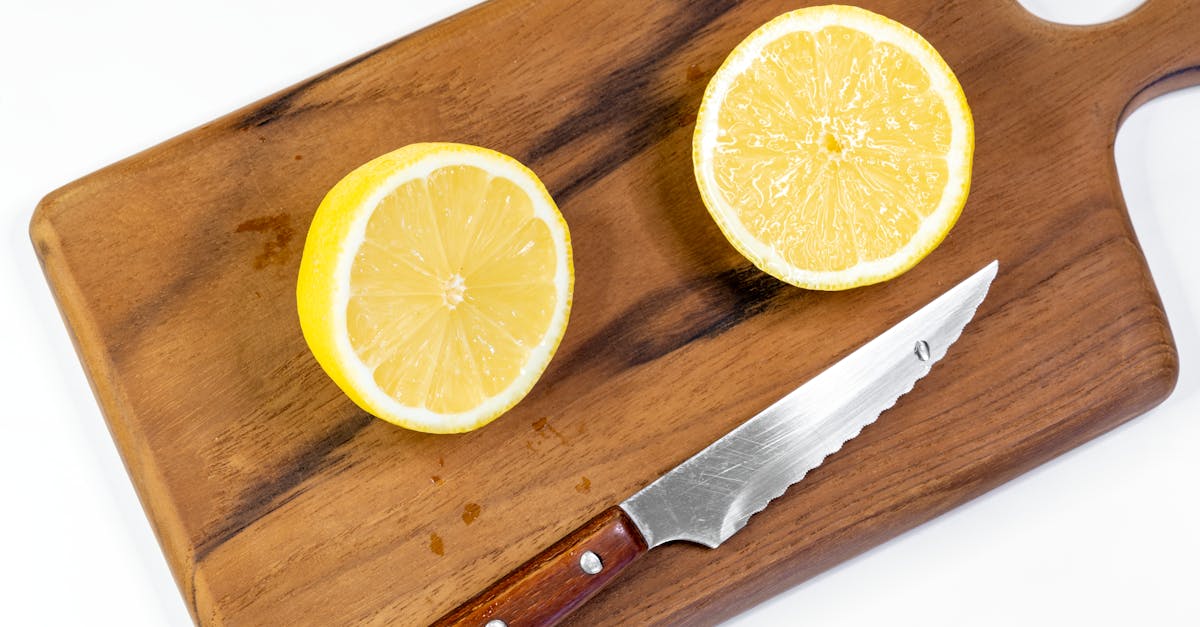
The first time I baked quadrotti al limone, I expected a classic American lemon bar: sharp, custardy, and loud.
Instead, I pulled a pan from the oven that smelled like warm lemon zest and vanilla cake. The squares cut clean, felt light in the hand, and ate like a soft tea cake, sweet, bright, and calm. That surprise is the whole point.
This post gives you my tested quadrotti al limone recipe with clear steps, smart substitutions, and fixes for the common problems that ruin lemon bakes.
Key Takeaways
- This quadrotti al limone recipe makes soft, cake-like Italian lemon squares that taste zest-forward and gently sweet, not custardy like American lemon bars.
- Rub lemon zest into the sugar before mixing to release citrus oils and deliver a strong lemon aroma without adding extra liquid.
- Use a 9×9-inch metal pan at 350°F and start checking at 22 minutes to avoid drying out and keep the crumb tender.
- Stop mixing as soon as the flour disappears and aim for thick ribbons of batter so the quadrotti al limone bake up light instead of tough.
- For clean, bakery-style squares, cool fully, chill for 20 minutes, slice with a wiped knife, and dust powdered sugar right before serving.
- Fix common issues fast: weigh flour (240 g), don’t exceed 60 ml lemon juice, verify oven temperature, and use a quick lemon syrup brush to revive dry pieces.
What Quadrotti Al Limone Are (And How They Differ From Lemon Bars)
You bite a lemon bar and your tongue hits curd first.
You bite quadrotti al limone and your teeth meet tender crumb first, which means you get a cake-like square that still tastes clearly of lemon.
Origins And Typical Texture
In Italian baking, quadrotti means “little squares,” which means the shape matters more than a fixed filling.
Many versions read like a simple everyday cake baked in a pan and cut into squares, which means you can serve it with coffee, pack it for school, or slice it for a casual dessert.
I tested this recipe in a 9×9-inch pan and recorded weights and bake times, which means you can repeat the texture without guessing.
Texture target: soft, fine-crumb, moist but not wet, with a thin top crust, which means it won’t shatter like shortbread or wobble like custard.
“Quadrotti should feel like snack cake, not candy.”
, how my Italian neighbor described it after tasting my first batch, which means you should aim for gentle sweetness and clean citrus.
A quick comparison (so you know what you’re making):
| Trait | Quadrotti al limone | American lemon bars |
|---|---|---|
| Base | Single batter, cake-like | Shortbread crust + lemon curd |
| Bite | Soft crumb | Firm crust + custard |
| Sweetness | Light to medium | Medium to high |
| Lemon | Zest-forward | Juice-forward |
| Best moment | With coffee or tea | As a bright dessert square |
Flavor Profile: Lemon, Vanilla, And A Light Sweetness
Quadrotti lean on lemon zest oils, which means the flavor smells bright even before you taste it.
I add a small amount of vanilla, which means the lemon reads like bakery-style “lemon cake” rather than sour candy.
I keep the sugar level moderate (1 cup), which means the lemon still shows up without needing a lot of acid.
Concrete flavor check: when the pan cools, you should smell lemon from 12 inches away, which means your zest and mixing method did their job.
Ingredients And Substitutions
Lemon baking rewards precision.
I weigh the flour and I zest the lemons before I juice them, which means I control both texture and flavor.
Lemons: Zest, Juice, And How To Choose Them
I use 2 large lemons for zest and juice, which means you get enough citrus oil for aroma and enough juice for lift.
What I look for at the store:
- I pick lemons that feel heavy for their size, which means they hold more juice.
- I choose smooth, glossy skin, which means the zest contains more fragrant oils.
How much you need (tested):
| Lemon part | Amount | Which means… |
|---|---|---|
| Zest | 2 packed tablespoons (about 12–14 g) | you get strong lemon aroma without bitterness |
| Juice | 1/4 cup (60 ml) | you get brightness and tender crumb |
Warning: I avoid grating into the white pith, which means I avoid a bitter aftertaste.
For citrus safety and handling, I follow USDA guidance on washing produce under running water (no soap), which means I reduce surface residue before zesting. I reference the USDA food safety guidance on produce which means I rely on a primary public source.
Flour, Leavening, And Salt For The Right Crumb
I use all-purpose flour for a neutral structure, which means the crumb stays soft but slices clean.
I use baking powder (not soda), which means the cake rises without a soapy or metallic note.
I add fine salt, which means the lemon tastes louder even though you added no extra acid.
My tested dry mix:
- 2 cups (240 g) all-purpose flour, which means consistent crumb across brands.
- 2 teaspoons baking powder, which means a gentle lift in a square pan.
- 1/2 teaspoon fine salt, which means the sweetness tastes balanced.
Butter vs Olive Oil, And Dairy Options
Butter gives a classic cake aroma, which means the squares smell like a bakery when warm.
Olive oil gives a slightly fruitier finish, which means the lemon can taste more vivid.
I tested both.
- Butter version: 6 tablespoons (85 g) melted and cooled, which means a richer crumb.
- Olive oil version: 1/3 cup (80 ml) mild olive oil, which means a softer crumb on day 2.
For dairy, I use whole milk most often, which means the crumb stays tender.
You can swap in:
- Plain kefir or buttermilk (same amount), which means a slightly tangier bite.
- Lactose-free milk, which means you keep the texture with less stomach risk.
Sweeteners And Optional Add-Ins
I use granulated sugar for clean sweetness, which means the lemon stays bright.
You can replace up to 1/4 cup with powdered sugar, which means the crumb turns a bit finer.
Optional add-ins that I have tested:
- 1 tablespoon poppy seeds, which means small crunch in each bite.
- 1/2 cup blueberries, which means you add juicy pockets and purple streaks.
- 1 teaspoon lemon extract (only if your lemons are weak), which means you boost aroma without adding more liquid.
If you want a different sweet snack bake for comparison, I keep a similar “slice and share” mindset when I make holiday crack-style treats, which means the serving format stays simple. See my take on graham cracker Christmas crack which means you can plan a dessert table with mixed textures.
Tools, Pan Size, And Prep Notes
The pan changes everything.
A wider pan makes thinner squares, which means they can dry faster.
Recommended Baking Pan And How It Affects Thickness
I recommend a 9×9-inch metal pan, which means the heat moves fast and the crumb sets evenly.
Here is what I saw in testing (same batter, same oven):
| Pan | Result | Which means… |
|---|---|---|
| 9×9 metal | Even rise, tender center | you get the “tea cake” texture most people want |
| 8×8 metal | Taller squares, longer bake | you must watch the center to avoid gumminess |
| 9×13 metal | Thin layer, fast bake | you risk dryness unless you shorten time |
| Glass | Slower heat, darker edges late | you may need 5–8 extra minutes |
I use an oven thermometer.
Many home ovens run off by 25°F according to common consumer testing and manufacturer tolerances, which means time guesses can fail even with a good recipe.
Lining, Greasing, And Getting Clean Cuts
I line the pan with parchment with two “handles,” which means I lift the slab out without tearing it.
I grease the parchment lightly, which means the edges release without ripping.
For clean cuts, I chill the slab for 20 minutes, then I slice with a long knife wiped clean each pass, which means you get sharp edges instead of crumbs.
“Cut cold, serve cool.”
That is my rule for lemon cakes, which means the squares look neater and taste brighter.
Quadrotti Al Limone Step-By-Step
The batter comes together fast.
That speed can trick you into overmixing, which means you can turn a tender crumb into a tough one.
Make The Batter: Mixing Order And Key Visual Cues
Yield: 16 squares (9×9 pan), which means you can serve a small group without doubling.
Ingredients (tested batch):
- 2 cups (240 g) all-purpose flour, which means stable structure
- 2 teaspoons baking powder, which means gentle lift
- 1/2 teaspoon fine salt, which means better lemon flavor
- 1 cup (200 g) granulated sugar, which means light sweetness
- 2 tablespoons lemon zest (12–14 g), which means strong aroma
- 3 large eggs, room temp, which means smoother batter
- 6 tablespoons (85 g) melted butter, cooled (or 1/3 cup mild olive oil), which means moist crumb
- 1/2 cup (120 ml) whole milk, which means tenderness
- 1/4 cup (60 ml) fresh lemon juice, which means brightness
- 1 teaspoon vanilla extract, which means rounder flavor
- Powdered sugar for dusting, which means a dry, pretty finish
Steps:
- I heat the oven to 350°F.
I position the rack in the center, which means the top browns evenly.
- I line a 9×9 pan with parchment and I grease it.
I leave a 2-inch overhang, which means I can lift the cake out.
- I whisk flour, baking powder, and salt in a bowl.
I whisk for 20 seconds, which means the leavening spreads evenly.
- I rub lemon zest into sugar with my fingers for 30 seconds.
I stop when the sugar smells like lemon candy, which means I released the zest oils.
- I beat eggs with the lemon sugar for 45–60 seconds.
I aim for pale and slightly thick, which means the batter traps small bubbles.
- I whisk in melted butter (or oil), then milk, lemon juice, and vanilla.
I pour slowly, which means the mixture stays smooth.
- I fold in the dry mix in two additions.
I stop when I see no dry flour, which means I avoid gluten toughness.
Visual cue: the batter should fall in thick ribbons and level in 10–15 seconds, which means the squares will bake up tender instead of bready.
Bake And Test For Doneness Without Drying Them Out
I spread the batter evenly.
I tap the pan once on the counter, which means I pop large air pockets.
I bake 22–28 minutes at 350°F.
I start checking at minute 22, which means I avoid an overbaked, dry crumb.
Doneness tests (pick two):
- The top turns light gold and springs back, which means the crumb set.
- A toothpick comes out with 2–3 moist crumbs, which means the center stays tender.
- The internal temperature hits 200–205°F in the center, which means the eggs and starches fully cooked.
That temperature range matches common cake doneness guidance used by professional test kitchens, which means you can use a thermometer to remove guesswork.
Cool, Dust, And Slice Into Quadrotti
I cool the pan on a rack for 20 minutes.
I lift the slab out and cool it for 30–45 minutes, which means steam escapes and the crumb stops sticking to the knife.
I dust powdered sugar right before serving, which means the top stays white instead of melting into a wet glaze.
Cut plan: 4 by 4 grid for 16 squares, which means each piece feels like a snack cake, not a heavy dessert.
If you want a second Italian-style sweet with a similar “coffee break” feel, I often pair lemon squares with a fried pastry on weekends. My cruller donut recipe gives a light, airy contrast, which means your dessert spread has both soft crumb and crisp bite.
Troubleshooting Common Issues
Small choices change lemon bakes fast.
I learned that the hard way after three test pans in one Saturday, which means you don’t have to repeat my mistakes.
Dry Or Crumbly Squares
Dry squares usually come from too much flour or too long in the oven, which means the crumb loses moisture.
Fixes I use:
- I weigh flour at 240 g, which means I avoid “packed cup” overload.
- I pull the pan when the toothpick shows moist crumbs, which means carryover heat finishes the center.
- I switch to olive oil, which means the crumb stays softer the next day.
Concrete rescue: I brush warm squares with 1 tablespoon lemon juice + 1 tablespoon water + 1 teaspoon sugar, which means the top rehydrates and tastes brighter.
Gummy Center Or Sinking Middle
A gummy center usually means underbaked or too much liquid, which means starches did not set.
What I do:
- I confirm oven temp with a thermometer, which means I catch a 25°F low oven.
- I use room-temp eggs and milk, which means the batter emulsifies instead of breaking.
- I avoid extra lemon juice beyond 60 ml, which means the batter keeps the right balance.
If the center sinks, I check my baking powder.
Baking powder loses strength over time, which means old powder can fail even if the flavor seems fine.
Bitter Or Weak Lemon Flavor
Bitterness often comes from pith in the zest, which means you grated too deep.
Weak flavor often comes from too little zest, which means you relied on juice alone.
My fix is simple:
- I zest with a microplane and stop at yellow, which means I avoid pith.
- I rub zest into sugar, which means I extract the lemon oils.
- I add 1/4 teaspoon lemon extract only when needed, which means I boost aroma without changing texture.
Cracked Top, Sticky Top, Or Uneven Browning
A cracked top usually means the oven ran hot, which means the outside set before the inside rose.
A sticky top often means you dusted too early, which means sugar dissolved into steam.
Uneven browning often means a dark pan or a hot spot, which means one side takes more heat.
Fixes:
- I rotate the pan at minute 18, which means both sides see the same heat.
- I tent foil for the last 5 minutes if edges darken, which means the center finishes without scorched corners.
- I dust right before serving, which means the top stays clean and dry.
Variations And Serving Ideas
A plain lemon square can feel quiet.
One small finish can make it feel like a bakery case, which means you can match the bake to the moment.
Limoncello Glaze Or Lemon Syrup Finish
I use a glaze when I want shine.
I use syrup when I want moisture insurance, which means the squares stay tender for days.
Limoncello glaze (fast):
- 1 cup (120 g) powdered sugar
- 1–2 tablespoons limoncello
- 1 teaspoon lemon juice
I whisk to a thick drizzle and spoon it over cool squares, which means the top sets in 15 minutes.
Lemon syrup (soak):
- 2 tablespoons (25 g) sugar
- 2 tablespoons (30 ml) lemon juice
- 2 tablespoons (30 ml) water
I simmer for 60 seconds and brush onto warm cake, which means the crumb absorbs brightness without turning soggy.
Almond, Ricotta, Or Yogurt-Style Quadrotti
Ricotta makes the crumb plush.
It also adds protein and moisture, which means the squares stay soft after refrigeration.
My tested swaps:
- Replace 1/4 cup milk with 1/2 cup ricotta (125 g), which means denser but creamy squares.
- Replace 1/2 cup milk with 1/2 cup plain Greek yogurt, which means a tangier, tighter crumb.
- Add 1/2 teaspoon almond extract, which means the lemon reads like Italian pastry.
Berries, Poppy Seeds, Or Herbs
Blueberries add bursts of juice, which means every bite feels different.
Poppy seeds add crunch, which means the soft crumb gets contrast.
Rosemary or basil adds a savory edge, which means the lemon tastes more adult.
My limits (so the batter still bakes right):
- Berries: max 1/2 cup, tossed with 1 teaspoon flour, which means they won’t sink as much.
- Poppy seeds: 1 tablespoon, which means the crumb stays tender.
- Herbs: 1 teaspoon finely chopped, which means the flavor stays fresh, not perfumed.
For a bright, seasonal pairing, I like to serve these squares with something cold and nostalgic. My old-fashioned snow cream recipe hits that clean, sweet note, which means lemon tastes even sharper by contrast.
How To Store, Freeze, And Make Ahead
Lemon squares can taste better on day 2.
They can also turn sticky or dry if you store them wrong, which means a little planning pays off.
Room Temperature vs Refrigeration
I store plain quadrotti at room temperature for up to 2 days.
I use an airtight container with parchment between layers, which means the tops stay intact.
I refrigerate only when I use ricotta or a wet glaze, which means I keep dairy safe and prevent spoilage.
Food safety note: the USDA recommends keeping perishable foods out of the “danger zone” (40°F–140°F) and limiting time at room temperature, which means you should refrigerate dairy-rich versions promptly. I reference the USDA Food Safety and Inspection Service basics which means the guidance comes from a federal source.
Freezing, Thawing, And Refreshing Texture
Freezing works well because this is a cake-style square, which means it rebounds after thawing.
My method:
- I cool completely.
- I slice and wrap each square in plastic.
- I place wrapped squares in a freezer bag and freeze up to 2 months, which means the lemon aroma stays noticeable.
To thaw, I leave pieces wrapped at room temp for 60–90 minutes, which means condensation forms on the wrap instead of the cake.
To refresh, I warm an unglazed square for 8 seconds in the microwave, which means the crumb softens without melting the sugar.
Best Timing For Dusting With Powdered Sugar
I dust right before serving.
Powdered sugar pulls moisture from the air, which means it can disappear into a glossy top after 30–60 minutes.
If I need a make-ahead “pretty” finish, I use glaze instead, which means the surface stays stable.
For another make-ahead sweet that freezes well, I also make jam-filled gifts in batches. My Sure-Jell black raspberry jam recipe fits that workflow, which means you can prep pantry items while the cake cools.
Conclusion
Quadrotti al limone give you lemon dessert without the drama.
You mix one bowl of dry and one bowl of wet, you bake one pan, and you cut clean squares, which means you get a repeatable result even on a busy night.
If you remember just three things, remember these:
- Use zest + sugar rubbing, which means the lemon shows up without extra liquid.
- Pull the pan at moist crumbs or 200–205°F, which means you keep the crumb tender.
- Dust sugar at the last minute, which means the tops look fresh.
When you bake them, pay attention to the smell as the zest hits warm sugar.
That moment feels like standing in a bright kitchen with the window cracked open, which means you get a small, real shift in mood before you even take a bite.
Frequently Asked Questions (FAQ)
What is a quadrotti al limone recipe, and how is it different from American lemon bars?
A quadrotti al limone recipe makes Italian-style “little squares” with a tender, cake-like crumb. Unlike American lemon bars (shortbread plus lemon curd), quadrotti bake from a single batter, taste more zest-forward than juice-forward, and feel like a soft snack cake for coffee or tea.
How do you get strong lemon flavor in a quadrotti al limone recipe without making it sour?
Use lemon zest as the main flavor driver. Rub the zest into the sugar for about 30 seconds until it smells intensely lemony—this releases the fragrant oils without adding extra liquid. Keep lemon juice to about 1/4 cup so the crumb stays tender, not sharp or wet.
What pan size and bake time work best for quadrotti al limone?
A 9×9-inch metal pan gives the most even rise and the classic “tea cake” texture. Bake at 350°F for about 22–28 minutes, checking early. Pull the pan when the top springs back and a toothpick shows 2–3 moist crumbs (or 200–205°F in the center).
Why did my quadrotti al limone turn out dry or gummy, and how can I fix it?
Dry squares usually come from too much flour or overbaking—use 240 g flour and stop at moist crumbs. A gummy center often means underbaking, a cool oven, or extra liquid—confirm oven temperature, keep juice to 60 ml, and use room-temp eggs and milk for a stable batter.
Can I make quadrotti al limone ahead of time, and how should I store or freeze them?
Yes—quadrotti often taste better on day 2. Store plain squares airtight at room temperature up to 2 days, adding parchment between layers. Freeze sliced, individually wrapped pieces up to 2 months; thaw still wrapped for 60–90 minutes. Dust powdered sugar right before serving so it doesn’t dissolve.
What are the best substitutions and add-ins for a quadrotti al limone recipe (butter, olive oil, ricotta, berries)?
Butter gives a bakery-like aroma; mild olive oil can keep the crumb softer on day 2. For a richer texture, replace 1/4 cup milk with 1/2 cup ricotta, or swap milk for Greek yogurt for tang. Add up to 1/2 cup blueberries (tossed with flour) or 1 tablespoon poppy seeds.
