
The first time I tried to turn banana bread into a high-protein snack, I made a loaf that tasted like sweet cardboard.
I had done the “healthy swaps.” I had added protein powder. I had cut the oil. And I had accidentally removed the thing people actually love about banana bread: that soft, moist slice that bends before it breaks.
This oil-free protein banana bread oil free recipe fixes that. I tested it in my own kitchen with 3 different protein powders, 2 pan sizes, and one very honest family taste test. The result feels like real banana bread, but it pulls double duty as breakfast and a post-workout snack.
Key Takeaways
- This protein banana bread oil free recipe stays moist by swapping oil for very ripe bananas, Greek yogurt, and water-binding add-ins like applesauce or pumpkin.
- Treat protein powder like a “dry sponge” in baking, so keep it around 30 g per loaf and mix gently (about 12–15 folds) to avoid a dense, rubbery crumb.
- Choose your protein powder based on texture goals—casein bakes cakier and moister, whey can dry faster without extra yogurt/banana, and plant blends often need more lift and flavor support.
- Weigh peeled bananas to 330–360 g to prevent a gummy center, and bake until the loaf hits 200–205°F for doneness without overbaking.
- For reliable results, use a 9×5-inch pan, rotate at minute 45, cool fully before slicing, and store airtight (or freeze slices) because oil-free loaves stale faster.
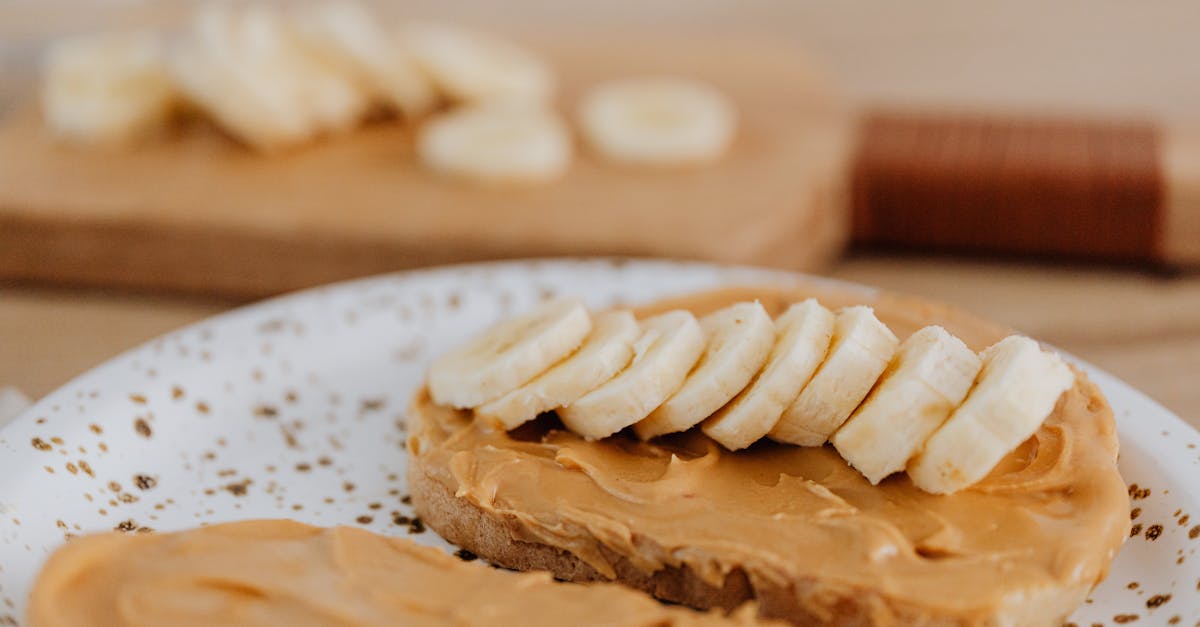
- Turn this oil-free protein banana bread into a higher-protein snack by topping slices with Greek yogurt, blended cottage cheese, or a tablespoon of nut butter to boost satiety and improve moisture.
What Makes This Banana Bread High-Protein And Oil-Free
The surprise is this: you can remove oil and still get a tender crumb.
I do it by using protein powder for structure and high-water, high-pectin ingredients for moisture, which means the loaf stays soft even on day 3.
A key data point helps set expectations. Banana bread without oil dries faster because fat slows staling, which means storage and moisture choices matter more.
The USDA lists 1 medium banana at about 105 calories and roughly 3 g fiber (varies by size), which means bananas bring both sweetness and water-binding fiber to the batter. Source: USDA FoodData Central.
How Protein Powder Changes Texture And Rise
Protein powder acts like a sponge.
It absorbs water fast, which means your batter can look “right” at minute 1 and turn thick at minute 5.
In my tests, adding 30 g protein powder to a standard banana bread base made the loaf rise less and set faster, which means you need enough moisture and a gentle mixing method.
Protein also tightens crumb.
That gives a nice slice, which means you can toast it without it falling apart, but it also risks rubbery texture if you overdo it.
Best Protein Types For Baking (Whey, Casein, Plant-Based)
Not all powders bake the same.
Here is how I pick them after testing in a 350°F oven for 50–60 minutes, which means you can choose based on the result you want.
| Protein type | What it tends to do in banana bread | What that means for you |
|---|---|---|
| Whey concentrate/isolate | Sets quickly and can dry edges | Use more banana/yogurt, which means a softer slice |
| Casein | Holds water and bakes “cakier” | Best for moist loaves, which means less risk of dryness |
| Plant blends (pea/rice) | Can taste earthy and bake dense | Add vanilla + cinnamon, which means better flavor balance |
I usually grab vanilla whey for taste.
If I only have plant protein, I add 10 g extra applesauce and 1–2 tsp extra maple, which means the crumb stays tender and the flavor feels less “protein-y.”
Smart Oil Replacements For Moisture (Bananas, Yogurt, Applesauce, Pumpkin)
Oil gives moisture and mouthfeel.
I replace oil with ingredients that hold water inside the crumb, which means the loaf stays moist without adding liquid that turns it gummy.
These are my go-to oil replacements:
- Very ripe bananas (main replacement), which means natural sweetness and a soft crumb.
- Greek yogurt (thick dairy moisture), which means extra protein plus tenderness.
- Unsweetened applesauce (pectin binder), which means less crumble.
- Pumpkin purée (dense moisture), which means a slightly more “spiced cake” vibe.
If you like pumpkin, you may also like my smaller-batch baking approach in Libby’s pumpkin pie recipe for 2 pies, which means you can practice texture control with another moisture-heavy batter.
Ingredients And Substitutions
You don’t need a long ingredient list.
You need the right ratios, which means each substitution should protect moisture or lift.
Below is the core ingredient set I use for this oil-free protein banana bread oil free recipe.
Best Bananas To Use And How To Mash Them
I use 3 medium bananas (about 330–360 g peeled).
I wait until the peel looks freckled and mostly brown, which means the bananas mash smooth and taste sweeter.
For mashing, I use a fork and stop when I see small lumps.
Those lumps melt as they bake, which means the loaf tastes more “banana” and less like a protein bar.
If your bananas are still yellow, bake them.
I put them on a tray at 300°F for 15–20 minutes, which means the sugars deepen and the mash turns syrupy.
Choosing Flour (Oat, Whole Wheat, All-Purpose, Almond)
Flour controls chew.
It also controls how much water the batter can hold, which means flour choice can fix dryness or gumminess.
My default is oat flour.
Oats bring beta-glucan fiber, which means they help bind moisture and give a cozy, bakery-style bite.
Here is a quick comparison:
| Flour | Swap ratio | Texture result | Which means… |
|---|---|---|---|
| Oat flour | 1:1 | Soft, slightly hearty | Better moisture hold, which means fewer dry edges |
| All-purpose | 1:1 | Lightest crumb | More rise, which means a taller loaf |
| Whole wheat | 1:1 | Denser, nuttier | More chew, which means you may want extra yogurt |
| Almond flour | Not 1:1 alone | Tender but fragile | Needs eggs/binder, which means better for gluten-free blends |
Sweeteners And Flavor Boosters (Maple, Dates, Vanilla, Cinnamon)
Ripe bananas do most of the sweet work.
I still add a small sweetener, which means the loaf tastes like dessert even with extra protein.
I like:
- Maple syrup (2–3 tbsp), which means clean sweetness without grit.
- Chopped dates (30–40 g), which means little caramel pockets.
- Vanilla extract (2 tsp), which means the protein flavor fades.
- Cinnamon (1–2 tsp), which means the aroma hits before the first bite.
If you love cinnamon-forward baked goods, the spice balance idea carries over well to Amish snickerdoodle recipe, which means you can use the same “warm sugar” profile in different forms.
Eggs Vs Egg Replacers (Flax, Chia, Aquafaba)
Eggs give lift.
Eggs also set the structure, which means they protect the loaf from sinking.
My base recipe uses 2 large eggs.
If you need egg-free, use one of these:
- Flax eggs (2 tbsp ground flax + 5 tbsp water), which means a slightly denser but stable loaf.
- Chia eggs (2 tbsp chia + 5 tbsp water), which means stronger gel and less crumble.
- Aquafaba (6 tbsp whipped to foamy), which means more air but a lighter banana flavor.
I get the best vegan texture with flax + extra baking powder, which means the loaf rises without turning rubbery.
Optional Mix-Ins That Keep It Macro-Friendly (Nuts, Chocolate, Berries)
Mix-ins change satisfaction.
They also change calories fast, which means portion control matters.
My macro-friendly picks:
- Mini chocolate chips (15–20 g), which means you get sweetness in every third bite.
- Blueberries (80–100 g), which means juicy bursts that help moisture.
- Walnuts (20–30 g), which means crunch and better satiety.
I keep mix-ins under ½ cup total.
That limit reduces sink and wet streaks, which means the center bakes through.
If you like fruit baked into warm crumbs, dew berry cobbler recipe gives another example of how berries release juice in the oven, which means you can predict when to add flour or starch to manage moisture.
Step-By-Step Oil-Free Protein Banana Bread Recipe
When the batter smells like banana milk and vanilla, the loaf is already halfway “won.”
Then you bake it right, which means you avoid the dry rim and gummy core combo.
Here is the exact recipe I use.
Yield: 1 loaf (9×5-inch), about 10 slices.
Protein note: Macros vary by brand. With 30 g whey and 2% Greek yogurt, I get about 9–12 g protein per slice (10 slices), which means one slice can cover a solid snack.
Ingredients
Wet bowl
- 3 medium very ripe bananas (330–360 g peeled), mashed, which means built-in sweetness and moisture
- 2 large eggs, which means lift and structure
- 170 g (⅔ cup) plain Greek yogurt (0–2%), which means extra protein and a moist crumb
- 60 ml (¼ cup) maple syrup (or honey), which means controlled sweetness
- 2 tsp vanilla extract, which means better flavor
Dry bowl
- 150 g (1½ cups) oat flour (or all-purpose), which means a tender base
- 30 g (about 1 scoop) protein powder, which means higher protein per slice
- 1½ tsp baking powder, which means more rise
- ½ tsp baking soda, which means browning and lift
- 1 tsp cinnamon
- ½ tsp fine salt
Optional
- ½ cup blueberries or 2 tbsp mini chips, which means a more dessert-like bite
Mixing Order For A Tender Crumb (Wet, Dry, Then Combine)
I heat the oven to 350°F.
I line a 9×5-inch loaf pan with parchment, which means I can lift the loaf out without tearing it.
- I mash bananas in a large bowl.
I whisk in eggs, yogurt, maple, and vanilla, which means the wet ingredients turn smooth before flour hits.
- I whisk dry ingredients in a second bowl.
I break up protein powder clumps with the whisk, which means I avoid dry pockets.
- I add dry to wet.
I fold with a spatula for 12–15 strokes, which means I stop before gluten and protein tighten the crumb.
- I fold in mix-ins last.
I use 3–5 more strokes, which means berries stay intact.
Pan Size, Oven Temperature, And Doneness Checks
I pour batter into the pan.
I tap the pan 2 times on the counter, which means I pop big air bubbles.
I bake for 50–60 minutes.
At minute 45, I rotate the pan, which means I even out hot spots.
Doneness checks
- A toothpick should come out with 3–5 moist crumbs, which means the loaf is set but not dry.
- The center should reach 200–205°F on an instant-read thermometer, which means the starch and eggs have fully set.
That temperature target matches common quick-bread testing practice in professional kitchens, which means you can stop guessing.
Cooling And Slicing Without Crumbling
I cool the loaf in the pan for 15 minutes.
Then I lift it out and cool on a rack for 45–60 minutes, which means steam escapes and the crumb firms up.
I slice with a serrated knife.
I use a gentle sawing motion, which means I keep slices clean even with blueberries.
If you slice hot bread, it smears.
That smear turns into “gummy center” complaints later, which means cooling is not optional.
Troubleshooting: Fixing Dry, Gummy, Dense, Or Sunken Loaves
Nothing feels worse than cutting into a loaf and seeing a wet stripe.
I have done it, which means I built a checklist that saves the next batch.
Why It Turned Out Dry And How To Prevent It
Dry banana bread often comes from too much protein or too long in the oven.
Both problems pull water out of the crumb, which means the slice tastes chalky.
Fixes I use:
- I drop protein powder from 30 g to 20 g, which means less water gets trapped by protein.
- I add 2 tbsp applesauce, which means more moisture without oil.
- I tent with foil at minute 35, which means the top stops over-browning while the center finishes.
A concrete rule helps.
If your loaf temp hits 205°F, I stop baking, which means you avoid carryover drying.
Why It Turned Out Dense Or Rubbery (Too Much Protein, Overmixing)
Rubbery texture shows up fast with whey.
Whey sets firm when you stir hard, which means overmixing can ruin the crumb even if your ingredients are perfect.
What I do:
- I mix only until I don’t see dry flour, which means I keep the crumb tender.
- I avoid more than 35 g protein powder in a single loaf, which means structure stays bread-like.
- I add ½ tsp extra baking powder if I use plant protein, which means the loaf still rises.
Why The Center Stayed Gummy (Banana Ratio, Underbaking)
Gummy center usually means too much banana or underbaking.
Bananas carry water, which means extra banana can overwhelm the flour and protein.
My quick checks:
- I weigh bananas after peeling.
I keep them at 330–360 g, which means the wet-to-dry ratio stays stable.
- I check center temp.
If it is under 200°F, I bake 5 more minutes, which means the middle sets.
- I cool fully before slicing.
Cooling finishes starch setting, which means the “wet stripe” often disappears.
How To Adjust For Different Protein Powders And Flours
I treat protein powder like a “dry sponge.”
Then I compensate with moisture, which means I keep the same batter feel.
Use this adjustment table:
| If you use… | Add/Change | Which means… |
|---|---|---|
| Whey isolate | +2 tbsp yogurt or applesauce | Less dryness, which means a softer bite |
| Casein | Reduce bake time by 5 minutes | Less overbaking, which means no tough edges |
| Pea/rice blend | +½ tsp baking powder and +1 tbsp maple | More lift + better taste, which means less “earthy” flavor |
| Whole wheat flour | +2 tbsp yogurt | More moisture, which means less heaviness |
| All-purpose flour | No change, watch bake time | Lighter crumb, which means faster doneness |
When I change two variables at once, I take notes.
I write down grams and bake time, which means the next loaf improves instead of repeating mistakes.
Variations For Different Diets And Goals
One loaf can serve different goals.
You change one or two ingredients, which means you can keep the “banana bread” feeling without starting over.
Greek Yogurt Protein Banana Bread (Extra Moist)
This version tastes like bakery banana bread.
It also slices clean, which means it works for meal prep.
Changes:
- Increase Greek yogurt to 225 g (about 1 cup).
- Reduce bananas to 300–320 g.
That swap raises protein and reduces water, which means you get moisture without gumminess.
In my kitchen, this version stayed soft for 4 days in a sealed container, which means it beats most oil-free quick breads.
Vegan Oil-Free Protein Banana Bread
Vegan protein banana bread can taste “bean-y.”
I fix that with vanilla and cinnamon, which means the aroma leads.
Changes:
- Replace eggs with 2 flax eggs.
- Use non-dairy Greek-style yogurt (or thick soy yogurt) at 170 g.
- Use plant protein blend at 25–30 g.
I also add 1 tsp apple cider vinegar.
It reacts with baking soda, which means you get more lift.
Gluten-Free Oil-Free Protein Banana Bread
Gluten-free loaves can crumble.
I add binders, which means slices hold together.
Changes:
- Use 140 g gluten-free oat flour + 30 g almond flour.
- Add 1 tbsp ground flax.
That flax adds gel and fiber, which means the crumb stays cohesive.
If you need another gluten-free-friendly protein angle, bone broth protein powder recipes can help you compare flavor and mixability, which means you buy a powder you will actually use.
Higher-Protein, Lower-Carb Tweaks
You can push protein higher.
You can also drop carbs, which means you can fit stricter macro targets.
What I do (without ruining texture):
- Increase protein powder to 35 g.
- Replace 30 g oat flour with 30 g almond flour.
- Add 1 extra egg white.
These changes add protein and reduce starch, which means the loaf feels more “snack bar” than “cake.”
Warning: this version dries faster.
I toast slices and add yogurt, which means I bring back moisture at serving time.
Baking Tools, Prep, And Time-Saving Tips
The fastest banana bread win comes from one tool.
A kitchen scale changes everything, which means you stop guessing with banana size.
Must-Have Tools And Helpful Optional Gear
My short list:
- Digital scale, which means bananas and flour stay consistent.
- 2 mixing bowls + whisk + spatula, which means you avoid overmixing.
- 9×5-inch loaf pan, which means the bake time matches this recipe.
Optional but useful:
- Instant-read thermometer, which means you can pull the loaf at 200–205°F.
- Parchment sling, which means the loaf releases clean.
I use a thermometer for every protein loaf.
Protein bakes can look done before they are set, which means temperature beats guesswork.
Meal Prep: Make-Ahead Batter And Muffin Option
I do not let this batter sit long.
Baking powder starts working fast, which means delayed baking can reduce rise.
If I meal prep, I bake it as muffins.
Muffins cool faster, which means I can portion them in 30 minutes.
Muffin conversion
- Use a lined muffin tin.
- Fill 10–12 cups about ¾ full.
- Bake at 350°F for 18–22 minutes.
I check for 195–200°F internal temp.
Smaller size sets faster, which means you avoid gummy centers.
How To Store, Freeze, And Reheat For Best Texture
Storage decides day-3 texture.
Oil-free loaves stale faster, which means airtight storage matters.
- Store at room temp for 2 days in an airtight container.
- Store in the fridge for 5 days.
- Freeze slices for 2 months.
I freeze slices with parchment between them.
That prevents sticking, which means I can grab one slice at a time.
Reheat tips:
- Toast on low for 3–4 minutes, which means edges crisp and center warms.
- Microwave for 12–15 seconds, which means it stays soft but not wet.
Serving Ideas And Pairings For More Protein
A warm slice can smell like dessert.
You can still steer it toward protein, which means it keeps you full longer.
Protein-Forward Toppings (Yogurt, Cottage Cheese, Nut Butter)
Toppings add protein fast.
They also fix dryness, which means they upgrade oil-free slices.
My go-to toppings:
- ⅓ cup Greek yogurt + cinnamon, which means +6–10 g protein depending on brand.
- ½ cup cottage cheese (blended) + vanilla, which means a cheesecake-like spread.
- 1 tbsp peanut butter, which means more satiety from fat and protein.
If you want a drink pairing that stays bright and cuts sweetness, I often make a small glass of Cafe Rio mint limeade, which means the acid cleans up the palate after a dense bite.
Portioning And Snack Prep Ideas For The Week
I slice the loaf into 10 slices.
That makes tracking simple, which means I do not “accidentally” eat a quarter loaf.
My weekly prep pattern:
- 2 slices go in the fridge for tomorrow.
- 4 slices go in the freezer for later.
- 4 slices stay at room temp if I will finish them in 48 hours.
I pack slices with 150 g yogurt.
That pairing usually hits 20–30 g protein total, which means it can replace a typical protein bar snack.
Conclusion
Oil-free banana bread can feel like a compromise.
This oil-free protein banana bread oil free recipe does not, which means you get a moist slice and real staying power.
If you only remember three moves, remember these:
- Weigh your bananas (330–360 g), which means you keep the center from turning gummy.
- Keep protein powder around 30 g, which means you raise protein without rubber texture.
- Bake to 200–205°F, which means you stop overbaking and stop guessing.
I still treat this like banana bread first.
Then I let the protein boost do its job, which means I look forward to the next slice instead of forcing it down.
Frequently Asked Questions: Protein Banana Bread (Oil-Free)
What makes this protein banana bread oil free recipe moist without any oil?
This protein banana bread oil free recipe stays moist by using high-water, high-pectin ingredients instead of fat: very ripe bananas for natural sweetness and binding fiber, plus Greek yogurt and/or applesauce for tender structure. The key is balancing protein powder’s absorbency with enough thick moisture so the crumb stays soft.
How much protein powder should I use in a protein banana bread oil free recipe?
A reliable starting point is about 30 g (roughly 1 scoop) per loaf. More protein can tighten the crumb and reduce rise, making the bread rubbery or dry. If your loaf bakes up chalky, drop to 20 g and add 2 tablespoons applesauce or extra yogurt.
Which protein powder works best for baking protein banana bread without oil?
Casein typically holds water best and bakes more “cakey,” making it a great choice for moist loaves. Whey sets quickly and can dry edges, so it often needs extra banana or yogurt. Plant blends can bake dense or taste earthy; add vanilla, cinnamon, and a touch more sweetener.
Why is my oil-free protein banana bread gummy in the middle?
A gummy center usually comes from too much banana, underbaking, or slicing before it cools. Weigh peeled bananas and keep them around 330–360 g for stable ratios. Bake until the center reaches 200–205°F, then cool fully so starches finish setting and the “wet stripe” firms up.
Can I make this protein banana bread oil free recipe vegan or egg-free?
Yes. Replace the 2 eggs with 2 flax eggs (2 tbsp ground flax + 5 tbsp water) for a stable vegan crumb. Use a thick non-dairy Greek-style yogurt and a plant protein blend (25–30 g). Adding 1 teaspoon apple cider vinegar can improve lift by reacting with baking soda.
How do I store and reheat oil-free protein banana bread so it doesn’t dry out?
Oil-free loaves stale faster, so airtight storage matters. Keep it at room temperature up to 2 days, refrigerate up to 5 days, or freeze slices up to 2 months with parchment between pieces. Reheat by toasting 3–4 minutes on low or microwaving 12–15 seconds for softness.
