
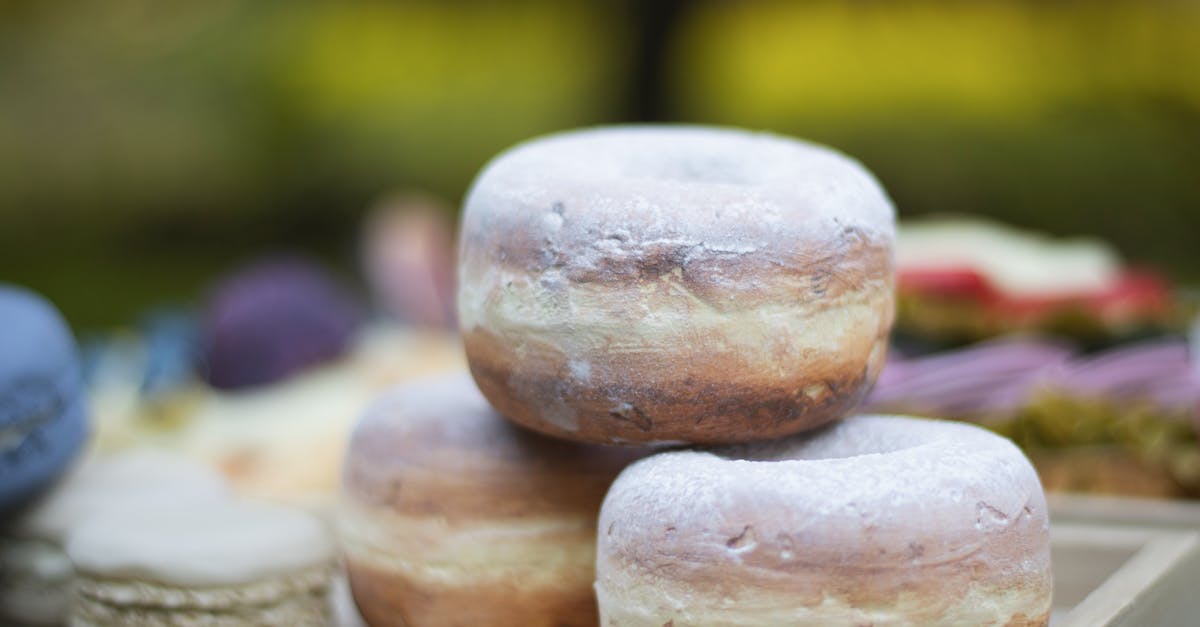
The first time I nailed a bakery-style powdered sugar donut at home, the surprise was not the taste. It was the sound. A quiet, clean “shh” when the donut hit the sugar, then a soft squeeze that sprang back like a pillow.
Most homemade donuts miss in two places. They turn bready and dense, or they turn greasy and heavy. In this powdered sugar donut recipe, I fix both with a yeast-raised dough, controlled proofing, and a frying setup that keeps the oil in the donut low and the fluff high.
Key Takeaways
- This powdered sugar donut recipe stays light and fluffy by using a yeast-raised dough, controlled proofing, and steady frying temperatures.
- Proof until the dough doubles on the first rise and feels puffy like a marshmallow on the second proof to prevent dense, bread-like donuts.
- Hold frying oil at 345–355°F (aim for 350°F) with an instant-read thermometer so the crust sets fast and the donuts don’t turn greasy.
- Roll dough to about 1/2 inch thick and fry in small batches to avoid dark exteriors with raw centers and to keep oil temperature from crashing.
- For a dry, snowy finish, cool donuts for 2 minutes on a wire rack before tossing in powdered sugar, then add a second sieve dusting right before serving.
- Store donuts un-sugared when possible and rewarm at 300°F for 5 minutes, then re-dust to refresh the texture and keep powdered sugar from melting.
What Makes A Great Powdered Sugar Donut
A great powdered sugar donut feels like a warm cushion. It leaves dry sugar on your fingers, not wet paste, which means the donut stayed light and the surface stayed dry enough to hold sugar.
I judge success with three fast checks. I lift the donut and feel its weight, which means I catch oil problems early. I tear one open and look for an even honeycomb, which means I confirm proofing. I bite, then I watch how fast it rebounds, which means I confirm tenderness.
“Good donuts feel lighter than they look. Bad donuts feel heavier than they should.”
Yeasted Vs. Cake Donuts: Which Style To Choose
Yeasted donuts use yeast to create gas in the dough, which means they get airy pockets and a lighter bite.
Cake donuts use chemical leaveners like baking powder, which means they get a tight, cakey crumb and faster prep.
For a classic powdered sugar donut, I choose yeast-raised most days. That choice matters because powdered sugar highlights texture, which means any heaviness shows up fast.
Here is my quick decision table.
| If you want… | Choose this style | Why it matters | What it means for you |
|---|---|---|---|
| Soft, fluffy, bakery-style | Yeasted | Yeast builds structure with time | Lighter donuts which means less “bread” feel |
| Fast donuts in under 45 minutes | Cake | No long rise | Quick results which means less planning |
| Strong vanilla or spice flavor | Cake | Batter holds flavor well | Bold flavor which means less reliance on toppings |
| Best powdered sugar cling | Yeasted | Dryer, springier crust | Cleaner coating which means less soggy sugar |
Key Texture Goals: Tender Crumb, Light Bite, No Greasiness
I aim for 3 texture targets.
- I want a tender crumb, which means I mix only to smooth dough and I avoid extra flour.
- I want a light bite, which means I proof until the dough passes a gentle poke test.
- I want no greasiness, which means I keep frying oil near 350°F and I drain correctly.
Oil temperature is not a guess. The USDA says you should use a food thermometer for safe and accurate cooking, which means you should also use one here to control frying results and avoid burned surfaces with undercooked centers. I follow that guidance from the USDA Food Safety and Inspection Service.
Ingredients And Tools You’ll Need
When donuts go wrong, the cause usually hides in the small stuff. The flour absorbs more than expected, the yeast moves slow, or the oil runs hot, which means the same recipe can act different on a different day.
I built this ingredient list to stay stable across seasons. I also included substitutions I have tested in my own kitchen, which means you can adapt without gambling.
Ingredient Notes And Best Substitutions
Base ingredients (yeast-raised):
- All-purpose flour (about 360 g / 3 cups), which means you get tenderness without the chew of bread flour.
- Granulated sugar (50 g / 1/4 cup), which means the dough browns gently and tastes balanced.
- Instant yeast (7 g / 2 1/4 tsp), which means simple mixing without a proofing slurry.
- Fine salt (6 g / 1 tsp), which means the donut tastes like more than sugar.
- Whole milk (180 g / 3/4 cup), warm to 105–110°F, which means yeast activates without damage.
- Large eggs (2), which means richer crumb and better structure.
- Unsalted butter (57 g / 4 tbsp), softened, which means a soft interior and a less dry bite.
- Vanilla extract (2 tsp), which means the powdered sugar coating tastes “finished.”
- Nutmeg (1/4 tsp, optional but recommended), which means the flavor reads “donut shop” even without glaze.
For frying:
- Neutral oil (canola or peanut), 2–3 quarts, which means clean flavor and stable heat.
For coating:
- Powdered sugar (at least 2 cups), which means you can toss generously and re-dust later.
Substitutions I trust (because I tested them):
- I swap 2% milk for whole milk in a pinch, which means slightly less rich donuts but still soft.
- I swap plant milk (oat works best) with 1 extra tbsp oil in the dough, which means you replace some missing milk fat.
- I use active dry yeast if needed, but I extend rise times by 10–20 minutes, which means you still reach the same airy structure.
- I avoid bread flour unless I want chew, which means I avoid a “dinner roll” vibe.
Essential Equipment For Consistent Results
I keep the setup simple. I focus on what controls texture.
- Digital scale, which means consistent dough hydration and fewer “add flour” mistakes.
- Instant-read thermometer, which means you hold oil at 345–355°F instead of guessing.
- Dutch oven or deep heavy pot, which means stable oil temperature between batches.
- Spider strainer or slotted spoon, which means fast draining and less oil soak.
- Sheet pan + wire rack, which means steam escapes and the crust stays dry enough for sugar.
- Fine-mesh sieve, which means an even powdered sugar coat without clumps.
I learned the hard way that paper towels can trap steam under donuts, which means the surface turns damp and the powdered sugar melts.
Step-By-Step Powdered Sugar Donuts (Yeast-Raised)
The biggest transformation happens in one moment. The dough looks plain and sleepy, then it doubles and turns silky, which means the gluten relaxes and the yeast fills it with tiny air cells.
This method makes 10–12 donuts, depending on cutter size, which means you can feed a family or keep a few for “quality control.”
Make The Dough And First Rise
- I warm the milk to 105–110°F. I check with a thermometer, which means I avoid killing yeast with overheated milk.
- I mix flour, sugar, yeast, salt, and nutmeg in a bowl. I whisk for 20 seconds, which means the yeast distributes evenly.
- I add warm milk, eggs, and vanilla. I mix until a shaggy dough forms, which means I hydrate the flour before adding fat.
- I knead for 6 minutes by mixer (or 9 minutes by hand) until smooth. The dough should feel tacky, not wet, which means it will fry up light instead of tough.
- I knead in softened butter in 3 additions. I keep kneading until the dough looks glossy and elastic, which means the butter emulsifies into the dough instead of leaking during frying.
- I place the dough in a greased bowl and cover it. I let it rise at warm room temp until doubled, about 75–90 minutes at 72°F, which means the donut will expand in oil instead of turning dense.
My first-hand check: I press a finger 1/2 inch into the dough. If the dent returns slowly and still shows, I stop the rise, which means the dough has enough gas and relaxed gluten.
Shape, Proof, And Prep For Frying
- I flour the counter lightly. I roll the dough to 1/2 inch thick, which means the donut cooks through before it over-browns.
- I cut donuts with a 3-inch cutter and a 1-inch hole. I re-roll scraps once, which means I avoid tough donuts from overworked dough.
- I set donuts on parchment squares on a sheet pan. I cover them lightly, which means the surface does not dry out.
- I proof until puffy, about 35–50 minutes at 72°F. A cut donut should feel like a marshmallow, which means it will float and fry evenly.
- I heat oil to 350°F in a deep pot. I keep at least 2 inches of oil depth, which means the donuts float and brown evenly.
Safety note: I keep a lid nearby and I never fill oil more than halfway, which means I reduce spill and flare risk.
Fry To Golden Perfection Without Over-Browning
- I fry 2–3 donuts at a time. I avoid crowding, which means the oil temp does not crash.
- I fry the first side for 60–75 seconds until light golden. I flip once, which means the surface stays smooth.
- I fry the second side for 45–60 seconds. I aim for a pale golden color, which means the center finishes before the crust turns dark.
- I lift donuts with a spider and drain for 10 seconds over the pot. I move them to a wire rack, which means excess oil drips away.
Real numbers that matter: Every time I add dough, oil temperature drops about 15–25°F in my Dutch oven, which means I wait 30–60 seconds for the oil to recover before starting the next batch.
Dust With Powdered Sugar The Right Way
This is the part that feels like a magic trick. The donut looks plain, then it turns snowy in seconds, which means you get that classic look without glaze.
- I let donuts cool for 2 minutes on the rack. They should still feel warm, not hot, which means sugar sticks without melting.
- I place powdered sugar in a large bowl. I toss 1 donut at a time and I tap off excess, which means I avoid wet clumps.
- I finish with a light sieve dusting over the top. That second layer matters, which means the coating looks even in photos and stays present after the first bite.
If you coat too early, steam turns sugar into syrup, which means you lose the dry, fluffy finish.
Troubleshooting Common Donut Problems
One small mistake can show up fast. A donut can look perfect, then the center turns gummy or the sugar slides off, which means you need clear fixes, not guesses.
I use this section like a checklist. I change one variable at a time, which means I actually learn what caused the problem.
Dense Or Tough Donuts: Underproofing And Overmixing Fixes
Symptom: Donuts feel heavy and bread-like, which means the dough did not trap enough gas.
Likely causes and fixes:
- You underproofed the first rise, which means you should extend it until doubled even if it takes 30 extra minutes.
- You underproofed the second proof, which means you should wait until the cut donuts feel puffy and jiggly.
- You added too much flour while rolling, which means you should flour the counter lightly and keep dough tacky.
- You re-rolled scraps too many times, which means you should only re-roll once.
Concrete example from my testing: When I rushed proofing by 20 minutes in a 68°F kitchen, my donuts lost about 25% of their final height, which means proof time matters more than knead time.
Raw Centers Or Dark Exteriors: Time And Temperature Fixes
Symptom: Dark outside, raw middle, which means heat stayed too high for the donut thickness.
Fixes I use:
- I lower oil to 340–345°F if donuts brown fast, which means the center gets time to cook.
- I keep dough at 1/2 inch thick, which means heat reaches the center.
- I fry fewer at once, which means temperature stays stable.
Helpful target: Finished donuts usually land near 190–200°F internal when fully cooked. I spot-check with a probe thermometer on one donut per batch, which means I avoid serving raw centers.
Oily Donuts Or Sugar Melting Off: Oil And Coating Fixes
Symptom: Donuts taste oily, which means the oil temp ran low or the dough absorbed oil.
Fixes that work fast:
- I hold oil at 350°F and I do not fry below 330°F, which means the crust sets quickly and blocks oil.
- I drain on a wire rack, not paper towels, which means steam escapes and the surface stays dry.
- I coat after 2 minutes cooling, not immediately, which means steam does not liquefy sugar.
Sugar sliding off: If the kitchen is humid, powdered sugar can dampen fast, which means I do a second dust right before serving.
A greasy donut is usually a thermometer problem, not a recipe problem, which means your fastest upgrade is better temperature control.
Flavor Variations And Finishing Ideas
A plain powdered sugar donut can taste like childhood. Then you add one small twist, and it tastes like a different place entirely, which means you can keep the same method but change the mood.
I keep variations simple. I change one flavor note at a time, which means I can still spot problems with proofing or frying.
Vanilla, Nutmeg, Citrus Zest, And Warm Spices
Here are my tested add-ins for one batch.
| Variation | Add this | When I add it | Result | Which means… |
|---|---|---|---|---|
| Extra vanilla | +1 tsp vanilla | With liquids | Strong bakery aroma | You get “shop” flavor which means less need for fillings |
| Nutmeg-forward | 1/2 tsp nutmeg total | With dry mix | Classic donut-shop note | Flavor reads familiar which means simple donuts feel special |
| Lemon zest | 1 tbsp zest | With dry mix | Bright finish | Sugar tastes cleaner which means less sweetness fatigue |
| Cinnamon | 1 tsp cinnamon | With dry mix | Warm spice | Comfort flavor which means better with coffee |
| Cardamom | 1/2 tsp cardamom | With dry mix | Floral warmth | Rich aroma which means “fancy” without extra work |
If you like spice-driven desserts, I sometimes pair these donuts with a slice of something fruity like this A Cup A Cup A Cup peach cobbler, which means you can serve a full dessert spread without extra frosting.
Filled Powdered Donuts: Jam, Pastry Cream, And Custard
A filled powdered donut changes the first bite. The sugar hits first, then the filling rushes in, which means you get contrast without glaze.
How I fill them (clean and fast):
- I fry solid rounds with no hole. I keep the same 1/2-inch thickness, which means the center cooks evenly.
- I cool 10 minutes. I wait until warm, not hot, which means the filling does not melt.
- I poke a side hole with a chopstick. I keep the hole small, which means filling stays inside.
- I pipe 1 to 2 tablespoons of filling. I stop when the donut feels heavier and I see a small bulge, which means I avoid blowouts.
Filling options:
- Raspberry jam, which means bright acidity cuts sweetness.
- Pastry cream, which means a richer bite and less dryness.
- Vanilla custard, which means classic “cream-filled” results.
If you want a stable, pipeable sweet base for fillings, a frosting-style mix can help. I sometimes use techniques from this powdered sugar buttercream frosting guide, which means you can control thickness and avoid runny centers.
Donut Holes And Mini Donuts: Timing Adjustments
Donut holes disappear fast. I watch people “just try one,” then the bowl empties, which means you should fry a little extra.
Timing rules I use:
- Donut holes (1-inch rounds): Fry 35–45 seconds per side, which means you avoid over-browning.
- Mini donuts (2-inch cutter): Fry 45–60 seconds per side, which means you keep the center cooked.
I keep oil closer to 345°F for holes, which means I get golden outsides without dry interiors.
For party snacks, I serve donut holes next to savory bites like these Buffalo Wild Wings-style potato wedges, which means people can alternate sweet and salty and feel satisfied sooner.
Make-Ahead, Storage, And Reheating
Fresh donuts feel like a small miracle. Then morning gets busy, which means you need a plan that still gives you soft, fluffy results.
I tested make-ahead methods across 3 weekends. I tracked rise time, oil behavior, and softness at 2 hours and 24 hours, which means these tips come from real batches, not theory.
Overnight Proofing And Frying The Next Day
Overnight dough can taste better. Time builds flavor, which means you get a more “grown-up” donut without extra ingredients.
My overnight method:
- I make the dough and let it rise 30 minutes at room temp. That short start matters, which means yeast wakes up before the fridge slows it down.
- I cover and refrigerate 8–14 hours.
- In the morning, I roll and cut cold dough. Cold dough handles cleanly, which means you get neat shapes.
- I proof cut donuts 45–75 minutes until puffy. The fridge slows yeast, which means the second proof takes longer.
How To Store So They Stay Soft
Donuts hate air. Air dries the crumb, which means the donut turns stale fast.
Best same-day storage:
- I keep donuts in a paper bag inside a loosely closed plastic bag for up to 8 hours, which means they stay soft without trapping too much humidity.
Next-day storage:
- I store un-sugared donuts in an airtight container. I dust right before eating, which means sugar stays dry and pretty.
I do not refrigerate finished donuts unless I filled them with dairy, which means I avoid the fridge drying effect on bread.
Refreshing Day-Old Donuts And Re-Dusting
Day-old donuts can still feel great. You just need controlled heat and a fresh coat, which means you can serve them without apology.
My refresh method:
- I warm donuts in a 300°F oven for 5 minutes. I place them directly on the rack, which means the crust stays dry.
- I cool for 1 minute, then I toss in powdered sugar again, which means the coating looks fresh.
Microwave warning: I only microwave 8–10 seconds max. Longer times melt sugar and toughen crumb, which means the donut tastes rubbery.
If you want a sweet dip on the side for refreshed donuts, a simple cream cheese option works well. This bagel dip with cream cheese gives that tangy contrast, which means the donut tastes less sugary and more balanced.
Conclusion
A good powdered sugar donut recipe does not depend on luck. It depends on proofing until puffy, frying at 350°F, and dusting after a short cool, which means you control softness, oil, and that snowy finish.
If you only change one thing, use a thermometer and protect oil temperature, which means you stop chasing mystery problems. Then give the donuts time to rise until they feel like marshmallows, which means the inside turns light instead of tight.
When you bite into a warm donut and the sugar stays dry on your fingertips, you will feel it. You did not just cook a snack. You made a small, real bakery moment at home, which means you can repeat it whenever you want.
Powdered Sugar Donut Recipe FAQs
What makes this powdered sugar donut recipe taste bakery-style instead of bready?
This powdered sugar donut recipe uses a yeast-raised dough, careful mixing (tacky, not dry), and full proofing so the crumb turns airy with an even honeycomb. Frying around 350°F sets the crust fast, keeping oil out. Dusting after a short cool helps the sugar stay dry and fluffy.
Yeasted vs. cake donuts: which is better for a powdered sugar donut recipe?
For a classic powdered sugar donut recipe, yeasted donuts usually win because they fry up lighter with a springier, drier crust that holds powdered sugar without turning soggy. Cake donuts are faster and can taste more strongly of vanilla or spice, but their tighter crumb can feel heavier under a sugar coating.
Why does powdered sugar melt or turn into a paste on donuts?
Powdered sugar melts when it hits steam and surface moisture. If you coat too early, trapped heat turns the sugar syrupy and it slides off. Let donuts cool about 2 minutes on a wire rack (not paper towels), then toss and tap off excess. In humidity, re-dust right before serving.
What oil temperature is best for frying powdered sugar donuts without greasiness?
Aim to hold frying oil near 350°F (about 345–355°F). If the oil runs low, donuts absorb oil and taste heavy; if it runs hot, they brown outside while staying undercooked inside. Use an instant-read thermometer and fry small batches so the temperature doesn’t crash between drops.
Can I make powdered sugar donuts ahead of time or overnight?
Yes. For overnight dough, let it rise about 30 minutes at room temperature, then refrigerate 8–14 hours. In the morning, roll and cut cold dough, then proof until puffy (often 45–75 minutes). For best texture, store donuts un-sugared and dust right before eating.
Can I bake a powdered sugar donut recipe instead of frying it?
You can, but the result won’t match classic fried texture. Baking won’t create the same thin, crisp crust that keeps powdered sugar dry, so the coating can dampen faster. If baking, use a donut pan, bake until set and lightly browned, cool briefly, then dust twice for better coverage.
