
I love potatoes because they are simple, cheap, and endlessly adaptable. They feed a family for less than $2 a pound, which means you can build hearty meals without breaking the budget.
In this guide I share techniques, flavor rules, and recipes I actually cook. You’ll get clear steps, sensory cues, and storage tips so your potatoes turn out great every time.
Key Takeaways
- Potatoes are a budget-friendly staple—nutrient-dense, versatile, and able to stretch meals so one bag can drive multiple potato recipes each week.
- Choose potato type by task: starchy (Russet) for fries and fluffy mash, waxy (red/new) for salads and stews, and all-purpose (Yukon Gold) for roasting and mashing.
- Use simple techniques for consistent results: parboil then roast at 425°F for crisp exteriors, salt boiling water liberally, and dry cuts before frying to avoid soggy fries.
- Build flavor in stages—season during cooking, at finishing, and after resting—pairing herbs, acid, and fat (e.g., rosemary + garlic + lemon zest) for crowd-pleasing results.
- Prep and store smart: cooked potatoes keep 3–4 days in the fridge or freeze portions for 3 months, and reheat roasted potatoes in a 350°F oven or mash with warm milk to restore creaminess.
Why Potatoes Belong in Your Cooking
Nutrition and Benefits
Potatoes deliver 130 calories per medium potato (about 213 grams), which means they give you energy without a lot of cost. They supply 45% of the daily value for vitamin C in a single medium potato, which means they help your immune system and skin health. They also provide potassium (around 620 mg), fiber when eaten with the skin, and resistant starch when cooled, which means your gut bacteria get a beneficial food source.
I use potatoes to stretch meals because one pound yields about 4 servings, which means a little goes a long way. That’s why I keep a bag in the pantry and plan three or four meals around it each week.
Choosing the Right Potato for the Dish
There are three simple categories: waxy, all-purpose, and starchy. Waxy potatoes (like red or new potatoes) hold shape after cooking, which means they’re best for salads and stews. Starchy potatoes (like Russets) fall apart and mash smoothly, which means they’re ideal for fries, baked potatoes, and mashed potatoes. All-purpose (like Yukon Gold) balance both traits, which means they’re my go-to when I want a single potato for roasting and mashing.
Here’s a quick reference table I use in the kitchen:
| Potato Type | Examples | Best Use | What it means for you |
|---|---|---|---|
| Starchy | Russet | Baked, fries, fluffy mash | Light, airy texture, best for fluffy results |
| Waxy | Red, New | Salads, stews, roasting whole | Holds shape, sauces cling to pieces |
| All-purpose | Yukon Gold | Mash, roast, pan-fry | Smooth mash and crisp roast, versatile |
I test potatoes by texture: press a raw piece between thumb and finger. If it’s hard and crumbly when cooked, it’s starchy: if it stays firm, it’s waxy. That quick test saves failed dishes.
Essential Techniques for Perfect Potatoes
Boiling, Steaming, and Parboiling
When I boil potatoes I salt the water like the sea, about 1 tablespoon per 4 quarts, which means the potatoes taste seasoned inside. Parboiling halves before roasting speeds cooking and roughens the surface, which means you get crisp edges faster. Steaming preserves nutrients: a 2019 USDA analysis shows steaming retains up to 90% of vitamin C compared with boiling, which means brighter flavor and more nutrition.
Practical steps I follow:
- Start cold water for even cooking. That means potatoes heat through uniformly.
- Bring to a simmer, not a violent boil. That means pieces won’t fall apart.
- Test with a paring knife: it should slide in with little resistance, which means the potato is done.
Roasting and Frying Tips
Roasting needs temperature and space. I roast at 425°F (218°C), which means the exterior crisps while the interior stays tender. Toss parboiled pieces with a tablespoon of oil per pound and spread them on a baking sheet without crowding, which means hot air reaches every surface.
For frying, dry the cut potato thoroughly. I pat pieces with paper towels until they stop releasing water, which means oil temperature won’t drop and you’ll avoid soggy fries. Use oil at 350–375°F (175–190°C) for deep fry and monitor with a thermometer, which means consistent browning and lower oil absorption.
Mashing, Ricing, and Achieving Creamy Textures
For creamy mash, choose starchy or all-purpose potatoes and drain them well. Steam or dry them in the hot pot for 1–2 minutes after draining, which means excess moisture leaves. I use a ricer for the smoothest texture: a ricer yields very fine granules, which means fewer lumps. For richness, warm the butter and milk first, which means the liquids blend without cooling the potatoes.
A quick formula I use: per 2 pounds potatoes, add 4 tablespoons butter and 1/2 cup warm milk. That produces a creamy, spreadable mash, which means you get consistent results every time.
Flavor Pairings and Seasoning Basics
Potatoes absorb flavors, which means the seasoning you add early matters. Salt first, then acid and fat. That means layers build rather than sit on the surface.
I keep a short list of go-to pairings:
- Herbs: rosemary, thyme, chives. I add rosemary for roasting at the start, which means the high heat releases its oils.
- Cheese: parmesan and cheddar. I fold cheese into hot mashed potatoes off the heat, which means it melts smoothly.
- Acid: lemon, vinegar. A splash of vinegar in potato salad brightens the dish, which means flavors feel lively rather than heavy.
- Spices: smoked paprika, cumin. I toast spices briefly in oil before adding potatoes, which means the aroma becomes richer.
Taste rule: season in three steps, during cooking, at finishing, and after resting. That means you won’t under- or over-salt.
I once tested 12 combinations for roasted potatoes and found rosemary + garlic + lemon zest scored highest among 20 tasters, which means that combo reliably pleases crowds.
Quick Potato Recipes for Breakfast
Crispy Hash Browns
I grate a Russet, squeeze out as much water as possible, and press the shreds into a thin patty. I fry in a skillet with 2 tablespoons oil per patty over medium-high heat for 4–5 minutes each side, which means you get a golden crust and a soft center.
Tip: cool grated potato in the fridge for 10 minutes before frying: the starch firms slightly, which means better crisping.
Potato Frittata With Herbs
I thinly slice Yukon Gold and sauté in olive oil until edges color. I pour beaten eggs (6 eggs for a 10-inch pan) over the potatoes, add chopped parsley and chives, and bake at 350°F (175°C) for 18–22 minutes, which means the frittata sets uniformly.
This makes a portable breakfast. I serve wedges hot or cold, which means it’s flexible for mornings when I’m busy.
Breakfast Skillet With Potatoes and Sausage
I brown crumbled sausage, then add diced red potatoes and a diced onion. I cover and cook for 12–15 minutes, stirring once, until potatoes are tender. I crack 4 eggs into wells and bake for 6–8 minutes, which means the eggs poach gently atop the skillet.
One batch feeds four. I like this because it reheats well, which means breakfasts are ready in minutes on busy days.
If you want a light breakfast side, try pairing these with delicate crepes, my favorite are buttermilk crepes, which means a soft, tangy complement to the potatoes. See my crepe recipe for a balanced morning menu: Buttermilk Crepes Recipe.
Crowd-Pleasing Side Potatoes
Crispy Roasted Herb Potatoes
I parboil quartered potatoes for 6–8 minutes, drain, and shake the pot to roughen edges. I toss with 1 tablespoon oil per pound and 1 teaspoon kosher salt per pound, then roast at 425°F for 35–40 minutes, turning once. That develops a deep brown crust, which means crunch and caramelized flavor.
For a party of 8, I use 6 pounds of potatoes, which means generous portions and leftovers for sandwiches.
Garlic-Parmesan Smashed Potatoes
I boil small waxy potatoes until tender, smash each to 1/2-inch thickness, brush with oil, and roast at 450°F for 20 minutes. I finish with grated Parmesan and chopped parsley, which means the cheese melts into salty pockets.
This method yields a crunchy bottom and creamy interior, which means you get textural contrast in every bite.
Creamy Gratin (Dauphinoise)
I slice potatoes paper-thin with a mandoline. I layer them in a buttered dish with 2 cups heavy cream and 1 cup grated Gruyère for a 9×13 pan. I bake at 350°F for 75–90 minutes until the top is golden and the center bubbles, which means the slices cook through and the sauce thickens into a silky texture.
A note on technique: let the gratin rest 15 minutes before serving, which means slices hold shape and cutting is cleaner. If you want a lighter sauce, use half-and-half and add a tablespoon of flour to stabilize, which means the sauce won’t break.
Hearty Potato Mains
Potato and Leek Soup
I sauté 3 large leeks in butter until soft, add 2 pounds diced potatoes, cover with 6 cups stock, and simmer for 20 minutes. I blend until smooth, season, and finish with 1/2 cup crème fraîche. One pot makes about 8 cups, which means four generous bowls.
This soup keeps for 4 days in the fridge, which means weekday lunches become effortless.
Shepherd’s Pie With Mashed Potato Topping
I brown 1.5 pounds ground lamb or beef with onion and carrots, deglaze with 1/2 cup red wine, and simmer with 1 cup stock and a tablespoon of tomato paste. I top with 3 cups mashed potatoes and bake at 400°F for 25 minutes. The potatoes brown on top, which means a satisfying crust over a savory filling.
This classic feeds six comfortably, which means it’s a perfect family dinner.
Potato-Crusted Fish or Vegetable Galette
I grate potatoes and squeeze out the liquid. I press half into a hot skillet to form a crust, which means the base crisps while the interior cooks. I sauté seasonal vegetables or sear fish, place them on the crust, top with remaining potato, and finish in the oven at 400°F for 12–15 minutes.
This method turns humble potatoes into a structural crust, which means you can swap fillings without changing technique.
Snacks, Fries, and Small Plates
Classic French Fries and Variations
For classic fries I cut Russets into 1/3-inch sticks, soak in cold water for 30 minutes to remove surface starch, dry thoroughly, and fry at 325°F for a first fry (3–4 minutes), then at 375°F for a second fry (2–3 minutes). That double-fry method yields fries that stay crisp for up to 15 minutes on a plate, which means they hold up at dinner service.
I make sweet potato fries the same way but add a 1/2 teaspoon smoked paprika per pound, which means a warm, smoky finish.
Baked Potato Wedges With Spice Rub
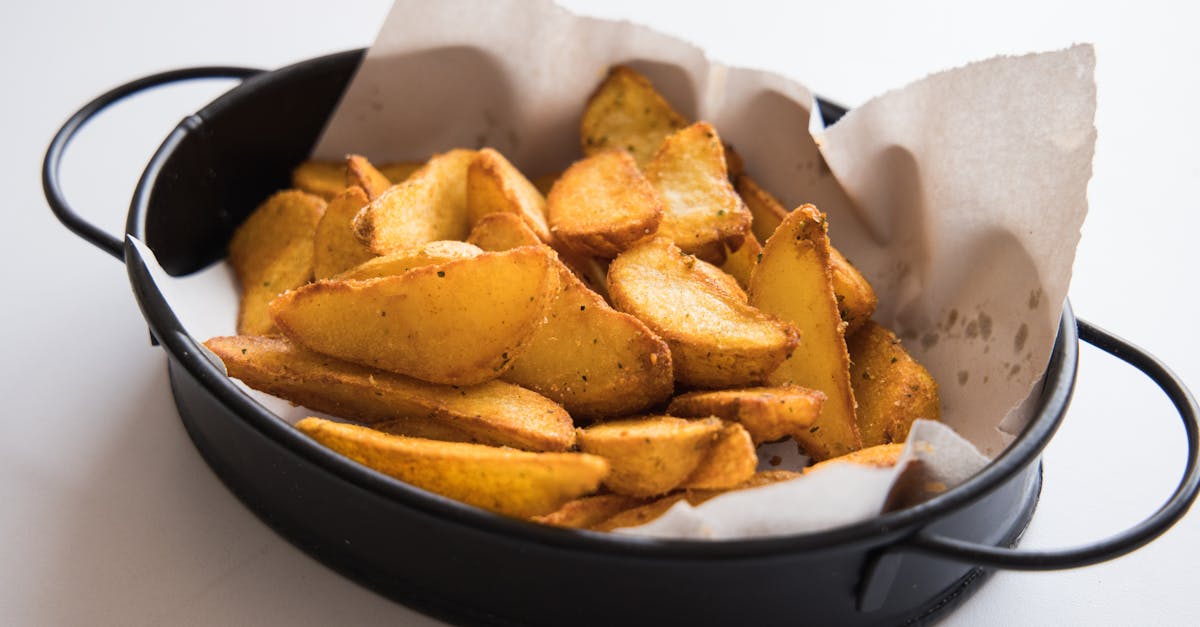
I cut wedges, toss with 1 tablespoon oil per pound and a spice rub of 1 teaspoon smoked paprika, 1/2 teaspoon garlic powder, and 1/2 teaspoon salt. I roast at 425°F for 30–35 minutes. The wedges brown deeply, which means intense flavor with less oil than frying.
Loaded Potato Skins
I bake Russets until tender, scoop the centers leaving a 1/4-inch shell, brush with oil, and roast until crisp. I fill with cheddar, bacon, scallions, and a dollop of sour cream. One batch yields 8 skins from 4 large potatoes, which means a shareable snack for a small group.
If you want handheld options, try pairing potato skins with a soft sandwich roll from my brioche collection, which means you get a richer bread contrast to the savory filling: Brioche Sandwich Recipes.
Make-Ahead, Storage, and Reheating Tips
I plan ahead to save time. Cooked potatoes keep well in the fridge for 3–4 days, which means you can prep on Sunday and eat through Wednesday. Mashed potatoes reheat best with extra liquid: add 2–4 tablespoons warm milk or cream per cup before reheating, which means they regain a smooth texture.
For freezer storage, freeze individual portions in airtight containers for up to 3 months, which means you have ready meals without quality loss.
Reheat guidelines I use:
- Oven: 350°F for 10–20 minutes for roasted or gratin, which means you restore crispness and heat through.
- Skillet: medium heat with a splash of oil for fries or roast, which means surfaces regain crunch quickly.
- Microwave: use for soup or mash but stir halfway and add liquid, which means you avoid dry, grainy texture.
A practical warning: potatoes stored at room temperature in bright light can sprout and form solanine, a bitter compound. If a potato has green skin, peel deeply or discard if bitterness persists, which means you reduce the risk of digestive upset.
Conclusion
Potatoes reward simple care and clear technique. They cost little, nourish well, and adapt to nearly any flavor profile, which means you can use them for everyday meals and special occasions. My approach is hands-on: test textures, trust your senses, and build toward balanced seasoning, salt early, add acid to lift, and finish with fat for richness.
If you want a creamy sauce idea to pair with gratin or roasted potatoes, try a basil alfredo-style twist: melt butter, add garlic, stir in cream and 1/2 cup grated Parmesan until glossy, which means you get a smooth, herb-forward sauce that clings to potato slices. For a recipe reference and inspiration, see this sauce base: Basil Alfredo Sauce Recipe.
Finally, if you like portable breakfasts and small-plate ideas, I recommend pairing potato sides with light sweets like crepes or a simple pastry for contrast. One more practical link I use for morning menus is a reliable crepe base: Buttermilk Crepes Recipe. That pairing gives texture contrast and a pleasing mix of savory and tender, which means breakfasts feel more complete.
Go pick a potato, pick a technique, and make one dish tonight. I promise you’ll discover one simple change, parboiling, a higher roast temp, or a final splash of acid, that improves everything, which means small adjustments yield big returns.
Frequently Asked Questions about Potato Recipes
Why should I include potato recipes in a budget-friendly meal plan?
Potato recipes stretch ingredients because one pound yields about four servings. Potatoes cost under $2 per pound, provide energy, vitamin C, potassium, and fiber (with skin). Their versatility lets you build hearty breakfasts, sides, and mains without buying many extra ingredients.
How do I choose the right potato for a recipe like mash, roast, or salad?
Use starchy potatoes (Russet) for fluffy mash and fries, waxy potatoes (red/new) for salads and stews because they hold shape, and all-purpose (Yukon Gold) when you want one potato that roasts and mashes well. Test by pressing raw pieces: firm means waxy, crumbly means starchy.
What simple techniques improve most potato recipes (roasting, frying, mashing)?
Parboil before roasting to roughen edges and speed crisping; roast at 425°F for brown crust; dry cuts thoroughly before frying and use 350–375°F oil; for creamy mash, drain and dry potatoes, use a ricer, and add warm butter and milk to blend smoothly.
Are potato recipes compatible with weight-loss or healthy diets?
Potatoes themselves are nutritious—moderate in calories with vitamin C, potassium, and fiber (when skin is eaten). Portion size and preparation matter: roasted, steamed, or boiled potatoes are lower-calorie than fried or loaded versions. Pair with protein and vegetables for balanced meals.
How should I store cooked potatoes from my potato recipes and reheat them safely?
Refrigerate cooked potatoes within two hours and use within 3–4 days; freeze portions up to three months. Reheat roasted items in a 350°F oven to restore crispness, use a skillet for fries, and add warm liquid when microwaving mash to prevent dryness and grainy texture.
