
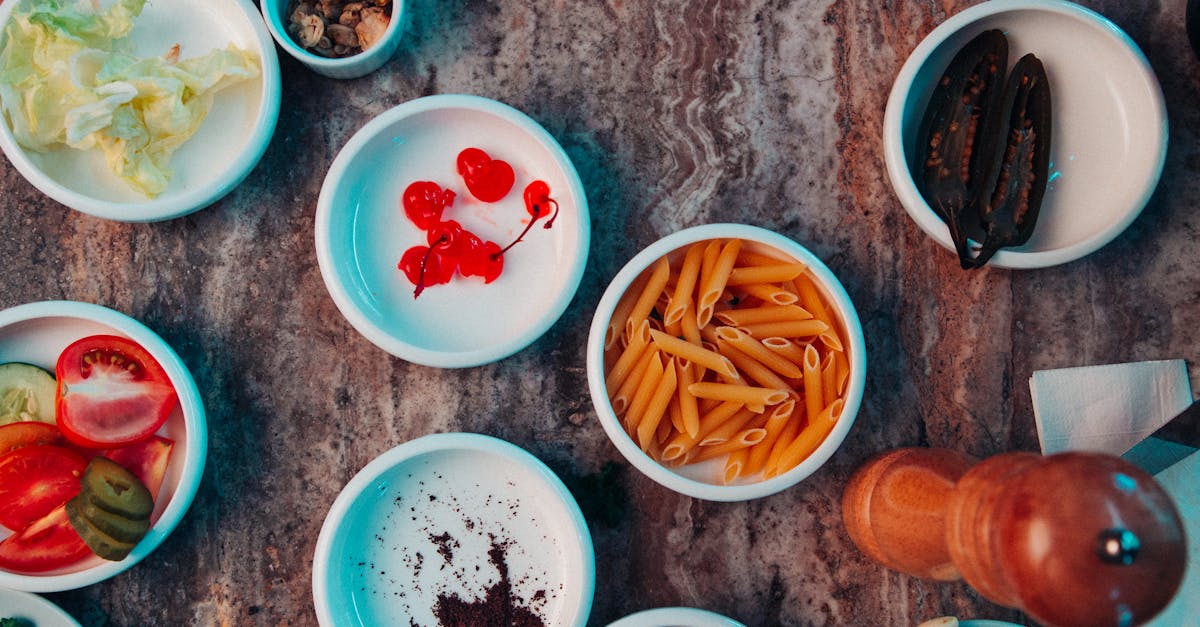
The first time I added marinated butter beans to pesto pasta salad, the bowl got quiet for a second. Then people went back for seconds.
Butter beans bring a soft, creamy bite that pasta alone can’t give. And when I soak them in lemon, garlic, and herbs, they taste like they came from a small deli case you “accidentally” visit twice.
This pesto pasta salad with marinated butter beans recipe gives you a lunch that holds up, a potluck dish that travels, and a dinner side that feels like summer. I’ll show exact steps, swaps that still taste right, and a few honest warnings so you don’t end up with oily noodles or bland beans.
Key Takeaways
- This pesto pasta salad with marinated butter beans recipe stays bright and creamy after chilling because the beans add “sauce-like” texture and the pesto holds flavor in the fridge.
- Marinate butter beans in olive oil, lemon juice, red wine vinegar, herbs, and a small amount of garlic for at least 2 hours so salt and acid season the beans from the inside.
- Cook short, grooved pasta (like fusilli or rotini), rinse for only 5–8 seconds, and coat with pesto first so the noodles don’t turn slick or lose their herb flavor.
- Add watery vegetables strategically—halve cherry tomatoes and seed wet cucumbers—to keep the pesto thick and prevent a diluted, soggy salad.
- Use layered acidity (lemon in the beans plus a final squeeze at the end) and save some bean marinade as a second dressing to keep the pesto pasta salad tasting fresh on day 2.
- For best make-ahead results, prep the marinated butter beans the day before, add greens and crunchy nuts right before serving, and refrigerate within 2 hours for food safety.
Why You’ll Love This Pesto Pasta Salad
A cold pasta salad can taste flat. This one tastes bright, creamy, and sharp in the same bite.
- Marinated butter beans add creaminess, which means you get “sauce” texture even after chilling.
- Pesto coats the pasta in fat and herbs, which means the flavors stay strong even at fridge temperature.
- Acid (lemon or vinegar) hits last, which means the salad tastes fresh instead of heavy.
When I tested this for a weekend cookout, I served 10 people from one big bowl (about 12 cups). Only a half cup remained.
“It eats like pasta salad, but it feels like a full meal.”
, what my friend said after the third scoop
Nutrition note with a real number: Beans pull their weight. The USDA lists cooked lima beans (butter beans) at about 7.6 g protein per 1/2 cup (which means a modest scoop helps you stay full longer). Source: USDA FoodData Central.
Pasta Salad Ingredients And Smart Substitutions
I built this recipe around ingredients that keep their texture after chilling. That choice matters.
Core pasta salad ingredients
- Short pasta (12 oz / 340 g) like fusilli, rotini, or farfalle, which means pesto gets trapped in the twists.
- Prepared basil pesto (1/2 cup) or homemade, which means you get fast flavor without extra cooking.
- Cherry tomatoes (1 1/2 cups), halved, which means each bite gets sweet juice instead of big watery chunks.
- Cucumber (1 cup), diced, which means you get clean crunch against the soft beans.
- Red onion (1/3 cup), thin-sliced, which means you get bite without dominating.
- Parmesan (1/2 cup), shaved or grated, which means the salad tastes savory even when cold.
- Baby arugula or spinach (2 cups, optional), which means the salad turns into a true lunch bowl.
Smart substitutions (that actually work)
I tested these swaps on separate batches so I could taste the difference.
| If you don’t have… | Use… | Ratio | Which means… |
|---|---|---|---|
| Fusilli/rotini | Penne or shells | 1:1 | Pasta still holds pesto in grooves. |
| Basil pesto | Arugula pesto or kale pesto | 1:1 | You keep the green bite without basil. |
| Parmesan | Pecorino Romano | 1:1 | You get more sharpness with less cheese. |
| Cherry tomatoes | Roasted red peppers | 1:1 by volume | You cut wateriness, which means less soggy salad. |
| Cucumber | Blanched green beans | 1:1 by volume | You keep crunch, which means better day-2 texture. |
A quick pesto note (so you don’t ruin it)
Some jarred pestos taste oily and flat. I fix that with 1 teaspoon lemon zest stirred into the pesto, which means the basil taste wakes up fast.
If you like pesto flavors, you may also enjoy my bright basil-forward cooking in this basil flowers recipe, which means you can use more of the plant instead of tossing blooms.
Marinated Butter Beans Ingredients And Flavor Options
Here is the surprise: butter beans can taste bland for a reason. They need salt and acid inside them, not just on the surface.
Marinated butter beans ingredients
This makes about 2 1/2 cups marinated beans.
- Butter beans (2 cans, 15 oz each), drained and rinsed or 3 cups cooked, which means you control sodium and texture.
- Extra-virgin olive oil (3 tablespoons), which means the herbs cling to the beans.
- Lemon juice (2 tablespoons), which means the beans taste bright, not starchy.
- Red wine vinegar (1 tablespoon), which means the flavor lingers after each bite.
- Garlic (1 small clove), grated or 1/2 teaspoon garlic paste, which means the garlic spreads evenly.
- Kosher salt (3/4 teaspoon), plus more to taste, which means the beans taste “finished.”
- Black pepper (1/4 teaspoon), which means the marinade feels warm.
- Fresh herbs (2 tablespoons chopped) like parsley, basil, or dill, which means the beans taste like a salad, not a can.
- Optional: crushed red pepper (pinch), which means you get a clean heat in the background.
Flavor options I actually like
I rotate these depending on what else is on the table.
- Lemon-dill: add 1 tablespoon dill + extra lemon zest, which means the whole bowl tastes lighter.
- Italian deli: add 1/2 teaspoon dried oregano + 2 tablespoons chopped pepperoncini, which means the beans mimic antipasto.
- Smoky: add 1/2 teaspoon smoked paprika, which means you get depth without meat.
Honest warning: Too much raw garlic can turn bitter after 24 hours. I cap it at 1 small clove, which means the leftovers stay sweet.
If you want other bean-based ideas, my bone broth protein powder recipes show how I boost protein in simple ways, which means you can build meals that hold you for hours.
How To Make Marinated Butter Beans (Step-By-Step)
The change happens fast. Plain beans become something you want to eat with a spoon.
Step 1: Drain and rinse
I drain 2 cans of butter beans and rinse them for 10 seconds.
This removes can liquid, which means the marinade tastes clean instead of “tinny.”
Step 2: Mix the marinade
In a medium bowl, I whisk:
- 3 tbsp olive oil
- 2 tbsp lemon juice
- 1 tbsp red wine vinegar
- 1 grated garlic clove
- 3/4 tsp kosher salt
- 1/4 tsp black pepper
- 2 tbsp chopped herbs
Whisking emulsifies the oil and acid, which means the beans get even flavor.
Step 3: Marinate
I fold in the beans and stir for 30 seconds.
I cover the bowl and chill for at least 30 minutes (best at 2 hours), which means salt and acid move into the bean.
Concrete timing note: In my fridge tests, the flavor peak hit around 2 to 6 hours. After 24 hours, the beans still tasted great, but the herbs softened.
Step 4: Taste and correct
I taste 3 beans, not 1.
That tiny step matters, which means I catch uneven seasoning before the pasta goes in.
If the beans taste “flat,” I add 1/8 teaspoon salt and 1 teaspoon lemon juice.
Which means I fix the problem without making the salad sour.
Step 5: Keep the marinade
I do not drain the beans unless the bowl looks oily.
That marinade becomes part of the pasta dressing, which means the whole salad stays glossy and flavorful.
How To Make Pesto Pasta Salad (Step-By-Step)
You can watch this salad come together in layers. The pasta goes from plain to fragrant in one stir.
Step 1: Cook the pasta
I boil 12 oz short pasta in salted water.
I use 1 tablespoon kosher salt per 4 quarts water, which means the pasta tastes seasoned inside.
Timing: I cook to just past al dente, usually 1 minute longer than the box says.
That small change helps cold pasta, which means it stays tender after chilling.
Step 2: Cool it (but don’t drown it)
I drain the pasta. I rinse it under cool water for 5 to 8 seconds, then drain well.
A quick rinse stops carryover cooking, which means the pasta does not turn mushy.
Warning: A long rinse makes the pasta slick, which means pesto slides off.
Step 3: Coat with pesto first
I put the pasta in a large bowl. I add 1/2 cup pesto and stir for 20 seconds.
Coating early matters, which means the pasta absorbs herb flavor before watery vegetables go in.
Step 4: Add the crunch and sweetness
I fold in:
- 1 1/2 cups halved cherry tomatoes
- 1 cup diced cucumber
- 1/3 cup sliced red onion
Folding (not smashing) protects the tomatoes, which means you avoid pink pesto.
Step 5: Add marinated butter beans (with some marinade)
I add all the beans plus 2 tablespoons of their marinade.
That extra marinade acts like a second dressing, which means the salad tastes “dressed” on day 2.
Step 6: Add cheese and greens
I add 1/2 cup Parmesan and 2 cups arugula (optional).
I add greens last, which means they stay perky instead of limp.
Step 7: Final balance
I taste and adjust with:
- 1 to 2 teaspoons lemon juice, which means I lift the basil flavor.
- 1 tablespoon olive oil, which means I soften sharp edges.
- Salt and pepper, which means every ingredient tastes like itself.
Quick batch size
This makes about 8 cups, which means you get 6 to 8 servings depending on appetite.
If you want a drink pairing that fits the same bright, herbal mood, I like a minty citrus option like this Cafe Rio mint limeade recipe, which means the meal feels complete without extra work.
Tips For The Best Texture And Flavor
Cold pasta can turn stiff. The right small moves keep it springy and bold.
1) Salt the pasta water like you mean it
I use 1 tablespoon kosher salt per 4 quarts.
Salt in the water seasons the noodle, which means you don’t chase flavor with extra pesto.
2) Use a pasta shape with grooves
I choose fusilli or rotini.
Grooves hold pesto, which means each forkful tastes the same.
3) Control moisture from vegetables
I halve tomatoes and scoop cucumber seeds if they look wet.
Less water in the bowl keeps pesto thick, which means the salad stays green instead of diluted.
4) Use acid twice
I use lemon in the beans and a squeeze at the end.
Two acid moments create layers, which means the salad tastes lively even after chilling.
5) Don’t overdo garlic
I keep garlic to 1 small clove in the bean marinade.
A small amount stays sweet, which means leftovers do not taste harsh.
6) Add a crunchy topping right before serving
I like 2 tablespoons toasted pine nuts or 1/3 cup chopped almonds.
Late crunch stays crunchy, which means the texture does not go soft in the fridge.
7) Make jarred pesto taste fresher
I stir in 1 teaspoon lemon zest and 1 tablespoon Parmesan.
That combo boosts aroma and salt, which means it tastes closer to homemade.
My simple test: I eat 1 plain noodle coated in pesto before mixing.
Which means I fix pesto flavor before I commit the whole bowl.
Data point that matters: Food safety rules treat cooked pasta like other cooked foods. USDA guidance says you should refrigerate perishable foods within 2 hours (or 1 hour above 90°F), which means you should not leave this salad on a picnic table all afternoon. Source: USDA Food Safety and Inspection Service.
Make-Ahead, Storage, And Serving Ideas
This salad changes overnight in a good way. The beans get brighter, and the pasta gets more basil.
Make-ahead plan (my real routine)
I often prep this across two short sessions.
- Day before (10 minutes): I marinate the butter beans for 2 to 12 hours, which means I get deep flavor with no rush.
- Day of (20 minutes): I cook pasta and assemble, which means the vegetables stay crisp.
If I need a potluck-ready bowl, I build everything except greens and nuts.
That staging keeps texture, which means it still feels fresh at serving time.
Storage rules (so it stays safe and tasty)
- I store it in an airtight container for up to 4 days.
- I keep it below 40°F in the fridge, which means bacteria growth stays slow.
Warning from experience: Day 3 pasta can taste dry. I fix it with 1 tablespoon olive oil + 1 teaspoon lemon juice, which means the salad tastes “new” again.
Serving ideas (what I pair it with)
- With grilled chicken or salmon, which means you turn it into dinner without extra sides.
- With roasted vegetables, which means the meal feels hearty but not heavy.
- Stuffed into a pita with extra arugula, which means it becomes a portable lunch.
Portion guide
| Serving style | Pasta salad amount | Which means… |
|---|---|---|
| Side dish | 3/4 cup | You feed 8 to 10 from one batch. |
| Lunch bowl | 1 1/2 cups | You get 4 to 5 solid lunches. |
If you need a dessert that travels well for the same potluck, I like this Bauducco panettone bread pudding, which means you can bring something sweet without fancy plating.
Conclusion
This pesto pasta salad with marinated butter beans recipe gives you more than a “cold pasta” situation. It gives you contrast.
You get herbal pesto, juicy tomato, cool crunch, and that creamy bean center, which means each bite feels complete.
If you make one change from your usual pasta salad, marinate the beans for at least 2 hours. That one step shifts the whole bowl, which means you serve something people remember, and ask for.
Frequently Asked Questions (FAQ)
How do you make pesto pasta salad with marinated butter beans recipe taste bright, not flat?
Marinate the butter beans in lemon juice, red wine vinegar, olive oil, salt, garlic, and herbs for at least 30 minutes (2 hours is best). Then coat the pasta with pesto first and finish with a fresh squeeze of lemon. Layered acid keeps the salad lively when chilled.
Should I drain the marinade before adding butter beans to pesto pasta salad?
Usually, don’t drain it. Adding the beans plus a couple tablespoons of their marinade acts like a second dressing, helping the pesto pasta salad stay glossy and flavorful on day two. Only drain if the bowl looks overly oily, then rebalance with lemon and salt.
What pasta shape works best for a pesto pasta salad with marinated butter beans recipe?
Choose short, grooved pasta like fusilli, rotini, or farfalle so pesto clings in the twists. Cook it just past al dente (about 1 minute longer than the box suggests) so it stays tender after chilling, but avoid overcooking so it doesn’t turn mushy.
How can I keep pesto from sliding off the noodles in pesto pasta salad?
Rinse cooked pasta only briefly—about 5–8 seconds—then drain well. A long rinse makes noodles slick, so pesto won’t stick. Also, stir pesto into the pasta before adding watery vegetables like tomatoes and cucumber, so the pasta absorbs herb flavor first.
How long can pesto pasta salad with marinated butter beans sit out at a potluck?
Treat it like any perishable cooked food: refrigerate within 2 hours (or within 1 hour if it’s above 90°F). For outdoor parties, keep the bowl over ice and serve smaller portions you can refresh from the fridge to reduce time in the “danger zone.”
Can I make this pesto pasta salad with marinated butter beans recipe vegan or dairy-free?
Yes. Use a vegan pesto (or make one with basil, olive oil, garlic, nuts, and nutritional yeast) and skip Parmesan or swap in a dairy-free alternative. Butter beans still add creamy texture, and a bit of lemon zest helps the pesto taste fresh without cheese.
