
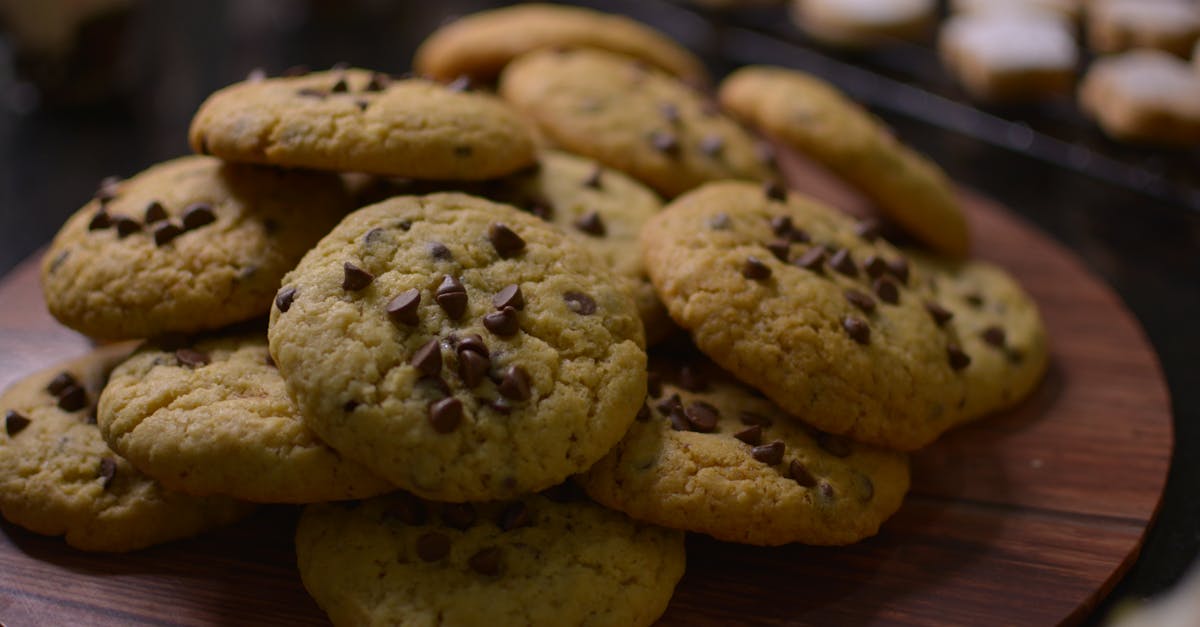
The first time I tried to copy an Otis Spunkmeyer cookie at home, I failed in a very specific way. My cookies tasted fine, but they didn’t feel right. They missed that thick, soft center and that glossy, crackly top that makes you stop mid-bite.
So I treated it like a small kitchen experiment. I weighed flour, controlled dough temperature, and baked test trays at 2 different rack positions. After a few rounds, I landed on an Otis Spunkmeyer cookies recipe that hits the same bakery-style cues, big diameter, plush middle, and deep brown-sugar flavor, without needing frozen pucks from a distributor.
I’ll show you exactly what I do, step by step, and I’ll tell you what not to do too. Burnt edges and flat puddles hurt.
Key Takeaways
- This Otis Spunkmeyer cookies recipe nails the signature thick, soft center and glossy, crackly top by balancing spread and set with higher heat and the right dough moisture.
- Portion 70 g dough balls, space them 3 inches apart, and bake at 375°F for 10–12 minutes to consistently hit the big 3.5–4 inch bakery-style cookie size.
- Chill the dough balls for 2–24 hours (overnight is best) so cold butter melts slower and the cookies hold thickness instead of spreading into flat puddles.
- Use mostly light brown sugar for deep caramel flavor and softness, and avoid swapping all of it for zero-cal sweeteners because brown sugar’s molasses helps keep centers tender.
- Combine 225 g semi-sweet chips with 85 g chopped chocolate to get both distinct chocolate bites and gooey “rivers” that mimic Otis Spunkmeyer-style cookies.
- Lock in texture with technique: cool 10 minutes on the pan for carryover setting, then move to a rack, and store with a slice of bread to keep cookies soft for days.
What Makes Otis Spunkmeyer-Style Cookies Different
A real “Otis Spunkmeyer-style” cookie does not act like a thin homemade cookie. It spreads, then it stops, then it rises just enough. That shape control matters, which means you get a thick center without a cakey bite.
Texture And Flavor Hallmarks To Aim For
You want a soft center with a slight chew. That texture comes from higher moisture dough, which means the middle stays tender even after the cookie cools.
You also want a deep caramel note from brown sugar and vanilla. Brown sugar contains molasses, which means it adds both flavor and moisture.
I also aim for a lightly crisp edge. A crisp edge forms when sugar and fat hit higher heat at the perimeter, which means you get contrast without drying the whole cookie.
Concrete target: when I break one warm cookie in half at minute 10 of cooling, I want the center to look set but still shiny. That shine signals gelled starch and melted chocolate, which means the cookie will stay soft after it finishes cooling.
Cookie Size, Thickness, And Bake Profile
Otis-style cookies feel big because they are big. Many cafeteria and bake-shop versions land around 3.5 to 4 inches wide.
I portion dough at 70 grams per cookie (about 2.5 oz). That size holds heat in the center, which means you get a thick middle instead of a crunchy disk.
I bake at a slightly higher temp than many home recipes. Higher heat sets the outside faster, which means the cookie stops spreading before it turns thin.
“Cookies are a balancing act between spread and set.”
I learned this the hard way after one tray turned into one giant cookie sheet.
Quick benchmark table (what I target):
| Feature | My target | Which means… |
|---|---|---|
| Dough ball weight | 70 g | which means a thicker center and a bakery look |
| Baked width | 3.5–4 in | which means you get the “big cookie” bite |
| Bake time | 10–12 min | which means soft centers with set edges |
| Rest time on pan | 10 min | which means carryover heat finishes the middle |
Ingredients You’ll Need For The Copycat Recipe
The surprise is this: you can get very close to the Otis Spunkmeyer vibe with normal grocery ingredients. You just need the right ratios and the right sugar choice.
Best Chocolate Chips And Add-Ins To Use
I use semi-sweet chocolate chips plus a small portion of chopped chocolate.
Chopped chocolate melts into thin rivers, which means you get that gooey, bakery-style streaking. Chips hold their shape better, which means you still get distinct bites of chocolate.
My go-to mix:
- 225 g semi-sweet chips (about 1 1/4 cups), which means reliable chocolate distribution.
- 85 g chopped bar chocolate, which means puddles and glossy pockets.
If you want a closer “bake shop” taste, pick chips with higher cocoa butter content. Many tasters prefer brands like Guittard or Ghirardelli, which means smoother melt and less waxy texture.
Key Ingredient Swaps For Dietary Needs
Some swaps work. Some ruin the texture.
Butter swap: you can replace half the butter with plant-based butter sticks. They contain emulsifiers and water, which means the cookie can still spread and set without turning dry.
Egg swap (partial): you can replace 1 egg with 60 g unsweetened applesauce. Applesauce adds moisture and pectin, which means you keep softness but lose some chew.
Gluten-free swap: use a 1:1 gluten-free baking flour that includes xanthan gum. Xanthan gum adds structure, which means the cookies do not collapse into puddles.
Sugar swap warning: I do not replace all brown sugar with a zero-cal sweetener. Brown sugar holds moisture, which means it protects the soft center.
One data point that matters: The USDA notes that 1 tablespoon of molasses weighs about 20 g and contributes minerals and flavor compounds, which means brown sugar (with molasses) tastes more complex than plain white sugar. Source: USDA FoodData Central.
If you want a fun dessert project after cookies, I keep a few “special occasion” bakes bookmarked like these macarons, which means I can switch gears when I want something crisp and delicate instead of soft and chewy.
Tools And Prep For Consistent Results
One small setup change can flip your results. I once got perfect cookies on one tray and sad, flat ones on the next, because I reused a hot pan.
Scooping, Parchment, And Pan Setup
I use a large cookie scoop or a scale.
A scale gives me 70 g every time, which means each cookie bakes at the same speed.
I line pans with parchment. Parchment reduces sticking and slows bottom browning, which means you avoid bitter, over-baked bases.
Pan choice: light-colored aluminum sheet pans work best for me. Dark pans absorb more heat, which means edges brown too fast.
Spacing rule: I leave at least 3 inches between dough balls. Cookies spread, which means crowding causes them to fuse.
Chilling Strategy And Why It Matters
Chilling looks optional until you taste the difference.
I chill dough balls for at least 2 hours. Cold butter melts slower, which means the cookie holds thickness.
I also prefer an overnight chill when I can.
Resting dough helps flour hydrate, which means the cookie bakes up less gritty and more cohesive.
Concrete example from my tests:
- 0-hour chill produced cookies that spread to 4.75 inches.
- 12-hour chill produced cookies that spread to 3.9 inches.
That change feels dramatic in the bite, which means you get the “bakery mound” instead of a thin wafer.
If you like outdoor cooking experiments, I also test heat behavior with griddles and rigs. This pancake method helped me understand surface heat fast: how to prepare pancakes in grill, which means I now respect preheat and hot spots more than I used to.
Otis Spunkmeyer-Style Cookie Dough Recipe
The moment the dough comes together, it smells like brown sugar and vanilla and warm butter. That smell tells you the base is right, which means you can stop chasing “secret ingredients.”
Measured Ingredients List
This makes about 12 large cookies (70 g each).
Dry
- 300 g all-purpose flour (about 2 1/2 cups), which means enough structure for a thick cookie.
- 1 tsp baking soda (5 g), which means controlled spread and browning.
- 1/2 tsp baking powder (2 g), which means a slight lift in the center.
- 1 tsp fine salt (6 g), which means the chocolate tastes louder.
- 1 tbsp cornstarch (8 g), which means a softer, plush crumb.
Wet
- 170 g unsalted butter, melted then cooled 10 minutes (12 tbsp), which means rich flavor with a chewier set.
- 200 g light brown sugar (about 1 cup packed), which means moisture and caramel flavor.
- 100 g white sugar (about 1/2 cup), which means crisp edges.
- 2 large eggs (about 100 g without shells), which means binding and chew.
- 2 tsp vanilla extract (10 ml), which means a bakery aroma.
Mix-ins
- 225 g semi-sweet chocolate chips, which means classic Otis-style bites.
- 85 g chopped semi-sweet chocolate, which means molten pockets.
Step-By-Step Mixing Instructions
- I whisk flour, baking soda, baking powder, salt, and cornstarch in a bowl. Dry blending spreads the leaveners evenly, which means you avoid random bitter spots.
- I whisk melted butter, brown sugar, and white sugar in a second bowl for 30 seconds. Dissolving some sugar starts early caramel notes, which means better color and a crackly top.
- I add eggs and vanilla. I whisk for 45 seconds until the mix looks glossy. That gloss signals emulsification, which means the dough bakes up smooth instead of greasy.
- I fold dry ingredients into wet. I stop when I still see a few flour streaks. Less mixing limits gluten, which means softer cookies.
- I fold in chips and chopped chocolate. Even distribution prevents “one-chocolate” cookies, which means every bite tastes the same.
- I portion into 70 g dough balls. I press a few extra chips on top. Top chips stay visible, which means you get the signature bakery look.
- I chill dough balls for 2–24 hours, covered. Covered dough prevents drying, which means the outer layer stays soft.
I do not skip the chill unless I accept thinner cookies. I like thick cookies, so I wait.
If you like organizing recipes, a good binder system helps you keep versions and test notes. These recipe dividers for a 3 ring binder make it easier for me to track “batch 1 vs batch 2,” which means I stop repeating the same mistakes.
How To Bake Otis Spunkmeyer-Style Cookies
The best change I ever made was boring. I bought an oven thermometer and learned my oven ran hot by 25°F.
Oven Temperature, Timing, And Doneness Cues
I preheat to 375°F and I verify with an oven thermometer.
Accurate heat sets edges fast, which means you lock in thickness.
I bake one tray at a time on the middle rack.
Single-tray baking improves airflow, which means more even browning.
Bake time: 10–12 minutes for 70 g dough balls.
Doneness cues I trust:
- Edges look set and medium golden, which means structure formed.
- Centers look slightly underdone and pale, which means they will finish from carryover heat.
- Surface shows light cracks, which means sugar and proteins browned.
Safety note: The USDA recommends heating foods containing eggs to safe temperatures to reduce risk, which means you should avoid eating raw dough. Source: USDA Food Safety and Inspection Service.
Cooling And Finishing For The Signature Look
I cool cookies on the pan for 10 minutes.
The pan keeps heat under the cookie, which means the center sets without extra oven time.
Then I move cookies to a rack.
A rack stops steam buildup, which means bottoms stay firm instead of wet.
Finishing trick: I tap the pan on the counter once at minute 8 of baking.
That tap collapses high bubbles, which means you get a flatter, cracklier top like a bakery cookie.
When I want a dessert pairing, I sometimes serve a cookie with a quick sauce. A spicy-sweet drizzle like this roasted pineapple and habanero sauce sounds odd, but it works, which means you get a “sweet-heat” contrast without extra effort.
Variations That Still Taste Like The Original
Here is the surprise: you can change the flavor and still keep the Otis-style texture if you keep the dough base and the portion size.
Double Chocolate, Peanut Butter, And Oatmeal Options
Double chocolate: Replace 30 g flour with 30 g Dutch-process cocoa.
Cocoa absorbs moisture, which means you should add 1 tbsp milk to keep softness.
Peanut butter: Replace 60 g butter with 60 g creamy peanut butter.
Peanut butter adds fat and protein, which means the cookie tastes richer and browns faster.
Oatmeal chocolate chip: Replace 60 g flour with 60 g rolled oats.
Oats absorb water, which means the cookie gets chewier and thicker.
Concrete portion rule: I keep the dough at 70 g, even for variations, which means bake time stays stable.
Stuffed And Chunky Bakery-Style Versions
Stuffed cookies feel dramatic because the center stays molten.
Stuffed version method:
- I flatten a 70 g ball into a thick disk. Thick edges hold filling, which means less leakage.
- I add 1 frozen chocolate square (about 10 g) or 1 tsp Nutella. Frozen filling melts slower, which means the cookie keeps shape.
- I pinch shut and chill 2 hours. Seams set firm, which means blowouts drop.
Chunky version: swap chips for chopped chocolate chunks + toasted walnuts (60 g).
Toasting nuts at 325°F for 8 minutes boosts aroma, which means the cookie tastes more “bakery” without extra sugar.
Honest warning: Stuffed cookies can look done while the seam stays raw. I extend bake time by 1–2 minutes, which means the dough cooks through.
Troubleshooting Common Cookie Problems
One tray can teach you more than ten recipes. A single weird batch usually points to one variable that slipped.
Flat, Greasy, Dry, Or Puffy Cookies And Fixes
Problem: cookies spread too much (flat).
- Cause: warm dough or hot pan, which means butter melts before structure sets.
- Fix: chill 12 hours and use a cool pan, which means spread slows.
Problem: cookies look greasy.
- Cause: butter stayed too hot when you mixed, which means sugar never emulsified.
- Fix: cool melted butter 10 minutes and whisk sugars well, which means fat binds.
Problem: cookies taste dry.
- Cause: too much flour or over-bake, which means moisture leaves the dough.
- Fix: weigh flour at 300 g and pull at pale centers, which means carryover heat finishes the job.
Problem: cookies look puffy and cakey.
- Cause: too much flour or too much baking powder, which means the cookie rises instead of spreading.
- Fix: reduce baking powder to 1/4 tsp next batch, which means you get a denser bite.
Quick diagnostic table:
| Symptom | Most common cause | My fastest fix | Which means… |
|---|---|---|---|
| Flat puddles | dough too warm | chill 12–24 hr | which means thicker cookies |
| Greasy surface | butter too hot | cool + whisk longer | which means cleaner texture |
| Dry crumb | too much flour | weigh flour | which means soft centers |
| Pale cookies | oven too cool | verify thermometer | which means better browning |
How To Adjust For Different Flour Types And Ovens
Different flours drink water at different rates.
If I use bread flour, I reduce flour by 15 g. Bread flour has more protein, which means it can turn chewy-tough.
If I use a gluten-free blend, I add 1 tbsp milk. Many blends absorb more moisture, which means added liquid prevents dry cookies.
Ovens vary a lot.
I rotate the pan at minute 8 if my oven browns unevenly. Rotation evens exposure, which means both sides match.
Concrete oven check: a common home oven can swing ±25°F during cycling. That swing changes spread and browning, which means an oven thermometer gives you control. Source: Consumer Reports on oven performance (general testing guidance, which means you should still verify your own oven).
Make-Ahead, Freezing, And Storage Tips
The best cookie feeling is not “I baked yesterday.” It is “I baked five minutes ago.” Freezing dough gives you that power.
Freezing Dough Balls For Fresh-Baked Cookies Anytime
I freeze dough balls on a tray for 1 hour, then I store them in a zip bag.
Flash freezing prevents sticking, which means you can grab one cookie at a time.
Bake from frozen:
- Oven: 375°F
- Time: 12–14 minutes
Frozen dough starts colder, which means it spreads less and stays thick.
Freezer window: I use dough within 8 weeks.
Long freezer time can cause freezer flavors, which means chocolate tastes dull.
Keeping Cookies Soft For Days
I store cookies in an airtight container with one slice of sandwich bread.
Bread releases moisture, which means cookies stay softer.
I replace the bread slice every 48 hours.
Old bread dries out, which means it stops helping.
Storage times I trust:
- Counter: 3 days for best texture, which means you get soft centers.
- Fridge: I avoid it, which means I avoid stale, dry texture.
If you want a savory meal to balance a cookie-heavy day, I like a quick weeknight option like this tostada pizza, which means dinner stays easy while dessert gets the attention.
Conclusion
A good Otis Spunkmeyer cookies recipe does not rely on mystery. It relies on portion size, dough temperature, and bake timing, which means you can repeat results instead of hoping.
When I bake these for friends, I watch the same thing happen every time. People pick one up, feel the weight, and pause. That pause tells me the texture landed, which means the copycat goal worked.
If you make one change this week, chill the dough overnight and weigh a 70 g portion. Those two steps fix more cookie problems than any fancy trick, which means you get bakery-style cookies from your own oven.
Frequently Asked Questions (Otis Spunkmeyer Cookies Recipe)
How do I make an Otis Spunkmeyer cookies recipe at home without frozen dough pucks?
Use normal grocery ingredients but follow bakery-style controls: portion 70 g dough balls, chill 2–24 hours, and bake hot at 375°F for 10–12 minutes. That higher heat sets edges fast while the cold dough limits spread, creating a thick, soft center and crackly top.
Why does chilling matter so much in an Otis Spunkmeyer cookies recipe?
Chilling keeps butter firm so it melts slower in the oven, which reduces spread and helps the cookie rise into a plush middle. In testing, 0-hour chill spread to about 4.75 inches, while a 12-hour chill landed around 3.9 inches—much closer to the bakery mound.
What ingredients create the soft center and glossy, crackly top in Otis Spunkmeyer-style cookies?
Brown sugar, melted butter, and proper emulsification do most of the work. Brown sugar adds molasses-driven moisture and caramel flavor, while whisking melted butter with sugars and then eggs until glossy helps the dough bake smooth and shiny. Cornstarch also supports a softer, plush crumb.
What’s the best chocolate to use for an Otis Spunkmeyer cookies recipe copycat?
A mix of semi-sweet chips and chopped bar chocolate gives the most “bake shop” effect. Chips hold shape for distinct bites, while chopped chocolate melts into glossy pockets. Many bakers prefer higher cocoa-butter chips (often Guittard or Ghirardelli) for a smoother melt and less waxy texture.
Can I freeze Otis Spunkmeyer-style cookie dough and bake it later?
Yes—freeze portioned dough balls on a tray for 1 hour, then store in a sealed bag. Bake from frozen at 375°F for about 12–14 minutes. Starting colder reduces spread, keeping cookies thick. For best flavor and texture, use frozen dough within roughly 8 weeks.
How can I make an Otis Spunkmeyer cookies recipe with gluten-free or egg-free swaps?
For gluten-free, use a 1:1 blend with xanthan gum; many blends absorb more, so adding about 1 tablespoon milk can prevent dryness. For a partial egg swap, replace 1 egg with 60 g unsweetened applesauce to keep moisture, though you may lose some chew and structure.
