
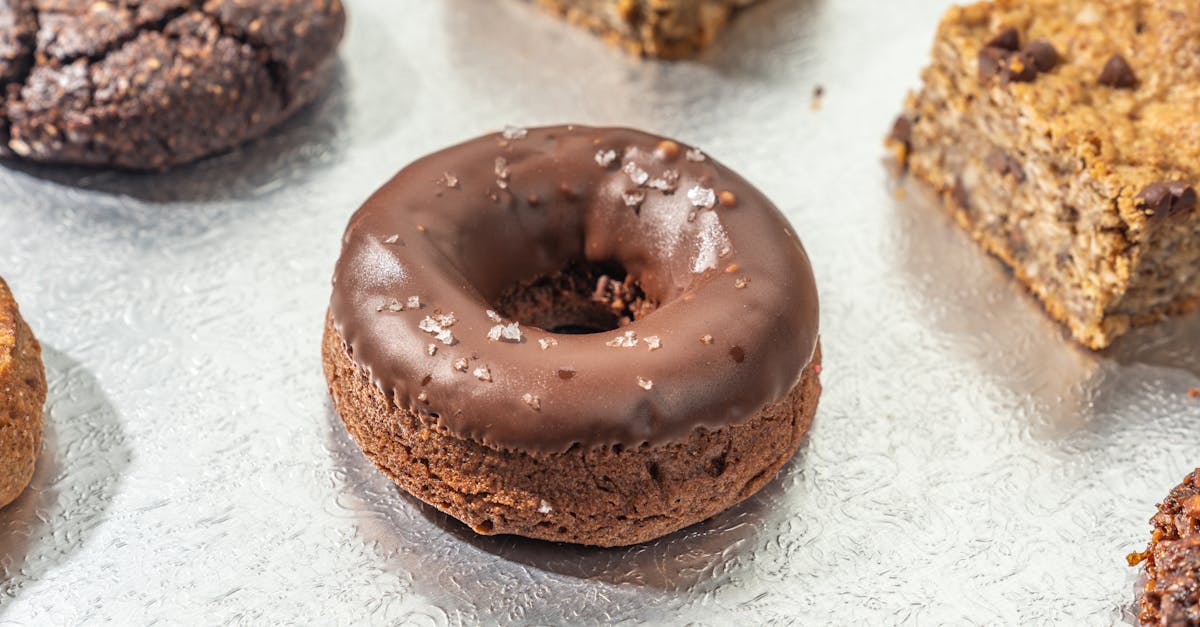
The first time I nailed old-fashioned buttermilk donuts at home, I heard it before I tasted it.
The donuts made a sharp, gentle crackle when I bit in, which means the edges fried into those crisp, craggy ridges you want. Then the inside stayed soft and cakey, which means you get that classic tender crumb instead of a bready chew.
This is my go-to old fashioned buttermilk donuts recipe when I want bakery results with plain pantry ingredients and one reliable trick: temperature control.
Key Takeaways
- This old fashioned buttermilk donuts recipe delivers crisp, craggy ridges and a tender cake-like center by using chemical leaveners (not yeast) plus buttermilk for tang and softness.
- Control the outcome by treating temperature like an ingredient: keep frying oil at 350°F–360°F (aim for ~355°F) to prevent greasy donuts and to trigger the signature cracks and ridges.
- Mix gently by folding wet into dry only until combined, because overmixing builds gluten and turns old-fashioned buttermilk donuts tough instead of tender.
- Chill the dough 45–60 minutes, then roll to about 1/2 inch thick and re-roll scraps only once to keep donuts light with clean-cut edges that fry into “petals.”
- Finish while warm—dip in glaze when warm-not-hot or toss in cinnamon sugar within 30 seconds—then drain on a wire rack so steam escapes and the crust stays crisp.
- For make-ahead mornings, chill the dough or cut donuts up to 12 hours, and re-crisp leftovers in a 325°F oven for 4–6 minutes instead of microwaving.
What Makes Old-Fashioned Buttermilk Donuts Different
A good old-fashioned donut looks a little “broken” on purpose.
Those rough edges fry into crunchy petals, which means each bite has contrast: crisp outside, tender inside.
According to the USDA FoodData Central, buttermilk contains lactic acid, which means it can support tenderness when it reacts with baking soda in cake-style doughs.
Cake-Donut Texture: Craggy Ridges And A Slight Tang
Old-fashioned buttermilk donuts are cake donuts, not yeast donuts, which means they rise from chemical leaveners instead of fermentation.
I aim for a dough that feels like soft clay, which means it holds shape when cut but still fries up light.
Buttermilk adds a mild tang, which means the sweetness tastes cleaner and less flat.
Nutmeg is traditional, which means you get that “donut shop” aroma even before the glaze sets.
Why Frying (Not Baking) Creates The Classic Shape
Frying hits the outside fast, which means the surface sets while the inside keeps expanding.
That push-and-pull creates the signature cracks and ridges, which means you get those crunchy edges that baked versions rarely copy.
Oil also transfers heat efficiently, which means the donut cooks through in about 2 to 3 minutes per side instead of drying out in a long bake.
If you want a different breakfast project for another day, I also tested pancakes on a grill, and the method surprised me, which means you can still get great browning without a skillet. I wrote it up here: how to prepare pancakes on grill.
Ingredients And Tools You’ll Need
The transformation happens when basic ingredients behave like a system.
Each one has a job, which means you get predictable rise, clean flavor, and that crisp edge.
Key Ingredients And What Each One Does
Here is the ingredient list I use for about 10 to 12 donuts, which means a small batch that stays fresh.
| Ingredient | Amount | Why it matters | Reader benefit |
|---|---|---|---|
| All-purpose flour | 2 1/2 cups (300 g) | Builds structure | Holds ridges which means the donut cracks instead of spreading flat |
| Granulated sugar | 3/4 cup (150 g) | Sweetens and tenderizes | Softer crumb which means less dryness by the afternoon |
| Baking powder | 2 tsp | Primary lift | Quick rise which means no waiting for proofing |
| Baking soda | 1/2 tsp | Reacts with buttermilk acid | Extra aeration which means a lighter bite |
| Fine salt | 1 tsp | Balances sweetness | Cleaner flavor which means the glaze tastes brighter |
| Ground nutmeg | 1/2 tsp | Classic donut aroma | Bakery scent which means it feels “right” even unglazed |
| Unsalted butter (melted, cooled) | 3 tbsp (42 g) | Adds richness | Tender crumb which means less toughness |
| Egg yolks | 2 | Emulsify and enrich | Smooth texture which means no grainy interior |
| Buttermilk (cold) | 3/4 cup (180 ml) | Acid + moisture | Tang + tenderness which means a more complex donut |
| Vanilla extract | 1 tsp | Aroma | Better finish which means plain sugar coatings still taste good |
| Frying oil (canola/peanut/vegetable) | 6 to 8 cups | Heat medium | Fast set which means crisp edges without a dry center |
Buttermilk note: I use real cultured buttermilk when I can, which means consistent acidity. If I only have milk and vinegar, it still works, which means you can still fry today.
Essential Tools For Consistent Results
When I stopped guessing, my donuts stopped failing.
These tools cut the guesswork, which means the donuts fry evenly.
- Digital thermometer (clip-on or instant-read), which means you keep oil at 350°F to 360°F instead of drifting.
- Heavy pot or Dutch oven, which means the oil temp recovers faster after each batch.
- Spider strainer or slotted spoon, which means you lift donuts without tearing ridges.
- Donut cutter (or 3-inch and 1-inch cutters), which means clean edges that crack in the right places.
- Sheet pan + wire rack, which means steam escapes and the crust stays crisp.
“Control the temperature and you control the donut.”
I wrote that on a sticky note after one greasy batch, which means I now treat the thermometer like an ingredient.
Step-By-Step Old-Fashioned Buttermilk Donuts Recipe
The moment you drop the first donut into oil, you smell toasted sugar and nutmeg.
That smell is your timer, which means the outside is browning before the inside dries.
Below is the method I use after testing three variables: mixing time, chill time, and frying temperature, which means this process favors repeatable results.
Mix The Dough Without Overworking It
- I whisk flour, sugar, baking powder, baking soda, salt, and nutmeg in a large bowl, which means the leaveners distribute evenly.
- I whisk egg yolks, buttermilk, vanilla, and melted butter in a second bowl, which means the fat blends before it hits flour.
- I pour wet into dry and fold with a spatula just until no dry pockets remain, which means gluten stays low and the crumb stays tender.
Concrete cue: The dough should look slightly rough and sticky but hold together, which means you can roll it after chilling.
Warning: If you stir until smooth like cake batter, you build more gluten, which means tough donuts.
Chill, Roll, And Cut For Clean Edges
- I scrape dough onto plastic wrap and press it into a 1-inch-thick disc, which means it chills evenly.
- I chill for 45 to 60 minutes, which means the dough firms and cuts clean.
- I flour the counter lightly and roll to 1/2 inch thick, which means the donuts rise without turning bready.
- I cut donuts and holes, then place them on a floured tray, which means they do not stick and stretch.
My real-life fix: I used to re-roll scraps three times, which means I got odd, tight donuts. Now I re-roll only once, which means the last donuts still stay tender.
Fry At The Right Temperature For Ridges And Rise
- I pour oil into a heavy pot to about 2 inches deep and heat to 355°F, which means it sits in the sweet spot between pale and burnt.
- I fry 2 to 3 donuts at a time, which means the oil temp does not crash.
- I lower each donut in gently and let it float, which means the surface starts to split.
- I fry about 2 minutes per side, which means the outside sets and the inside cooks through.
Temperature rule I follow: Keep the oil between 350°F and 360°F, which means you get ridges without grease.
The USDA notes that frying oil temperature drives fat absorption, which means cooler oil can increase greasiness. You can check general frying guidance in USDA resources like FoodKeeper for safe handling, which means you store leftovers correctly after frying.
Glaze Or Sugar While Warm For The Best Finish
I finish donuts while they are still warm, which means coatings stick and set glossy.
- For glaze, I dip the top when the donut feels warm but not hot, which means the glaze clings instead of sliding off.
- For cinnamon sugar, I toss within 30 seconds of draining, which means the sugar melts into a thin shell.
Drain smart: I drain on a rack, not paper towels, which means steam escapes and the crust stays crisp.
If you like keeping recipes organized, I also use binder dividers for my test batches, which means I can repeat the same version months later. Here is the set-up I copied: recipe dividers for a 3-ring binder.
Glazes And Finishes (Classic To Creative)
The first dip feels like a magic trick.
A plain donut turns glossy in two seconds, which means your finish can carry the whole experience.
I test glazes by timing set-up.
If a glaze sets in 8 to 12 minutes at room temp, it usually stays neat on a serving plate, which means fewer sticky fingers.
Vanilla Glaze
This is the classic finish I use most.
Ingredients
- 2 cups (240 g) powdered sugar, which means fast thickening
- 2 to 4 tbsp buttermilk or milk, which means you can control flow
- 1 tsp vanilla, which means the aroma reads “fresh”
- Pinch of salt, which means sweetness stays balanced
Steps
- I whisk sugar, salt, and vanilla.
- I add liquid 1 tbsp at a time until it ribbons off the whisk.
- I dip warm donuts and let them set on a rack.
Texture cue: The glaze should coat in one pass, which means it will not run into a thin sticky film.
Chocolate Glaze
Chocolate glaze adds drama and a faint bitterness.
That bitterness matters, which means the donut tastes less sugary even with a thick coat.
Ingredients
- 1 1/2 cups (180 g) powdered sugar, which means smooth texture
- 1/4 cup (25 g) cocoa powder, which means real chocolate flavor
- 2 to 4 tbsp milk or buttermilk, which means you set viscosity
- 1 tbsp melted butter, which means a softer bite when set
- 1/2 tsp vanilla, which means rounder aroma
Steps
- I whisk dry ingredients.
- I whisk in liquids until shiny.
- I dip and let set.
My honest note: Cocoa varies.
Natural cocoa tastes sharper, which means you may want 1 extra tbsp sugar.
Cinnamon Sugar And Other Coatings
Cinnamon sugar gives crunch without a wet glaze.
That crunch matters, which means the donut stays crisp longer.
Base mix
- 1/2 cup (100 g) sugar
- 1 1/2 tsp cinnamon
- Pinch of salt
I also use:
- Cardamom sugar, which means floral warmth.
- Lemon sugar (zest rubbed into sugar), which means bright flavor without extra liquid.
For a dessert day, I treat donuts like cousins to macarons.
Both reward precision, which means small measurement changes show fast. If you like that style of baking, you may enjoy this: macarons recipe.
Troubleshooting Common Donut Problems
A bad batch can look fine on the rack.
Then you bite in and feel it: heavy, oily, or weirdly smooth, which means something broke earlier in the process.
I log each batch with time and temperature, which means I can trace the cause.
Dense Or Tough Donuts
What you see: Tight crumb and little rise, which means the dough did not aerate well.
Most common causes (in my kitchen):
- I overmixed the dough, which means I built gluten.
- I used too much flour while rolling, which means I dried the dough.
- I re-rolled scraps too many times, which means the last donuts got tough.
Fixes I use:
- Fold only until combined, which means the crumb stays cake-like.
- Roll between two light flour dustings, which means you avoid adding extra flour.
Concrete check: If the cut donut feels springy like bread dough, you overworked it, which means the finished donut will chew.
Greasy Donuts Or Poor Browning
What you see: Pale donuts that feel oily, which means the oil temperature ran low.
Data point: I see grease issues when oil drops below 340°F for more than 60 seconds, which means the crust does not set fast.
Fixes I use:
- Fry fewer donuts per batch, which means the oil temp recovers.
- Use a heavier pot, which means you get less temperature swing.
- Wait for oil to return to 355°F before the next drop, which means you avoid soggy crust.
Honest warning: If you crank heat to “catch up,” you risk burnt ridges and raw centers, which means the donut looks done but tastes undercooked.
Donuts Cracking Wrong Or Not Forming Ridges
What you see: Smooth sides or random blowouts, which means the surface did not set and split in the right pattern.
Causes I actually see most:
- Dough too warm, which means it smears at the cut edge.
- Oil too hot above 365°F, which means the outside sets too fast.
- Dough rolled too thin under 3/8 inch, which means it cannot form deep cracks.
Fixes I use:
- Chill the cut donuts for 10 minutes before frying, which means edges stay sharp.
- Keep oil at 350°F to 360°F, which means cracks open slowly and form ridges.
When the ridges finally pop, they look like little beige coral.
That is the sign, which means you hit the temperature window.
Make-Ahead, Storage, And Reheating Tips
Fresh donuts vanish fast.
But I still plan for reality, which means I make dough ahead when mornings get tight.
Food safety matters with dairy and eggs, which means I follow standard cold storage guidance from sources like USDA FoodKeeper.
How To Prep Dough Ahead And Fry Later
I use two make-ahead paths.
Option A: Chill dough overnight (best texture)
- I mix dough, wrap tightly, and chill 8 to 12 hours, which means the flour hydrates fully.
- I roll and cut in the morning, which means I get clean edges.
- I fry right away, which means the leaveners still work well.
Option B: Cut donuts, then chill (fast morning)
- I cut donuts and place them on a floured tray.
- I cover and chill up to 12 hours, which means the shapes hold.
Honest assessment: After 12 hours, the donuts still fry fine, but the rise drops a bit, which means the crumb feels slightly tighter.
How To Store Finished Donuts Without Sogginess
Old-fashioned donuts taste best the same day.
That matters because the crisp ridges soften with time, which means storage is about damage control.
What I do:
- I cool donuts fully, which means steam does not trap moisture.
- I store them in a paper bag for 6 to 10 hours, which means the crust stays drier than in plastic.
- For overnight, I use a container with the lid slightly cracked, which means condensation escapes.
Reheat: I warm donuts at 325°F for 4 to 6 minutes, which means the exterior dries and re-crisps.
Do not microwave unless you accept a soft crust, which means you lose the best part.
If you like stocking your kitchen with easy grab-and-go snacks, I also keep a salty option for contrast, which means sweet breakfasts feel less heavy. This one surprised me: pumpkin crackers recipe.
Conclusion
When I make this old fashioned buttermilk donuts recipe, I look for one clear sign.
I want ridges that snap, which means the oil stayed hot and the dough stayed cool.
If you remember only three numbers, remember these: 45 minutes of chill, 355°F oil, and 2 minutes per side, which means you can repeat the result without guesswork.
And if a batch goes sideways, I treat it like data, which means the next batch improves fast.
Make them once on a quiet morning.
You will smell nutmeg and warm sugar in the air, which means your kitchen will feel like a donut shop for an hour.
Frequently Asked Questions (Old-Fashioned Buttermilk Donuts)
What makes an old fashioned buttermilk donuts recipe different from other donuts?
An old fashioned buttermilk donuts recipe makes a cake-style donut with intentionally craggy, “broken” edges. Those ridges fry into crisp petals while the inside stays soft and cakey. Buttermilk adds mild tang and tenderness, especially when it reacts with baking soda.
What oil temperature is best for old fashioned buttermilk donuts?
For old fashioned buttermilk donuts, keep frying oil between 350°F and 360°F (about 355°F ideal). This temperature sets the outside quickly for crisp ridges, cooks the center in about 2 minutes per side, and helps prevent greasy donuts that happen when oil runs too cool.
How do you keep old-fashioned buttermilk donuts from turning tough or dense?
Avoid overmixing and over-flouring. Fold wet into dry just until no dry pockets remain, so gluten stays low and the crumb stays tender. Chill the dough 45–60 minutes, roll to about 1/2 inch, and re-roll scraps only once to prevent tight, chewy donuts.
Can I make this old fashioned buttermilk donuts recipe ahead of time?
Yes. You can chill the wrapped dough overnight (8–12 hours) for easy rolling and clean cuts in the morning. Or cut the donuts first, then cover and chill up to 12 hours. Past that, they’ll still fry, but the rise may be slightly reduced.
Can I use homemade buttermilk (milk + vinegar) for old fashioned buttermilk donuts?
Yes—milk plus vinegar or lemon juice usually works as a substitute when you don’t have cultured buttermilk. Let it sit 5–10 minutes before using. Cultured buttermilk is more consistent in acidity and flavor, but the quick substitute can still produce tender, cake-style donuts.
Why are my old fashioned buttermilk donuts not forming ridges or cracking?
Ridges usually fail when the dough is too warm, rolled too thin (under 3/8 inch), or the oil is too hot (above ~365°F), which sets the surface too fast. Chill cut donuts 10 minutes before frying and hold oil at 350°F–360°F so cracks open gradually.
