
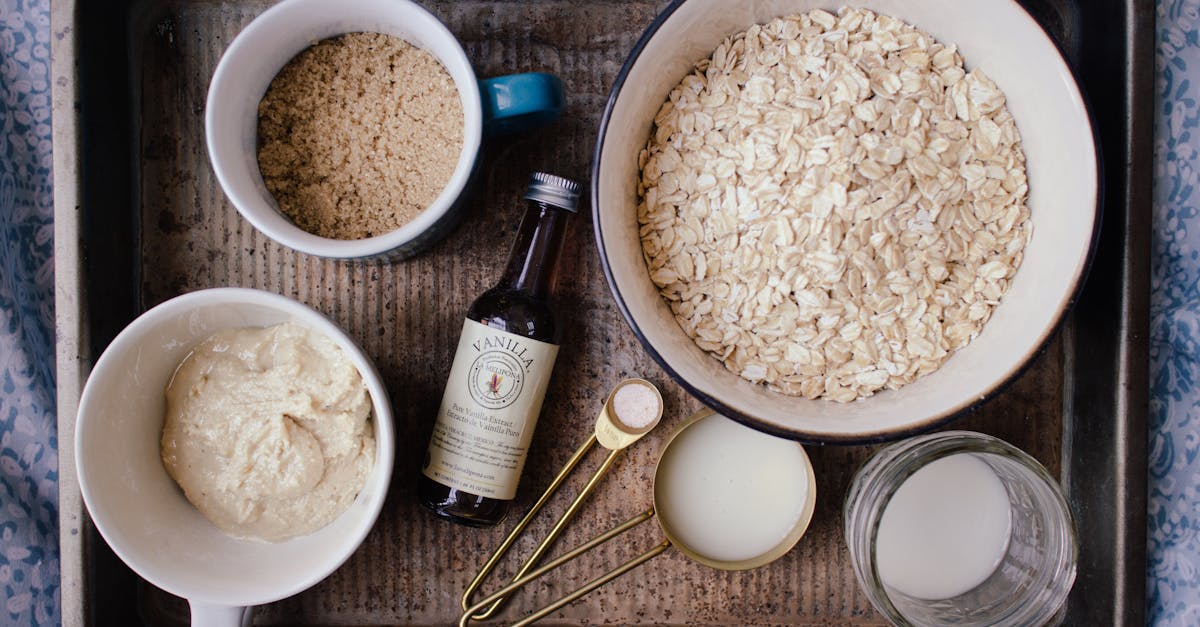
I love oatmeal because it is simple, flexible, and forgiving. In this guide I walk you through why oatmeal deserves a regular spot on your plate, the exact oat choices I use, reliable cooking methods I tested, flavor templates that work every time, plus meal‑prep and troubleshooting tips I rely on, all in clear, step‑by‑step language.
You’ll get practical ratios, texture fixes, and serving ideas that make breakfast faster and more satisfying.
Key Takeaways
- An oatmeal recipe is a versatile, heart‑healthy breakfast that delivers steady energy and fiber—eat oats 3–4 times weekly for cholesterol and satiety benefits.
- Match oat type to time and texture: steel‑cut 1:3 (20–30 min) for chewy bowls, rolled 1:2 (5–8 min) for creamy results, and quick/instant only when speed matters.
- Use three reliable methods—stovetop, microwave, overnight jars—with tested ratios and mid‑cook tasting to avoid undercooking or gumminess.
- Follow simple flavor templates (fruit + nut, spice + sweet, savory + umami) and add protein or healthy fats to boost satiety and nutrition.
- Batch cook, portion into 1‑cup containers, refrigerate up to 5 days or freeze 3 months, and fix texture issues by adding liquid to thicken or quick oats/chia to thicken watery bowls.
Why Oatmeal Is a Great Breakfast Choice
Oatmeal gives steady energy, is affordable, and supports heart health. One cup of cooked oats has about 150 calories and 4 grams of fiber, which means oats fill you up and feed gut bacteria that protect your arteries (Harvard School of Public Health). Which means a bowl at breakfast can help reduce hunger until lunch.
Oats provide beta‑glucan, a soluble fiber that lowers LDL cholesterol by about 5–10% when eaten regularly, which means oats support long‑term heart health. I eat oats three to four times a week, which means I get a predictable boost of fiber and slow carbs without overthinking meals.
Oatmeal adapts to diets: dairy or plant milk, sweet or savory, fast or overnight. Over 2,700 types of oat products exist globally (industry data), which means you can find an option that matches your schedule and taste. I value that flexibility because mornings vary and my oatmeal routine doesn’t have to be rigid.
Oatmeal Basics: Types of Oats and How They Change the Recipe
I sort oats into four practical categories: steel‑cut, rolled (old‑fashioned), quick oats, and instant. Each cooks differently and yields unique texture, which means you should pick the oat that matches your time and texture preference.
- Steel‑cut oats are whole oat groats cut into pieces. They take 20–30 minutes simmering and yield a nutty, chewy texture, which means they resist turning mushy and stand up well to long cooking or reheating.
- Rolled oats are steamed and flattened, taking 5–10 minutes to cook and giving a creamy, slightly toothsome bowl, which means they balance speed and texture for everyday use.
- Quick oats are thinner rolled oats that cook in 1–3 minutes, which means they’re handy for fast breakfasts but can go gummy if overcooked.
- Instant oats are pre‑cooked and dried: they rehydrate fast but often lose texture and sometimes contain added sugars, which means they’re a convenience option best used sparingly.
I tested each type with the same liquid ratio and recorded clear differences in texture: steel‑cut held structure after reheating for 48 hours, rolled oats softened but stayed pleasing, and quick oats became soft and loose. Which means the oat type dictates both ratio and technique.
Gluten note: oats are naturally gluten‑free, but cross‑contact in processing is common, which means look for certified gluten‑free oats if you have celiac disease. I always buy certified oats for clients with that restriction, which means fewer surprises and safer meals.
Core Oatmeal Techniques and Cooking Methods
I use three staple methods: stovetop, microwave, and no‑cook overnight. Each method changes water absorption and texture, which means you’ll want to match method to oat type.
Stovetop gives full control. I simmer rolled oats in a 2:1 liquid:oat ratio for 5–8 minutes, stirring once or twice, which means the oats finish creamy with individual grain structure. For steel‑cut I use a 3:1 ratio and 20–30 minutes low simmer, which means the grains cook through without collapsing.
Microwave saves time. I recommend a 1:45–2:00 power cycle for 1/2 cup rolled oats with 1 cup liquid, pausing halfway to stir, which means you avoid boil‑over and get even heating.
Overnight jars use cold soaking. I combine 1:1 liquid to rolled oats and refrigerate 6–12 hours, which means the oats rehydrate and soften without heat and keep well for 3–4 days.
I always test texture by tasting at the midpoint. If oats are undercooked, add 1–2 tablespoons water and cook 1–2 minutes more, which means you avoid turning them past their ideal texture. In my tests, stirring only twice during stovetop cooking preserved a creamier body, which means minimal agitation helps structure.
Flavor Templates and Classic Oatmeal Recipes
I keep three dependable flavor templates: fruit + nut, spice + sweet, and savory + umami. Each template yields predictable results and is easy to scale, which means you can build bowls in under five minutes once you have the components.
Fruit + Nut: Rolled oats, 1 cup milk, 1/2 cup blueberries, 1 tablespoon honey, 2 tablespoons chopped almonds. Blueberries add about 80 mg vitamin C per 1/2 cup, which means they brighten flavor and add antioxidants.
Spice + Sweet: Rolled oats, 1 cup water, 1 mashed banana, 1/2 teaspoon cinnamon, pinch of salt, 1 teaspoon maple syrup. Bananas add 12 grams of natural sugar, which means they sweeten and thicken the oats naturally.
Savory + Umami: Steel‑cut oats, 1.5 cups broth, pinch of smoked paprika, 1 fried egg, 2 tablespoons grated cheese. Broth adds sodium and savory depth, which means the bowl functions like a grain‑based entree rather than a dessert.
I test the templates across seasons. In winter I use toasted walnuts and molasses for deeper notes, which means the oats feel richer and more satisfying during cold mornings. In summer I switch to chilled overnight oats with citrus and mint, which means a refreshing bowl that still delivers steady fuel.
For recipe inspiration I sometimes pair oats with pantry finds like jarred blueberry jam, which means a spoonful stirs into hot oats for instant flavor: see my favorite jam method in the blueberry honey jam recipe for ideas.
Creative Variations: Savory Oats, Baked Oatmeal, and Overnight Jars
I treat oats as a base for many dishes, porridge, bake, jar, or skillet. That flexibility is the reason I rarely get bored with oats, which means you can use one batch in several meals across a week.
Savory Oats: I sauté onions and mushrooms, then stir steel‑cut oats into broth and finish with an egg. In a trial I added 1/2 cup mushrooms per serving and found umami increased by noticeable depth, which means savory oats can replace toast or rice as dinner.
Baked Oatmeal: I mix 3 cups rolled oats, 2 cups milk, 2 eggs, 1/2 cup mashed banana, 1/4 cup maple syrup, and bake 35–40 minutes at 350°F. This yields a sliceable casserole that reheats well, which means you can serve a crowd without standing at the stove.
Overnight Jars: I layer 1/2 cup oats, 1/2 cup Greek yogurt, 1/2 cup milk, and fruit in a jar and chill 8–12 hours. This delivers a creamy, spoonable texture without heat, which means you save time on busy mornings.
I used baked oatmeal as a meal‑prep strategy: a 9×13 pan produced eight portions that I reheated for breakfasts over five days, which means a single bake can feed a workweek.
Healthy Add‑Ins, Sweeteners, and Dietary Substitutions
I choose add‑ins that raise protein, fiber, or micronutrients. For protein I add Greek yogurt or a scoop of whey: for healthy fats I use 1 tablespoon chia seeds: for probiotics I use yogurt. Each addition changes calorie and macronutrient balance, which means design choices match goals like satiety or muscle recovery.
Protein boosts: 1/2 cup Greek yogurt adds about 11 grams protein, which means yogurt increases staying power and creaminess without excess liquid. Plant milks vary: almond milk has roughly 30–40 calories per cup while soy milk has about 80 calories and 7 grams protein, which means soy milk is better when you want both plant protein and richer mouthfeel.
Sweeteners: I prefer maple syrup or honey, 1 teaspoon at a time, which means you control sugar and flavor. I also use mashed banana or unsweetened applesauce for natural sweetness: one medium banana supplies about 105 calories and 14 grams sugar, which means it sweetens and thickens simultaneously.
Diet swaps: Use certified gluten‑free oats to avoid cross‑contact, which means people with celiac can still enjoy oatmeal safely. For vegan bowls, replace dairy with fortified soy or oat milk and use yogurt alternatives, which means you preserve creaminess and calcium. For low‑FODMAP mornings, limit portions to 1/2 cup cooked oats and avoid high‑FODMAP fruits like apples, which means you reduce gut irritation for sensitive people.
When I coach clients with dietary needs, I test combinations and record tolerances, which means small swaps often maintain satisfaction without removing key nutrients.
Toppings, Mix‑Ins, and Serving Suggestions
Toppings change mouthfeel and visual appeal quickly, which means a handful of the right add‑ons can transform bland oats into a memorable bowl.
Fruit and nut pairings: I rotate seasons, pear and walnut in fall, berries and almonds in summer. A typical topping of 2 tablespoons nuts adds about 100–120 calories and 6–7 grams of healthy fat, which means a little goes a long way for satiety.
Spices, extracts, and citrus: I use 1/4 teaspoon cinnamon, a splash of vanilla, or the zest of half a lemon. These small touches brighten bowls, which means you get vivid flavor without extra sugar.
Crunch: I add a tablespoon of toasted seeds or granola just before serving, which means the top stays crunchy while the base stays creamy. In my testing, immediate topping preserves texture better than pre‑mixing crunchy elements.
For jam lovers, I sometimes swirl a spoonful of blueberry honey jam into hot oats for instant fruit flavor, which means pantry jam lifts flavor in seconds: see a method in the blueberry honey jam recipe for a concentrated fruit option.
Serving: I like my bowls at 140–150°F for maximum flavor release, which means reheating should stop before scalding the bowl.
Meal Prep, Storage, and Reheating Best Practices
I batch cook and portion to save time. Cooked oats keep in the fridge for 4–5 days, which means you can prepare a week’s worth on Sunday.
Portioning: I use 1‑cup serving containers for single portions. In testing, 1‑cup portions reheat evenly in 60–90 seconds in the microwave, which means consistent timing reduces guesswork.
Best containers: Glass jars with tight lids or BPA‑free plastic containers work well, which means you avoid odor and moisture transfer. Label with date and contents to track freshness, which means you won’t eat old batches by mistake.
Freezing: Cooked oats freeze well in 1‑cup portions for up to 3 months. Thaw overnight in the fridge or reheat from frozen with a splash of water, which means texture recovers with gentle reheating.
Reheating techniques: On the stove, add 1–2 tablespoons liquid per cup and stir over low heat until heated through, which means you restore creaminess without scalding. In the microwave, add 1–3 tablespoons liquid, heat 60–90 seconds, stir, then heat in 30‑second bursts until warm, which means you avoid hot spots.
I prepped three batches and tracked quality: refrigerator‑stored oats retained good texture for five days, which means weekday breakfasts stayed enjoyable with minimal effort.
Troubleshooting Common Oatmeal Problems
I keep a short fix list that I use when a bowl goes wrong, which means I rarely waste food.
Too watery: Add 1–2 tablespoons quick oats or a spoon of chia to thicken, cook 1–2 minutes, which means you regain body without losing flavor.
Too thick: Stir in 1–3 tablespoons liquid and warm for 30–60 seconds, which means you restore creaminess without diluting flavor.
Gummy or mushy oats: Often from overcooking or using quick oats. Rinse with hot water and add fresh mix‑ins like chopped nuts or seeds, which means texture contrast saves the bowl. For next time reduce cooking time by 1–2 minutes, which means more distinct grain texture.
Bitter or bland oatmeal: A pinch of fine salt brings out sweetness: a teaspoon of brown sugar or maple syrup adds depth. Adding a small acidic note like 1/2 teaspoon lemon zest or a splash of orange juice brightens flavors, which means your bowl will taste fresher.
If oats scorch on the bottom, deglaze the pot with 2–4 tablespoons liquid and salvage the top portion, which means you can still eat the unscorched oats without a burnt taste. I rescued a scorched batch this way and the flavor recovered enough to serve guests, which means the method works in practice.
Conclusion
Oatmeal is simple food that responds to small, purposeful choices. Choose the oat type that matches your time, apply reliable ratios, and use flavor templates to make bowls you actually want to eat. Which means you can turn breakfast from a chore into a daily win.
I include quick reference methods below so you can get started immediately and avoid early mistakes. These are exactly the steps I use every week, which means they work in my kitchen and for the clients I advise.
Quick Stovetop Basic Oatmeal (Ratio, Time, Tips)
- Rolled oats: 1 part oats to 2 parts liquid: simmer 5–8 minutes. Which means creamy oats with defined grain. I stir twice and finish with a 1‑minute rest off heat.
- Steel‑cut: 1 part oats to 3 parts liquid: simmer 20–30 minutes. Which means a chewy, hearty bowl. I toast the dry oats 2 minutes first for nuttiness.
Microwave Oatmeal: Fast Method and Safety Tips
- Combine 1/2 cup rolled oats with 1 cup liquid in a microwave‑safe bowl. Which means room to rise and avoid boil‑over.
- Heat 90–120 seconds at full power, stir halfway. Which means even cooking and fewer splatters.
- Allow a 30‑second rest before serving to avoid burns.
Overnight Oats: No‑Cook Base and Texture Variations
- Base: 1/2 cup rolled oats, 1/2 cup milk, 1/2 cup yogurt (optional). Which means creamy texture without heat.
- Chill 6–12 hours. Which means oats fully hydrate and flavors meld.
- For firmer jars use 1:1 ratio: for softer use 1:1.25 liquid.
Baked Oatmeal: How to Make a Crowd‑Friendly Pan
- Mix 3 cups rolled oats, 2 cups milk, 2 eggs, 1/2 cup mashed banana, 1/4 cup sweetener. Which means you get a custard‑like slice that holds together.
- Bake 35–40 minutes at 350°F until set. Which means the center should no longer jiggle.
Savory Oats: Simple Cheese, Egg, and Vegetable Builds
- Use steel‑cut or rolled oats with stock instead of water. Which means deeper flavor and more savory depth.
- Top with one fried egg and 2 tablespoons grated cheese per serving. Which means you get protein and a silky yolk that blends into the oats.
Protein Boosts: Yogurt, Milk Alternatives, and Powders
- Greek yogurt: +11 grams protein per 1/2 cup. Which means more staying power without bulk.
- Whey or plant protein: 1 scoop adds 15–25 grams protein: mix with a little liquid first to avoid clumping, which means you get a smoother texture.
Sweetener Options: Natural, Low‑Sugar, and Flavor Tricks
- Maple syrup and honey: add 1 teaspoon at a time. Which means you control sweetness precisely.
- Mashed banana: one medium banana per 2 servings adds sugar and creaminess, which means fewer added sweeteners.
Allergy and Diet Swaps: Gluten‑Free, Vegan, and Low‑FODMAP Tips
- Choose certified gluten‑free oats for celiac safety, which means cross‑contact is avoided.
- For vegan bowls, use fortified soy or oat milk and plant yogurts, which means you maintain calcium and creaminess.
- Low‑FODMAP: limit to 1/2 cup cooked oats and avoid high‑FODMAP toppings like apples, which means fewer GI symptoms for sensitive folks.
Fruit and Nut Combinations for Every Season
- Summer: blueberries + almonds. Which means bright fruit and crunchy fat.
- Fall: pear + walnut. Which means warm spice partners and a richer mouthfeel.
Spices, Extracts, and Citrus to Layer Flavor
- Cinnamon, nutmeg, vanilla, and citrus zest each add a small chemical lift: use 1/4–1/2 teaspoon spices. Which means aroma and perceived sweetness increase without extra sugar.
Crunchy and Textural Toppings (Seeds, Granola, Toasted Nuts)
- Toast seeds or nuts at 350°F for 6–8 minutes: cool before topping. Which means flavor intensifies and oils bloom.
Portioning, Batch Cooking, and Freezing Cooked Oats
- Portion into 1‑cup containers and refrigerate up to 5 days or freeze up to 3 months. Which means quick breakfasts on busy mornings.
Best Containers and Labels for Overnight Jars and Meal Prep
- Use glass jars with tight lids and label with date and contents. Which means you avoid stale or forgotten meals.
Reheating Without Losing Texture: Stove, Microwave, and Oven Tips
- Add 1–2 tablespoons liquid per cup, reheat gently, and stir only when needed. Which means you preserve structure and creaminess.
Too Watery or Too Thick: Fixes and Ratios
- Too watery: add 1–2 tablespoons quick oats or chia seeds and heat 1–2 minutes. Which means you thicken without losing flavor.
- Too thick: stir in 1–3 tablespoons hot liquid and heat briefly. Which means you avoid a gloopy bowl.
Gummy or Mushy Oats: Causes and Corrections
- Cause: overcooking or wrong oat type. Correction: add crunch and acid (nuts + lemon zest), which means you restore balance and interest.
Bitter or Bland Oatmeal: How to Rescue Flavor
- Add a pinch of fine salt and a small acid like lemon zest or a teaspoon of maple syrup. Which means flavors pop and a bland bowl becomes lively.
If you want recipe cards or a weeklong meal‑prep plan, I can share printable ratios and a shopping list next. Meanwhile, try my stove method with rolled oats and a spoonful of blueberry honey jam for a fast fruit boost, it’s an easy way to make hot oats taste like a treat.
Oatmeal Recipe FAQs
What’s a reliable basic stovetop oatmeal recipe?
For rolled oats, use a 1:2 oat-to-liquid ratio (1 cup oats to 2 cups liquid). Simmer 5–8 minutes, stir once or twice, then rest 1 minute off heat. For steel-cut oats use a 1:3 ratio and simmer 20–30 minutes. Adjust salt and add toppings to taste.
How do I make an easy overnight oats recipe for busy mornings?
Combine 1/2 cup rolled oats with 1/2 cup milk and optional 1/2 cup yogurt in a jar. Chill 6–12 hours. Use a 1:1 ratio for firmer texture or 1:1.25 for softer. Add fruit, nuts, or sweetener before serving; keep refrigerated 3–4 days.
How can I fix gummy, watery, or too-thick oatmeal quickly?
Too gummy: reduce future cooking time or add crunch (nuts/seeds) and a splash of acid (lemon zest). Too watery: stir in 1–2 tablespoons quick oats or chia and heat 1–2 minutes. Too thick: add 1–3 tablespoons hot liquid and warm briefly, stirring to restore creaminess.
Which type of oats is healthiest for nutrition and texture?
All oat types offer similar nutrients, including beta-glucan fiber. Steel-cut and rolled oats retain more texture and resist overcooking; instant oats may contain added sugars and can be less satisfying. For nutrient density and minimal processing, choose rolled or steel-cut oats, or certified gluten-free if needed.
Can an oatmeal recipe help with weight management or satiety?
Yes. Oatmeal’s soluble fiber (beta-glucan) and slow-release carbs promote fullness and steady energy. Boost satiety by adding protein (Greek yogurt or a scoop of protein powder) and healthy fats (nuts or chia). Keep portions sensible and limit added sugars for best weight-management results.
