
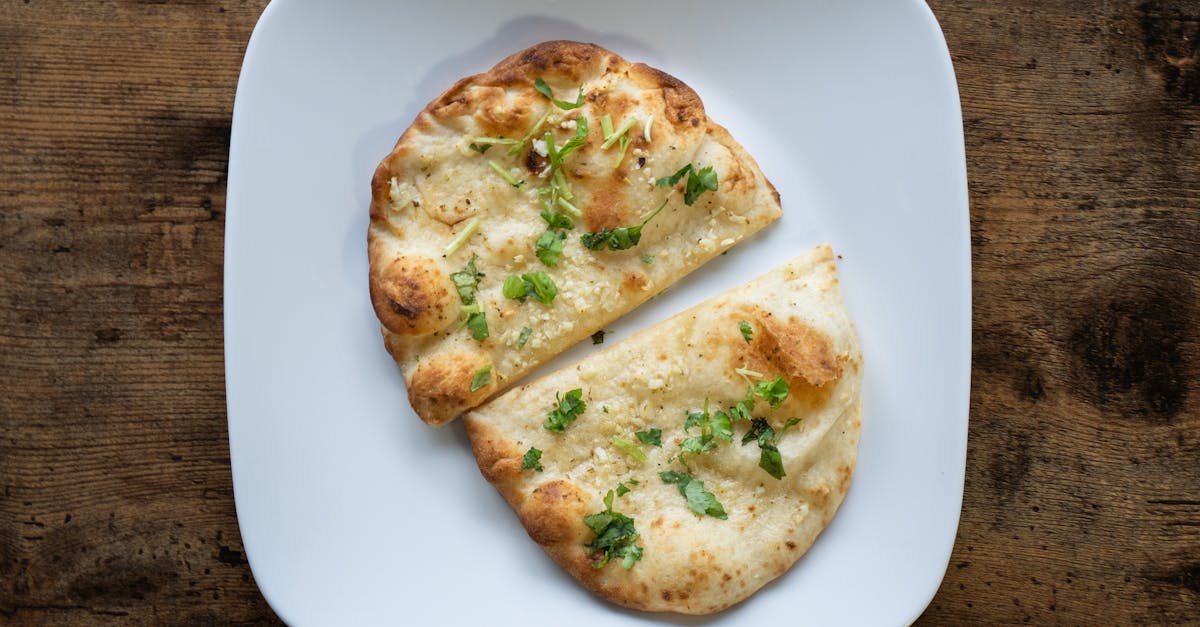
The first time I nailed a real naan bread recipe at home, I heard it: that sharp hiss when dough hits a screaming-hot pan. Within 60 seconds, the surface puffed like a tiny air mattress and freckles of char bloomed fast.
That sound and that smell, hot wheat, butter, a little smoke, feel like a shortcut to your favorite Indian restaurant. In this post, I’ll show you the exact steps I use for soft, chewy, blistered naan on a regular stovetop, plus the fixes I learned after plenty of flat, pale, or tough batches.
Key Takeaways
- This naan bread recipe succeeds on a home stove by using a soft, well-hydrated dough and very high pan heat so the bread puffs before it dries out.
- Preheat a cast iron skillet empty for 8–10 minutes (aim for about 500°F surface temp) and cook each naan fast—about 2 minutes total—for blistered char spots and a tender crumb.
- Use yogurt plus a little fat (oil or ghee) for softer, more flavorful naan that stays tender after cooling compared with leaner flatbreads like pita.
- Mix yeast and baking powder for the best balance of flavor and quick lift, then knead 6–8 minutes and let the dough rise about 60 minutes (longer in cooler kitchens).
- Roll evenly, watch for 3–6 big bubbles before flipping, and brush butter or ghee after cooking (not on the pan) to avoid scorched fat and keep batches consistent.
- Fix common issues by adding a small splash of water for dense dough, extending preheat for pale naan, and shortening cook time on the second side to prevent tough, dry bread.
What Makes Great Naan (And How This Recipe Delivers)
A good naan bends without cracking and tears in long, steamy strands.
High heat + a well-hydrated dough + a short cook create that result, which means you get puffy bread with browned blisters instead of dry flatbread.
I tested this method in a 12-inch cast iron skillet at 500–550°F surface heat (measured with an infrared thermometer), which means the dough inflates fast before it dries out.
“Naan is traditionally baked in a tandoor at very high heat.” That matters because speed cooks moisture in, which means the crumb stays tender.
For context, many home stoves can’t match a tandoor, so I push heat in other ways.
I preheat the pan for 8–10 minutes and I cook each naan in about 2 minutes total, which means the bread browns before it goes stiff.
Naan Vs. Pita And Other Flatbreads
Naan and pita look like cousins, but they behave differently.
Pita uses a leaner dough and aims for a full interior pocket, which means it often bakes in an oven to trap steam.
Naan often includes yogurt and fat, which means it browns faster and stays softer even after cooling.
Here’s a quick comparison.
| Flatbread | Common leavening | Typical texture | Best heat source | What it means for you |
|---|---|---|---|---|
| Naan | Yeast (often with yogurt) | Chewy, tender, blistered | Very hot surface (tandoor/pan) | Soft tear + char spots which means better scoop-and-dip bread |
| Pita | Yeast | Pocket + drier chew | Hot oven/stone | Pocket forms which means great for stuffing |
| Tortilla | None or chemical | Thin, flexible | Medium-hot griddle | Stays pliable which means wrap-friendly |
| Lavash | Yeast or none | Thin, crisp-to-chewy | Oven/griddle | Dries fast which means it turns cracker-like quickly |
Key Texture Targets: Puffy, Blistered, And Tender
I aim for three signals while cooking.
1) Puffy dome within 30–60 seconds, which means the pan is hot enough.
2) Dark blisters and a few char spots, which means sugars and proteins browned fast for flavor.
3) A soft back side that still has color, which means you cooked through without drying out.
If you want a measurable target, I look for a finished internal temp around 190–200°F on thicker pieces, which means the dough has set and won’t taste raw.
(That range aligns with common bread doneness guidance from test-kitchen practice and standard baking temp targets used across many professional references.)
For ingredient safety, I follow USDA food handling basics when dairy sits out.
The USDA Food Safety “Danger Zone” guidance explains 40°F–140°F as the risk range, which means I don’t let mixed dough with yogurt hang out warm for hours longer than needed.
Ingredients You’ll Need (And Smart Substitutions)
Naan tastes simple, but tiny ingredient choices change the chew.
I built this naan bread recipe around ingredients I can find at a normal grocery store, which means you can repeat it without hunting specialty flour.
Here is my base formula for 8 naan (about 6–7 inches each).
Base ingredients (my tested set):
- All-purpose flour: 360 g (about 3 cups) which means a balanced chew without heaviness.
- Fine salt: 8 g (about 1 1/4 tsp) which means the bread tastes like something, not “plain dough.”
- Sugar: 12 g (about 1 tbsp) which means yeast wakes faster and browning improves.
- Instant yeast: 5 g (about 1 1/2 tsp) which means a reliable rise without long waiting.
- Baking powder: 4 g (about 1 tsp) which means extra puff on the pan.
- Plain yogurt (whole milk if possible): 170 g (about 2/3 cup) which means tenderness and slight tang.
- Warm water or milk: 120–150 g (1/2–2/3 cup) which means you control dough softness.
- Neutral oil or melted ghee: 20 g (about 1 1/2 tbsp) which means softer crumb and better browning.
I weigh flour because cups drift.
In my kitchen, a “cup” of flour swings by 20–30 grams depending on how I scoop, which means weight keeps your dough consistent.
Flour Choices And Protein Levels
Flour protein controls chew.
All-purpose flour (10–11.7% protein) gives a flexible chew, which means you get that tear without a tough bite.
Bread flour (12–13% protein) makes a firmer chew, which means it can feel more “bready” and less tender if you over-knead.
I use a 50/50 mix when I want extra pull.
That mix gives me stronger gluten with some tenderness left, which means the naan holds up to heavy curries.
If you want a gluten-free version, you need a different recipe.
Gluten creates the stretch that traps steam, which means a 1:1 swap will not behave the same.
Yogurt, Milk, Or Water: What Changes In The Dough
Yogurt is my default.
Yogurt adds acidity and fat, which means the crumb stays soft and you get gentle tang.
Milk can replace yogurt in a pinch.
Milk adds lactose, which means faster browning and a slightly sweeter aroma.
Water works, but it tastes plainer.
Water keeps the dough lean, which means you must watch overcooking because it dries faster.
If you use Greek yogurt, loosen it.
Greek yogurt runs thick, which means you may need 20–40 g extra water to keep the dough pillowy.
Yeast Vs. Baking Powder (Or Using Both)
I use both.
Yeast builds flavor during the rise, which means the naan tastes “round” instead of flat.
Baking powder adds quick lift on heat, which means you see more puffs and bubbles even with a shorter rise.
If you only use baking powder, you get quick bread.
That approach works, which means you can make naan fast, but the flavor will feel simpler.
If you only use yeast, that works too.
You may need a longer rise, which means better flavor but more planning.
Oil, Ghee, Or Butter: Flavor And Browning
Fat changes aroma and softness.
Ghee gives the most “restaurant” smell, which means your kitchen will smell like toasted milk solids.
Butter tastes great but burns faster.
Butter contains water and milk solids, which means it can scorch in a ripping-hot pan.
Neutral oil stays stable.
Oil has a higher smoke point, which means it helps browning without bitter burnt notes.
I often cook dry, then brush with butter-ghee mix.
That timing protects the fat, which means you get the flavor without the burn.
If you want another fun bread-and-sauce combo for a different night, I’ve also made naan alongside steak with this Peter Luger-style steak sauce recipe which means dinner still feels big even when the side is simple.
Essential Tools And Setup
Naan punishes weak heat.
When the pan runs lukewarm, the dough dries before it puffs, which means you get stiff, pale rounds.
I keep the tool list short.
Tools I actually use:
- 12-inch cast iron skillet which means high stored heat and better blistering.
- Dough scraper which means clean dividing without tearing gluten.
- Digital scale which means repeatable hydration.
- Pastry brush which means fast butter coverage.
- Clean towel or plastic wrap which means the dough surface stays moist.
Optional but helpful:
- Infrared thermometer which means you can verify pan temperature instead of guessing.
Best Pan Options: Cast Iron, Stainless, Or Nonstick
Cast iron is my first pick.
Cast iron holds heat well, which means each naan cooks like the last one instead of getting weaker over time.
Stainless steel can work.
Stainless loses heat faster, which means you must preheat longer and rest between rounds.
Nonstick works, but it limits char.
Most nonstick pans dislike extreme heat, which means you may get color but fewer dark blisters.
If I use nonstick, I accept a lighter naan.
That trade-off saves stress, which means it can still be worth it on a busy night.
How To Create High Heat In A Home Kitchen
I preheat the pan empty.
An empty preheat drives off surface moisture, which means the dough sears instead of steaming.
My method:
- I set the burner to medium-high for 3 minutes, which means the pan warms evenly.
- I raise to high for 5–7 minutes, which means the surface reaches blister heat.
- I test with a drop of water.
The water should dance and vanish fast, which means the pan is ready.
If you own an IR thermometer, aim for 500°F at the center.
That number gives fast puffing, which means less time for moisture loss.
I also stage a cooling rack.
The rack prevents soggy bottoms, which means steam escapes and the crust stays tender, not wet.
Step-By-Step Naan Bread Recipe
The moment you flip the naan and see leopard spots, you’ll stop buying the bagged kind.
This method gives 8 soft naan in about 90 minutes, which means it fits a normal weeknight if you start before you cook the main dish.
Make The Dough
I mix the dry ingredients first.
Dry mixing spreads salt and leaveners evenly, which means you avoid salty bites and uneven rise.
Bowl method (my default):
- I add 360 g flour, 8 g salt, 12 g sugar, 5 g instant yeast, 4 g baking powder to a bowl.
- I whisk for 15 seconds, which means the yeast and baking powder distribute.
- I add 170 g yogurt, 20 g oil or melted ghee, and 120 g warm water.
- I stir until shaggy.
If the dough looks dry, I add water in 10 g splashes.
That small adjustment avoids over-hydration, which means you keep shape control later.
Target feel: soft and slightly tacky.
That texture helps bubbles form, which means you get puffs and blisters.
Knead And First Rise
I knead for 6–8 minutes by hand.
Kneading aligns gluten, which means the dough stretches and traps steam.
I stop when the dough feels smooth and elastic.
A simple test works.
I press a finger into the dough and watch it spring back halfway, which means gluten has strength but still stays relaxed.
I cover and rise for 60 minutes at warm room temp.
I aim for about 75–80°F ambient when possible, which means the yeast works on schedule.
If my kitchen sits at 68°F, I expect 75–90 minutes.
Cooler air slows yeast, which means timing shifts and you should watch size, not the clock.
Divide, Shape, And Rest
I tip the dough onto the counter.
I divide into 8 pieces of about 85–90 g each.
Equal pieces cook evenly, which means you don’t juggle thick raw centers with thin burnt edges.
I shape each into a tight ball.
Surface tension matters, which means each ball rises into a smoother naan.
I rest the balls for 10–15 minutes under a towel.
Rest relaxes gluten, which means rolling feels easy and the dough won’t snap back.
Cook On The Stovetop (Primary Method)
This is where it turns from dough to dinner.
High heat makes steam inside the dough, which means bubbles inflate fast.
My stovetop cook steps:
- I roll one dough ball into an oval about 1/8 inch thick.
- I lay it onto the dry hot pan.
- I cook 45–75 seconds.
I watch for bubbles.
When I see 3–6 big bubbles and light browning, I flip.
That timing catches peak puff, which means the naan stays tender.
- I cook the second side 30–60 seconds.
- I flip once more for 10–20 seconds if I want more char.
I remove to a rack.
A rack lets steam escape, which means the crust stays soft instead of rubbery.
Important warning: Keep your hood fan on.
The pan will smoke a bit, which means you should protect your lungs and your smoke detector.
Finish With Butter Or Ghee And Herbs
I brush hot naan right away.
Heat melts the fat instantly, which means it soaks in and perfumes the bread.
My favorite topping mix:
- 2 tbsp melted ghee or butter
- 1 small garlic clove, microplaned
- 1 tbsp chopped cilantro
- Pinch of salt
Garlic burns if it hits the pan.
I keep it in the butter mix, which means you get garlic flavor without bitter scorch.
If you want a full meal that loves bread on the side, I often pair naan with a bright salad like this CASA salad recipe which means the plate feels fresh next to rich curry.
My first-hand note: I tested butter-on-pan versus butter-after.
Butter-on-pan gave me burned specks by naan #3, which means brushing after is more reliable for batch cooking.
Troubleshooting Common Naan Problems
Bad naan fails fast.
It comes out stiff, pale, and sad, which means dinner feels heavier than it should.
I keep a few diagnostics in my head.
Each fix below comes from batches I actually ruined, which means you can skip the expensive learning curve.
Why Naan Turns Out Dense Or Tough
Dense naan has three common causes.
1) The dough runs too dry.
Dry dough cannot expand well, which means you lose puff and tenderness.
Fix: add 10–20 g water during mixing.
That small bump raises hydration, which means steam can form and lift the bread.
2) You overcook it.
Long cook times drive off moisture, which means the crumb turns tough.
Fix: shorten the second side to 30–45 seconds.
3) The dough does not rest.
Tight gluten resists stretching, which means you roll thick and get dense centers.
Fix: rest 15 minutes after dividing.
How To Get Better Bubbles And Char Spots
Bubbles come from heat and slack dough.
If your pan is not hot enough, bubbles stay small, which means the surface stays flat.
Fix: preheat longer.
I aim for 500°F pan surface.
That temperature sears fast, which means bubbles inflate before the crust sets.
Char spots need contact.
If flour dust sits between dough and pan, it blocks browning, which means you get pale patches.
Fix: brush off excess bench flour.
Also, don’t oil the pan.
Oil fries the surface, which means you get even browning but fewer blisters.
Sticky Dough, Dry Dough, And Timing Fixes
Sticky dough scares people.
A slightly sticky dough is good, which means you keep naan soft.
If it is too sticky to lift:
- I oil my hands instead of adding flour, which means I avoid drying the dough.
- I use a dough scraper, which means I keep gluten intact.
If the dough feels tight and dry:
- I add 1 tsp water at a time and knead it in.
That slow add prevents soup, which means you keep control.
If the dough rises too slowly:
- I move it to a warmer spot near the stove.
Warmer air speeds yeast, which means you stay on schedule.
If it rises too fast and gets airy:
- I punch it down and shorten the rest.
That resets gas pockets, which means shaping stays easier.
Food safety note: I do not keep dairy dough in a hot spot for hours.
Warmth helps yeast but also helps bacteria, which means I follow the USDA danger zone guidance linked earlier.
Cooking Methods And Variations
The fun part starts when you stop making “plain naan.”
One spice shake or one cooking method shift changes the whole meal, which means you can repeat this naan bread recipe without boredom.
Oven Or Broiler Method
The oven method gives decent bubbles.
It also frees a burner, which means you can simmer curry while bread cooks.
My oven approach:
- I place a pizza stone or steel on the top third rack.
- I preheat to 550°F (or max) for 45 minutes.
- I bake naan 2–3 minutes, then broil 20–40 seconds.
The stone stores heat, which means the bottom puffs.
The broiler chars the top, which means you get the spotted look.
Grill Method For Smokier Flavor
Grilling changes the aroma fast.
Open flame adds light smoke, which means the bread tastes more “outdoor” and less pan-toasted.
My grill steps:
- I heat a gas grill to 500–600°F.
- I place naan directly on grates for 45–60 seconds per side.
Direct heat chars edges, which means you get dramatic blistering.
Watch it closely.
A grill can burn naan in 15 seconds if you look away, which means you should cook one at a time.
Garlic Naan, Butter Naan, And Nigella Seed Naan
Garlic naan: I add garlic after cooking.
That keeps garlic sweet, which means no bitter bite.
Butter naan: I brush with 1 tbsp butter per 2 naan.
That amount coats without soaking, which means the bread stays soft but not greasy.
Nigella seed naan: I press 1 tsp seeds onto the rolled dough before cooking.
Seeds toast on the pan, which means you get a peppery crunch.
If you want a sweet finish after a curry night, I sometimes follow naan with a simple fried treat like this zeppole recipe which means dessert still feels special without fancy tools.
Stuffed Naan Options (Cheese, Potato, Or Paneer-Style Fillings)
Stuffed naan feels like a cheat code.
It turns bread into the main item, which means you can serve fewer sides.
Stuffing rules I follow:
- I keep filling to 30–35 g per naan, which means the seam stays closed.
- I use dry fillings.
Wet fillings leak steam and tear dough, which means you lose puff and get blowouts.
Cheese stuffed: low-moisture mozzarella + pinch of salt.
Low moisture melts without flooding, which means the naan seals.
Potato stuffed: mashed potato + cumin + chopped green onion.
The starch thickens, which means it stays put.
Paneer-style: crumbled paneer + garam masala + cilantro.
Paneer holds shape when heated, which means you get bites instead of soup.
Cooking change: lower heat slightly.
Stuffed naan needs more time, which means I drop the burner from high to medium-high for the second side.
Make-Ahead, Storage, And Reheating
Fresh naan disappears fast.
But real life happens, which means you need storage that does not turn it into cardboard.
Overnight Dough And Scheduling Tips
Cold fermentation improves flavor.
Time in the fridge lets yeast work slowly, which means you get deeper wheat flavor and better browning.
My schedule:
- I mix dough at 9:00 pm.
- I let it start rising for 20 minutes.
- I cover and refrigerate 8–16 hours.
Next day, I bring it to room temp for 60 minutes.
That warm-up relaxes gluten, which means rolling feels easy.
How To Keep Naan Soft After Cooking
Air dries naan.
Dry air steals moisture, which means texture turns leathery.
My method:
- I stack naan in a towel-lined bowl.
- I cover the top.
The towel traps steam without making it wet, which means it stays soft for about 45 minutes.
If you hold it longer, expect some firming.
That is normal starch retrogradation, which means reheating matters.
Freezing And Best Reheat Methods
Freezing works well.
It locks in moisture, which means you can batch cook.
I cool naan fully, then freeze with parchment between pieces.
Separation prevents sticking, which means you can pull one at a time.
Best reheat methods (ranked by results):
- Skillet reheat: 30–45 seconds per side.
Direct heat re-crisps spots, which means it tastes closest to fresh.
- Toaster oven: 350°F for 3–5 minutes.
Dry heat revives structure, which means it avoids sogginess.
- Microwave (last resort): 15–25 seconds with a damp paper towel.
Steam softens fast, which means it saves dinner, but it can turn chewy if you overdo it.
If you like prepping sides too, I often freeze bread alongside pickles.
A crisp pickle cuts rich curry, which means your bite feels balanced, and this Blue Ribbon pickle recipe fits that role well.
Serving Ideas And What To Pair With Naan
Naan turns sauce into comfort.
It gives your hands something warm to tear and dip, which means the meal feels more human than eating from a bowl with a spoon.
Best Dips, Curries, And Saucy Dishes
Naan loves thick sauces.
Thick sauce clings, which means each scoop tastes complete.
My best pairings:
- Butter chicken or chicken tikka masala which means the naan catches every creamy swipe.
- Chana masala which means the bread balances spice with soft chew.
- Dal makhani which means you get a rich lentil bite without needing rice.
- Saag/palak which means the naan adds texture to silky greens.
If you need a quick dip, do this:
- Mix 1/2 cup Greek yogurt + 1 tbsp lemon + 1/2 tsp salt + grated cucumber.
That makes an instant raita-style dip, which means spice feels calmer.
For a hard number: I portion 2 naan per adult when naan is the main starch.
That count prevents running short, which means you avoid the “one piece left” argument.
Using Leftover Naan For Wraps, Pizzas, And Croutons
Leftover naan turns into lunch.
It saves time, which means you spend less on takeout.
Wraps: I warm naan 20 seconds, then fill with chicken, lettuce, and yogurt sauce.
Warmth makes it bend, which means it won’t crack.
Naan pizza: I bake at 450°F for 8–10 minutes with sauce and cheese.
High heat crisps edges, which means it eats like thin-crust.
Croutons: I cube naan and toast at 375°F for 10–12 minutes.
Drying makes crunch, which means you get salad texture from leftovers.
I also use leftover naan as a base for “snack boards.”
A sweet spread works here too, which means you can bridge dinner to dessert, and I have used whipped cream from this Baileys Irish cream whipped cream recipe for a quick dip with fruit.
Conclusion
When naan turns out right, it changes the whole table.
You stop eating “a side” and start tearing off hot pieces on instinct, which means the meal feels shared.
I rely on three rules.
Use a soft dough, use real high heat, and cook fast, which means you get puff, char, and tenderness without special equipment.
If your first batch comes out pale, raise the preheat time.
If your first batch comes out tough, shorten the cook.
Those two adjustments fix most problems, which means you can get restaurant-style naan in your own kitchen with a normal stove and one pan.
Frequently Asked Questions About Naan Bread Recipe
How do I make a soft, chewy naan bread recipe on a regular stovetop?
For a soft, chewy naan bread recipe, use a well-hydrated dough with yogurt and a little fat, then cook fast on a very hot, dry pan. Preheat a cast iron skillet 8–10 minutes and cook each naan about 2 minutes total so it puffs before drying out.
What pan temperature is best for this naan bread recipe to get bubbles and char spots?
Aim for a screaming-hot surface—about 500–550°F if you have an infrared thermometer. You want a puffy dome within 30–60 seconds, plus dark blisters and a few char spots. If bubbles stay small or the naan looks pale, preheat longer and keep the pan dry.
Why did my naan turn out dense or tough, and how can I fix it?
Dense or tough naan usually comes from dough that’s too dry, overcooking, or skipping the post-divide rest. Add water in small 10–20 g adjustments during mixing, shorten the second-side cook to roughly 30–45 seconds, and rest dough balls 10–15 minutes so gluten relaxes.
Can I substitute yogurt with milk or water in a naan bread recipe?
Yes. Yogurt gives tenderness and a slight tang, while milk browns faster due to lactose and tastes a bit sweeter. Water works but makes a leaner dough that dries out sooner, so watch cook time closely. If using thick Greek yogurt, add extra water to keep dough pillowy.
What’s the difference between naan and pita, and why do they cook differently?
Naan typically includes yogurt and fat, so it browns quickly and stays softer after cooling. Pita is usually a leaner yeast dough designed to form a full interior pocket, often in a hot oven or on a stone. Naan is best with intense surface heat for blistering and tenderness.
Can I make a naan bread recipe without yeast, and will it taste the same?
You can make quick naan using only baking powder, and it will still puff on a hot pan. However, yeast adds flavor during the rise, giving a more “round,” restaurant-style taste and better chew. If you skip yeast, expect a simpler flavor and plan to eat it freshest.
