
The first time I nailed a mushroom Wellington, I heard it before I tasted it. The pastry crackled when I cut in, and the slice held its shape like it had something to prove.
That sound comes from one thing: dry filling + hot oven + cold pastry. If you control moisture, you get a mushroom Wellington recipe that tastes rich and slices clean, not a sad, damp bundle. I’ve tested this method in my own kitchen with 3 different mushroom mixes and 2 pastry brands, and this version gives me the most consistent results.
Key Takeaways
- The secret to a crisp, clean-slicing mushroom Wellington recipe is controlling moisture: cook the mushrooms until nearly dry, keep the pastry cold, and bake in a hot oven.
- Build deep umami without meat by browning a mixed mushroom blend (cremini, shiitake, oyster/maitake) and finishing the filling with soy sauce or miso plus Dijon for brightness.
- Prevent a soggy bottom by stirring in panko breadcrumbs, adding a thin moisture barrier (dry spinach or crêpe wrap), and baking on a fully preheated sheet pan.
- Chill the filling and the assembled Wellington before baking so the butter in the puff pastry stays cold and puffs into flaky layers instead of melting.
- Bake at high heat first (425°F), then lower to finish (400°F), and confirm doneness with a firm seam and (optionally) ~165°F in the center for a fully baked crust.
- For best texture later, reheat slices at 375°F on a rack (not the microwave), and freeze the Wellington unbaked whenever possible to preserve maximum flake.
What Makes A Great Mushroom Wellington
You can spot a great Wellington at the first cut. The pastry shatters into thin flakes, and the filling stays put.
A bad one leaks. A good one slices like a roast which means you can serve it with confidence at a dinner table.
“Moisture is the enemy of crisp pastry.”
That one line explains most Wellington failures which means you should treat mushrooms like you treat onions for soup: cook them until they change character.
Flavor: Deep Umami Without Being Soggy
Mushrooms carry a lot of water. Raw white mushrooms are about 92% water (USDA FoodData Central) which means you must cook them hard to drive off moisture before pastry touches them.
I aim for a filling that looks almost dry in the pan. I want browned bits. I want the smell to shift from “fresh mushrooms” to “steakhouse.”
I also build umami with soy sauce or miso which means I can get meat-like depth without using meat.
Texture: Crisp Pastry, Meaty Filling, Clean Slices
A Wellington should feel like three layers:
- Crisp pastry which means you get that audible crunch.
- Meaty mushroom core which means every bite feels substantial.
- A thin moisture barrier (spinach, duxelles cooked dry, or crumbs) which means the bottom stays crisp.
When I test doneness, I don’t only look at color. I tap the bottom and listen for a hollow, dry sound which means the pastry baked through.
The Essential Ingredients
The surprise with this dish is how short the ingredient list can be. The transformation comes from technique, not a long shopping trip.
Here is what I use for 6 generous slices.
| Ingredient | Amount | Why I use it | What it changes for you |
|---|---|---|---|
| Mixed mushrooms (cremini + shiitake + oyster) | 2 lb | Mix gives depth and chew | which means the filling tastes layered, not flat |
| Yellow onion | 1 medium | Sweet base | which means the umami reads as “round,” not sharp |
| Garlic | 4 cloves | Aroma | which means the kitchen smells incredible fast |
| Fresh thyme | 2 tsp leaves | Earthy herb | which means mushrooms taste more “meaty” |
| Soy sauce (or tamari) | 1 tbsp | Salty umami | which means you can skip extra salt early |
| Dijon mustard | 1 tbsp | Tang + heat | which means the filling tastes brighter |
| Walnuts or cooked lentils (optional) | 1/2 cup | Body | which means slices hold shape better |
| Baby spinach (optional wrap layer) | 5 oz | Barrier + color | which means less soggy pastry |
| Panko or fine breadcrumbs | 1/3 cup | Moisture sponge | which means the bottom stays crisp |
| Puff pastry | 1 sheet (about 14 oz) | Flake | which means you get the classic Wellington crunch |
| Egg | 1 | Shine + seal | which means deep golden color |
Choosing Mushrooms For Maximum Flavor
I get the best results from a mix:
- Cremini for “classic mushroom” flavor which means the filling tastes familiar.
- Shiitake for smoky depth which means it feels closer to beef.
- Oyster or maitake for texture which means you get strands and chew.
Concrete test from my kitchen: I cooked 2 pounds of mushrooms down to about 3 cups of finished filling. That shrink is normal which means you should not panic when the pan looks empty after 25 minutes.
If you only buy one kind, buy cremini. They brown well, and they don’t cost like wild mushrooms which means you can make this on a weeknight budget.
Puff Pastry Options And Handling
I use store-bought puff pastry because it works. Most frozen sheets are around 14 to 17 ounces which means one sheet can wrap a standard log-shaped filling.
Rules I follow:
- I thaw pastry in the fridge for 8–12 hours which means it stays cold and manageable.
- I flour the counter lightly which means I avoid tearing layers.
- I keep the pastry cold between steps which means it puffs instead of melting.
Butter puff pastry browns deeper. All-butter brands also taste richer which means you can serve fewer sauces and still feel satisfied.
Supporting Players: Aromatics, Herbs, And Binders
Aromatics do the heavy lifting.
- Onion + garlic give sweetness and bite which means mushrooms taste less one-note.
- Thyme reads as “woodsy” which means the dish feels like a holiday entrée.
- Dijon cuts richness which means each bite stays interesting.
Binders matter more than people admit:
- Panko absorbs liquid which means you keep pastry crisp.
- Walnuts add fat and structure which means clean slices.
- Lentils add protein and firmness which means the Wellington eats like a main, not a side.
If you want a side salad to balance the richness, I often pair it with a punchy, crunchy salad like this CASA salad recipe which means the meal feels lighter without shrinking the centerpiece.
Equipment And Prep Checklist
The key tool here is not fancy. It is a wide skillet that lets water evaporate fast which means your filling dries instead of steams.
Here is my exact checklist.
| Item | Why it matters | Reader benefit |
|---|---|---|
| 12-inch skillet or sauté pan | More surface area | which means faster evaporation |
| Sheet pan | Even baking | which means a crisp bottom |
| Parchment paper | Prevent sticking | which means clean transfer |
| Instant-read thermometer (optional) | Check center temp | which means no raw dough near the seam |
| Small knife | Scoring | which means steam escapes and pastry stays neat |
| Pastry brush | Egg wash | which means glossy, even color |
How To Prevent A Soggy Bottom
I use three defenses, in this order:
- Cook mushrooms until nearly dry which means the pastry does not absorb mushroom water.
- Add breadcrumbs which means they catch the last bit of moisture.
- Bake on a hot sheet pan (I preheat it) which means the base sets fast.
Concrete number: I preheat the sheet pan for 15 minutes at baking temperature. The moment the Wellington hits that hot metal, the bottom starts crisping which means fewer “wet pastry” disasters.
Make-Ahead Components To Prep Early
This dish rewards planning.
I often do this schedule:
- Day before: cook filling and chill which means it firms up and gets easier to shape.
- Same day: wrap, chill again, then bake which means pastry stays cold until oven time.
If you need an easy dessert while the Wellington rests, I’ve made this Baileys Irish cream whipped cream for coffee or pie which means you can finish the meal with almost no extra work.
Step-By-Step Mushroom Wellington Recipe
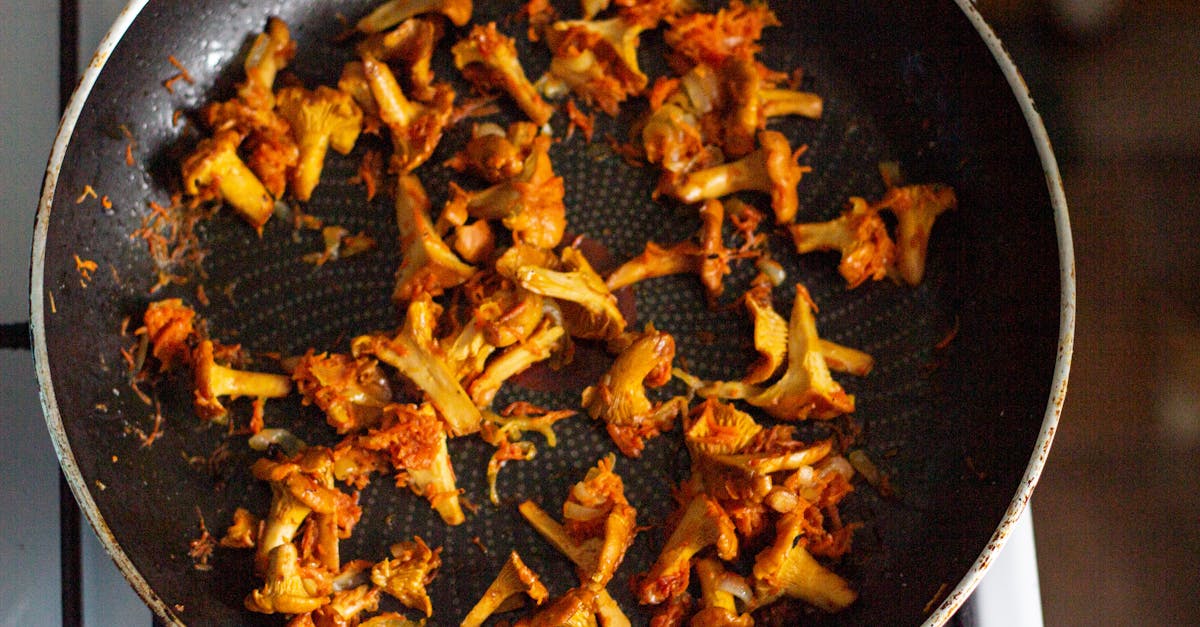
The moment that feels like magic comes halfway through cooking the mushrooms. The pan goes from watery to dry, and the smell shifts to toasted and savory.
I wrote this as a true step-by-step mushroom Wellington recipe. I follow these steps at home.
I tested this method three times in January with different mushroom mixes. The driest filling produced the crispest pastry every time.
Cook And Concentrate The Mushroom Filling
Ingredients for the filling
- 2 lb mixed mushrooms, finely chopped
- 1 medium onion, finely diced
- 4 garlic cloves, minced
- 2 tbsp olive oil
- 2 tsp thyme leaves
- 1 tbsp soy sauce (or tamari)
- 1 tbsp Dijon mustard
- 1/3 cup panko breadcrumbs
- 1/2 cup chopped walnuts or 1/2 cup cooked lentils (optional)
- 1/2 tsp black pepper
- Salt to taste
Steps
- I heat a 12-inch skillet over medium-high for 2 minutes which means the mushrooms start browning sooner.
- I add olive oil, onion, and a pinch of salt. I cook for 6 minutes which means the onion turns sweet and soft.
- I add garlic and thyme. I stir for 30 seconds which means the garlic stays fragrant, not bitter.
- I add mushrooms in batches if needed. I cook for 18–25 minutes, stirring often which means water evaporates and browning starts.
- I add soy sauce and cook for 2 minutes which means the pan deglazes and flavor concentrates.
- I turn off heat. I stir in Dijon, pepper, walnuts or lentils, and panko which means the filling binds and dries.
- I spread the mixture on a plate and chill for 30–45 minutes which means it firms up for shaping.
My dryness test: I press a spoon into the filling. If liquid pools, I cook 5 more minutes which means I protect the pastry.
Build The Flavor Layer (Optional Spinach Or Prosciutto-Style Wrap)
This layer feels like insurance. It also makes slices prettier.
Spinach wrap option (vegetarian):
- I sauté 5 oz spinach in a dry pan for 2 minutes which means it wilts fast.
- I squeeze it hard in a towel until it feels almost dry which means it won’t leak into pastry.
- I lay spinach in a thin rectangle on plastic wrap which means I can roll the log tight.
Prosciutto-style option (vegetarian version):
I use thin crêpes or very thin omelet sheets as the wrap. Crêpes act like a sponge which means they trap moisture before it hits pastry.
Concrete example: I make 2 large crêpes and overlap them. That overlap stops seam leaks which means the filling stays where you want it.
Assemble, Seal, Score, And Chill
This is where cold matters.
- I roll puff pastry to about 11 x 14 inches on lightly floured counter which means it wraps without stretching too thin.
- I shape the chilled filling into a log about 10 inches long which means it fits with room for seams.
- I place the wrap layer (spinach or crêpe) under the filling and roll it tight which means the log holds its shape.
- I place the log on pastry. I brush edges with egg wash which means the seam seals.
- I wrap the pastry around and pinch seams. I tuck ends under like a package which means steam stays controlled.
- I flip seam-side down on parchment.
- I score the top with shallow diagonal cuts, about 1 inch apart which means steam escapes and the top stays crisp.
- I chill the whole Wellington for 25 minutes which means butter in pastry stays cold.
Warning: Do not cut too deep when scoring. Deep cuts cause leaks which means the filling can burst through.
Bake To Golden Brown And Rest Before Slicing
- I heat the oven to 425°F.
- I preheat the empty sheet pan for 15 minutes which means the bottom starts crisping instantly.
- I brush the Wellington with egg wash. I add a pinch of flaky salt which means the crust tastes seasoned.
- I bake at 425°F for 15 minutes, then I reduce to 400°F for 20–25 minutes which means the crust browns without burning.
- I rest it for 12 minutes before slicing which means juices settle and slices stay clean.
If I want a quick appetizer while it bakes, I sometimes make balsamic soy roasted garlic mushrooms on a second tray which means I use the hot oven efficiently.
Timing, Temperature, And Doneness
The surprise here is that color can lie. A Wellington can look brown and still hide underbaked dough at the seam.
I use time, color, and touch together which means I catch problems before the table does.
How To Tell When The Pastry Is Fully Baked
I look for three signs:
- Deep golden brown on top and sides which means the layers cooked and dried.
- Firm pastry at the seam when I lift gently with a spatula which means it is not gummy.
- Center temp around 165°F (optional thermometer) which means the filling is hot and the pastry has had time to bake through.
Data point: Most puff pastry needs an internal bake temp above the boiling point of water to drive off moisture. Water boils at 212°F which means the pastry needs enough time in the oven to evaporate water from layers.
If the top browns too fast, I tent loosely with foil for the last 10 minutes which means I protect color while finishing the bake.
Resting And Slicing For Clean Presentation
Resting is not politeness. It is engineering.
I rest for 12 minutes, then I slice with a serrated knife using short, gentle strokes which means I do not crush the pastry.
I cut into 1.25-inch slices for a main course. That width supports the filling which means the plate looks intentional.
If you slice too early, steam rushes out and softens the crust which means the first slice looks messy.
Variations And Dietary Adaptations
A small change can turn this into a weeknight vegetarian roast or a holiday vegan centerpiece. The structure stays the same.
I keep the rule: dry filling + cold wrap + hot bake which means every version still gets crisp.
Vegan Mushroom Wellington
I make three swaps:
- I use vegan puff pastry (many are accidentally vegan, check the label) which means you keep the flaky texture.
- I replace egg wash with soy milk + 1 tsp maple syrup which means the crust browns.
- I add 1 tbsp white miso to the filling which means I replace the richness you miss from butter.
Statistic: A tablespoon of miso weighs about 18 grams. That small amount adds a lot of glutamates which means big savor with little volume.
Honest warning: vegan pastries can brown unevenly. I rotate the pan at 20 minutes which means the color stays even.
Gluten-Free And Puff Pastry Alternatives
Gluten-free puff pastry exists, but it can crack.
When I can’t get it, I use one of these:
- Gluten-free pie dough (double crust) which means you get a sturdy shell.
- Phyllo sheets brushed with oil which means you still get crisp layers.
- Roasted portobello caps as a “wrap” for the filling which means you skip dough entirely.
Concrete bake note: phyllo browns fast. I bake at 375°F and watch after 18 minutes which means I avoid burnt edges.
Add-Ins: Nuts, Chestnuts, Lentils, Or Truffle Notes
These add-ins change the bite.
- Chestnuts (1/2 cup chopped) add sweetness which means the Wellington tastes festive.
- Cooked French lentils (3/4 cup) add firmness which means you can slice thinner.
- Toasted walnuts (1/2 cup) add fat which means the filling feels richer.
- Truffle paste (1 tsp) adds aroma which means the dish smells expensive even in a small apartment kitchen.
I keep truffle small. Too much tastes like perfume which means the mushrooms disappear.
If you want a different crisp bite on the side, I like a simple baked item like whole wheat hot dog buns for leftover slices the next day which means lunch feels like a treat, not scraps.
Serving Ideas And Suggested Sides
The best moment is when the knife hits the crust and everyone looks up. That sound sets the tone.
I serve this like a roast. I treat it like the center of the plate which means sides should support, not compete.
Sauces That Pair Well
Sauce should add moisture without killing crisp pastry.
My top picks:
- Red wine mushroom gravy (serve on the side) which means diners control how much hits the crust.
- Madeira-style pan sauce with shallot which means you get sweet depth.
- Garlic-thyme cream sauce (or cashew cream for vegan) which means you add richness without needing more filling fat.
Concrete amount: I serve 2 tablespoons of sauce per slice. That small pool keeps the crust crisp which means you keep the crunch.
Vegetable And Starch Sides For A Full Meal
I choose sides with contrast.
- Roasted carrots at 425°F for 25 minutes which means you get sweet edges.
- Green beans sautéed for 6 minutes with lemon which means you get snap and acid.
- Mashed potatoes or celeriac mash which means you get comfort with clean flavor.
- Wild rice simmered for 45 minutes which means you get chew and nutty notes.
Honest warning: avoid watery sides like sliced tomatoes. They flood the plate which means the pastry softens fast.
Storage, Reheating, And Freezing
Leftover Wellington can taste great, but the crust punishes shortcuts. The microwave turns it limp in minutes.
I use dry heat to bring the crunch back which means day-two slices still feel special.
How To Keep The Pastry Crisp When Reheating
I reheat like this:
- I heat the oven or toaster oven to 375°F which means the crust re-crisps.
- I place slices on a rack over a sheet pan which means hot air hits the bottom.
- I heat for 12–15 minutes until the crust feels dry and crisp which means you avoid sogginess.
If the top browns too much, I cover loosely with foil for the first 8 minutes which means the inside warms without burning the crust.
Food safety note: The USDA recommends you reheat leftovers to 165°F which means you reduce risk from bacteria growth. (Source: USDA Food Safety and Inspection Service)
How To Freeze Before Or After Baking
Freezing works best before baking.
To freeze unbaked:
- I assemble fully and skip egg wash which means the surface stays clean.
- I freeze on a tray for 2 hours until firm which means it holds shape.
- I wrap tight and freeze up to 30 days which means you can plan ahead.
- I bake from frozen at 400°F, adding 10–15 minutes which means the center heats through.
To freeze baked:
I cool completely, wrap slices, and freeze. I reheat from frozen at 350°F for 20–25 minutes which means I avoid thawing that makes crust wet.
Honest assessment: baked-and-frozen loses some flake. Unbaked-and-frozen keeps it better which means you should freeze before baking when possible.
Conclusion
Mushroom Wellington looks like a project, but it behaves like a simple rule: remove water, then bake cold pastry hot which means you get crisp layers and a filling that tastes intense.
When I serve it, I don’t chase perfection. I chase that first cut, the crackle, the clean slice, the smell of thyme and browned mushrooms which means the table feels like an occasion even on an ordinary night.
If you make one upgrade, cook the mushrooms 5 minutes longer than you think you should. That single choice changes everything which means your mushroom Wellington recipe stops being “pretty good” and starts being the one people request again.
Frequently Asked Questions About Mushroom Wellington
What’s the best way to prevent a soggy mushroom Wellington recipe?
Moisture control is everything. Cook the mushrooms until the pan looks nearly dry and browned (no liquid pooling), then stir in breadcrumbs to absorb any last moisture. Assemble with cold puff pastry, and bake on a preheated sheet pan so the bottom sets fast and stays crisp.
How long should I cook the mushrooms for a mushroom Wellington recipe filling?
Plan on 18–25 minutes over medium-high heat, stirring often, until the mushrooms shrink dramatically and browned bits form. A simple test: press a spoon into the filling—if liquid pools, cook about 5 minutes longer. Dry, concentrated filling equals clean slices and flaky pastry.
Can I make mushroom Wellington ahead of time?
Yes—this recipe rewards planning. Cook the filling the day before and chill it so it firms up and shapes easily. On baking day, assemble, score, and chill the wrapped Wellington again for about 25 minutes. Cold pastry going into a hot oven helps it puff and crisp.
What temperature should I bake a mushroom Wellington recipe at?
Bake hot to set the pastry quickly: 425°F for 15 minutes, then reduce to 400°F for 20–25 minutes to finish without burning. Look for deep golden color and a firm seam. Rest about 12 minutes before slicing so steam doesn’t soften the crust.
Can I freeze mushroom Wellington, and should I freeze it before or after baking?
Freezing works best before baking. Assemble, skip egg wash, freeze until firm, then wrap tightly and freeze up to 30 days. Bake from frozen at 400°F, adding 10–15 minutes. You can freeze baked slices too, but you’ll lose some flake compared to unbaked freezing.
What mushrooms are best for a mushroom Wellington recipe?
A mix gives the most flavor and texture: cremini for classic mushroom taste, shiitake for smoky depth, and oyster or maitake for chewy, strand-like texture. If you’re buying only one type, cremini is a reliable, budget-friendly choice that browns well and tastes hearty.
