
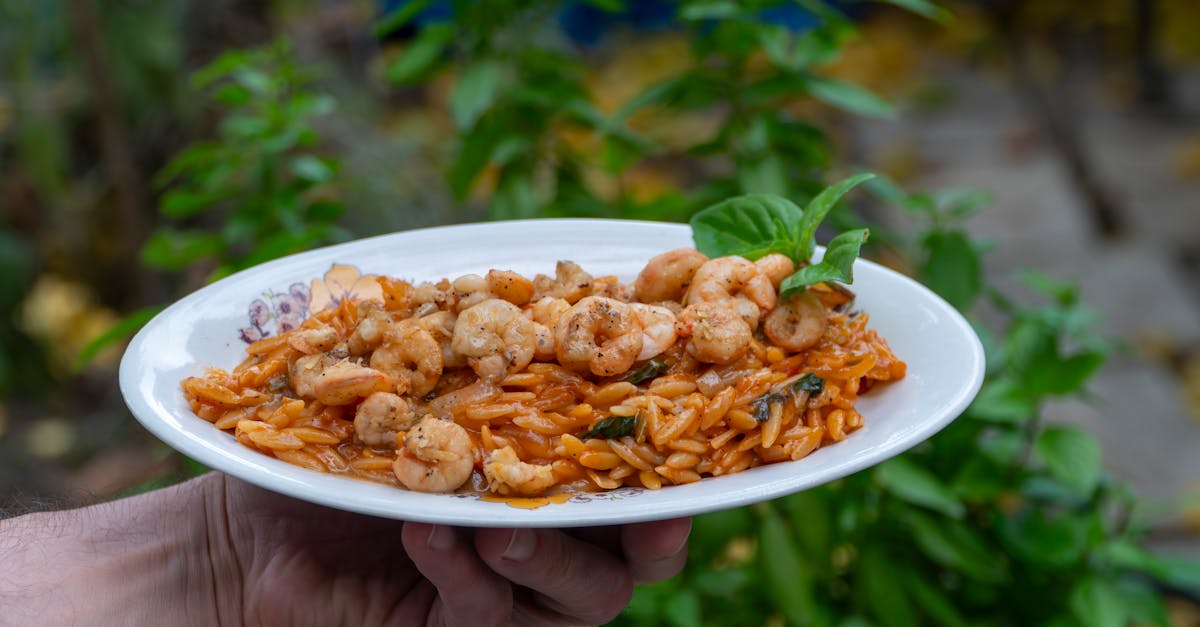
The first time I nailed this mushroom orzo recipe, I heard it before I tasted it. The pan gave off a sharp sizzle as the mushrooms hit hot oil, then the smell changed, fast, from “raw mushrooms” to something like toasted nuts and soy sauce.
That change matters, because it’s the difference between fine and restaurant-level creamy mushroom orzo you can make on a Tuesday. I’ll show you exactly what I do, why I do it, and how to fix the two things that usually go wrong: watery mushrooms and gluey orzo.
Key Takeaways
- For the best mushroom orzo recipe flavor, brown the mushrooms in a single layer in a hot, wide skillet so they caramelize instead of steaming.
- Toast the orzo for 60–90 seconds before adding broth to build a nutty base and prevent a bland, “thrown together” taste.
- Simmer with warm broth and stir only every 60–90 seconds, then stop at al dente to avoid gluey orzo and keep the sauce silky.
- Turn off the heat before stirring in finely grated Parmesan, then finish with lemon zest and juice to keep the creamy sauce smooth, bright, and balanced.
- Control texture by adding broth in small splashes as needed, and fix dry leftovers by reheating with 2–4 tablespoons of liquid per serving.
- Customize this creamy mushroom orzo with one green and one protein (like spinach plus chicken or white beans) so add-ins boost the meal without burying the mushroom flavor.
Why You’ll Love This Mushroom Orzo
You get big savory flavor from basic ingredients, which means you can cook it from pantry staples without it tasting “pantry.”
You get creamy texture without heavy work, which means you stir a few times and let the starch do the job.
You can make it in about 30 minutes, which means it fits a real weeknight schedule (including dish time).
Here’s what I notice when I test this recipe side-by-side with a standard “throw everything in” method.
| Choice I make | What happens in the pan | Which means… |
|---|---|---|
| I brown mushrooms in a single layer | They caramelize instead of steaming | Deeper, meatier taste without meat |
| I toast the orzo for 60–90 seconds | The pasta smells nutty | More flavor even before broth goes in |
| I finish with lemon + cheese | The sauce tastes brighter and fuller | Less blandness and less need for extra salt |
“Browning is the key flavor step.” That’s the moment the dish stops tasting like mushrooms-in-cream and starts tasting like mushroom risotto’s easier cousin.
For a quick drink pairing that cuts the richness, I often make a citrusy refresher like this mint-limeade, which means the meal feels lighter even when the orzo is creamy.
What To Know Before You Start
This dish rewards a hot pan and a little patience, which means your first 8 minutes matter more than your last 8.
I also set out my broth, cheese, and lemon before I turn on the stove, which means I don’t overcook the orzo while I rummage.
Choosing Mushrooms And Flavor Builders
I use cremini most often, which means I get good flavor at a good price.
When I want a stronger, woodsy taste, I mix in shiitake (remove tough stems), which means the sauce tastes more “steakhouse.”
If I splurge, I add oyster mushrooms, which means I get frilly edges that brown fast and look dramatic.
A key number: mushrooms are about 90% water (USDA FoodData Central), which means crowded mushrooms will steam instead of brown. Source: USDA FoodData Central.
My core flavor builders stay the same.
- Onion or shallot, which means sweetness and body
- Garlic, which means sharper aroma
- Thyme (fresh or dried), which means the dish tastes “built,” not random
- Broth (chicken or veggie), which means the sauce tastes savory before the cheese
Orzo Basics: How It Cooks And Why It Works
Orzo is pasta shaped like rice, which means it releases starch quickly and thickens a pan sauce with minimal effort.
Most boxed orzo cooks in 8–10 minutes when boiled, which means in a skillet it usually finishes in the same window once simmering starts.
I treat orzo like “lazy risotto,” which means I use warm broth and stir enough to keep it silky, not enough to make it fussy.
Warning: orzo can go from tender to bloated in about 2 minutes, which means I taste early and stop heat as soon as it’s just al dente.
Ingredients And Substitutions
I built this mushroom orzo recipe around ingredients you can swap without breaking the texture, which means you can adjust for diet, budget, or what’s in your fridge.
Here’s my standard list for 4 servings.
| Ingredient | Amount | Notes | Which means… |
|---|---|---|---|
| Cremini mushrooms | 12 oz | Slice 1/4 inch | Brown edges = bigger flavor |
| Olive oil | 2 tbsp | Add more if pan looks dry | Better browning = less steaming |
| Butter (optional) | 1 tbsp | Add after browning | Butter solids = toasty aroma |
| Shallot or onion | 1 medium | Fine dice | Even pieces = even sweetness |
| Garlic | 3 cloves | Mince | Fresh bite = less flat sauce |
| Orzo | 1 cup (about 7 oz) | Dry | Starch = natural creaminess |
| Broth | 3 to 3 1/2 cups | Warm if possible | Warm liquid = faster simmer |
| Parmesan | 3/4 cup | Finely grate | Fine grate melts = smooth sauce |
| Lemon | 1/2 to 1 | Zest + juice | Acid = brighter finish |
| Black pepper | 1/2 tsp | More to taste | Pepper = clean heat |
| Salt | to taste | Depends on broth | Proper salt = full flavor |
Dairy And Creamy Options
I usually skip heavy cream, which means I let orzo starch and Parmesan do the thickening.
If you want extra richness, add 1/4 cup heavy cream at the end, which means the sauce stays creamy even after reheating.
If you want a lighter option, add 2–3 tbsp Greek yogurt off heat, which means you get tang with less fat (but whisk fast to avoid curdling).
If you need lactose-free, use lactose-free milk + a lactose-free hard cheese, which means you keep the creamy feel without the stomach ache.
Add-Ins: Greens, Protein, And Crunch
I add greens in the last 2 minutes.
- Baby spinach (2 big handfuls), which means the dish turns into a full bowl meal fast.
- Kale (2 cups chopped), which means you get chew and it holds up for leftovers.
For protein, I pick one.
- Rotisserie chicken (1 1/2 cups), which means dinner becomes high-protein with no extra cooking.
- White beans (1 can, drained), which means the dish becomes hearty and vegetarian.
- Seared salmon on the side, which means you get a rich pairing that still tastes clean (I use techniques like I do for wild rice with salmon).
For crunch, I top with toasted panko or chopped walnuts, which means you get contrast against the creamy sauce.
Honest note: too many add-ins can bury the mushroom flavor, which means you should choose one green and one protein, not five extras.
How To Make Mushroom Orzo (Step-By-Step)
When I cook this, I watch for three sensory cues: steam, sizzle, and sheen, which means I rely on what the pan shows me instead of a strict timer.
Brown The Mushrooms For Deep Flavor
- I heat a wide skillet over medium-high for 2 minutes, which means the pan stores heat and doesn’t cool when mushrooms hit.
- I add 2 tbsp olive oil, then I add mushrooms in a single layer, which means each slice touches the pan.
- I leave them alone for 3–4 minutes, which means they brown instead of tearing.
- I stir and cook 3–5 minutes more until I see dark edges and the pan looks mostly dry, which means water cooked off and flavor concentrated.
- I add 1 tbsp butter (optional) and a pinch of salt, which means the mushrooms pick up a rounder aroma.
If you see puddles, you crowded the pan. Cook in two batches, which means you trade 5 extra minutes for much better flavor.
Concrete example from my last test: I crowded a 10-inch skillet with 16 oz mushrooms and got pale, rubbery slices in 11 minutes. I used 12 oz in a 12-inch skillet and got brown edges in 7 minutes, which means pan size matters.
Toast The Orzo And Build The Sauce
- I push mushrooms to the edge and add diced shallot to the center for 2 minutes, which means it softens without burning.
- I add garlic for 30 seconds, which means it turns fragrant but stays sweet.
- I add 1 cup orzo and stir for 60–90 seconds, which means the pasta smells nutty and starts absorbing fat.
- I add 3 cups warm broth and scrape the pan, which means I dissolve the browned bits into the sauce.
- I bring it to a gentle simmer, then I reduce to medium-low and stir every 60–90 seconds, which means the orzo cooks evenly and releases starch.
- I cook 8–10 minutes until the orzo tastes al dente. I add up to 1/2 cup more broth if it looks tight, which means I control creaminess without overcooking.
Practical warning: broth salt varies a lot. Some boxed broths run around 600–900 mg sodium per cup (brand dependent), which means you should hold back on salt until the end. Source example: many labels in the USDA Branded Foods database list values in that range, which means checking your carton prevents oversalting.
Finish With Cheese, Herbs, And Acid
- I turn off the heat and stir in 3/4 cup finely grated Parmesan, which means it melts smoothly instead of clumping.
- I add 1 tsp lemon zest and 1–2 tbsp lemon juice, which means the rich sauce tastes fresh.
- I add black pepper and a small handful of chopped parsley or thyme, which means the bowl smells alive right before serving.
My doneness test: I drag a spoon through the pan. If the sauce closes slowly behind it, I’m done, which means it will thicken slightly as it sits.
If you like herby finishes, you can borrow the same bright flavor logic from a balsamic basil vinaigrette, which means you balance fat with acid and green notes.
Variations For Different Styles And Diets
A small change can shift the whole mood of this dish, which means you can make it cozy, light, or meal-prep friendly without learning a new recipe.
One-Pan Mushroom Orzo
I do this when I want fewer dishes.
- I brown mushrooms.
- I add aromatics.
- I toast orzo.
- I add broth and simmer.
That’s it, which means cleanup stays simple.
In my tests, a one-pan version finishes in 22–28 minutes total depending on how fast the mushrooms brown, which means it stays in weeknight territory.
Baked Mushroom Orzo
I bake it when I want a set-and-wait dinner.
I simmer the orzo for 5 minutes on the stove, then I pour everything into a baking dish with extra broth and bake at 375°F for 18–22 minutes, which means the top dries slightly and tastes toasted.
I add Parmesan in the last 5 minutes, which means it browns instead of sinking.
Honest warning: baking can reduce liquid fast. You should keep 1/2 cup hot broth nearby, which means you can rescue dryness without stirring hard.
Vegan And Dairy-Free Mushroom Orzo
I make it vegan with three swaps.
- I use olive oil only instead of butter, which means the base stays dairy-free.
- I use vegetable broth + white miso (1–2 tsp), which means I replace cheesy savoriness with fermented depth.
- I finish with nutritional yeast (2–3 tbsp), which means I get a cheesy smell without cheese.
For creaminess, I stir in 1/3 cup cashew cream off heat, which means the sauce turns silky without splitting.
If you want a dessert that also fits many dairy-free setups, I often lean on fruit-forward recipes like this dew berry cobbler, which means the meal ends bright instead of heavy.
Serving Ideas And Pairings
The best serving move is contrast, which means you pair creamy orzo with something crisp, acidic, or charred.
Here are combinations I actually use.
| Pairing | How I serve it | Which means… |
|---|---|---|
| Simple arugula salad | Lemon + olive oil + salt | Peppery greens = less richness fatigue |
| Roasted broccoli | 425°F for 18 minutes | Charred edges = more savory bite |
| Pan-seared chicken cutlets | Thin, quick-cooked | Lean protein = more balanced plate |
| Garlicky shrimp | 3 minutes total in hot pan | Fast protein = same-weeknight pace |
| Toasted sourdough | Rub with garlic | Crunchy bread = better texture contrast |
A concrete portion guide I follow: 1 1/4 cups cooked orzo per adult with a side salad works well, which means you avoid the “why am I so sleepy” post-dinner feeling.
If I want a “small fancy” topping, I add a spoon of quick herby oil. I use basil when I have it, which means I use up stems before they wilt (and I learned a lot about basil flavor from this basil flowers recipe).
Storage, Reheating, And Make-Ahead Tips
This dish changes overnight. It thickens a lot, which means you should plan for a reheating liquid.
Storage: I cool it fast and store it in an airtight container for up to 4 days, which means the texture stays safer and fresher.
USDA food safety guidance supports prompt refrigeration (within about 2 hours for many cooked foods), which means you should not leave a creamy pasta pan on the stove while you eat slowly. Source: USDA Food Safety and Inspection Service.
Reheating (best method): I reheat in a skillet on medium-low with 2–4 tbsp broth or water per serving, which means the sauce loosens without turning oily.
Microwave method: I cover loosely and stir every 45 seconds, which means heat spreads and the edges do not dry out.
Make-ahead: I pre-brown mushrooms up to 2 days ahead and refrigerate them, which means weeknight cooking turns into a quick simmer-and-finish.
Honest assessment: fully cooked orzo loses its perfect bite on day 3, which means this is best on day 1 or 2 if texture is your priority.
Troubleshooting: Fix Common Issues
Most problems show up as one of three things: pale mushrooms, thick paste, or bland sauce, which means you can diagnose by sight and taste.
| Problem | Likely cause | Fix | Which means… |
|---|---|---|---|
| Mushrooms look pale | Pan too cool or too crowded | Cook in batches on medium-high | You get browning = more umami |
| Orzo turns gluey | Overcooked or stirred constantly | Stop at al dente: stir less | You keep bite = better texture |
| Sauce tastes flat | Missing acid or salt balance | Add lemon juice + pinch of salt | You get lift = more flavor clarity |
| Sauce looks broken or oily | Heat too high with cheese | Turn off heat before Parmesan | You get smooth sauce = creamier mouthfeel |
| Dish looks dry | Orzo absorbed broth | Add hot broth in splashes | You restore creaminess = less starchy heaviness |
A specific save I use: if I overshoot and the orzo is too soft, I add 1–2 cups baby spinach and a squeeze of lemon. The greens distract from softness, which means the bowl still feels fresh.
Another warning: pre-shredded Parmesan often contains anti-caking agents, which means it can melt grainy. I grate it fine myself, which means the sauce turns glossy instead of sandy.
Conclusion
This mushroom orzo recipe succeeds because it respects one truth: browning makes the flavor, which means you don’t need a long ingredient list to make it taste expensive.
When you cook it this way, hot pan, uncrowded mushrooms, toasted orzo, and a lemony finish, you get a bowl that feels like comfort food but still tastes sharp and alive, which means you’ll want to make it again before the week ends.
If you make it once, change just one variable next time. Try shiitake, try spinach, or try a baked version, which means you’ll find your house style fast.
Frequently Asked Questions (Mushroom Orzo Recipe)
How do you make a mushroom orzo recipe taste restaurant-level at home?
For a restaurant-style mushroom orzo recipe, focus on two flavor steps: brown mushrooms in a single layer until the pan looks mostly dry, then toast the orzo for 60–90 seconds before adding broth. Finish off heat with finely grated Parmesan and lemon zest/juice for a brighter, fuller sauce.
Why are my mushrooms watery when making creamy mushroom orzo?
Watery mushrooms usually happen when the pan is too cool or the mushrooms are crowded, so they steam instead of brown. Use a wide skillet, heat it well, add enough oil, and cook mushrooms in a single layer (or in batches). Browning drives off water and concentrates umami.
How do I stop orzo from turning gluey in a mushroom orzo recipe?
Orzo turns gluey when it’s overcooked or stirred constantly. Simmer gently, stir about every 60–90 seconds, and start tasting early—orzo can go from tender to bloated fast. Stop at al dente and loosen with a splash of hot broth if it tightens up.
Can I make this mushroom orzo recipe vegan or dairy-free and still get it creamy?
Yes. Keep the browning and toasting steps, then use vegetable broth and add 1–2 teaspoons white miso for savory depth. Replace Parmesan with 2–3 tablespoons nutritional yeast, and for creaminess stir in about 1/3 cup cashew cream off heat so it stays silky.
What’s the best way to reheat creamy mushroom orzo without it drying out?
Reheat mushroom orzo in a skillet over medium-low heat with 2–4 tablespoons broth or water per serving, stirring until the sauce loosens. Orzo absorbs liquid overnight, so adding moisture is key. In a microwave, cover loosely and stir every 45 seconds for even heating.
Can I use different mushrooms (shiitake or oyster) in a mushroom orzo recipe?
Absolutely. Cremini give great flavor for the price, shiitake add a stronger “woodsy” taste (remove tough stems), and oyster mushrooms brown quickly and look dramatic. Mix varieties for depth, but keep the same method—hot pan, single layer, and patience—to ensure real browning.
