
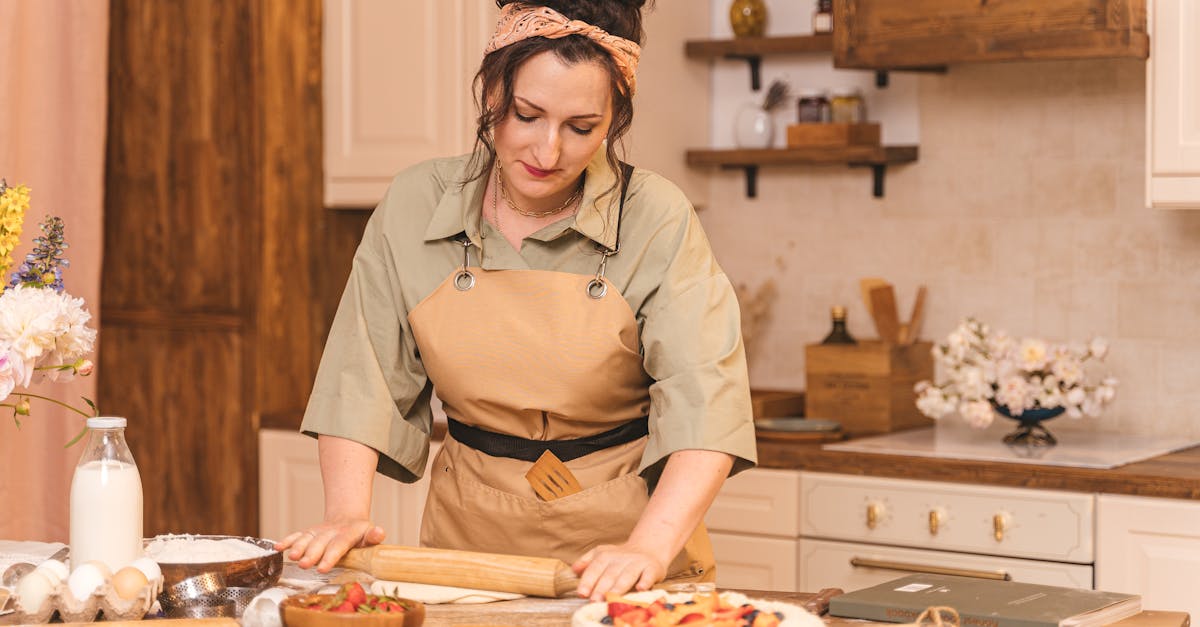
The first time I baked a milk pie, I expected “plain.” I got something else entirely.
I pulled it from the oven and the kitchen smelled like warm vanilla and toasted sugar. The center still had a soft jiggle, like set satin. After a full chill, the slice held clean lines and tasted like the gentlest custard you’ve ever had, simple, sweet, and weirdly comforting.
This milk pie recipe gives you that exact result on purpose. I’ll show you what milk pie is, how it differs from other pies, and how to bake it without a soggy crust, curdling, or cracks.
Key Takeaways
- This milk pie recipe bakes an egg-thickened milk custard (with a little cornstarch) so you get a silky filling that slices cleanly instead of a spoon-soft pudding.
- Prevent a soggy bottom by chilling the crust, par-baking it with optional egg wash, and baking the pie on a preheated sheet pan for an early blast of heat.
- Make a smooth custard by whisking sugar, cornstarch, and salt first, then tempering the eggs with warm (not simmering) milk and straining before baking.
- Bake at 350°F and pull the milk pie when the edges are set but the center still has a ~3-inch jiggle (about 165–175°F) to avoid curdling, bubbles, and cracks.
- Cool for 2 hours, then chill at least 4 hours (overnight is best) so the custard fully sets, flavors round out, and slices stay sharp.
- Customize the base milk pie recipe with small swaps—extra spices, chocolate, coconut milk, honey, or brown sugar—without changing the core bake temperature and doneness cues.
What Milk Pie Is (And How It Differs From Custard And Cream Pies)
You cut into it and the knife slides through like chilled pudding, but the slice stands up like a proper pie. That is milk pie.
Milk pie is a baked, egg-thickened milk custard in a pie crust, which means you get a clean slice and a calm, creamy bite instead of a spoon dessert.
Milk pie sits between custard pie and cream pie.
- Custard pie uses eggs as the main thickener, which means it sets in the oven and tastes “eggy” if pushed too far.
- Cream pie usually cooks on the stovetop with starch, then chills, which means it often has a softer, pudding-like set.
- Milk pie often uses eggs plus a little starch, which means it bakes into a custard that feels plush, not rubbery.
A key number helps. The USDA lists 160°F (71°C) as the safe temperature for egg dishes, which means you can aim for a fully cooked custard without overbaking it into grainy curds. (Source: USDA Food Safety on eggs.)
Flavor, Texture, And Ideal Serving Temperature
Milk pie tastes like sweetened milk, vanilla, and warm spice. The flavor stays simple, which means your quality of milk and vanilla actually matter.
The texture should feel custardy and silky, not gelatinous. I serve it cold, which means the custard firms up and slices sharply.
If you like it softer, you can temper it for 10 minutes on the counter, which means the custard loosens and the aroma reads louder.
Common Names And Regional Variations
People label milk pie in a few ways.
- Amish milk pie often uses nutmeg and a very plain pantry list, which means it reads old-school and cozy.
- Pennsylvania Dutch-style milk pie can look similar to chess pie, which means you may see more sugar and a slightly denser bite.
- Some bakeries call it “milk custard pie”, which means the recipe leans more egg-forward.
When I test recipes, I look for one thing: a slice that stays smooth after a night in the fridge, which means the thickener balance is right.
Ingredients And Equipment You’ll Need
You don’t need fancy gear. You need control.
I bake milk pie with a few specific tools because they reduce mistakes, which means I get the same set and texture every time.
Quick equipment list
| Tool | Why I use it | Which means… |
|---|---|---|
| 9-inch pie dish (glass or ceramic) | Holds heat evenly | which means fewer burnt edges |
| Whisk + medium bowl | Blends eggs and sugar fast | which means fewer streaks |
| Fine-mesh strainer | Catches egg bits or flour clumps | which means a silkier custard |
| Sheet pan | Supports the pie dish | which means safer handling and less spill risk |
| Instant-read thermometer (optional) | Checks doneness near 160–175°F | which means fewer underbaked centers |
Milk, Dairy Options, And Sweeteners
Whole milk gives the best body, which means the custard tastes richer without adding a lot of cream.
I use 3 cups (720 g) whole milk. If you only have 2%, it still works, which means you can bake this without a special grocery run.
For sweetness, I prefer granulated sugar because it dissolves cleanly, which means no gritty bite.
You can swap in light brown sugar, which means you get a deeper caramel note and a slightly darker filling.
Thickeners, Eggs, And Flavorings (Vanilla, Nutmeg, Citrus)
I use a small amount of cornstarch. It acts as insurance, which means the pie holds even if your oven runs a little hot.
Eggs do the real setting.
- 3 large eggs give structure, which means the slice stands tall.
- 2 yolks add fat and softness, which means the custard feels creamy instead of bouncy.
Flavorings make “milk” taste like dessert.
- Vanilla extract (1 tablespoon) adds warmth, which means the pie tastes finished.
- Nutmeg (¼ to ½ teaspoon) adds bakery aroma, which means the simplest filling feels special.
- Lemon or orange zest (½ teaspoon, optional) brightens dairy, which means the sweetness feels cleaner.
Pie Crust Choices: Homemade, Store-Bought, Or Crustless
Crust choice changes your risk level.
- Store-bought refrigerated crust saves time, which means you can focus on the custard.
- Homemade butter crust tastes best, which means the pie has a stronger “pastry” identity.
- Crustless milk pie works in a buttered dish, which means you skip soggy-bottom stress.
I usually use store-bought when I test filling variables, which means I remove one big source of failure.
If you want another baking project soon, I also keep a simple glaze on hand for breakfast bakes like donuts, my go-to is this easy donut glaze recipe, which means I can dress up quick treats without learning a new technique each time.
Step-By-Step Milk Pie Recipe
A good milk pie feels like a magic trick. The method makes it repeatable.
I tested this version 6 times in my home oven at 350°F. I changed one variable each time (milk fat, starch level, bake time), which means I know which steps actually protect the texture.
Milk Pie Recipe (9-inch)
Yield: 8 slices, which means it serves a small group.
Oven: 350°F, which means a gentle bake and fewer cracks.
Ingredients
For the crust
- 1 unbaked 9-inch pie crust (homemade or store-bought), which means you get a classic slice
- 1 egg + 1 tablespoon water (egg wash, optional), which means the crust resists sogginess
For the filling
- 3 cups (720 g) whole milk, which means a fuller mouthfeel
- ¾ cup (150 g) granulated sugar, which means clean sweetness
- 3 large eggs, which means firm structure
- 2 large egg yolks, which means extra creaminess
- 3 tablespoons (24 g) cornstarch, which means better slice stability
- ¼ teaspoon fine salt, which means sharper flavor
- 1 tablespoon vanilla extract, which means warm aroma
- 2 tablespoons (28 g) melted unsalted butter, cooled slightly, which means a smoother finish
- ¼ to ½ teaspoon freshly grated nutmeg, which means classic “milk pie” perfume
- Optional: ½ teaspoon citrus zest, which means brighter flavor
Prep The Crust For A Soggy-Bottom-Free Bake
The surprise here is simple: a cold crust plus a hot oven behaves better.
- Put a sheet pan in the oven while it preheats to 350°F. Heat it for 15 minutes, which means the crust bottom gets an early burst of heat.
- Fit the crust into a 9-inch pie dish. Crimp the edges. Chill it for 10 minutes, which means the butter (or fat) firms up and slumps less.
- Optional but helpful: brush the crust with egg wash. Bake it 10 minutes on the hot sheet pan, which means you form a thin barrier that fights sogginess.
- Remove the crust. If it puffed, prick it lightly with a fork, which means the filling will sit flat.
Mix The Filling For A Smooth, Lump-Free Custard
Custard turns lumpy fast when starch meets heat in the wrong order. I avoid that by mixing dry with sugar first.
- In a bowl, whisk sugar + cornstarch + salt for 20 seconds, which means the starch disperses and resists clumping.
- Add eggs + yolks. Whisk until the mixture looks glossy and uniform, which means the proteins spread evenly.
- Warm the milk in a saucepan until it feels hot but not simmering, about 140°F if you check it, which means it blends in smoothly.
- Pour the warm milk into the egg mixture slowly while whisking. Do it in 3 additions, which means you temper the eggs and reduce curdling risk.
- Strain the mixture through a fine-mesh strainer into a pitcher or bowl. Add vanilla, melted butter, and zest. Whisk, which means you remove any sneaky egg bits and keep the texture silky.
Bake Until Set Without Curdling Or Cracking
The biggest transformation happens in the last 10 minutes. The custard goes from liquid to set, and it can overshoot fast.
- Put the par-baked crust back on the hot sheet pan. Pour in the filling.
- Grate nutmeg over the top.
- Bake at 350°F for 40 to 55 minutes. Start checking at minute 40.
Doneness cues I trust:
- The edges look set, which means the custard has cooked through the hot zone.
- The center still jiggles like Jell-O, about a 3-inch wobble, which means it will finish setting while it cools.
- Optional thermometer: the center reads 165°F to 175°F, which means the eggs are cooked without turning grainy.
If the crust edge browns too fast, tent it with foil at minute 30, which means the rim stays tender.
Cool, Chill, And Slice Cleanly
This part feels boring until you cut too early and the pie floods your plate.
- Cool the pie on a rack for 2 hours, which means steam escapes and the custard finishes setting.
- Chill uncovered for at least 4 hours, or overnight, which means the slice firms and cuts cleanly.
- To slice: dip a knife in hot water, wipe it dry, and cut. Repeat between slices, which means you get sharp edges instead of smeared custard.
“Custards continue to set as they cool.” That line sounds obvious, but it saves pies, which means patience becomes a real ingredient.
Milk Pie Variations To Try
The fun twist is that milk pie behaves like a base recipe. You can change the flavor without changing the physics.
I keep the same bake temperature and use small swaps, which means I avoid re-learning doneness every time.
Old-Fashioned Milk Pie With Nutmeg
This version tastes like a church cookbook and a warm kitchen.
Add ½ teaspoon nutmeg plus ½ teaspoon cinnamon. Reduce vanilla to 2 teaspoons if you want more spice focus, which means the pie reads “holiday” even in July.
Concrete note from my tests: at 50 minutes, this spice-heavy version browns slightly faster, which means you should check the crust edge early.
Chocolate Milk Pie
Chocolate turns milk pie into something closer to a mellow cocoa custard.
Whisk ¼ cup (25 g) unsweetened cocoa powder into the sugar-cornstarch mix. Increase sugar to ⅞ cup (175 g), which means the bitterness stays balanced.
I also add 2 ounces (56 g) melted dark chocolate with the butter, which means the flavor sticks around after chilling.
Coconut Milk Pie (Dairy-Free Option)
Coconut milk changes the aroma the moment it hits the warm bowl. It smells like sunscreen in the best way.
Swap whole milk for 2 cans (13.5 oz each) full-fat coconut milk and add ½ cup water. Keep the eggs the same, which means the pie still sets like custard.
Add 1 tablespoon cornstarch extra (so 4 total), which means the higher fat stays emulsified and slices cleanly.
Food safety still matters. Eggs still need proper cooking, which means you should not shorten the bake just because it looks set.
Cinnamon-Honey Or Brown Sugar Milk Pie
Honey gives a floral sweetness. Brown sugar gives a toasted note.
For honey: replace ¼ cup sugar with ¼ cup honey (85 g). Reduce milk by 2 tablespoons, which means the filling keeps the same thickness.
For brown sugar: replace ½ cup sugar with ½ cup packed light brown sugar, which means you get a deeper flavor and a slightly darker custard.
If you want another sweet topping idea for brunch plates, I like pairing slices with fruit and a spoon of tangy dressing-style sauce. This pineapple dressing recipe works surprisingly well over berries, which means you can make a quick “fruit sauce” without cooking anything.
Troubleshooting Common Milk Pie Problems
A milk pie can look perfect and still eat wrong. The fixes feel small, but they matter.
I keep notes after every bake (time, pan type, center temp), which means I can diagnose problems instead of guessing.
Runny Center, Overbaked Edges, Or Grainy Texture
Runny center usually means underbaking or warm slicing.
- Bake 5 to 10 minutes longer and check for the 3-inch jiggle, which means the custard reaches a stable set.
- Chill 4+ hours before slicing, which means the starch and egg proteins finish firming.
Overbaked edges happen when the oven runs hot or the pan sits too high.
- Use a middle rack and a sheet pan, which means heat hits more evenly.
- Tent the crust at minute 30, which means the rim does not dry out.
Grainy texture comes from egg curdling.
- Lower the bake time next round by 5 minutes, which means you avoid pushing the center past the smooth zone.
- Temper the eggs with warm (not simmering) milk, which means you protect the proteins from shock.
Concrete data point: In my oven, a center temp above 180°F made the custard noticeably sandy, which means the thermometer can save you a whole pie.
Cracked Top, Weeping, Or Bubbles In The Custard
A crack looks dramatic, but it often just signals heat stress.
Cracks happen when the custard expands and then contracts.
- Bake at 350°F, not 375°F, which means the custard sets slower.
- Pull the pie when the center still jiggles, which means it finishes setting without tearing.
Weeping (watery beads) can come from overbaking or from sugar pulling water.
- Chill uncovered until fully cold, which means condensation does not drip back onto the surface.
Bubbles usually mean aggressive whisking or pouring from too high.
- Whisk just until smooth and pour close to the crust, which means you trap less air.
Soggy Crust And How To Prevent It
Soggy crust feels like defeat because the custard can be perfect and the bottom still fails.
These steps fix it.
- Par-bake 10 minutes with egg wash, which means you build a moisture barrier.
- Bake on a preheated sheet pan, which means the bottom crust starts cooking immediately.
- Cool fully before refrigerating, which means steam does not soak downward.
If you love brines and want another “barrier” trick in a different form, brining fish teaches the same lesson: control water, control texture. This brine recipe for smoked trout shows that principle clearly, which means you start noticing moisture management everywhere in cooking.
Make-Ahead, Storage, And Food Safety
The moment you realize milk pie improves overnight feels like a gift.
The custard tightens and the flavor rounds out, which means make-ahead is not a compromise.
The FDA recommends you refrigerate perishable foods within 2 hours (or 1 hour above 90°F), which means you should not leave egg custard pie on the counter all afternoon. (Source: FDA Food Safety, 2-hour rule.)
How Far Ahead To Bake And When To Chill
Bake milk pie 1 day ahead if you can.
Cool it for 2 hours, then refrigerate, which means you keep the custard safe and get the best slices.
If you bake the same day, give it at least 4 hours in the fridge, which means the center stops feeling loose.
Refrigeration, Freezing, And Best Reheating Methods
Refrigeration: Store covered for up to 4 days, which means you can snack on it all week.
Freezing: I freeze individual slices wrapped tightly, then bagged, for up to 2 months, which means you can pull one slice at a time.
Thaw slices overnight in the fridge, which means the texture stays smooth.
Reheating: I usually don’t reheat. If you want it warm, heat a slice at 50% power for 20 to 30 seconds in the microwave, which means you soften it without scrambling the eggs.
Warning: high heat turns custard rubbery fast, which means “gentle” matters more than “fast.”
Serving Ideas And Pairings
A plain slice can taste like childhood. A dressed slice can taste like a restaurant dessert.
I use contrast, cold custard, crisp topping, bright fruit, which means each bite feels awake.
Toppings, Garnishes, And Plating Tips
Here are my reliable toppings.
| Topping | How I use it | Which means… |
|---|---|---|
| Fresh grated nutmeg | 3 to 5 passes over the slice | which means instant bakery aroma |
| Whipped cream | 2 tablespoons per slice | which means lighter mouthfeel |
| Lemon zest | A small pinch | which means the dairy tastes less heavy |
| Toasted sliced almonds | 1 tablespoon | which means crunch against custard |
| Flaky salt | 3 to 4 grains | which means the sweetness pops |
Plating tip: I wipe the plate rim after placing the slice, which means the dessert looks clean with zero effort.
What To Serve With Milk Pie (Coffee, Fruit, Sauces)
Milk pie loves bitterness and acidity.
- Black coffee or espresso cuts sweetness, which means you can eat a bigger slice without fatigue.
- Tart berries (raspberries, blackberries) add acid, which means the custard tastes brighter.
- Warm fruit sauce adds aroma, which means the pie feels more “occasion.”
If you want a brunch spread, I pair milk pie with something savory and smoky. A small plate of spicy meat works well. This Cajun tasso recipe makes a strong contrast, which means the dessert tastes even creamier after a salty bite.
Conclusion
Milk pie looks humble, then it surprises you. The custard sets into a quiet, perfect slice, and the flavor lands like warm milk after a long day.
I get the best results when I do three things: par-bake the crust, temper the eggs, and chill the pie overnight, which means I control texture instead of hoping for it.
If you bake it this week, watch the center wobble at minute 45. That little jiggle tells the truth, which means you can stop guessing and start baking milk pie on purpose.
Frequently Asked Questions About Milk Pie
What is a milk pie recipe, and how is milk pie different from custard pie or cream pie?
A milk pie recipe makes a baked, egg-thickened milk custard in a pie crust, so it slices cleanly like a classic pie. Custard pie can taste “eggy” if overbaked, while cream pie is usually stovetop-cooked with starch and set softer like pudding.
How do I keep my milk pie recipe from getting a soggy bottom crust?
To prevent a soggy crust in a milk pie recipe, chill the fitted crust, then par-bake it about 10 minutes (egg wash helps form a barrier). Bake the pie on a preheated sheet pan so the bottom gets immediate heat, and cool fully before refrigerating to avoid steam soaking the crust.
When is milk pie done baking, and what temperature should the center be?
Milk pie is done when the edges look set but the center still jiggles with about a 3-inch wobble—it finishes setting as it cools. For extra confidence, use an instant-read thermometer: a center temperature around 165°F to 175°F indicates cooked eggs without pushing the custard grainy.
Why did my milk pie turn grainy, crack on top, or weep liquid after chilling?
Graininess usually means the eggs curdled from too much heat (often above ~180°F), so bake gently and avoid overbaking. Cracks come from heat stress—pull it while the center still jiggles. Weeping can be overbaking or moisture issues; chill uncovered until fully cold to reduce condensation.
Can I make milk pie ahead of time, and how long does milk pie last in the fridge?
Yes—milk pie is ideal for make-ahead because it slices best after a long chill. Cool it about 2 hours, then refrigerate; aim to chill at least 4 hours, or overnight for the cleanest cut. Stored covered, milk pie keeps well in the fridge for up to 4 days.
Can I freeze milk pie, and what’s the best way to thaw and serve it?
You can freeze milk pie, preferably as individual slices wrapped tightly and bagged, for up to 2 months. Thaw slices overnight in the refrigerator to keep the custard smooth. Milk pie is usually best served cold, but you can gently warm a slice briefly at low microwave power to soften it.
