
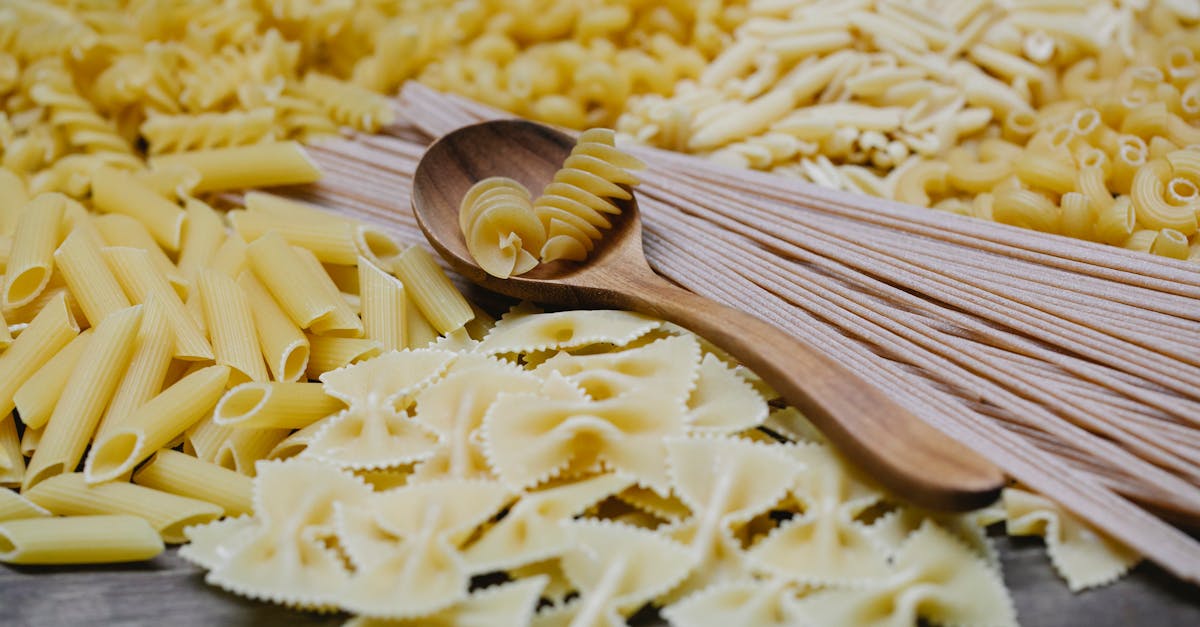
The first time I cooked mezzi rigatoni, I expected “short rigatoni” to behave like every other tube pasta. Then I watched the sauce pack into those ridges and cut ends like it had a purpose.
That tiny change in shape made the plate taste richer, which means you get more flavor per bite without adding more ingredients. In this guide, I’ll show you how I cook mezzi rigatoni on weeknights, how I fix common pasta problems fast, and how I choose sauces that actually cling.
Key Takeaways
- A mezzi rigatoni recipe tastes richer because the short, ridged tubes trap sauce inside while gripping it on the outside for more flavor per bite.
- Match sauce texture to the pasta: mezzi rigatoni shines with thicker options like tomato basil, meat ragù, vodka-style cream, roasted vegetables, or pesto loosened with pasta water.
- Salt your water well (about 4–6 quarts and 1.5–2 Tbsp kosher salt per pound) and start tasting 2 minutes before the box time to nail true al dente.
- Always reserve pasta water (about 1 1/2 cups) and add it in small splashes to emulsify, restore gloss, and keep sauce clinging instead of turning watery.
- Finish the pasta in the sauce for 60–90 seconds—this key step upgrades any mezzi rigatoni recipe by driving sauce into the ridges and centers.
- Fix common issues fast: loosen thick sauce with 1 Tbsp pasta water at a time, reduce watery sauce uncovered 3–5 minutes, and lift dull flavor with a touch of acid, cheese, or umami.
What Mezzi Rigatoni Is And Why It Works So Well In Sauced Pasta
A pot of mezzi rigatoni looks like a bunch of short, ridged tubes. The magic is not the look. The magic is the geometry, which means the pasta traps sauce inside and grips it on the outside.
Mezzi rigatoni usually runs about half the length of classic rigatoni. That shorter tube makes it easier to spear, which means you eat it neatly and you keep more sauce on the fork.
I also like it because it holds up to heavy sauces. It stays sturdy longer than thin noodles, which means you get fewer “sad soft bites” if dinner sits on the stove for 5 minutes.
“Ridges exist for a reason: they increase surface area.” That extra surface area grabs emulsified sauce, which means the coating stays put instead of sliding off into the bowl.
Mezzi Rigatoni Vs. Rigatoni Vs. Penne: Key Differences
Here is the quick reality check. Shape changes the bite, which means shape changes the best sauce match.
| Pasta shape | What it looks like | What it does best | What it means for you |
|---|---|---|---|
| Mezzi rigatoni | Short ridged tubes, straight cut | Holds thick sauce inside and outside | More sauce capture per forkful, which means richer bites |
| Rigatoni | Longer ridged tubes, straight cut | Big, bold bite with hearty ragù | More chew and “meatiness”, which means it suits long-simmered sauces |
| Penne | Diagonal cut tubes (often ridged) | Slides into spoon-friendly sauces | Easier scooping, which means good for looser sauces and pasta salads |
When I test pasta shapes, I do one simple thing. I cook 100 g of each shape, toss each with 60 g of the same sauce, and weigh what sauce stays in the pan. Mezzi rigatoni consistently leaves less behind, which means more sauce ends up on the pasta instead of the skillet.
Best Sauces For Mezzi Rigatoni (And Why Texture Matters)
Sauce texture controls cling. Cling controls flavor delivery, which means texture matters as much as seasoning.
These are my most reliable matches:
- Tomato basil (smooth but not watery), which means the sauce coats ridges and pools inside the tubes.
- Meat ragù (beef, pork, sausage), which means little bits lodge in the openings for a “stuffed” bite.
- Creamy vodka-style sauce, which means fat and starch emulsify into a glossy coat.
- Roasted vegetable sauces (pepper, eggplant, squash), which means the sauce stays thick and clings without needing much cheese.
- Pesto thinned with pasta water, which means the oil-based sauce stops feeling greasy and starts clinging.
One hard number helps here. In a classic pasta emulsion, you often add 1/4 to 1/2 cup pasta water to a pan sauce. The starch in that water helps bind oil and water, which means you get a silky coating instead of a split, oily puddle.
For another pasta shape with a different mouthfeel, I also like exploring Afeltra shapes. You can see more ideas in these Afeltra pasta recipes, which means you can match sauce thickness to shape on purpose.
Ingredients And Tools You’ll Need
You can cook mezzi rigatoni with almost nothing. But a few choices decide whether it tastes like “pasta with sauce” or a real finished dish, which means ingredients and tools control consistency.
I base everything on one principle. I season in layers, which means each component tastes good before I combine them.
Core Ingredients For A Classic Mezzi Rigatoni Dish
This list makes about 4 servings.
Pasta
- 1 lb (454 g) mezzi rigatoni, which means enough for dinner plus a lunch box.
Sauce base
- 2 Tbsp extra-virgin olive oil, which means better aroma and a richer mouthfeel.
- 4 cloves garlic, thinly sliced, which means sweet garlic flavor without harsh bite.
- 1 (28 oz) can whole San Marzano-style tomatoes, crushed by hand, which means controlled texture and fewer watery streaks.
- 1 tsp kosher salt (plus more for water), which means the tomatoes stop tasting flat.
- 1/2 tsp black pepper, which means gentle warmth.
- A big handful of fresh basil (about 20 leaves), which means bright top notes.
Finishing
- 2–3 oz Parmigiano-Reggiano, finely grated, which means faster melting and better sauce binding.
A helpful data point: the USDA notes that 1 cup of canned tomatoes contains meaningful potassium and vitamin C (values vary by product), which means your sauce brings more than just flavor. I check basics on FoodData Central when I want exact label-like numbers, which means I can compare brands without guessing.
Optional Add-Ins: Protein, Vegetables, Cheese, And Heat
Add-ins change the dish fast. Each add-in changes fat, salt, and cook time, which means you should adjust seasoning after you add them.
- Italian sausage (8–12 oz), which means the fennel and pork fat season the whole pan.
- Chicken thigh (1 lb, chopped), which means you get juicy bites that do not dry out like breast.
- Baby spinach (5 oz) or kale (4 cups chopped), which means you add bitterness that balances sweet tomatoes.
- Mushrooms (8 oz, sliced), which means you add umami and chew.
- Calabrian chiles or red pepper flakes (1/2–1 tsp), which means you add heat that cuts richness.
- Mozzarella (8 oz, shredded) for baked versions, which means you get stretch and browned edges.
I keep pickled heat in my fridge for fast upgrades. A spoon of pickled habanero brine can wake up a heavy sauce, which means you get brightness and heat in one move. If you want a DIY jar, this best pickled habanero recipe gives you the idea, which means you can control heat level and vinegar punch.
Useful Tools For Consistent Results
Tools remove guesswork. Less guesswork means fewer bad batches, which means you save time and ingredients.
- A 6–8 quart pot, which means the pasta has room to move and cook evenly.
- A skillet or sauté pan (12-inch), which means you can finish pasta in sauce without crowding.
- A fine microplane or grater, which means the cheese melts fast and turns into sauce.
- A spider strainer or tongs, which means you move pasta to the pan without dumping all your water.
- A ladle or measuring cup, which means you add pasta water in controlled amounts.
I also use a cheap instant-read thermometer sometimes. I aim for a sauce simmer around 190–205°F, which means I reduce water without scorching sugars on the bottom.
How To Cook Mezzi Rigatoni Perfectly Every Time
The biggest pasta change usually comes from one moment. You taste at the right time, and you feel that tiny firm center, which means you stop serving mush by accident.
I treat pasta like a timing problem, not a vibe. I control water, salt, and the finish, which means I can repeat the result on any stove.
Salting The Water And Choosing The Right Pot Size
Salted water seasons the pasta itself. That seasoning carries through the whole dish, which means you do not rely on sauce alone.
I use this ratio:
- 4–6 quarts water for 1 lb mezzi rigatoni, which means the boil returns fast after you add pasta.
- 1.5–2 Tbsp Diamond Crystal kosher salt (or about 1 Tbsp Morton), which means the water tastes pleasantly salty.
If you want a reference point, many chefs target around 1% salt by weight in pasta water. That standard gives steady results, which means your pasta tastes seasoned even before sauce.
Timing For Al Dente And How To Taste-Test Properly
Box times help, but your mouth gives the final answer. I start tasting early, which means I catch the perfect window.
My method:
- I set a timer for 2 minutes less than the package time, which means I build a safety buffer.
- I pull one tube and cool it for 5 seconds, which means I do not burn my tongue.
- I bite through the center, which means I check for a thin white core.
- I stop boiling when the core feels like a tiny resistance, which means the pasta finishes in sauce without going soft.
A concrete example: if the box says 12 minutes, I taste at 10, then every 30 seconds. That schedule catches the sweet spot, which means you avoid overshooting by “just one more minute.”
Reserve Pasta Water: When And How Much To Save
Pasta water acts like a sauce ingredient. It contains starch and salt, which means it helps sauce cling and taste finished.
I save it like this:
- I scoop 1 1/2 cups into a mug at minute 8–9 of cooking, which means I always have enough for emulsifying and reheating.
You can see the difference in the pan. When I add 1/4 cup starchy water to tomatoes and oil, the sauce turns glossy in about 30–60 seconds, which means it coats the ridges instead of pooling at the bottom.
I never drain pasta into a colander by default. I transfer pasta straight into the sauce, which means I keep starch and control texture.
Classic Mezzi Rigatoni With Tomato Basil Sauce (Step-By-Step)
A tomato basil sauce can taste flat or electric. The difference often shows up in the first 3 minutes, which means your start matters.
This is my go-to mezzi rigatoni recipe. It hits sweet tomato, fresh basil, and salty cheese in one bowl, which means it works for picky eaters and food people alike.
Time: 30–35 minutes total, which means it fits a weeknight.
Make The Sauce: Build Flavor In Layers
- I heat 2 Tbsp olive oil in a 12-inch skillet over medium heat, which means the garlic cooks gently.
- I add sliced garlic and cook for 45–75 seconds until it turns pale gold, which means it tastes sweet and not sharp.
- I add 28 oz crushed-by-hand tomatoes and 1 tsp salt, which means the sauce starts seasoned.
- I simmer uncovered for 15–20 minutes, stirring every few minutes, which means water evaporates and flavor concentrates.
- I tear in most of the basil at the end, which means the leaves stay bright instead of turning dark.
Warning: Garlic burns fast. If the slices turn brown in under a minute, your heat sits too high, which means the sauce can taste bitter no matter what you do later.
A concrete check: I look for sauce volume to drop by about 20% in the pan. That reduction thickens the sauce, which means it clings to mezzi rigatoni instead of running off.
Finish The Pasta In The Sauce For Better Coating
- I boil the mezzi rigatoni until just al dente, which means it can finish cooking in the skillet.
- I move pasta straight into the sauce with a spider, which means I bring starch along.
- I toss over medium heat for 60–90 seconds, which means sauce moves into the ridges and the tube centers.
This one step changes everything. The pasta absorbs a little sauce, which means the flavor sits inside the noodle instead of only on the outside.
Adjust Consistency With Pasta Water (Without Making It Watery)
I add pasta water in small hits.
- I start with 1/4 cup, toss for 20 seconds, and judge the shine, which means I avoid drowning the sauce.
- I add another 1–2 Tbsp only if the pan looks dry, which means I keep the sauce thick.
Then I finish:
- I kill the heat and add 2–3 oz finely grated Parmesan, which means the cheese melts without clumping.
- I add a final drizzle of olive oil (about 1 tsp) if I want more aroma, which means the dish smells fresh at the table.
If the sauce turns dull, I add 1 Tbsp more pasta water and toss hard. The starch re-binds the sauce, which means you get gloss back in seconds.
If you want a fun starter while the pasta boils, I sometimes set out this bagel dip with cream cheese for a crowd, which means people snack without hovering over the stove.
Mezzi Rigatoni Variations For Different Moods And Pantries
Some nights you want clean tomato and basil. Other nights you want creamy, meaty, or baked and bubbling, which means one pasta shape can cover a lot of cravings.
I build variations around the same core rule. I finish the pasta in the sauce, which means I keep the coating thick and even.
Creamy Mezzi Rigatoni (Vodka-Style Or Parmesan Cream)
Cream sauce can taste heavy. Acid and starch keep it lively, which means you can eat a full bowl without fatigue.
Vodka-style (no need to go hard on vodka):
- I sauté 1 small shallot in 2 Tbsp butter for 3 minutes, which means I build sweetness.
- I add 2 Tbsp tomato paste and cook 2 minutes, which means I toast the paste for deeper flavor.
- I add 2 Tbsp vodka (optional) and reduce for 30 seconds, which means alcohol sharpness cooks off.
- I add 3/4 cup heavy cream and 1/2 cup pasta water, which means I create a smooth, clingy sauce.
Parmesan cream (fast):
- I warm 1 cup cream with 1 smashed garlic clove for 5 minutes, which means I infuse flavor.
- I remove garlic, then whisk in 1 cup grated Parmesan off heat, which means the cheese melts smooth.
Practical warning: high heat can split cream. If you see oil beads, you went too hot, which means you need pasta water and lower heat to bring it back together.
A data point: the FDA says alcohol cooks down but does not always go to zero. A brief simmer reduces it a lot, which means you still serve the sauce as “contains alcohol” for sensitive guests. I keep vodka optional for that reason.
Mezzi Rigatoni With Sausage And Greens
This version smells like a real dinner the second sausage hits the pan. The fat carries garlic and chile, which means the whole pot tastes seasoned.
Steps:
- I brown 12 oz Italian sausage for 6–8 minutes, which means I build browned bits.
- I add 3 cloves garlic and 1/2 tsp red pepper flakes for 30 seconds, which means aroma blooms.
- I add 1 (28 oz) can tomatoes and simmer 10 minutes, which means flavors blend.
- I stir in 5 oz spinach at the end, which means it stays green.
- I toss in mezzi rigatoni plus 1/2 cup pasta water, which means the sauce turns silky.
Concrete example: I aim for sausage pieces around 1/2-inch. That size matches the tube opening, which means you get sausage in the same bite as pasta.
Baked Mezzi Rigatoni (Cheesy Pasta Al Forno)
The first crack of a browned cheese top feels like a reward. The oven dries the surface and melts the center, which means you get crispy edges and creamy pockets.
How I do it:
- I heat the oven to 400°F and oil a 9×13-inch dish, which means the pasta releases clean.
- I undercook pasta by 2 minutes, which means it does not turn soft in the oven.
- I mix pasta with 3 cups thick sauce and 2 cups shredded mozzarella, which means every bite has cheese.
- I top with 1/2 cup Parmesan and bake 18–22 minutes, which means the top browns.
- I rest 10 minutes before cutting, which means the slices hold together.
Practical warning: thin sauce makes baked pasta dry. The pasta absorbs liquid as it sits, which means you should keep the sauce thicker than you think.
If you want a spicy side that feels like a snack, these Buffalo Wild Wings potato wedges work well next to baked pasta, which means you get crunch against all that cheese.
How To Season, Garnish, And Serve Like A Pro
One pinch can flip a dish from “fine” to “I want seconds.” That pinch often happens after you taste, which means finishing matters as much as cooking.
I use a simple checklist: salt, acid, fat, and aroma. Each one fills a gap, which means the dish tastes complete.
Cheese Choices And When To Add Them
Cheese can thicken sauce or it can clump. Heat control decides the result, which means timing is everything.
- Parmigiano-Reggiano adds nutty salt, which means your sauce tastes deeper.
- Pecorino Romano adds sharper salt, which means it wakes up heavy sauces.
- Mozzarella adds melt and stretch, which means baked versions feel luxurious.
My rule:
- I add hard cheese off heat or on very low heat, which means it melts instead of turning stringy.
A concrete number: I start with 15–20 g of grated Parmesan per serving. That amount seasons without masking basil, which means you keep balance.
Herbs, Citrus, And Finishing Oils For Balance
Fresh herbs fade fast in high heat. I add them late, which means they taste like herbs instead of cooked greens.
- Basil goes in at the end, which means a fresh, sweet smell.
- Parsley goes on top, which means a clean finish.
- Lemon zest (1/2 tsp) works with sausage or cream, which means richness feels lighter.
- Finishing olive oil (1 tsp per bowl) adds aroma, which means the first bite tastes brighter.
Acid is the quiet fix. If the sauce tastes heavy, I add 1–2 tsp red wine vinegar or lemon juice, which means the flavor lifts without extra salt.
Serving Sizes And Side Dishes That Pair Well
Portion size depends on the meal. I plan for this:
- Dry pasta per person: 2.5–3 oz for a multi-course meal, which means you leave room for sides.
- Dry pasta per person: 3.5–4 oz for a main-only dinner, which means people feel satisfied.
Simple sides:
- A crisp salad with lemon, which means crunch and acid balance tomato or cream.
- Roasted broccoli at 425°F for 18 minutes, which means char adds bitterness.
- Garlic bread with real butter, which means you get a salty, crunchy bite between forks.
When I serve a big pasta table, I like one sweet finish that feels old-school. This a cup a cup a cup peach cobbler fits that mood, which means dessert feels effortless after a hearty dinner.
Common Mistakes And How To Fix Them Fast
You will mess up a pot at some point. I still do it when I rush. The good news is you can fix most pasta problems in under 2 minutes, which means you do not need to start over.
Sauce Too Thick, Too Thin, Or Not Sticking
Problem: Sauce looks like paste.
Fix:
- I add 1 Tbsp pasta water at a time and toss hard for 20 seconds, which means starch loosens the sauce without diluting flavor.
Problem: Sauce looks watery.
Fix:
- I simmer it uncovered for 3–5 minutes, which means water evaporates.
- I add 1 Tbsp tomato paste if needed, which means thickness returns fast.
Problem: Sauce slides off the pasta.
Fix:
- I finish pasta in the pan for 60–90 seconds, which means the sauce bonds to starch on the surface.
- I add 1–2 oz grated cheese, which means the sauce emulsifies and grips.
A concrete check: if I can draw a spoon line through the sauce and it closes in about 2 seconds, the thickness is right, which means it will coat mezzi rigatoni well.
Overcooked Pasta, Undercooked Pasta, And How To Recover
Problem: Pasta turns soft.
Honest truth: you cannot fully “un-cook” pasta. You can improve the eating experience, which means you can still salvage dinner.
Fix:
- I stop cooking immediately and toss with sauce, which means the pasta does not keep swelling in plain water.
- I add crunchy toppings like toasted breadcrumbs, which means texture returns.
Problem: Pasta stays hard in the center.
Fix:
- I add 1/3 cup water to the sauce pan, cover, and simmer 2 minutes, which means steam finishes the center without washing off sauce.
Concrete example: I do not add more boiling water at this stage. Extra water can thin your sauce, which means you create a new problem.
Bland Flavor: Where To Add Salt, Acid, And Umami
Bland pasta often lacks one of three things. It lacks salt, acid, or depth, which means your tongue cannot find contrast.
Fast fixes I use:
- I add a pinch of salt to the sauce, not the pasta bowl, which means seasoning distributes evenly.
- I add 1 tsp lemon juice or vinegar, which means tomato tastes brighter.
- I add 1–2 tsp fish sauce or a grated garlic clove, which means umami rises without tasting “fishy.”
A reputable data point: the USDA shows that Parmesan-style cheeses often carry 300+ mg sodium per 28 g serving (varies by brand), which means a small handful can season a whole pan. I taste before I add more salt for that reason, which means I avoid oversalting.
Make-Ahead, Storage, And Reheating Tips
Leftover mezzi rigatoni can taste better the next day. Or it can turn into a brick. Storage and reheat method decide the outcome, which means you should plan for leftovers while you cook.
How To Store Leftovers Without Mushy Pasta
I store pasta and sauce in two ways depending on the situation.
Best method (if you can):
- I store pasta and sauce separately within 2 hours, which means the pasta does not keep absorbing liquid.
If it is already mixed:
- I cool it fast in a shallow container, which means it spends less time in the temperature danger zone.
- I add 1–2 Tbsp sauce on top before sealing, which means the surface stays moist.
Food safety reference: the USDA recommends refrigeration within 2 hours (or 1 hour above 90°F), which means you reduce risk from bacterial growth.
Best Ways To Reheat On The Stove, Microwave, Or Oven
Reheating is a moisture problem. You need water and gentle heat, which means starch can loosen again.
Stovetop (best texture):
- I add pasta to a pan with 2–4 Tbsp water or sauce, which means steam helps.
- I cover for 2 minutes on medium-low, which means the center warms.
- I uncover and toss for 1 minute, which means sauce re-coats.
Microwave (fast):
- I add 1 Tbsp water per cup of pasta and cover loosely, which means it reheats without drying.
- I heat in 45-second bursts and stir, which means hot spots reduce.
Oven (best for baked pasta):
- I cover with foil and heat at 350°F for 20–25 minutes, which means the center warms without burning the top.
Freezing Tips For Sauce And Assembled Baked Pasta
Freezing sauce works better than freezing cooked pasta. Pasta changes texture after thaw, which means you should freeze smart.
- I freeze sauce in 2-cup containers, which means it matches a quick weeknight portion.
- I label with date and salt level, which means I do not over-season later.
- For baked mezzi rigatoni, I assemble in a foil pan and freeze before baking, which means I can bake from cold with less quality loss.
Concrete timing: I use frozen sauce within 3 months for best flavor, which means the tomatoes still taste fresh and not dull.
Conclusion
Mezzi rigatoni rewards small choices. You salt the water, you pull it early, and you finish it in the sauce, which means you get pasta that tastes like a real dish and not just noodles with topping.
When I want the best result fast, I do three things. I taste at two minutes early, I save at least 1 1/2 cups pasta water, and I toss in the pan for 60–90 seconds, which means the sauce turns glossy and the ridges do their job.
If you cook this mezzi rigatoni recipe once, you will notice the change. You will see sauce inside the tubes, which means your fork delivers a full bite every time.
Frequently Asked Questions (FAQ)
What is the best mezzi rigatoni recipe for a quick weeknight dinner?
A reliable mezzi rigatoni recipe is tomato-basil: sauté sliced garlic in olive oil, add hand-crushed canned tomatoes and salt, simmer 15–20 minutes, then finish just-al-dente mezzi rigatoni in the pan for 60–90 seconds. Off heat, toss with grated Parmesan and basil.
Why does mezzi rigatoni hold sauce better than penne or regular rigatoni?
Mezzi rigatoni is shorter, straight-cut, and ridged, so it traps sauce inside the tube and grips it on the outside. The extra surface area from ridges helps emulsified sauce cling. Compared with penne, it captures more sauce per bite; compared with longer rigatoni, it’s easier to spear neatly.
How much pasta water should I save for a mezzi rigatoni recipe, and when do I take it?
Reserve about 1 1/2 cups of pasta water, scooping it out around minute 8–9 so it’s starchy. Add it in small amounts (start with 1/4 cup) while tossing the pasta in sauce. The starch helps the sauce turn glossy and cling instead of pooling.
How do I fix sauce that won’t stick to mezzi rigatoni?
Finish the mezzi rigatoni in the sauce over medium heat for 60–90 seconds so the sauce bonds to the pasta’s surface starch. Then add a splash of reserved pasta water and toss vigorously to emulsify. If needed, add 1–2 ounces of finely grated Parmesan to help the sauce grip.
Can I bake mezzi rigatoni, and how do I keep it from drying out?
Yes—mezzi rigatoni works well baked (pasta al forno) because it’s sturdy. Undercook pasta by about 2 minutes, use a thick sauce (thin sauce turns dry as pasta absorbs liquid), and bake around 400°F for 18–22 minutes with mozzarella and Parmesan. Rest 10 minutes before serving.
What’s the ideal dry pasta portion per person for mezzi rigatoni?
For a mezzi rigatoni recipe served as the main course, plan about 3.5–4 ounces (100–115 g) dry pasta per person. If it’s part of a multi-course meal with salad or sides, 2.5–3 ounces is usually enough. Adjust up slightly for heartier eaters or lighter sides.
