
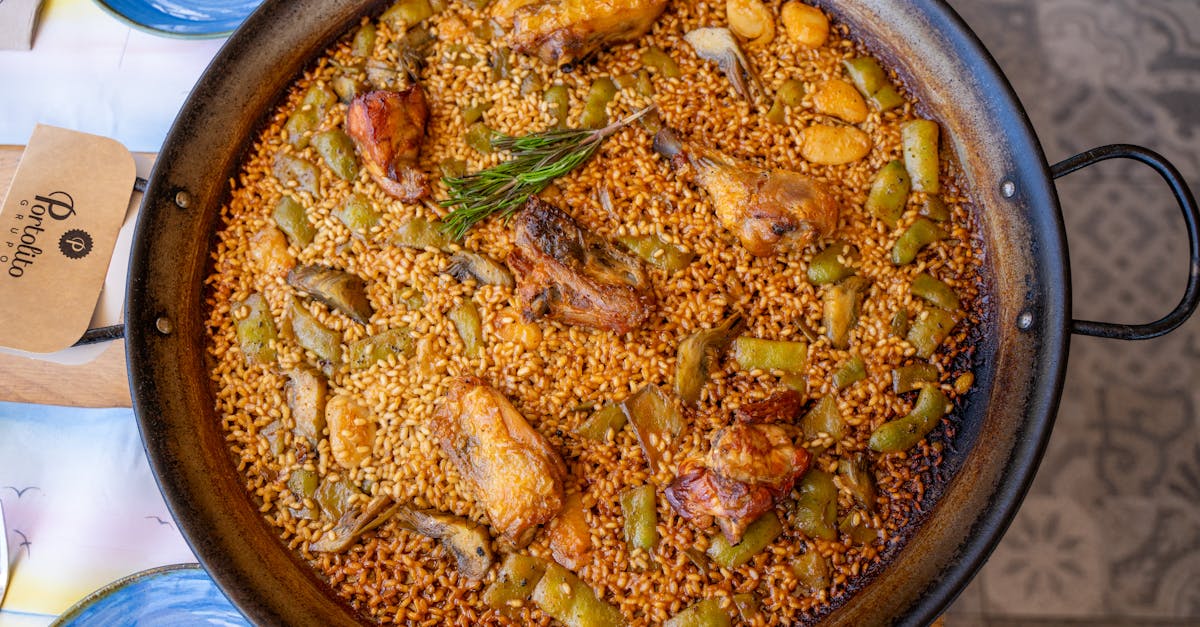
I make this Mediterranean greens and beans recipe when I want a fast, nourishing meal that tastes like a small celebration.
The dish balances bright greens, creamy beans, garlic, lemon, and olive oil into a single pan. It cooks in about 25–35 minutes, and it stores well for lunches.
I’ll show you why it works, how to pick the best ingredients, step-by-step cooking, smart variations, and storage tips so you can turn a handful of pantry staples into a weekday favorite.
Key Takeaways
- The Mediterranean greens and beans recipe delivers a fast, nourishing one-pan meal in 25–35 minutes by combining hearty greens, creamy white beans, garlic, lemon, and olive oil for balanced flavor and texture.
- Use sturdy greens (kale, Swiss chard, collards) and canned cannellini beans to save time—toss greens in batches so they wilt evenly and warm beans gently to keep them intact.
- Boost versatility by swapping spinach (quicker cook), chickpeas (firmer bite), or adding fish/chicken or whole grains to turn the recipe from side into a full meal.
- Store leftovers in an airtight container for up to 4 days or freeze up to 3 months, and reheat gently on low with a splash of water or a fresh squeeze of lemon to revive flavors.
- Follow simple prep: wash and dry greens, slice into 1-inch ribbons, sauté onion and garlic, add greens then beans and lemon, and finish with herbs and extra virgin olive oil for a bright, Mediterranean-style finish.
Why This Dish Works: Flavor, Nutrition, And Versatility
I remember the first time I layered tender Swiss chard with white beans and lemon. The contrast, earthy greens, silky beans, and a bright citrus lift, felt complete. The combination works because each component plays a clear role: greens provide texture and bitterness, beans add creaminess and protein, and acid ties everything together, which means every bite feels balanced and satisfying.
Here are three concrete reasons this dish succeeds:
- Flavor contrast: Bitter or peppery greens (like kale or mustard) pair with the mild sweetness of white beans: the acid of lemon or vinegar brightens the mix, which means the dish never tastes flat.
- Nutrition density: A 1-cup serving of cooked white beans has about 17 grams of protein and 19 grams of fiber, which means this recipe supports fullness and steady blood sugar. (Source: USDA nutrient database.)
- Versatility: The recipe adapts to seasonal greens and pantry legumes, which means you can make it year-round with minimal shopping.
A major clinical trial, the PREDIMED study, found a Mediterranean-style diet reduced major cardiovascular events by ~30% in high-risk adults, which means recipes like this contribute to heart health when eaten regularly. I use that statistic to remind myself that small, repeatable dishes matter.
Essential Ingredients And How To Choose Them
I source ingredients to maximize flavor and durability. Below I list what I use, what I swap, and why each choice matters.
Key Ingredients
- Greens (6–8 cups raw): I use a mix of 4 cups chopped kale and 4 cups Swiss chard or collards. Kale holds up to heat. Swiss chard brings a tender stem and mild flavor, which means you get both texture and softness.
- Beans (2 cups cooked / 1 can, 15 oz drained): I prefer cannellini or great northern beans for creaminess. Canned beans save 10–15 minutes, which means weeknight dinners get easier.
- Olive oil (2–3 tbsp): Extra virgin gives aroma and richness, which means dressings and sautés taste brighter.
- Aromatics: 3 cloves garlic and 1 small onion or 2 shallots. Garlic gives punch: onion adds sweetness when softened, which means depth without heaviness.
- Acid and seasoning: 2 tbsp lemon juice, 1 tsp red pepper flakes, salt and black pepper. Lemon unifies flavors, which means a single squeeze can lift a whole pot.
- Optional herbs: 2 tbsp chopped parsley or dill. Herbs finish and freshen the dish, which means the final plate feels lively.
Ingredient Substitutions And Regional Variations
- If you have spinach: Use it for a softer texture. Spinach wilts in 2 minutes, which means cooking time shortens.
- If you prefer chickpeas: Swap 2 cups chickpeas for white beans. Chickpeas add a firmer bite, which means the dish holds up better in salads.
- If you live where lemon is scarce: Use 1 tbsp red wine vinegar plus 1 tsp lemon zest. Vinegar adds acidity, which means you still get brightness.
- Regional twist: Add 1 tsp smoked paprika and 2 oz chopped chorizo for a Spanish tone. Smoked paprika adds smoky depth, which means the dish gains savory warmth.
Table: Ingredient choices and the benefit they add
| Ingredient | What it adds | Which means… |
|---|---|---|
| Kale | Structure, slight bitterness | leaves keep texture when reheated |
| Swiss chard | Tender stems, mild flavor | balances kale’s chewiness |
| Cannellini beans | Creamy mouthfeel, protein | makes dish filling without meat |
| Lemon juice | Bright acidity | ties the flavors together quickly |
I often cook this alongside a crusty whole wheat flatbread recipe when I want bread for mopping, which means meals feel more complete. See a good pairing I use here: whole wheat flat bread recipe.
Kitchen Tools And Prep Tips
I keep this recipe tool-light. Use tools that speed prep and keep the greens vibrant.
Essentials I use every time:
- Large heavy skillet (10–12 inches). A wide pan gives even cooking surface, which means greens wilt evenly rather than steam.
- Sharp chef’s knife. Clean cuts prevent bruising and reduce oxidation, which means greens stay brighter.
- Tongs or spatula. Good for tossing without tearing, which means leaves remain intact.
- Colander for rinsing beans and greens, which means you remove grit and conserve water.
Prep tips I follow:
- Wash greens in cool water and spin or pat dry immediately. Excess water dilutes flavor, which means you get a blander result if you skip drying.
- Stack and roll large leaves, then slice into 1-inch ribbons to speed chopping. This classic technique gives uniform pieces, which means everything cooks at the same rate.
- If using canned beans, rinse under cold water for 20–30 seconds. Rinsing removes ~40% of sodium from the canned liquid, which means you control salt levels better.
I keep one short checklist near my stove: pan, oil, aromatics, beans, lemon, herb. It saves me from hunting while a skillet heats.
Step-By-Step Recipe: Mediterranean Greens And Beans
Below I give a clear sequence I follow. The timing yields tender greens and intact beans.
Preparing The Greens And Beans
- Remove thick stems from 8 cups mixed greens and chop into 1-inch ribbons. Thicker stems take 2–3 extra minutes to soften, which means cutting them small avoids long simmering.
- If using dried beans, soak overnight and cook until tender: aim for 1–1.5 hours simmering at low heat. Canned beans take 0 minutes of cooking time beyond warming, which means they save 60–90 minutes.
- Drain beans and set aside.
Building The Base: Aromatics, Herbs, And Seasoning
- Heat 2 tbsp extra virgin olive oil in a 12-inch skillet over medium heat.
- Add 1 small diced onion and sauté 4–5 minutes until translucent, which means the base becomes sweet.
- Add 3 minced garlic cloves and 1 tsp red pepper flakes: cook 30 seconds until aromatic, which means the garlic releases its oils without burning.
- Add the chopped greens in batches, letting each batch reduce by half before adding more, which means you avoid overcrowding and get consistent wilting.
- When all greens are wilted (about 6–8 minutes), stir in 2 cups cooked beans and 2 tbsp lemon juice. Heat 2–3 minutes to warm through, which means beans absorb aromatics without disintegrating.
- Season with 1 tsp salt and 1/2 tsp black pepper: adjust to taste.
Finishing Touches And Serving Suggestions
- Add 2 tbsp chopped parsley and 1 tsp lemon zest. Fresh herbs add a final lift, which means the dish tastes fresher and brighter.
- Finish with 1 tbsp olive oil drizzled over the top. The oil adds silkiness, which means each forkful feels rich.
- Serve hot with a wedge of lemon and toasted whole wheat flatbreads. For a pescatarian meal, place a fillet of baked haddock on the side: I often pair it with this baked haddock recipe I trust, which means the meal gains a delicate protein option: baked haddock with ritz crackers recipe.
Cook’s note: Total active time is about 25–35 minutes. That timing gives tender greens and intact beans, which means you get the ideal texture every time.
Meal Variations And Add-Ins
I change this dish to keep dinner interesting. Small swaps can shift the meal from side to main with one ingredient.
Protein And Grain Options (Fish, Chicken, Couscous, Rice)
- Fish: Pan-seared cod or the baked haddock linked above adds 20–25 g protein per 3 oz serving, which means you get a balanced plate quickly.
- Chicken: Slice a grilled chicken breast (about 26 g protein per 3.5 oz), which means the meal becomes a higher-protein dinner for active days.
- Grains: Serve over 1 cup cooked couscous or rice. One cup cooked couscous provides 6 g carbs per 43 g serving?, correction: 1 cup cooked couscous has about 36 g carbs, which means grains add sustained energy for long afternoons.
Vegetarian And Vegan Twists
- Add toasted walnuts or pistachios (1/4 cup) for 5–7 g extra protein and a crunchy contrast, which means the dish has added mouthfeel and satiety.
- Finish with 2 tbsp crumbled feta for a salty finish. Feta adds ~4 g protein per ounce, which means you boost flavor with minimal calories.
- For a smoky vegan option: Stir in 1 tsp smoked paprika and 2 tbsp toasted sunflower seeds. The seeds provide crunch and healthy fats, which means the dish stays balanced without dairy.
I also use canned tuna with white beans and greens for a 10-minute pantry meal using canned fish I keep on hand, which means you can assemble dinner with no fresh protein at all. Try this canned fish pasta as inspiration for quick pantry combinations: canned fish pasta recipes.
Make-Ahead, Storage, And Reheating Tips
I batch-cook this dish because it reheats beautifully and saves time on busy days.
Storing In The Fridge And Freezer Guidelines
- Fridge: Store in an airtight container for up to 4 days. Beans and greens hold well, which means you can plan 3–4 lunches from a single batch.
- Freezer: Freeze in portioned containers for up to 3 months. Greens soften slightly after freezing, which means texture will be less crisp but flavors remain strong.
Best Practices For Reheating Without Losing Texture
- Reheat on the stovetop over low heat with 1–2 tbsp water or stock. Gentle heat prevents drying, which means beans stay creamy and greens don’t turn gummy.
- Microwave in 30–45 second bursts, stirring between bursts, which means heat distributes evenly and avoids overcooking.
- If the dish tastes flat after reheating, add a squeeze of lemon and a pinch of flaky salt. Acid reawakens flavors, which means leftovers feel freshly made.
I label containers with date and portion size. That tiny step reduces waste, which means I use more of what I cook.
Nutrition Breakdown And Health Benefits
I analyze the dish to make it useful for meal planning. Below I share macro estimates and a note on how the recipe fits the Mediterranean diet.
Macro And Micronutrient Highlights
Estimated per 1.5-cup serving (approximate):
- Calories: 280–340 kcal, which means the dish is moderate in energy.
- Protein: 12–18 g, which means it supports muscle maintenance when paired with whole grains or a side protein.
- Fiber: 9–14 g, which means the dish helps with satiety and gut health.
- Fat: 10–14 g (mostly from olive oil), which means fats are mainly monounsaturated and heart-friendly.
Micronutrients:
- Folate: Beans and greens provide a significant portion of the daily requirement, which means the meal supports cell growth and repair.
- Vitamin K: Dark leafy greens supply >100 mcg per serving in many cases, which means the dish aids blood clotting and bone health (monitor if you’re on warfarin).
How This Dish Fits Into Mediterranean Diet Patterns
The Mediterranean diet emphasizes plant foods, olive oil, legumes, and moderate fish, items central to this recipe. The PREDIMED trial reported a ~30% relative risk reduction for major cardiovascular events when people followed a Mediterranean-style diet supplemented with nuts or olive oil, which means regularly eating dishes like this supports heart health.
Practical takeaway: Make this recipe 2–3 times weekly and pair it with whole grains and fish twice weekly, which means you move toward evidence-based dietary patterns linked to longer, healthier life.
Troubleshooting Common Problems
I solve issues I hit in my kitchen and explain why they happen. The fixes are simple and repeatable.
Greens Turn Out Soggy Or Bitter
Problem: Greens lose structure or taste overly bitter.
Fixes:
- Don’t overcook. Reduce cooking time by 2–4 minutes for spinach or baby greens. Shorter heat keeps texture, which means leaves stay pleasant rather than mushy.
- Blanch thick greens (kale, collards) for 1–2 minutes and shock in ice water before finishing in the pan. Blanching removes some bitterness, which means the bite is milder.
- Add acid early (1 tbsp lemon) to counter bitterness. Acid brightens, which means the palate perceives less harshness.
Beans Are Mushy Or Undercooked
Problem: Beans fall apart or stay hard.
Fixes:
- If using dried beans, parboil them for 10 minutes, then simmer 1–1.5 hours checking texture every 15 minutes. Proper simmering yields firmness without mush, which means beans maintain shape in the final dish.
- For canned beans, avoid boiling vigorously after adding: instead warm gently 2–3 minutes. Gentle heat keeps the skins intact, which means beans don’t disintegrate.
- If beans taste flat, add 1 tsp lemon zest and 1/2 tsp sea salt at the end. The additions restore balance, which means the beans taste fresher.
When I test this recipe, I cook beans slightly under my ideal doneness and finish them in the greens for the final 2–3 minutes, which means they absorb flavor while reaching the right texture.
Conclusion
This Mediterranean greens and beans recipe gives a dependable, flavorful meal that I make when I want nourishing cooking without fuss. It uses pantry-friendly beans, robust greens, simple aromatics, and lemon to create a layered dish that tastes complex but cooks fast.
Practical final notes:
- Make a double batch and refrigerate for 4 days, which means you have ready lunches that reheat well.
- Swap proteins or grains to change the meal’s role, which means you can turn a side into a full plate with one or two additions.
If you want a next-level pairing, serve this with a crisp whole wheat flatbread for mopping and texture contrast, which means your meal feels complete and satisfying: whole wheat flat bread recipe. For a seafood pairing, I often add a mild baked fish like haddock on the side, which means the meal becomes a balanced, Mediterranean-style dinner: baked haddock with ritz crackers recipe.
Quote to cook by:
“Cook simple things well, and they will feed you in every way.”
Try this recipe tonight. You’ll get a bright first bite and leftovers that improve, which means it becomes one of those dishes you return to again and again.
Frequently Asked Questions
What makes the Mediterranean greens and beans recipe a healthy weeknight meal?
This Mediterranean greens and beans recipe combines leafy greens, fiber-rich white beans, and olive oil for balanced macros: roughly 12–18 g protein and 9–14 g fiber per serving. It emphasizes plant foods, monounsaturated fats, and legumes—key Mediterranean-diet elements linked to heart health in trials like PREDIMED.
How long does the recipe take to cook and how should I store leftovers?
Active cooking time is about 25–35 minutes. Store cooled leftovers in airtight containers in the fridge up to 4 days or freeze portions up to 3 months. Reheat gently on the stovetop with 1–2 tbsp water or stock to preserve texture and add a squeeze of lemon if flavors seem flat.
What easy ingredient swaps or variations work for the Mediterranean greens and beans recipe?
Swap spinach for a softer texture or use chickpeas for a firmer bite; add smoked paprika and chorizo for a Spanish twist, or finish with feta or toasted nuts for protein and crunch. Lemon can be replaced with red wine vinegar plus zest if lemons aren’t available.
How do I prevent greens from turning soggy or overly bitter?
Avoid overcooking—reduce time for spinach and baby greens by 2–4 minutes. Blanch tough greens like kale or collards for 1–2 minutes and shock in ice water to remove bitterness. Add acid early (a tablespoon lemon) to brighten flavors and counter harsh bitterness.
Can I use frozen greens for this recipe and how should I cook them?
Yes—frozen chopped greens work in a pinch but release extra water. Thaw and squeeze out excess liquid or cook a few minutes longer to evaporate moisture. Add them after aromatics so they warm through and finish with lemon and herbs to refresh flavor and balance any loss of brightness.
