
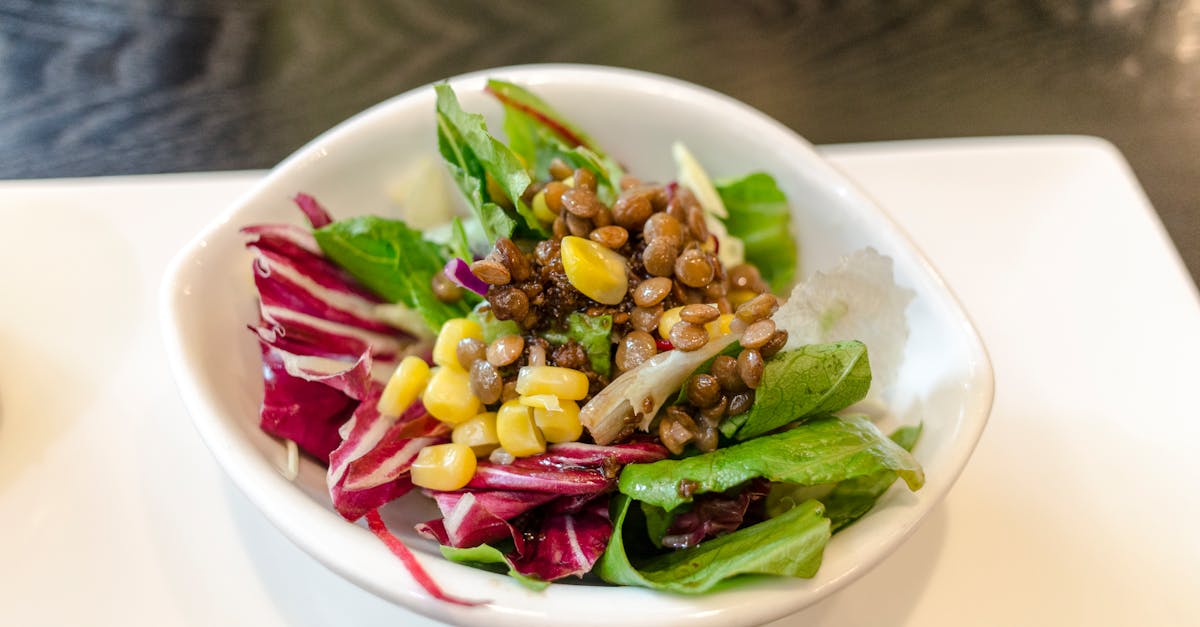
I make a lentil salad recipe every week because it saves time and keeps meals interesting. This guide shows you why lentil salad works, which lentils I use, step-by-step cooking, dressings I trust, four complete variations, serving ideas, storage advice, troubleshooting tips, and nutrition notes.
Key Takeaways
- A lentil salad recipe is a fast, meal-prep-friendly staple—cook 1 cup dry lentils (2–2.5 cups water) in 15–25 minutes to yield multiple meals for the week.
- Choose lentil type to control texture: Puy/green or brown for firm salads, red/yellow for creamy warm dishes, and beluga for visual contrast.
- Use a 3:1:1 ratio by volume (3 parts cooked lentils : 1 part vegetables : 1 part dressing) and 3 tablespoons dressing per 2 cups salad to keep flavors balanced without sogginess.
- Prep tips: cook lentils plain 1–2 days ahead, assemble 4–12 hours before serving for best flavor melding, and store in airtight containers for 3–5 days.
- Fixes and finishing: rescue mushy lentils with crunchy add-ins and acid, adjust flat salads with 1/2 tsp acid per cup, and boost meals with protein (4 oz grilled chicken or salmon) or grains for a complete plate.
Why Choose Lentil Salad: Benefits And Uses
Lentils cook in 15–25 minutes, which means you can get a cooked legume on the table faster than most beans. I lean on lentil salads when I need a quick lunch or an easy potluck dish that feeds 6–8 people, which means one batch often covers several meals.
Lentils pack about 18 grams of protein and 15 grams of fiber per cooked cup (USDA), which means they support satiety and steady blood sugar. They also contain about 358 milligrams of potassium per cup, which means they help with electrolyte balance during active weeks.
Lentil salad stores well for 3–5 days in the fridge when kept in an airtight container, which means you can prep on Sunday and eat through Thursday. Lentil salad works as a packed lunch, a side dish, or a vegetarian main, which means it fits varied meal plans and busy schedules.
I recommend lentil salad for meal prep, picnics, and weeknight dinners because it tastes better after a few hours of resting, which means flavors meld and textures soften in a useful, predictable way.
Which Lentils To Use And How They Affect Texture
Brown lentils: I use them when I want firm but tender lentils that hold up in salads: they take 20–25 minutes to cook, which means they stay intact under dressings. Green lentils (Puy): I choose Puy for peppery flavor and a firm bite: they keep shape exceptionally well, which means the salad looks and feels textured.
Red and yellow lentils: They break down into a creamy puree if overcooked and cook in 10–15 minutes, which means they’re best for mashed or warm salads where you want silkiness. Black lentils (beluga): They stay tight and glossy after 20–25 minutes, which means the salad has visual contrast and a firmer mouthfeel.
Lentil-to-water ratio matters: typically 1 cup lentils to 2–2.5 cups water, which means you get even cooking without mush. Salt timing changes texture: I add salt near the end of cooking, which means lentils won’t toughen early and will season evenly.
Essential Ingredients And Flavor Pairings
I always include an acid (lemon or vinegar), oil, salt, and pepper, which means the base flavors are balanced and the salad tastes finished. For brightness I add chopped parsley, which means the bowl feels fresh: for warmth I add cumin, which means the salad gains depth.
A simple ratio I use is: 3 parts cooked lentils to 1 part chopped vegetables and 1 part dressing by volume, which means each bite has balance and variety.
Vegetables, Herbs, And Add-Ins
Crunch: raw fennel, cucumber, or chopped radish provide bite, which means the salad isn’t flat. Sweetness: roasted carrots or diced apple add contrast, which means each forkful hits multiple taste notes.
Herbs: parsley, cilantro, and mint change the profile instantly: 1 cup of herbs per 4 cups salad brightens flavor, which means you can shift cuisine direction without changing core ingredients.
Protein, Grains, And Cheese Options
Add grilled chicken or canned tuna for extra protein: 4 ounces per serving gives about 25 grams protein, which means the salad becomes a full meal. Add cooked farro or quinoa at a 1:1 ratio with lentils for heft, which means the dish satisfies bigger appetites.
Cheese: a sprinkle of feta or grated Parmesan adds umami: 1 ounce per serving enhances creaminess, which means you don’t need heavy dressings to get richness.
Simple Vinaigrette And Dressing Variations
A basic vinaigrette is a reliable starting point: 3 parts oil to 1 part acid plus mustard and salt, which means the dressing clings and emulsifies. I vary oils and acids to match the salad, olive oil and lemon for Mediterranean, walnut oil and sherry vinegar for autumn, which means the dressing reinforces the main ingredients.
I measure dressings: 3 tablespoons dressing per 2 cups of salad keeps flavor balanced, which means the lentils don’t get soggy. Dressing storage: chilled vinaigrette lasts 7–10 days in the fridge, which means you can make a double batch and use it across meals.
Classic Lemon Vinaigrette Recipe (Step-By-Step)
Ingredients: 3 tablespoons extra-virgin olive oil, 1 tablespoon lemon juice, 1 teaspoon whole-grain mustard, 1 small garlic clove (minced), 1/4 teaspoon salt, pinch of black pepper. I whisk for 30 seconds until glossy, which means the oil and acid bind. I taste and adjust, if it’s flat I add 1/2 teaspoon honey, which means acidity rounds out.
This vinaigrette yields about 4 tablespoons, which means it dresses roughly 5–6 cups of salad. I store leftovers in a jar and shake before using, which means the emulsion refreshes quickly.
Creamy Dijon Tahini Dressing Option
Ingredients: 2 tablespoons tahini, 1 tablespoon lemon juice, 1 teaspoon Dijon, 2–3 tablespoons water to thin, 1/4 teaspoon salt. I whisk until smooth and add water until it reaches a pourable texture, which means the dressing coats lentils without pooling. Tahini adds 3–4 grams of protein per tablespoon, which means the dressing boosts satiety alongside lentils.
Step-By-Step Lentil Cooking And Salad Assembly
I start with a quick rinse and a visual check for stones, which means contaminants are removed before cooking. I add lentils to cold water and bring to a simmer, which means they cook evenly from the inside out.
How To Cook Lentils Perfectly Every Time
- Measure 1 cup lentils, rinse, pick over for debris. 2. Combine with 2 to 2.5 cups water in a saucepan and add 1 bay leaf. 3. Bring to a gentle simmer, reduce heat, and cook uncovered: 20–25 minutes for brown/green, 18–20 for Puy, 10–15 for red. I taste at 10-minute intervals after the first 10 minutes, which means I stop cooking when lentils are tender but still hold shape.
I drain and remove the bay leaf, then spread lentils on a tray to cool, which means they stop cooking from residual heat and don’t become mush.
Assembling The Salad: Layering Flavors And Textures
I combine cooled lentils, chopped vegetables, herbs, and 3 tablespoons dressing per 2 cups salad in a large bowl, which means the dressing coats evenly without drowning ingredients. I fold in delicate herbs last and adjust salt and acid at the end, which means fragile flavors stay vibrant.
I add finishing touches like toasted nuts or a squeeze of lemon immediately before serving, which means the texture and brightness are at their peak.
Timing And Make-Ahead Tips For Best Flavor
Make lentils 1–2 days ahead and store them plain in the fridge, which means they stay versatile for different salads. Assemble the full salad 4–12 hours before serving for best flavor melding, which means the dressing has time to season the lentils and vegetables.
If serving at a picnic, I keep dressing separate and toss within 30 minutes of serving, which means the salad won’t become watery on transport.
Four Flavorful Lentil Salad Variations With Ingredient Lists
I designed four complete salads that cover bright, spiced, roasted, and herby profiles. Each recipe serves 4 and lists exact measures so you can cook confidently.
Mediterranean Lentil Salad
Ingredients: 2 cups cooked green or Puy lentils, 1 cup diced cucumber, 1 cup halved cherry tomatoes, 1/2 cup chopped red onion, 1/3 cup crumbled feta, 1/4 cup chopped parsley, 3 tbsp lemon vinaigrette. I use 1 teaspoon dried oregano, which means the salad tastes familiar and balanced.
This salad keeps 3 days refrigerated, which means you can prep for lunches. I sometimes add a splash of red wine vinegar (1 tsp) if tomatoes are bland, which means acidity lifts the overall flavor.
Indian-Spiced Lentil Salad With Yogurt Dressing
Ingredients: 2 cups cooked brown lentils, 1/2 cup diced cucumber, 1/4 cup chopped cilantro, 2 tbsp toasted coconut flakes, 1/4 cup plain yogurt, 1 tsp garam masala, 1/2 tsp turmeric, 1 tbsp lemon juice. I whisk yogurt with spices until smooth, which means the dressing coats without clumping.
This version delivers warming spices and about 12 grams protein per serving from lentils and yogurt, which means it’s a satisfying post-workout or dinner option.
Autumn Harvest Lentil Salad With Roasted Veggies
Ingredients: 2 cups cooked brown lentils, 1 cup roasted butternut squash (diced), 1/2 cup roasted Brussels sprouts quarters, 1/4 cup toasted walnuts, 2 tbsp sherry vinaigrette, 1/4 cup crumbled goat cheese (optional). Roasting vegetables at 400°F for 20–25 minutes caramelizes sugars, which means you get concentrated sweetness and texture contrast.
This salad reheats well for 30–60 seconds in a microwave, which means you can enjoy it warm without losing structure.
Fresh Herby Spring Lentil Salad With Citrus
Ingredients: 2 cups cooked green or Puy lentils, 1 cup chopped asparagus (blanched), 1/2 cup peas, 1/2 cup chopped mint, 1/4 cup chopped chives, 3 tbsp citrus vinaigrette (orange and lemon). I add 1 tsp orange zest for aroma, which means the salad feels bright and seasonal.
This herby salad contains about 6 grams fiber per serving, which means it supports fullness and healthy digestion.
Serving Suggestions And Pairings
Lentil salad can be a side or a main depending on portion and add-ins, which means you can adapt it for a weeknight meal or a holiday spread. I serve 1 to 1.5 cups per person as a main and 1/2 cup as a side, which means you control calorie and protein intake precisely.
How To Turn A Salad Into A Meal Or A Side
Add 4 ounces of grilled salmon, chicken, or 1/2 cup cooked quinoa per serving to make it a complete meal, which means you add 20–30 grams of extra protein. Keep it simple with warm roasted vegetables and a drizzle of olive oil to serve as a side, which means the salad complements heavier mains without overwhelming them.
Wine, Bread, And Protein Pairings
For Mediterranean versions I pair a crisp Sauvignon Blanc or a dry rosé, which means acidity in the wine matches lemon and herbs. For autumn or roasted-veg salads I pick a light-bodied Pinot Noir, which means the wine’s soft tannins suit roasted squash and walnuts.
Serve with crusty bread or pita for scooping, which means you get a satisfying mouthfeel and a delivery method for the salad’s dressing and juices. I sometimes present lentil salad over mixed greens for volume, which means diners get both bulk and nutrient variety.
Storage, Meal Prep, And Reheating Guidelines
Cooked lentils last 3–5 days in the refrigerator at 40°F or below (USDA guidance), which means you should use them within the workweek. I store salads in airtight glass containers, which means flavors stay fresher and odors don’t transfer.
How Long Lentil Salad Keeps And Best Containers
Use shallow containers for quick cooling: divide into 1–2 cup portions, which means you speed chill times and reduce bacteria growth. I label containers with the date, stored lentils show the date they were cooked, and discard after 5 days, which means you stay safe.
Freezing, Thawing, And Texture Considerations
I avoid freezing salads with fresh vegetables and dressings because cell walls rupture and make them watery, which means texture suffers. Cooked plain lentils freeze well for up to 6 months in airtight freezer bags, which means you can thaw portions and assemble fresh salads later.
Thaw in the fridge overnight and gently reheat or dress cold, which means you preserve texture and flavor.
Troubleshooting Common Problems And Expert Tips
If lentils are mushy, you probably overcooked them: use firmer lentils next time and cut cooking time by 25%, which means you get better bite. If lentils are undercooked, simmer for 5–10 more minutes and test every 2 minutes, which means you avoid overshooting texture.
Fixing Mushy Or Undercooked Lentils
Mushy lentils can be rescued in a warm salad by adding chopped crisp vegetables and a vinegar splash: this adds contrast, which means the dish becomes balanced even though texture issues. Undercooked lentils can be reheated with 1–2 tablespoons water and simmered gently until tender, which means you preserve shape without heavy dilution.
Balancing Flavors And Adjusting Texture
If a salad tastes flat, add 1/2 teaspoon of acid per cup of salad (lemon or vinegar) and 1/8 teaspoon salt, which means the profile sharpens immediately. To firm a watery salad, add crunchy elements like toasted seeds or raw veggies, which means you restore texture contrast.
I keep a small jar of toasted seeds handy, 1/4 cup per salad, because crunch masks slight over-dressing, which means quick fixes are easy during serving.
Nutrition, Allergies, And Dietary Swaps
One cooked cup of lentils provides about 230 calories, 18 grams protein, 15 grams fiber, and 6.6 mg iron (USDA), which means lentils are a nutrient-dense foundation for many diets. Lentils are naturally gluten-free and low in fat, which means they fit vegan and many allergy-friendly plans.
Nutritional Highlights And Portion Guidance
A main-course portion of 1.5 cups offers roughly 27 grams protein and 22 grams fiber, which means it supports muscle repair and digestion for most adults. For calorie control, I serve 3/4 cup with a lean protein and a vegetable side, which means total meal calories stay moderate.
Allergy-Friendly Substitutions And Vegan Notes
If you need nut-free dressings, replace toasted nuts with toasted sunflower seeds, which means you retain crunch without allergens. For dairy-free swaps, use olives or avocado instead of cheese, which means you get fat and richness without lactose.
If you’re vegan, choose olive oil or tahini dressings and skip yogurt or cheese, which means the salad stays plant-based and still rich in protein and flavor.
Conclusion
I return to a lentil salad recipe because it adapts and stays reliable through busy weeks, which means you have a go-to dish that saves time and nourishes. Start with the lentil type you prefer, make a dressing you enjoy, and follow the cooking steps for consistent results, which means you’ll get perfect texture every time.
If you need inspiration, try the Mediterranean version for a sunny weeknight, the Indian-spiced bowl when you want warmth, or the autumn roast when you crave comfort, which means there’s a lentil salad for every mood. For extra resources on creative pairings and sauces, I often browse recipe collections like a basil alfredo guide for inspiration on balancing richness, which means you can borrow ideas across cuisines. For fun weekend baking to serve alongside salads, I pair with a simple buttermilk crepes recipe for an elegant touch, which means guests feel impressed without extra work. I also consult hearty pasta recipes when I want a blended menu: a baked ziti recipe helps me plan sides, which means I can coordinate textures and flavors professionally.
Start a batch this weekend: 1 cup dry lentils, a basic vinaigrette, and two bright add-ins will get you a reliable salad in under 40 minutes, which means you’ll have lunches and dinners covered with one effort.
Frequently Asked Questions
How long does a lentil salad recipe keep in the fridge and how should I store it?
Cooked lentil salad keeps 3–5 days in an airtight container in the fridge at 40°F or below. Store cooked plain lentils separately for up to 5 days, label with the date, and use shallow containers for faster cooling to reduce bacterial risk and preserve texture.
What’s the best way to cook lentils for a salad so they hold their shape?
Rinse 1 cup lentils, combine with 2–2.5 cups cold water and a bay leaf, bring to a gentle simmer, and cook uncovered: 20–25 minutes for brown/green, 18–20 for Puy. Taste periodically and stop when tender but still firm, then cool on a tray to halt cooking.
What basic dressing ratio should I use for a lentil salad recipe to avoid sogginess?
Use a 3:1 oil-to-acid vinaigrette and about 3 tablespoons dressing per 2 cups of salad. This keeps flavors balanced and prevents soggy lentils. Add mustard to help emulsify and whisk or shake until glossy, adjusting salt, acid, or a touch of honey to taste.
Can I use canned lentils for a lentil salad recipe, and how should I prepare them?
Yes—drain and rinse canned lentils well to remove canning liquid, then spread them on a tray to cool briefly so they don’t overcook in warm dressings. Reduce dressing slightly (they absorb more salt) and add crunchy vegetables to restore texture lost from softer canned lentils.
Is lentil salad a good option for weight loss or high-protein meals?
Lentil salad is nutrient-dense and filling: one cooked cup has about 18 g protein and 15 g fiber, supporting satiety and stable blood sugar. Use 3/4–1.5 cup portions and add lean protein or vegetables to control calories while keeping protein high for weight-management goals.
