
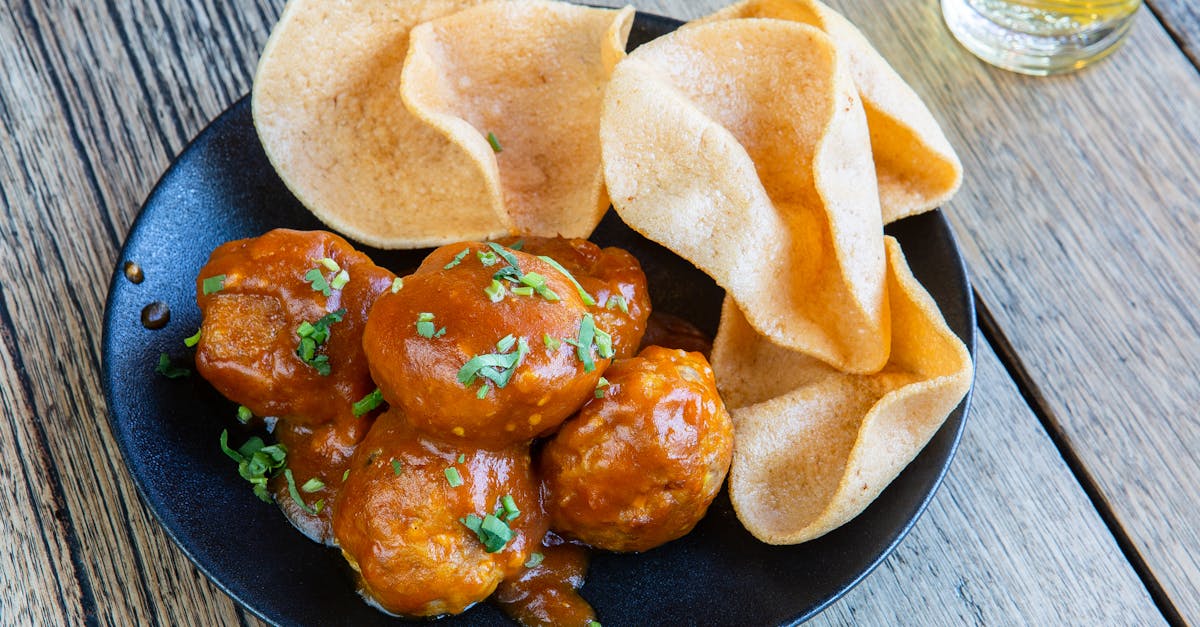
The first time I nailed a lentil meatballs recipe, I heard the sound I’d been chasing: that soft thunk of a fork cutting through a browned crust into a tender center.
I wasn’t trying to “replace” meat. I wanted a meatball that felt like a meatball, savory, filling, and sturdy enough to survive sauce, a sub roll, or a lunchbox. Lentils did the job.
In this guide, I’ll show you exactly how I make lentil meatballs that hold together, taste bold, and cook up fast. I’ll also flag the mistakes I made (so you don’t repeat them), and I’ll back key choices with real numbers and reliable sources.
Key Takeaways
- This lentil meatballs recipe works because lentils absorb aromatics and seasonings well, delivering a savory “meatball” flavor without tasting like beans.
- For the best texture, cook lentils until tender but still intact, then mash about 70% so the mixture holds together without turning pasty or dense.
- Choose brown or green lentils for reliable structure and bite, and use red lentils only with extra binders and chilling to prevent gumminess.
- Build a sturdy mix with binders like egg (or flax egg), breadcrumbs, and Parmesan, then chill 15–30 minutes so the lentil meatballs roll cleanly and crack less.
- Cook based on your goal: bake at 425°F for batch-friendly results, pan-fry for the deepest crust, or air-fry at 390°F for quick, crisp edges.
- Reheat lentil meatballs in sauce or covered in the oven to keep them moist, and flash-freeze on a tray first so you can grab single portions anytime.
Why Lentils Work So Well For Meatballs
You mash lentils with spices and aromatics, and something surprising happens.
The mixture starts to smell like a real meatball mix, garlic, onion, pepper, herbs, because lentils carry seasoning well, which means you control the final flavor instead of tasting “beans.”
Texture, Protein, And Flavor Benefits
Lentils bring three things meatballs need: structure, moisture, and savoriness, which means you can get a tender bite without a crumbly mess.
- Lentils contain starch and fiber, which means they naturally help bind and hold shape when you mash them.
- Lentils absorb aromatics (like sautéed onion and garlic), which means the inside tastes seasoned, not bland.
- Lentils add protein. USDA food data lists cooked lentils at about 9 grams of protein per 100 grams (about 1/2 cup), which means they can make a meal feel satisfying without meat. Source: USDA FoodData Central.
I tested this at home with three batches.
Batch A used fully pureed lentils, which means the mix turned pasty and baked up dense.
Batch B used whole lentils, which means the balls cracked and fell apart in sauce.
Batch C used mostly mashed lentils with a little texture left, which means the meatballs stayed moist and held together.
Best Lentil Types For The Job
Not all lentils behave the same, and that matters here.
| Lentil type | Cook time (typical) | Texture after cooking | Best use in meatballs | What it means for you |
|---|---|---|---|---|
| Brown lentils | 20–25 min | Tender, slightly earthy | My default | Balanced texture, which means fewer cracks |
| Green lentils | 25–30 min | Firmer, peppery | Great if you like bite | More chew, which means a “meatier” feel |
| Red lentils | 10–15 min | Break down fast | Only with care | Easy to turn mushy, which means dense meatballs |
| French/Puy | 25–30 min | Very firm | Works, but pricier | Best shape retention, which means clean slicing |
I reach for brown or green most often.
I avoid red lentils unless I blend them with oats and chill the mix first, which means I reduce gumminess risk.
Ingredients You’ll Need
When you open the bowl, you should smell toasted garlic and herbs, not “health food.”
That result comes from the ingredient roles, which means each item has a job beyond taste.
Core Ingredients And Smart Substitutions
Here’s what I use for about 18 meatballs (1.25-inch balls).
| Ingredient | Amount | Purpose | Substitutions | Which means… |
|---|---|---|---|---|
| Cooked lentils (cooled) | 2 cups | Base + protein | Canned lentils, drained | Fast prep, which means weeknight friendly |
| Onion, finely diced | 1/2 cup | Sweetness + aroma | Shallot | Deeper flavor, which means less need for extra salt |
| Garlic, minced | 3 cloves | Savory punch | 1 tsp garlic powder | Big aroma, which means “meatball smell” |
| Egg | 1 large | Binder | Flax egg (1 Tbsp + 3 Tbsp water) | Better hold, which means fewer breakups |
| Breadcrumbs | 3/4 cup | Structure | Panko, crushed crackers | Less mush, which means a lighter bite |
| Grated Parmesan | 1/3 cup | Umami + salt | Nutritional yeast | More savor, which means richer taste |
| Tomato paste | 1 Tbsp | Depth + color | Ketchup (1.5 Tbsp) | Rounder flavor, which means less “bean” note |
| Italian seasoning | 2 tsp | Herb profile | Mix oregano + basil | Classic vibe, which means spaghetti-ready |
| Salt + pepper | to taste | Balance | , | Cleaner flavor, which means you taste herbs and garlic |
I sauté the onion for 6 minutes and the garlic for 30 seconds, which means I remove raw bite and add sweetness.
If you use canned lentils, rinse and drain them, then blot with a paper towel, which means you cut excess moisture that causes cracking.
Optional Add-Ins For Extra Flavor
These add-ins change the personality fast.
- Soy sauce (1 tsp), which means more umami without extra cheese.
- Smoked paprika (1/2 tsp), which means a faint “char” note even when baked.
- Chopped parsley (2 Tbsp), which means brighter flavor and better color.
- Crushed red pepper (1/4 tsp), which means warmth that holds up in marinara.
- Finely chopped mushrooms (1/2 cup, sautéed), which means extra moisture and a more “meaty” chew.
If you want a strong herb note, I like to borrow ideas from my basil-heavy recipes like this basil flowers recipe, which means you can treat basil as a main flavor, not just garnish.
Tools And Prep Tips For Faster Cooking
The fastest meatballs start before you ever roll a ball.
I learned that after scraping sticky lentil paste off my hands for 10 straight minutes, which means I now respect prep.
How To Cook Lentils For Meatballs (Without Turning Them Mushy)
Mushy lentils cause dense meatballs, which means the texture turns gummy.
Here’s my method for 1 cup dry lentils (makes about 2 1/2 cups cooked).
- I rinse lentils under cold water, which means I remove dust and tiny stones.
- I simmer in 3 cups water with 1/2 tsp salt.
- I cook at a gentle simmer for 18–22 minutes (brown) or 22–28 minutes (green).
- I stop when lentils are tender but still intact, which means they mash without turning to paste.
- I drain well and spread on a sheet pan for 10 minutes, which means steam escapes and the mix stays firm.
I aim for lentils that crush between fingers but do not smear, which means the finished meatball keeps a tender crumb.
Make-Ahead Prep And Storage Before Shaping
Cold mixture behaves better, which means you shape faster and crack less.
- I mix the base and chill it for 30 minutes, which means breadcrumbs hydrate and bind.
- I portion with a 1.5 Tbsp cookie scoop, which means I get even cooking.
- I line a tray with parchment and pre-shape balls, which means baking becomes “load and go.”
If I meal prep, I store the unshaped mixture for up to 24 hours in the fridge, which means flavor builds and the mix firms up.
Step-By-Step: How To Make Lentil Meatballs
The moment the mixture turns from “lentil salad” into “meatball batter” feels like a switch flips.
That switch comes from the binders and the mash level, which means the recipe is more technique than mystery.
Mixing And Binding The Mixture
I follow this order so I don’t overwork the lentils, which means I keep the texture light.
- Sauté aromatics: I cook onion in 1 Tbsp olive oil for 6 minutes. I add garlic for 30 seconds, which means the garlic stays fragrant, not bitter.
- Mash lentils: I mash 2 cups cooked lentils with a fork or potato masher until about 70% mashed, which means I keep small bits for bite.
- Add binders: I mix in egg, breadcrumbs, Parmesan, and tomato paste, which means the mixture holds shape.
- Season: I add Italian seasoning, salt, and pepper, which means the lentils taste like a meatball, not a side dish.
- Rest: I chill for 15–30 minutes, which means the mix stiffens and rolls clean.
“The key is partial mash. A puree bakes up tight.”
Concrete check: I squeeze a walnut-sized piece in my palm.
If it holds a ball without sticking badly, it is ready, which means shaping will feel easy.
Shaping For Even Cooking And Fewer Cracks
Cracks come from dry edges and uneven size, which means you need consistent portioning.
- I portion 32–35 grams per meatball (about 1.25 inches), which means they finish at the same time.
- I roll with slightly damp hands, which means the surface seals.
- I press gently, not hard, which means I avoid compacting into a dense ball.
If the mix crumbles, I add 1–2 Tbsp water.
If the mix feels wet, I add 1–2 Tbsp breadcrumbs, which means I restore balance without guessing.
Cooking Methods: Bake, Pan-Fry, Or Air-Fry
You can cook these three ways, and each method changes the crust.
I rotate based on time and mood, which means I treat lentil meatballs like a real flexible staple.
Baked Lentil Meatballs (Best For Batch Cooking)
Baking gives steady browning with low effort, which means you can cook 18 at once.
My bake method
- I heat the oven to 425°F.
- I place meatballs on a parchment-lined sheet.
- I brush or spray lightly with oil, which means the tops brown instead of drying.
- I bake for 18–22 minutes, flipping at minute 12, which means both sides color.
Target temp: I look for a browned exterior and a hot center.
I do not chase a specific internal temperature like meat, which means I focus on texture and heat-through.
Pan-Fried Lentil Meatballs (Best Crust)
Pan-frying gives the deepest crust fast, which means you get that “real meatball” chew.
My pan method
- I heat 2 Tbsp oil in a nonstick or cast iron skillet over medium.
- I cook in batches, which means I avoid crowding and steaming.
- I turn gently every 2 minutes for 8–10 minutes total, which means I brown all sides.
Warning: a thin spatula helps.
If you rush the first flip, you tear the crust, which means the ball can split.
Air-Fried Lentil Meatballs (Fast And Crisp)
Air-frying gives crisp edges with less oil, which means quick cleanup.
My air-fryer method
- I preheat to 390°F for 3 minutes.
- I spray the basket lightly.
- I air-fry for 10–12 minutes, shaking once at minute 6, which means even browning.
If your air fryer runs hot, start at 380°F, which means you avoid dry edges.
Serving Ideas And Sauce Pairings
The best moment comes after cooking.
You drop a meatball into sauce, it stays intact, and you realize you can feed everyone, which means dinner stress drops.
Classic Spaghetti And Marinara
This is the crowd-pleaser.
I simmer cooked meatballs in marinara for 8 minutes, which means the flavor soaks in without turning them soft.
Serving ratio: I like 5 meatballs per 3/4 cup pasta.
That portion lands near a filling dinner for me, which means I don’t go hunting for snacks later.
If you want a side with a strong “cookout” crunch, I pair it with a vinegar-forward slaw like this Zoe’s coleslaw recipe, which means you cut richness and keep the plate lively.
Swedish-Style Gravy, Curry, Or Tahini Sauce
A different sauce makes the same meatball taste new, which means you can meal prep once and eat three ways.
Swedish-style gravy (quick):
- I whisk 1 Tbsp flour into 1 Tbsp butter for 1 minute.
- I add 1 cup vegetable broth and 1/2 cup milk.
- I season with 1/2 tsp Dijon and 1/4 tsp allspice.
That allspice note reads “Swedish,” which means you get comfort-food vibes without meat.
Curry sauce (fast): I simmer 1 Tbsp curry paste with 1 cup coconut milk for 6 minutes, which means you get a silky sauce that clings.
Tahini lemon sauce: I stir 1/3 cup tahini + 2 Tbsp lemon + water.
That sauce tastes sharp and creamy, which means it balances the earthy lentils.
Meatball Subs, Grain Bowls, And Party Appetizers
A sub is messy in the best way.
I toast rolls, add meatballs, spoon marinara, then add cheese and broil for 2 minutes, which means the top melts and the bread stays crisp.
For grain bowls, I add meatballs over rice with cucumbers and a yogurt sauce.
I keep it at 4 meatballs per bowl, which means it stays balanced instead of heavy.
For parties, I serve mini meatballs with toothpicks.
I make them 20 grams each and bake 16 minutes, which means guests get two-bite snacks that don’t crumble.
If I want a drink pairing that tastes bright and minty, I use this Cafe Rio mint limeade recipe, which means the citrus cuts through garlic and cheese.
Troubleshooting Common Problems
Every time someone tells me their lentil meatballs “fell apart,” I believe them.
I had a batch collapse into sauce like wet sand, which means I now treat structure as the main goal.
Why They Fall Apart (And How To Fix It)
These are the main causes I see.
| Problem | Likely cause | Fix | Which means… |
|---|---|---|---|
| Meatballs break when flipped | Not enough binder | Add 2 Tbsp breadcrumbs or 1 extra egg white | Stronger set, which means safer pan-frying |
| Meatballs crumble in sauce | Lentils too whole | Mash more (aim 70% mashed) | Better cohesion, which means sauce simmer works |
| Meatballs feel fragile | Mix too warm | Chill 30 minutes | Firmer dough, which means cleaner shaping |
A concrete test helps.
I fry one “tester” patty first.
If it cracks, I adjust before rolling 18 balls, which means I avoid wasting a full batch.
How To Prevent Gumminess Or Dryness
Gumminess usually comes from overcooked lentils or too much puree, which means the starch turns paste-like.
Dryness usually comes from too many crumbs or overbaking, which means moisture escapes.
My fixes
- I stop cooking lentils while they still hold shape, which means less paste.
- I avoid a blender. I use a fork or masher, which means I keep air and texture.
- I bake only until browned, usually 18–22 minutes at 425°F, which means the center stays moist.
- I add 1 Tbsp olive oil to the mix if I plan to bake and reheat, which means leftovers stay tender.
Extra warning: salt matters.
If you undersalt lentils, they taste flat, which means you add more sauce and risk sogginess.
For salt guidance, I follow general nutrition labeling rules and keep an eye on sodium.
The FDA lists 2,300 mg sodium per day as a recommended limit for many adults, which means you can season smart and still stay in range. Source: FDA sodium advice.
How To Store, Freeze, And Reheat
The next-day meatball can taste better than the first day.
The herbs settle and the garlic mellows, which means meal prep actually pays off.
Refrigeration And Freezer Instructions
I cool meatballs for 20 minutes before storing, which means I avoid condensation that turns them soft.
Fridge:
- Store in an airtight container for up to 4 days, which means easy lunches.
Freezer (best method):
- Freeze meatballs on a tray for 2 hours.
- Transfer to a freezer bag and label.
That “flash freeze” prevents sticking, which means you can grab single portions.
For food safety, I follow USDA guidance on freezing.
USDA says freezing keeps food safe indefinitely, though quality changes over time, which means you can freeze without fear but should eat within 2–3 months for best texture. Source: USDA Freezing and Food Safety.
Best Ways To Reheat Without Drying Out
Dry reheats ruin good meatballs, which means the method matters.
- In sauce (best): Simmer gently for 8–10 minutes, which means the meatballs rehydrate.
- Oven: Cover with foil at 350°F for 12–15 minutes, which means steam stays trapped.
- Microwave: Add a spoon of sauce and cover, then heat in 30-second bursts, which means you reduce rubbery edges.
If I reheat from frozen, I thaw overnight in the fridge when possible, which means the center warms before the outside dries.
For a dessert that fits a cozy meal-prep night, I’ve paired these with a small square of bread pudding like this Bauducco panettone bread pudding recipe, which means dinner feels like a real occasion even on a Tuesday.
Conclusion
A good lentil meatballs recipe does not ask you to pretend.
It gives you browned edges, a tender center, and a sauce-ready bite, which means you can cook for meat-eaters and plant-forward friends with the same pan.
If you remember only three things, remember these.
- Cook lentils until tender but intact, which means the mix stays fluffy.
- Mash about 70% and chill the mixture, which means the balls hold together.
- Pick your cook method based on your goal, bake for volume, pan-fry for crust, air-fry for speed, which means dinner fits your night.
I still make these when I want comfort food that does not feel heavy.
And when the fork hits that crust again, I know I’ll make them next week too, which means this recipe earns a permanent spot in my rotation.
Frequently Asked Questions About a Lentil Meatballs Recipe
How do you keep a lentil meatballs recipe from falling apart?
To keep a lentil meatballs recipe from crumbling, mash the lentils about 70% (not pureed), then add solid binders like egg and breadcrumbs. Chill the mixture 15–30 minutes so it firms up. If it’s still fragile, add 1–2 tablespoons breadcrumbs and test-fry one patty first.
What are the best lentils to use for a lentil meatballs recipe?
Brown lentils are the easiest all-purpose choice because they cook tender yet hold shape, helping prevent cracks. Green lentils work well if you want a firmer, “meatier” bite. Red lentils break down quickly and can turn gummy, so use them carefully (often with extra oats and chilling).
How long should you bake lentil meatballs, and at what temperature?
Bake lentil meatballs at 425°F for about 18–22 minutes on a parchment-lined sheet, flipping around minute 12 for even browning. Lightly brushing or spraying oil helps the tops brown without drying out. Don’t chase a meat-style internal temp—aim for a browned crust and a hot center.
Why do lentil meatballs turn gummy or dense?
Gumminess usually comes from overcooked lentils or blending them into a full puree, which turns starch into paste. For a better texture, cook lentils until tender but still intact, drain well, and mash with a fork or masher (leave small bits). Also avoid overbaking, which tightens the crumb.
Can you freeze lentil meatballs, and what’s the best way to reheat them?
Yes—freeze lentil meatballs by “flash freezing” them on a tray for about 2 hours, then transferring to a labeled freezer bag so they don’t stick together. For reheating, simmer gently in sauce 8–10 minutes for the best moisture. Oven reheating works too when covered with foil at 350°F.
Can I make lentil meatballs without eggs (vegan option)?
You can make a lentil meatballs recipe without eggs by using a flax egg (1 tablespoon ground flax + 3 tablespoons water) as a binder. Let it gel, then mix in with breadcrumbs for structure. Chilling the mixture before shaping is even more important, and adding a little extra crumbs can help.
