
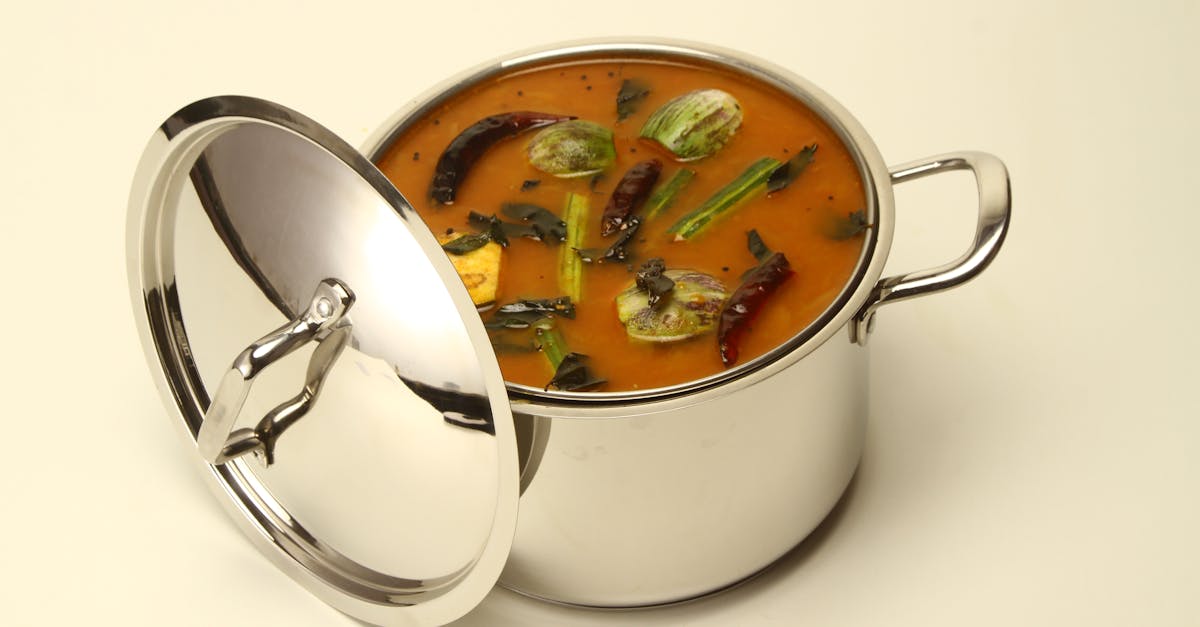
The first time I tested a lentil eggplant curry for high protein, I got humbled. The flavor was great, but the pot looked like soup and the eggplant melted into nothing.
So I rebuilt it like I build any repeatable weeknight recipe: I measured water, weighed lentils, timed the eggplant, and wrote down what actually worked. This version lands on a thick, spoon-coating curry with tender lentils and silky eggplant, and it keeps protein high without turning chalky or gummy, which means you stay full longer and you don’t dread leftovers.
Key Takeaways
- This lentil eggplant curry high protein recipe stays thick and spoon-coating by measuring liquid, timing the eggplant, and resting the pot 5 minutes before serving.
- Use lentils as the main protein base (brown/green for structure, red for creaminess), and try a 50/50 mix to get both hearty bite and a naturally thick sauce.
- Salt eggplant cubes for 20 minutes, then blot dry so they brown instead of steam, keeping the curry from turning watery and the eggplant from melting into mush.
- Boost protein without wrecking texture by adding pressed, pan-seared tofu at the end and stirring in tempered Greek yogurt off heat so it stays smooth and doesn’t split.
- Bloom cumin, coriander, turmeric, and chili in oil, then darken tomato paste briefly to build restaurant-level depth before simmering lentils and adding eggplant.
- Meal-prep smarter by making the spiced tomato base up to 3 days ahead and adding lentils and eggplant closer to serving so leftovers stay high-protein and texturally satisfying.
Why This Lentil Eggplant Curry Is High-Protein And Satisfying
The moment this curry clicks is when you scoop it and it holds on the spoon. You smell toasted cumin and garlic. You see glossy cubes of eggplant instead of gray mush.
I designed this lentil eggplant curry high protein recipe around two things: protein density and texture control, which means you get real satiety and a curry you’ll want again.
“Protein increases satiety more than fat or carbohydrate.”, Harvard T.H. Chan School of Public Health, which means a higher-protein curry can curb the snack-hunt later.
Protein Sources In The Recipe
I rely on a few steady protein anchors.
- Red or brown lentils provide the base protein, which means each bowl gets a meaningful protein lift without added powders.
- Optional tofu or Greek yogurt adds concentrated protein, which means you can push the meal into “post-workout dinner” territory.
- Pumpkin seeds or hemp seeds add protein plus crunch, which means the bowl feels finished and not soft-on-soft.
Concrete example: 1 cup of cooked lentils has about 18 g of protein (USDA FoodData Central), which means lentils alone can carry a large share of your daily target.
How To Make It Higher-Protein Without Ruining Texture
High-protein add-ins can wreck curry texture fast. I learned that the annoying way.
Here’s what I do now, which means the curry stays thick and smooth:
- Use firmer lentils (brown/green) for structure if you hate mush, which means your curry keeps bite even after reheating.
- Stir in pressed, pan-seared tofu at the end instead of simmering it from the start, which means tofu stays chewy instead of spongey.
- Add Greek yogurt off the heat and temper it with a spoon of hot curry first, which means it won’t split and look grainy.
- Use seeds as a topper, not in the pot, which means you keep crunch.
My quick rule: Add protein in layers (base + finish), which means you can raise protein without raising “mush risk.”
Ingredients And Substitutions
You can smell a good curry before it tastes good. The ingredient list decides that.
I keep the base simple and flexible, which means you can cook this even when your fridge looks random.
Lentils: Best Types, Cook Times, And Swaps
Lentils change the whole pot. Pick based on the texture you want.
| Lentil type | Cook time (simmer) | Texture result | Best for | Swap notes (which means…) |
|---|---|---|---|---|
| Brown lentils | 20–25 min | Holds shape | Meal prep | Stable texture, which means leftovers stay nice. |
| Green/French (Puy) | 25–35 min | Firm, peppery | “Bowl” style | Chewier bite, which means it feels hearty without extra meat. |
| Red lentils | 10–15 min | Break down | Thick, creamy curry | Natural thickener, which means you can use less coconut milk. |
My default: 50/50 brown + red, which means you get body and structure.
Swap warning: Canned lentils work, but you must reduce liquid by 1 to 1 1/4 cups, which means you won’t end up with lentil soup.
Eggplant: Choosing, Cutting, And Preventing Bitterness
Eggplant can taste silky or like old sponge. The difference is prep.
- I buy 1 large globe eggplant (about 1 to 1.25 lb) or 2 medium Italian eggplants, which means I get enough cubes to feel it in every bite.
- I cut 3/4-inch cubes, which means the centers turn custardy before the edges collapse.
Bitterness control (simple and real):
- I salt the cubes with 1 1/2 teaspoons kosher salt.
- I rest them for 20 minutes.
- I blot them dry.
This pulls out moisture, which means the eggplant browns instead of steaming.
Aromatics, Spices, And Curry Base Options
When I rush the base, the whole curry tastes flat. When I give it 6 minutes, it tastes like a restaurant pot.
Aromatics (base):
- 1 large onion
- 4 cloves garlic
- 1 tablespoon grated ginger
These add sulfur + sweetness, which means the curry tastes “rounded” even with simple spices.
Spices (core):
- 2 teaspoons ground cumin
- 2 teaspoons ground coriander
- 1 teaspoon turmeric
- 1/2 to 1 teaspoon chili powder or Kashmiri chili
Blooming these in oil wakes up fat-soluble flavor compounds, which means you get stronger aroma with the same spice quantity.
Curry base choices:
- Crushed tomatoes (1 can / 14.5 oz) for tang, which means you need less extra acid later.
- Light coconut milk (1 can / 13.5 oz) for richness, which means the curry feels satisfying with fewer toppings.
- Stock or water to control thickness, which means you can match your preferred “stew vs. sauce.”
Protein Boosters: Tofu, Tempeh, Greek Yogurt, And Seeds
Each booster changes mouthfeel, so I pick based on what I crave.
- Extra-firm tofu (14 oz), pressed 15 minutes adds about 35 g protein per block (varies by brand), which means you can push per-serving protein up fast.
- Tempeh (8 oz) adds nutty chew, which means the bowl feels more like a main course.
- Greek yogurt (2–5% fat, 1/2 cup) adds protein + tang, which means the curry tastes brighter without extra lemon.
- Hemp seeds (2 tablespoons) add about 6 g protein (typical label value), which means you can add protein without cooking anything.
If you like fun sides with strong flavors, I sometimes pair this curry with a cooling drink like this mint-limeade recipe, which means you can tame heat without adding more bread.
Step-By-Step: How To Make Lentil Eggplant Curry
You’ll feel the shift when the spices hit hot oil. The kitchen smells “done” before the food is done.
I wrote this method to reduce decision points, which means you can cook it on a weeknight without rereading every line.
Yield: 4 large servings
Equipment: Dutch oven or deep sauté pan (4–6 qt), wooden spoon, lid
Ingredients
- 2 tablespoons avocado oil or olive oil
- 1 large onion, diced
- 4 garlic cloves, minced
- 1 tablespoon fresh ginger, grated
- 2 teaspoons cumin
- 2 teaspoons coriander
- 1 teaspoon turmeric
- 1/2–1 teaspoon chili powder (to taste)
- 2 tablespoons tomato paste
- 1 can (14.5 oz) crushed tomatoes
- 1 can (13.5 oz) light coconut milk or 1 1/2 cups broth
- 1 cup brown lentils, rinsed
- 1/2 cup red lentils, rinsed
- 1 large eggplant (about 1–1.25 lb), 3/4-inch cubes
- 2 1/2 to 3 cups water or broth (start with 2 1/2)
- 2 teaspoons kosher salt (split)
- 1 tablespoon lemon juice or 1 1/2 teaspoons apple cider vinegar
- 2 big handfuls spinach (optional)
- Cilantro (optional)
Optional protein add-ins
- 14 oz extra-firm tofu, pressed and cubed
- 1/2 cup Greek yogurt (stir in off heat)
- 2–3 tablespoons hemp seeds (topper)
Prep Workflow For Faster Cooking
Everything speeds up when you prep in a single pass.
- I dice the onion and mince garlic and ginger, which means I can cook the base without stopping.
- I salt the eggplant for 20 minutes, which means it browns better.
- I rinse lentils in a mesh strainer until water runs mostly clear, which means the curry tastes cleaner.
Concrete timing: Prep takes 25 minutes with eggplant resting, which means the actual “active cooking” stays low.
Build Flavor: Blooming Spices And Developing The Base
This step makes the curry taste like you tried harder than you did.
- I heat oil over medium heat for 60 seconds.
- I add onion and 1/2 teaspoon salt, then cook 6–8 minutes until edges turn golden, which means I build sweetness without sugar.
- I add garlic and ginger for 45 seconds, which means I keep them fragrant and not bitter.
- I add cumin, coriander, turmeric, and chili powder for 30 seconds, which means the spices toast and smell loud.
- I stir in tomato paste for 60 seconds until it darkens slightly, which means I get depth like slow cooking.
Simmering Lentils And Eggplant For The Right Consistency
Lentils want steady heat. Eggplant wants a gentle finish.
- I add crushed tomatoes, coconut milk (or broth), and 2 1/2 cups water/broth.
- I add brown lentils and red lentils.
- I bring the pot to a light boil, then reduce to a steady simmer.
- I cover and cook for 15 minutes, stirring once halfway, which means lentils start softening before eggplant goes in.
- I blot eggplant dry and add it to the pot.
- I simmer 12–18 minutes uncovered, stirring every 3–4 minutes, which means the sauce thickens and the eggplant turns silky.
Doneness check: Brown lentils should feel tender with a tiny center bite. Eggplant should yield with no squeak.
Finish And Balance: Acid, Salt, Heat, And Fresh Herbs
This is where the curry turns from “good” to “I want another bowl.”
- I stir in 1 to 1 1/2 teaspoons salt (to taste).
- I add lemon juice or vinegar.
- I add spinach and cook 2 minutes until wilted.
- I kill the heat.
- I rest the pot 5 minutes, which means starches settle and the curry thickens.
Optional Greek yogurt step: I temper yogurt with 2 tablespoons hot curry in a small bowl, then stir it in off heat, which means it stays smooth.
If you want a crunchy contrast on the table, I like serving a bright side like this Zoe’s-style coleslaw, which means you get crisp texture next to soft curry.
My real-life note: On my third test batch, I tried to “save time” and skipped salting the eggplant. The curry tasted fine, but the texture felt watery. I never skip it now.
Macros, Protein Per Serving, And Portion Planning
The surprise with this curry is how dense it feels without a heavy meat base. One bowl can hit like a full dinner.
I track macros by weight when I test recipes, which means I can tell you what changes actually matter.
Estimating Protein Based On Lentil Type And Serving Size
USDA FoodData Central lists about 18 g protein per 1 cup cooked lentils, which means lentils are not a “side”, they are the main.
Here is a practical way I estimate protein for this recipe.
| Version | Main protein inputs | Estimated protein per serving (4 servings) | Which means… |
|---|---|---|---|
| Base curry | 1.5 cups dry lentils total (brown + red) | ~18–24 g | You can hit a solid protein target without extra add-ins. |
| + tofu | Base + 14 oz extra-firm tofu | ~26–34 g | You get a high-protein dinner that still feels like curry, not tofu stew. |
| + yogurt + seeds | Base + 1/2 cup Greek yogurt + 2 tbsp hemp seeds per bowl | ~24–32 g | You raise protein and improve texture, which means better leftovers. |
These are estimates. Your brand labels and serving size will shift numbers, which means you should check your exact packages if you track closely.
How Rice, Naan, And Toppings Change The Macro Profile
Sides can quietly erase your macro plan.
- 1 cup cooked white rice has about 200 calories (USDA typical value), which means portions matter if you want a deficit.
- Naan often lands around 250–320 calories per piece (brand dependent), which means it can double the calorie load of a “healthy” bowl.
I use this simple portion plan:
| Goal | Curry portion | Side portion | Which means… |
|---|---|---|---|
| Higher protein, moderate carbs | 2 cups curry | 1/2 cup cooked rice | You keep carbs controlled while staying full. |
| Training day | 2 cups curry + tofu | 1 to 1 1/2 cups rice | You get more glycogen support, which means better workout recovery. |
| Lower carb | 2 cups curry | Cauliflower rice or greens | You keep volume high, which means hunger stays low. |
If you need dessert but still want a lighter finish, I sometimes do a small portion of this Weight Watchers Cool Whip dessert, which means you get a sweet note without baking.
Serving Ideas And Complete High-Protein Pairings
A good bowl feels like contrast: hot and cool, soft and crunchy, rich and sharp. This curry gives you the soft and rich.
I add the contrast on purpose, which means every bite stays interesting.
Best Grains And Low-Carb Options
I pick the base based on how hungry I am and what the day looked like.
Grains (best texture):
- Basmati rice stays separate, which means the curry clings instead of pooling.
- Quinoa adds extra protein (often ~8 g per cooked cup by label), which means the bowl gets closer to “high-protein” without tofu.
Low-carb options (still satisfying):
- Cauliflower rice soaks sauce fast, which means it tastes more like curry than cauliflower.
- Roasted cabbage wedges hold up under sauce, which means you can eat a big plate without feeling heavy.
Concrete example: I roast cabbage at 425°F for 22 minutes with oil and salt, which means I get browned edges that taste sweet.
Toppings That Add Protein And Crunch
Toppings change the eating experience more than people admit.
Here are my go-tos:
- Hemp seeds (2 tbsp) add mild crunch, which means you don’t need fried toppings.
- Roasted pumpkin seeds (2 tbsp) add louder crunch, which means the bowl feels like a “complete” dish.
- Greek yogurt dollop (2 tbsp) cools chili heat, which means you can spice the pot more.
- Quick onion-lime salad adds bite, which means the curry tastes brighter.
Honest note: I don’t love raw eggplant chunks in curry. If your eggplant looks underdone, keep simmering in 5-minute blocks. That patience pays off, which means you avoid chewy bites.
Meal Prep, Storage, And Reheating Tips
You open the fridge on day three and the curry looks thicker and darker. That is normal.
Starches absorb liquid over time, which means you need a reheating plan.
Make-Ahead Strategies For Busy Weeknights
I treat this curry like a two-stage recipe.
- I cook the curry base (onion + spices + tomatoes) up to 3 days ahead, which means dinner later takes 20 minutes.
- I cook lentils in the base and add eggplant the day I eat it, which means eggplant stays intact.
Concrete example: I portion into 4 containers right away, which means I don’t “accidentally” eat half the pot.
Freezing And Thawing Without Mushy Eggplant
Eggplant can go baby-food soft in the freezer.
I freeze in a way that protects texture:
- I undercook eggplant by 3 minutes before freezing, which means it finishes during reheating.
- I cool the curry uncovered for 20 minutes before sealing, which means steam does not turn into freezer ice crystals.
- I freeze flat in zip bags, which means it thaws faster and reheats more evenly.
Thawing: I thaw overnight in the fridge, which means the sauce stays emulsified.
How To Thicken Or Loosen After Refrigeration
You will almost always need one adjustment.
- If the curry turns too thick, I add 2–6 tablespoons water or broth while reheating, which means the sauce returns to spoonable.
- If the curry turns too thin, I simmer uncovered for 6 minutes, which means water evaporates without extra starch.
If you want another make-ahead protein option for the week, I sometimes rotate in these bone broth protein powder recipes, which means I can hit protein targets even on low-cook days.
Troubleshooting And Common Mistakes
The pot can betray you in three main ways: it turns watery, it turns bitter, or it sticks and burns. I’ve had all three.
Here are fixes I use that work fast, which means you can save dinner without starting over.
Watery Curry, Undercooked Lentils, Or Overcooked Eggplant
Watery curry
- I simmer uncovered for 8–12 minutes.
- I stir every 2 minutes.
This evaporates water, which means the sauce thickens without flour.
Undercooked lentils
- I add 1/2 cup hot water.
- I cover and simmer 7–10 minutes.
Lentils need moisture to finish, which means more heat alone will not fix it.
Overcooked eggplant
- I add fresh toppings (seeds + herbs + yogurt).
You cannot un-cook eggplant, which means you should shift the texture with contrast.
Too Bitter, Too Spicy, Or Flat Flavor: Fixes That Work
Too bitter
- I add 1/2 teaspoon sugar or 2 tablespoons coconut milk.
This softens bitter notes, which means the curry tastes rounder.
Too spicy
- I add Greek yogurt or more coconut milk.
Dairy fat and water dilute capsaicin, which means heat drops without losing all flavor.
Flat flavor
- I add 1 teaspoon salt in small pinches.
- I add 1 tablespoon lemon juice.
Salt and acid sharpen flavor, which means the spices taste clearer.
Concrete example: In my second test, 1 tablespoon lemon juice took the curry from “fine” to “bright” in under 10 seconds, which means the finish step is not optional.
Preventing Sticking And Burning In The Pan
Burning happens when the base gets too dry.
- I keep heat at medium, which means onions brown slowly.
- I add a splash of water when spices look dusty, which means they toast but do not scorch.
- I use a heavy pot when I can, which means heat spreads more evenly.
Warning: Tomato paste burns fast. If you see brown specks on the bottom after you add it, you must deglaze with 2–3 tablespoons water right away, which means you stop bitter burnt flavor before it spreads.
Conclusion
This curry changed my weeknight routine because it behaves like a reliable protein meal, not a “healthy idea” that leaves me hungry.
You get lentils for protein, eggplant for that silky comfort, and enough spice depth to make leftovers feel like a win, which means you can cook once and eat well for days.
If you try one thing from my testing notes, salt the eggplant and rest the pot for 5 minutes before serving, which means the curry turns thick and cohesive instead of watery.
Frequently Asked Questions: Lentil Eggplant Curry (High-Protein)
What makes this lentil eggplant curry high protein without tasting chalky?
This lentil eggplant curry high protein recipe builds protein in layers: lentils as the base, then optional tofu or Greek yogurt added at the end. That timing prevents gummy texture and keeps the curry thick and spoon-coating, so it feels filling and still reheats well.
Which lentils are best for a thick lentil eggplant curry high protein recipe?
For the best texture, use a mix of brown (or green) lentils for structure and red lentils for creaminess. A 50/50 blend gives you bite plus a naturally thick sauce. If you use canned lentils, reduce added liquid by about 1 to 1 1/4 cups.
How do I stop eggplant from turning watery or melting into mush in curry?
Salt eggplant cubes (about 1 1/2 teaspoons kosher salt), rest them 20 minutes, then blot dry before cooking. This pulls out moisture so the eggplant browns instead of steams. Add it after lentils simmer 15 minutes, then cook uncovered until silky and thickened.
How can I boost protein in lentil eggplant curry without ruining the texture?
Stir in pressed, pan-seared extra-firm tofu at the end so it stays chewy, not spongey. If using Greek yogurt, temper it with a spoonful of hot curry and mix it in off heat to prevent splitting. Top with hemp or pumpkin seeds for crunch and extra protein.
How much protein is in lentil eggplant curry per serving?
Protein depends on lentil type and add-ins, but the base version typically lands around 18–24 grams per serving (when the pot makes four servings). Adding a 14-ounce block of extra-firm tofu can raise it to roughly 26–34 grams per serving, depending on brands and portions.
Is lentil eggplant curry high protein good for meal prep and freezing?
Yes—this lentil eggplant curry high protein recipe meal-preps well because it thickens in the fridge and flavors deepen. For freezing, slightly undercook the eggplant (about 3 minutes) so it doesn’t turn baby-soft later. Thaw overnight and reheat with a splash of broth to loosen.
