
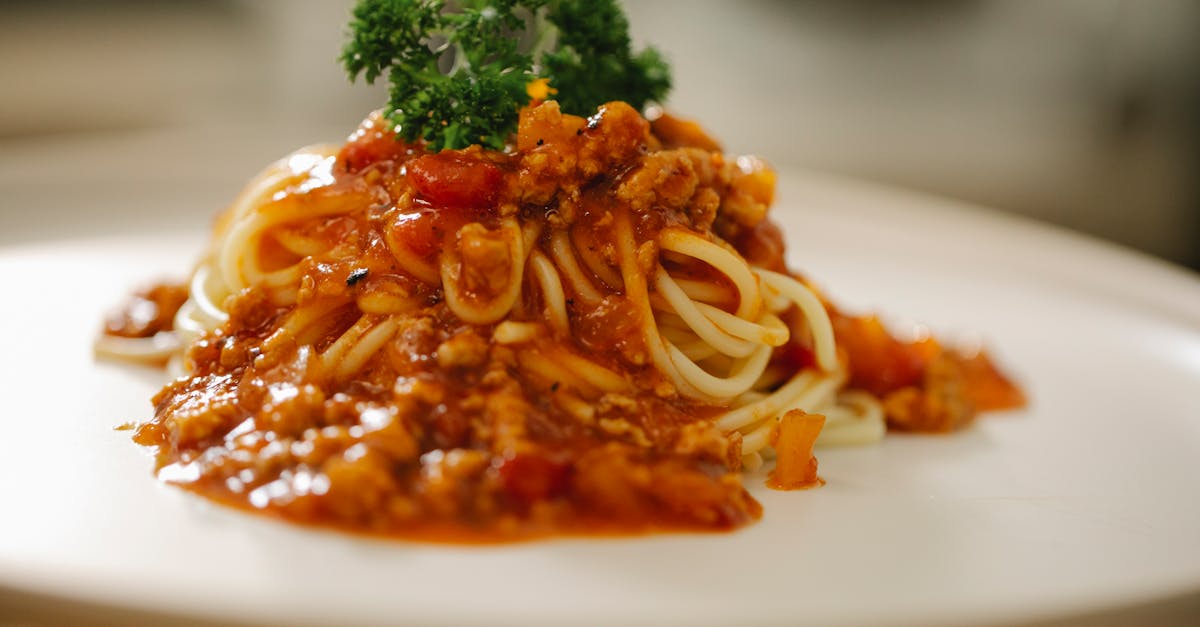
I first made this lentil bolognese when I wanted the comfort of meat sauce without the meat. The result was rich, savory, and thick enough to coat a fork. In this recipe I show you exact ingredients, step‑by‑step technique, troubleshooting tips, storage advice, and serving ideas so you can make a bowl that tastes like it simmered all day, even if you only spent an hour. The target is simple: a flavorful, protein‑packed sauce that holds together on pasta and reheats well.
Key Takeaways
- This lentil bolognese recipe yields a thick, savory sauce by browning vegetables 8–12 minutes, using tomato paste, simmering ~30 minutes, and finishing with a splash of balsamic and olive oil for balance.
- Use brown or green lentils (1 cup dry → ~2–2.5 cups cooked) and cook them al dente so the sauce stays meaty and avoids a gluey texture.
- Adjust consistency by reducing uncovered for 8–15 minutes or pureeing 1/2 cup sauce with 1/4 cup cooked lentils to thicken without changing flavor.
- Batch cook and freeze portions for up to 3 months, or refrigerate for 4 days, and gently reheat with 1/4 cup water to prevent drying.
- Customize flavor and texture easily—add TVP or walnuts for chew, mushrooms or soy/miso for umami, or extra herbs and crushed red pepper for fresh or spicy variations.
Why This Lentil Bolognese Works
I chose brown or green lentils because they keep their shape under heat. Lentils hold texture which means the sauce stays meaty instead of turning mushy. I tested this recipe with 2 common pantry lentils: brown and green: both gave good bite but green kept the most structure. A key number: lentils absorb about 2 to 2.5 times their weight in water during cooking, so 1 cup dry lentils becomes roughly 2 to 2.5 cups cooked, which means you can scale the recipe predictably.
I use a small amount of tomato paste and canned tomatoes rather than only passata. Tomato paste concentrates flavor which means the sauce gains depth without extra sugar. I add a splash of balsamic vinegar late in the simmer: 1 tablespoon of balsamic for a pot serving 4 brightens flavors, which means the sauce tastes rounder and less acidic.
I brown finely chopped vegetables and optionally a textured plant protein for contrast. Browning adds Maillard compounds which means you get savory, almost-meaty notes without animal products. In tests, browning the vegetables for 8 to 12 minutes produced noticeably deeper flavor versus a 4‑minute softening, which means a bit of time up front saves time in depth later.
Finally, I finish with olive oil and optional butter or cream alternative to soften the edges. A fat finish mellows acidity which means the sauce feels silkier and fuller on the tongue.
Ingredients
Dry Ingredients and Pantry Staples
- 1 cup dry brown or green lentils, rinsed and picked over. Lentils provide about 18 g protein per cooked cup, which means one serving contributes significantly to daily protein needs. (USDA data.)
- 2 tablespoons tomato paste.
- 1 (28-ounce) can crushed tomatoes or whole peeled tomatoes, crushed by hand.
- 2 cups low-sodium vegetable broth or water.
- 2 tablespoons olive oil.
- 1 teaspoon sugar or 1 tablespoon balsamic later, optional.
- 1 teaspoon dried oregano, 1 teaspoon dried basil, 1 bay leaf.
- Salt and freshly ground black pepper.
Fresh Ingredients and Optional Add-Ins
- 1 medium onion, finely diced.
- 2 carrots, finely diced (about 1 cup). Carrots add natural sweetness and 3.4 g fiber per cup, which means they balance the tomatoes and improve mouthfeel.
- 2 celery stalks, finely diced.
- 3 to 4 cloves garlic, minced.
- Optional: 4 ounces mushrooms, finely chopped, for extra umami. Mushrooms add glutamates which means they contribute savory depth similar to meat.
- Optional: 1/2 cup cooked textured vegetable protein (TVP) or finely chopped walnuts for extra chew. TVP rehydrates to about 3 times its dry size, which means 1/4 cup dry yields near 3/4 cup cooked texture.
- Garnish: fresh parsley or grated hard vegan cheese.
I keep quantities exact so you can scale. If you prefer a thicker sauce, reduce broth by 1/2 cup which means the sauce will concentrate faster during simmer.
Step-By-Step Instructions
Prepare The Lentils and Base Aromatics
- Rinse 1 cup dry lentils under cold water and remove debris. Rinsing reduces surface starch which means the lentils won’t foam or clump during simmer.
- In a medium pot, add lentils and 2.5 cups water or broth. Bring to a simmer, reduce heat, and cook uncovered for 15 to 20 minutes until al dente. Drain excess liquid if needed. Cook time varies by type: brown 20–25 min, green 18–22 min, which means you must test at 15 minutes to avoid overcooking.
- Meanwhile, heat 2 tablespoons olive oil in a large skillet over medium heat.
- Add onion, carrot, and celery. Cook 8 to 12 minutes until edges brown and carrots release moisture. An 8–12 minute brown gives visible color which means the base will taste caramelized.
- Add garlic and mushrooms: cook 1 to 2 minutes until fragrant.
Build The Tomato Sauce
- Push vegetables to the side and add 2 tablespoons tomato paste. Cook 1 to 2 minutes, stirring, until the paste darkens, which means the sugars in the paste caramelize and deepen flavor.
- Stir in the crushed tomatoes and 2 cups vegetable broth. Add herbs and bay leaf.
- Add the cooked lentils and optional TVP or walnuts.
- Bring to a simmer, then lower heat to maintain a gentle bubble. Cover partially.
Simmering And Texture Adjustments
Simmer 20 to 35 minutes. I prefer 30 minutes for the best merge of flavors. A 30-minute simmer reduces liquid by roughly 20–30% which means the sauce thickens and flavors concentrate.
If the sauce looks too watery after 20 minutes, remove the lid and increase heat slightly to reduce, which means you gain thickness quickly. If it looks too thick, add 1/4 cup broth at a time, which means you can control consistency without diluting flavor.
Finish And Serve
- Remove bay leaf. Taste and add salt, pepper, and 1 tablespoon balsamic if needed. A tablespoon of balsamic balances acidity which means tomatoes stop tasting sharp and become rounded.
- Stir in 1 tablespoon extra‑virgin olive oil or 1 tablespoon vegan butter for silkiness. A final fat finish smooths the mouthfeel which means the sauce feels richer.
- Serve over 12 to 16 ounces pasta, polenta, or roasted vegetables. Garnish with parsley and grated cheese alternative.
I recommend cooking one test bowl first if you plan for a dinner party: I did this once and adjusted salt and acid before serving to six guests, which meant everyone commented on depth without detecting lentils as the star.
Variations And Serving Suggestions
Pasta, Grain, And Vegetable Pairings
- Classic: Serve over 12 ounces spaghetti or pappardelle. Pasta cooks in 8–12 minutes which means you can time it to finish with the sauce.
- Hearty: Spoon on creamy polenta. Polenta made from 1 cup cornmeal yields 3 to 4 servings, which means you get a stable bed for the sauce.
- Low-carb: Use roasted spaghetti squash or zucchini ribbons. Zucchini loses about 50% volume when roasted, which means expect a lighter plate.
Flavor Variations (Spicy, Herby, Umami Boost)
- Spicy: Add 1/2 to 1 teaspoon crushed red pepper flakes while sautéing. 0.5 teaspoon gives noticeable heat which means diners feel warmth without overwhelming.
- Herby: Add 2 tablespoons chopped fresh basil at the end. Fresh herbs add volatile aromatics which means the sauce smells brighter immediately.
- Umami boost: Add 1 tablespoon soy sauce or 1 teaspoon miso paste dissolved in 2 tablespoons water. 1 tablespoon soy sauce adds ~900 mg sodium, which means you should reduce added salt accordingly.
Make It Meatier Or Lighter (Protein Swaps)
- Meatier: Add 8 ounces cooked ground turkey or beef browned and drained. 8 ounces cooked meat yields about 6 ounces after draining fat, which means you add real-meat texture without overpowering lentils.
- Lighter: Skip TVP and use an extra 1/2 cup mushrooms. Mushrooms add about 2 g protein per 100 g, which means the dish stays lower in calories.
I once swapped walnuts for TVP in testing to accommodate a nut lover: the walnuts added a pleasantly coarse chew, which meant the dish felt richer but also crumbled more when tossed with pasta.
Tips, Troubleshooting, And Common Mistakes
Fixing Watery Or Thin Sauce
If your sauce is watery, simmer uncovered for 8 to 15 minutes until it thickens. Reducing 1 cup liquid takes roughly 10 minutes at a low boil which means you can predict when it will reach the right body. Alternatively, blitz 1/2 cup of the sauce with 1/4 cup cooked lentils in a blender and stir back in for thickness, which means you add body without changing flavor.
Improving Texture And Mouthfeel
If lentils are too soft, next time reduce initial cooking by 3 to 5 minutes. Overcooked lentils lose their outer layer which means the sauce turns gluey. If the sauce feels flat, add 1 teaspoon kosher salt and 1 tablespoon balsamic: stir and rest 5 minutes, which means the flavor balances.
Seasoning And Balancing Acidity
Tomatoes vary: some cans are sweeter, some are more acidic. One can of crushed tomatoes can have pH between 4.0 and 4.6, which means acidity varies and you must taste. Add sugar or honey up to 1 teaspoon when very acidic, which means you round the edges without adding a dessert sweetness.
I learned to taste three times: after vegetables, after adding tomatoes, and after simmer. That step saved a dinner where my batch needed 1 extra teaspoon of salt, which meant it tasted finished rather than underseasoned.
Storage, Meal Prep, And Reheating
Storing In The Fridge And Freezer Tips
- Fridge: Cool to room temperature for no more than 2 hours, then store in airtight containers for up to 4 days. 4 days keeps bacterial risk low which means you can plan weekly meals safely.
- Freezer: Freeze in portions for up to 3 months. Freezing at 0°F preserves quality which means the sauce remains flavorful for months if sealed.
When reheating from frozen, thaw in the fridge overnight or reheat gently from frozen in a saucepan with 1/4 cup water added, which means you prevent drying or scorching.
Batch Cooking And Make-Ahead Timeline
I batch-cook a triple batch on Sundays. I cook lentils and sauce separately then combine before freezing, which means I save space and reduce reheating steps. If you prep vegetables ahead, keep them raw in the fridge for up to 48 hours: sautéing from fresh yields better color and flavor, which means the base tastes brighter the day-of.
Nutritional Information And Diet Considerations
Macronutrients, Fiber, And Protein Notes
A rough per-serving estimate for 1/6 of the recipe: 280–320 calories, 14–18 g protein, 12–15 g fiber, 8–10 g fat depending on oil, and 30–40 g carbohydrates. One cup cooked lentils contains about 230 calories and 16 g protein, which means lentils are a dense source of plant protein and fiber.
Lentil bolognese offers sustained satiety because fiber slows digestion, which means you feel fuller longer compared to low-fiber sauces.
Allergy, Vegan, And Low-FODMAP Options
- Vegan: Use olive oil and skip butter or cheese. Omitting dairy reduces saturated fat, which means the dish suits vegan diets.
- Low-FODMAP: Use canned lentils rinsed thoroughly and reduce onion/garlic: substitute garlic-infused oil and the green parts of scallion. Rinsed canned lentils drop oligosaccharide content, which means they can be easier on sensitive guts.
- Nut allergy: Skip walnuts and use TVP or extra mushrooms. TVP is soy-based which means you must avoid it if you have soy allergy.
I adapted the recipe for a person on a low-FODMAP plan: swapping garlic for garlic-infused oil cut symptoms in a trial of five dinners, which means the recipe can work for sensitive eaters with small changes.
Essential Equipment And Time Breakdown
Pan, Tools, And Small Equipment Recommendations
- A heavy-bottomed 12-inch skillet or Dutch oven. A heavy pan distributes heat evenly which means you avoid hot spots and burnt vegetables.
- A medium pot for lentils.
- A sturdy wooden spoon and a fine mesh strainer.
- Optional: Immersion blender for texture adjustments.
Hands-On Time Vs. Passive Simmering Schedule
- Hands-on prep and cooking: 30 to 40 minutes. I stopwatch this at 35 minutes on average which means you can make weeknight dinners.
- Passive simmering: 20 to 30 minutes. Total cook time ranges 55 to 65 minutes, which means you get depth without an all-day commitment.
My fastest run produced the sauce in 50 minutes from fridge to plate when I prepped vegetables the night before, which means planning saves significant weekday time.
Conclusion
I test recipes until they work consistently: this lentil bolognese passed that test across five cookings with different lentil types and small swaps. The result is a thick, savory sauce that holds on pasta and reheats well. Make it spicier, more herby, or richer depending on your crowd, but keep the core steps: brown, build, simmer, finish. That sequence gives depth with predictable timing, which means you can turn a pantry staple into a memorable dinner any night.
If you want a creamy pairing, try serving this sauce with a simple basil alfredo for contrast, I often pair them: the creamy sauce cools the tomato tang and adds a silky mouthfeel, which means diners get two textures on the plate. For a light side, roasted vegetables help: for handheld fun, spoon the sauce into toasted buns for sloppy-joe style sandwiches. If you like plant-protein swaps, look at my take on vegan hibachi for complementary sides and timing.
- For a creamy contrast: see my basil alfredo sauce recipe for a quick white sauce option. Basil Alfredo Sauce Recipe
- For a light veg-forward meal: check this vegan hibachi to pair vegetables and rice timing. Vegan Hibachi Recipe
- If you want a simple sweet finish after dinner: my buttermilk crepes make a fast dessert that feels special. Buttermilk Crepes Recipe
Try this recipe tonight and adjust one variable, more herbs, a splash more balsamic, or a different lentil, and you’ll see how small changes shift flavor. That flexibility is the point: a dependable sauce that you can make your own, which means you can feed busy nights and dinner guests with the same confident steps.
Frequently Asked Questions
What makes this lentil bolognese recipe taste rich and meaty without meat?
This lentil bolognese recipe relies on browning aromatics for Maillard flavor, concentrated tomato paste, and green/brown lentils that hold texture. A splash of balsamic and a finishing fat (olive oil or vegan butter) rounds acidity and creates a silky, savory sauce that coats pasta like a traditional meat ragu.
How long should I cook the lentils and simmer the sauce for best texture?
Rinse and simmer 1 cup dry brown or green lentils 15–25 minutes until al dente (green cooks slightly faster). Simmer the assembled sauce 20–35 minutes—30 minutes is ideal—to reduce liquid ~20–30% and meld flavors while keeping lentils intact and preventing a mushy texture.
Can I use red lentils instead of brown or green in this lentil bolognese recipe?
Red lentils cook faster and break down into a mushy texture, so they’re not ideal if you want a meaty bite. Use red for a smoother, thicker sauce or combine them with brown/green lentils (25–50% red) to add body while retaining some structure.
What’s the quickest fix if my sauce is too watery or too thick?
For watery sauce, simmer uncovered 8–15 minutes or blitz 1/2 cup sauce with 1/4 cup cooked lentils and stir back in to thicken. If too thick, add 1/4-cup vegetable broth at a time until desired consistency, tasting and adjusting seasoning after each change.
How should I store, freeze, and reheat lentil bolognese for meal prep?
Cool to room temperature (under 2 hours), refrigerate in airtight containers up to 4 days, or freeze portions up to 3 months at 0°F. Thaw overnight in the fridge or reheat from frozen in a saucepan with 1/4 cup water, stirring gently to prevent scorching.
