
The first time I nailed escovitch-style Jamaican red snapper, I heard the crackle before I saw it. The skin turned blistered and crisp, and the vinegar steam from the vegetables hit my face like a wake-up call, which means I knew the flavor would land sharp, bright, and hot.
This Jamaican red snapper recipe gives you that beach-stand energy at home, with clear steps, exact temps, and the little details that keep the fish crisp under a pile of spicy pickled vegetables, which means you get crunch and punch instead of limp, oily fish.
Key Takeaways
- This jamaican red snapper recipe (escovitch-style) delivers crackly, crisp fried fish topped with a warm vinegar pickle for a bright, spicy bite that never feels heavy.
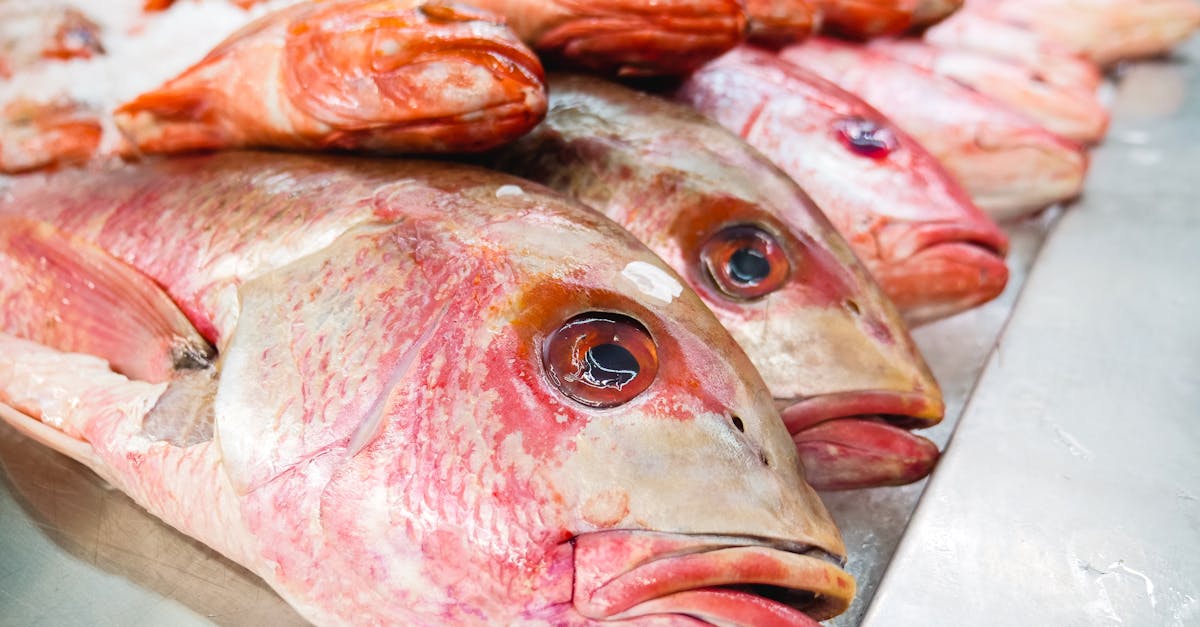
- Buy whole red snapper for the best moisture and crispiest skin, and look for clear eyes, firm springy flesh, and a clean ocean smell at the counter.
- Make the escovitch pickle the “other half” of the dish by simmering vinegar and seasonings first, then cooking onions, carrots, and peppers briefly so they stay snappy and flavorful.
- Keep the fish dry and seasoning mostly dry (not a long wet marinade), then fry at 360–375°F and cook to 145°F internal for juicy flesh with blistered skin.
- Prevent soggy, greasy results by using a thermometer, avoiding pot crowding, and resting fried fish on a rack so steam escapes.
- Store fish and pickle separately and reheat the fish in a 425°F oven (or 380°F air fryer) to bring back crispness without turning the vegetables limp.
What Makes Jamaican Red Snapper Different
One bite of escovitch snapper feels like a switch flips. You get crispy fried fish plus vinegar-bright vegetables in the same mouthful, which means the dish tastes rich but never heavy.
Jamaican cooks often serve snapper whole, with the bones protecting moisture while the skin turns crackly, which means you get juicy flesh without babying the cook time.
“Escovitch is a preservation idea turned party food: fry the fish, then top it with a sharp pickle.”
Escovitch Vs. Brown Stew Snapper
Escovitch snapper uses fried fish and a warm vinegar pickle, which means the final dish tastes tangy, spicy, and crisp.
Brown stew snapper simmers fish in a browned sauce with tomatoes and aromatics, which means the texture turns softer and saucier.
Here is the quick difference table I use when I decide what to cook.
| Style | Main technique | Dominant taste | Best for | What it means for you |
|---|---|---|---|---|
| Escovitch | Fry + vinegar pickle | Tangy, spicy, bright | Hot weather, parties | The pickle cuts oil, which means you can eat more without feeling weighed down. |
| Brown stew | Pan-sear + simmer | Savory, sweet, rich | Comfort meals | The sauce clings to rice, which means every bite feels hearty. |
Concrete number that matters: I aim for 375°F oil for escovitch frying, which means the skin crisps fast before the flesh dries.
Flavor Profile: Scotch Bonnet, Allspice, Thyme, And Citrus
The signature flavor comes from a short list. Each item does a job.
- Scotch bonnet pepper brings fruity heat, which means you get aroma as well as burn.
- Allspice (pimento) adds warm clove-cinnamon notes, which means the fish tastes “Jamaican” even with simple seasoning.
- Thyme adds a green, herbal edge, which means the vinegar pickle tastes fresh, not flat.
- Citrus (lime or sour orange) lifts the fish, which means the fry tastes clean instead of greasy.
I keep heat honest but controlled. One scotch bonnet can clock 100,000–350,000 Scoville Heat Units per chile on many heat charts (ranges vary by cultivar), which means a “small” pepper can still dominate a pot if you slice it open.
For food safety credibility, I follow USDA guidance for leftovers and safe chilling, which means I treat this like real kitchen work and not a vibe. I reference the USDA Food Safety and Inspection Service leftovers guidance when I plan storage, which means I do not guess on timing.
Ingredients You’ll Need
You do not need a long list. You need the right list, which means every ingredient has a clear purpose.
Below is my baseline for 2 whole red snappers (about 1.5 lb each) or 4 large fillets.
Best Fish To Buy: Whole Red Snapper Vs. Fillets
I buy whole red snapper when I want the real escovitch look, which means I get crisp skin and moist flesh with less risk.
I buy fillets when I want speed, which means I finish dinner faster but I watch doneness closely.
What I look for at the counter (my checklist):
- Clear eyes on a whole fish, which means the fish is fresh.
- Firm flesh that springs back, which means the fish will not turn mushy in oil.
- Clean ocean smell, which means you avoid that sour, old note.
If snapper is scarce, I use another firm white fish like grouper or sea bass, which means the method still works.
Escovitch Pickle Essentials: Vinegar, Onions, Carrots, Peppers
This topping is not a garnish. It is half the dish, which means you should measure it like you care.
My escovitch pickle set:
- White vinegar (1 cup), which means you get sharp acidity that keeps vegetables snappy.
- Water (1/2 cup), which means you soften the bite so it tastes lively, not harsh.
- Onion (1 large, sliced), which means you get sweetness and crunch.
- Carrot (1 large, julienned), which means you get color and a clean snap.
- Bell pepper (1 large, sliced), which means the pickle smells sweet and looks bright.
- Scotch bonnet (1 whole or 1/2, pierced), which means the pickle gets heat without turning bitter.
I also add pimento berries (allspice) if I have them. I use 6 berries, which means the vinegar tastes warm and rounded.
Spice And Heat Options Without Losing Authentic Flavor
I keep the “authentic” flavor by keeping the core trio: allspice + thyme + scotch bonnet, which means the dish still reads Jamaican even if you adjust.
Options I actually use at home:
- I leave the scotch bonnet whole and just pierce it with a knife, which means the pickle perfumes without melting my face.
- I swap scotch bonnet for habanero if that is what my store has, which means I keep similar fruit heat.
- I add 1/2 teaspoon smoked paprika only if my fish tastes mild, which means I add depth without changing the signature profile.
Practical warning: do not rub raw scotch bonnet oils into your eyes. Capsaicin sticks, which means the burn follows you for hours.
If you want a fun side-project meal later, I sometimes pair this fish night with a sweet bite like these macarons, which means dessert feels special without changing the main dish.
Prep Like A Pro
Good escovitch starts before the oil heats. I do prep in a strict order, which means I do not panic when the fish is frying.
I time this recipe like a line cook. I set the pickle first, then fish, then oil, which means the crisp fish hits the plate at peak texture.
How To Clean, Score, And Season Snapper
When I buy whole fish, I ask the market to scale and gut it. I still check the cavity at home, which means I avoid stray scales and bitter bits.
My clean-and-score method (5 minutes per fish):
- I rinse the fish fast under cold water. I pat it very dry with paper towels, which means the oil does not spit and the skin crisps.
- I cut 3 diagonal scores on each side down to the bone. I keep them about 1/2 inch deep, which means seasoning reaches the flesh.
- I rub with lime juice (1 lime) and a pinch of salt. I rest it 10 minutes, which means the surface deodorizes and brightens.
- I season with salt (1 1/2 teaspoons total), black pepper (1 teaspoon), ground allspice (1 teaspoon), and thyme leaves (1 teaspoon), which means every bite tastes spiced and not bland.
Concrete number: I aim for 0.75%–1.0% salt by weight if I weigh fish (about 7–10 g salt per 1 kg fish), which means the seasoning tastes balanced without turning salty.
How To Make Escovitch Pickle Ahead Of Time
The pickle smells sharp in the pot, then it softens in the bowl. That change is the magic, which means you can make it early and still win.
Make-ahead window: I make it 2 hours ahead for a bright crunch, which means the vegetables stay crisp.
I also make it up to 48 hours ahead for a softer, more blended flavor, which means weeknight assembly becomes easy.
Quick method:
- I simmer vinegar, water, sugar, salt, allspice, and thyme for 2 minutes, which means the liquid dissolves seasoning fast.
- I add onions, carrots, and peppers and cook 3 minutes, which means they soften slightly but stay snappy.
- I turn off heat and add the scotch bonnet, which means I control bitterness and keep the aroma.
Frying Setup And Oil Temperature Basics
Hot oil changes everything in seconds. The right setup keeps that control in your hands, which means you do not chase temperature swings.
My setup:
- Heavy pot or Dutch oven, which means the heat stays steady.
- Fry thermometer, which means I stop guessing.
- Neutral oil (canola or peanut), which means the fish flavor stays front.
Target temp: 350°F to 375°F. I drop fish at 365°F, which means I get crisp skin before the interior overcooks.
Concrete safety note: water and oil do not mix. Wet fish causes splatter, which means you can burn skin fast.
If you like outdoor cooking, you can take the same heat-control mindset to griddle meals. I use this approach when I make pancakes on a grill, which means I think in surface temp and timing, not guesswork.
Step-By-Step Jamaican Escovitch Red Snapper
This is the moment the kitchen changes. The oil pops, the skin tightens, and the whole room smells like thyme and pepper, which means dinner stops being an idea and becomes a real thing.
I wrote these steps the way I run them at home. I keep one eye on the thermometer and one on the fish, which means I keep crispness as the goal.
Marinate And Season The Fish
I do not soak the fish in a wet marinade for hours. I keep seasoning direct and dry, which means the skin fries crisp.
Step-by-step:
- I pat the fish dry again. I do not skip this, which means the skin blisters instead of steams.
- I rub lime juice lightly over the surface. I wait 5 minutes, which means the aroma brightens.
- I season inside the cavity and in the scores with:
- Salt
- Black pepper
- Allspice
- Thyme
- Optional: garlic (2 cloves, crushed)
I rest the fish 15 minutes at room temp. That rest helps even cooking, which means the center does not lag behind the surface.
Fry Until Crisp And Cooked Through
The fish tells you when it is ready. The skin goes from soft to glassy-crisp, which means you can hear the difference when you tap it with tongs.
Fry steps (whole fish):
- I heat oil to 365°F.
- I lower one fish in carefully. I fry 6 to 8 minutes per side depending on thickness, which means I cook through without drying.
- I move fish to a rack, not paper towels. Airflow matters, which means the bottom stays crisp.
Fry steps (fillets):
- I fry 3 to 4 minutes per side at 360°F, which means the flesh stays juicy.
Doneness check: I aim for 145°F internal temperature in the thickest part, which means I match the FDA safe cooking guidance for finfish. I use the FDA’s seafood guidance as my reference point (FDA: Selecting and Serving Fresh and Frozen Seafood Safely), which means I do not rely on vibes.
Practical warning: do not crowd the pot. Crowding drops oil temp fast, which means you get greasy fish.
Quick-Pickle The Vegetables And Assemble
The final assembly feels dramatic. Hot fish meets warm pickle and the vinegar smell rises in one sharp wave, which means the dish hits your senses before the first bite.
Assembly steps:
- I warm the escovitch pickle if it has chilled. I bring it to just-steaming, not boiling, which means the vegetables stay crisp.
- I place fish on a platter.
- I spoon 1/2 to 3/4 cup pickle over each fish.
- I add extra pickle on the side.
Concrete example from my last test: I used 1 cup onions + 3/4 cup carrots + 3/4 cup peppers per fish, which means every bite gets vegetable crunch and not just fish.
If you want another crispy, hand-held idea for a party table, I like building a spread with something like these stuffed sandwich ideas, which means guests can mix spicy fish with milder bites.
Serving Suggestions And Sides That Make It A Meal
When I serve escovitch snapper, the table gets quiet for a second. People lean in because they smell vinegar, thyme, and fried fish at once, which means the dish sells itself before anyone talks.
I plan sides that do two jobs. They soak up pickle juice and they calm heat, which means the meal feels complete.
Classic Pairings: Festival, Rice And Peas, Bammy, Fried Dumplings
These pairings show up for a reason. Each one catches sauce and keeps you full, which means you do not need extra mains.
- Rice and peas (kidney beans + coconut milk): it absorbs vinegar and fish juices, which means no flavor goes to waste.
- Festival (sweet fried dough sticks): it adds gentle sweetness, which means the heat feels more balanced.
- Bammy (cassava flatbread): it gives chew and a mild base, which means the snapper stays the star.
- Fried dumplings: they add crunch on crunch, which means the meal feels festive.
Concrete number: I serve 1/2 cup cooked rice and peas per person plus 1 whole fish for two people, which means portions stay realistic.
Sauces And Condiments: Pepper Sauce, Lime, And Extra Pickle
I keep condiments simple. Too many sauces blur the clean escovitch snap, which means the signature taste gets lost.
My picks:
- Pepper sauce (a few drops): it adds top-end heat, which means you can adjust per plate.
- Fresh lime wedges: they brighten fried flavor, which means the fish tastes lighter.
- Extra escovitch pickle: it adds crunch and acidity, which means leftovers stay exciting.
Practical warning: pepper sauce stains. It can mark cutting boards and shirts, which means you should wipe spills fast.
How To Plate For Family-Style Or Entertaining
I plate for “grab and go” comfort. I keep bones and heat in mind, which means guests do not struggle.
Family-style:
- I place fish on a big platter.
- I mound pickle down the center.
- I set rice and peas in a bowl with a serving spoon.
That layout invites sharing, which means the meal feels generous.
Entertaining:
- I fry fillets instead of whole fish.
- I portion 4 to 6 oz per plate.
- I spoon 2 tablespoons pickle on top and serve extra on the side.
That plating reduces bone work, which means guests focus on flavor.
For a bright drink pairing, I sometimes pour a simple tequila cocktail from this Recipe 21 tequila guide, which means the citrus notes match the vinegar bite.
Troubleshooting And Variations
The surprise here is how small mistakes show up loud. One temp drop can turn “crackly” into “sad,” which means you need simple fixes that work.
I keep a log when I test recipes. I note oil temp, fish weight, and fry time, which means my next batch improves instead of repeating errors.
Common Mistakes: Soggy Skin, Overcooked Fish, Too-Sharp Pickle
Problem: soggy skin.
- Cause: oil sat under 340°F, which means the fish absorbed oil before it crisped.
- Fix: fry at 360–375°F and rest on a rack, which means steam escapes.
Problem: overcooked fish.
- Cause: thin fish stayed in oil too long, which means the flesh dried.
- Fix: pull at 145°F and rest 3 minutes, which means carryover heat finishes gently.
Problem: pickle tastes too sharp.
- Cause: straight vinegar or too much vinegar, which means acid hits hard.
- Fix: add 2 tablespoons water and 1 teaspoon sugar, then warm it, which means the bite softens.
Concrete example from my notes: a 1 lb snapper fried like a 2 lb snapper lost moisture fast, which means weight matters more than “looks done.”
Baked Or Air-Fried Option
Sometimes I want less oil. I still want crisp, which means I use high heat and dry surfaces.
Baked method (closest to real texture):
- I heat the oven to 450°F.
- I oil a sheet pan lightly.
- I bake fillets 10 to 12 minutes.
- I broil 1 to 2 minutes at the end.
That broil step dries the surface, which means you get a better bite.
Air-fryer method (fast weeknight):
- I preheat to 400°F.
- I spray fish lightly with oil.
- I cook 8 to 10 minutes, flipping once.
This method reduces oil use, which means cleanup gets easier.
Honest assessment: air-frying does not match deep-fried blistered skin. It still tastes great with pickle, which means you can choose convenience without losing the point.
Brown Stew Snapper Variation
Brown stew feels like a different mood. The sauce hugs rice and the fish turns tender, which means you get comfort instead of crunch.
My quick outline:
- I season snapper the same way.
- I lightly fry to brown the surface 2 minutes per side, which means I build flavor.
- I sauté onion, garlic, thyme, and tomato.
- I add 1 cup water and simmer fish 8 to 10 minutes.
Concrete number: I keep the simmer at a gentle bubble around 190–200°F, which means the fish does not shred.
If you want another warm, comforting bowl for a different night, I rotate in meals like this pierogi and kielbasa crockpot recipe, which means dinner can stay easy even when you crave something filling.
Storage, Reheating, And Food Safety
Leftovers can surprise you in a good way. The pickle tastes even better the next day, which means you can plan this dish for meal prep.
Fried fish needs different care. Steam ruins crisp, which means you should store fish and pickle apart.
How To Store Fried Fish And Escovitch Pickle Separately
I cool everything fast. I pack it right, which means I protect texture and safety.
Storage rules I use:
- I store fish in a shallow container lined with paper towel, which means it absorbs surface oil.
- I store pickle in a sealed jar, which means the vinegar smell stays contained.
- I refrigerate within 2 hours of cooking, which means I follow standard food safety timing.
Concrete number: I eat leftovers within 3 to 4 days, which means I stay aligned with USDA leftovers guidance.
Best Reheating Methods To Keep It Crisp
Microwaves soften fried coatings fast. I avoid them for fish, which means I keep crunch.
Best method (my pick): oven reheat
- I heat oven to 425°F.
- I place fish on a rack over a sheet pan.
- I reheat 8 to 10 minutes until hot.
Airflow re-crisps the skin, which means the fish tastes close to fresh.
Air-fryer reheat:
- 380°F for 4 to 6 minutes.
This method heats fast, which means you do not overcook the center.
Practical warning: do not reheat the pickle hard. Boiling makes vegetables limp, which means you lose the snap that makes escovitch special.
Conclusion
Escovitch snapper feels dramatic because it is simple and loud. Hot crisp fish meets sharp spicy vegetables, which means you get contrast in every bite.
If you take only one thing from my kitchen notes, take this: dry the fish, hold the oil at 360–375°F, and keep the pickle bright, which means you get the crackle you came for.
Cook it once for yourself. Then cook it for people you love, which means you turn a regular night into the kind of meal they bring up later.
Frequently Asked Questions About Jamaican Red Snapper
What makes this Jamaican red snapper recipe “escovitch” style?
Escovitch-style Jamaican red snapper is crispy fried fish topped with a warm vinegar-based pickle of onions, carrots, and peppers. The contrast is the point: crunchy skin plus tangy, spicy vegetables. That sharp pickle cuts the oil, so the dish tastes bright instead of heavy.
What oil temperature is best for a Jamaican red snapper recipe that stays crispy?
For the crispiest Jamaican red snapper recipe, keep frying oil between 360°F and 375°F and drop the fish in around 365°F. Hot oil blisters the skin quickly before the flesh dries out. Avoid crowding the pot, because temperature drops lead to greasy, soggy fish.
Should I use whole red snapper or fillets for Jamaican escovitch?
Whole red snapper gives the classic escovitch look and often stays juicier because the bones protect moisture while the skin crisps. Fillets cook faster but can overcook easily, so watch time and temperature closely. Either works well with escovitch pickle when the fish is dried thoroughly.
How do you keep escovitch vegetables crunchy and not overly sharp?
Simmer the vinegar mixture briefly, then cook the sliced vegetables just a few minutes so they soften slightly but stay snappy. If the pickle tastes too sharp, add a little water and a touch of sugar, then warm it gently. Don’t boil hard—boiling makes vegetables limp.
Can I bake or air-fry this Jamaican red snapper recipe instead of deep-frying?
Yes. Bake at 450°F (about 10–12 minutes for fillets) and broil 1–2 minutes at the end to dry and crisp the surface. For an air fryer, cook around 400°F for 8–10 minutes, flipping once. It won’t match deep-fried crackle, but tastes great with pickle.
What are the best sides to serve with Jamaican escovitch red snapper?
Classic pairings include rice and peas, festival (sweet fried dough), bammy (cassava flatbread), and fried dumplings. These sides soak up escovitch juices and help balance Scotch bonnet heat. For a simple finish, add lime wedges and serve extra pickle on the side.
