
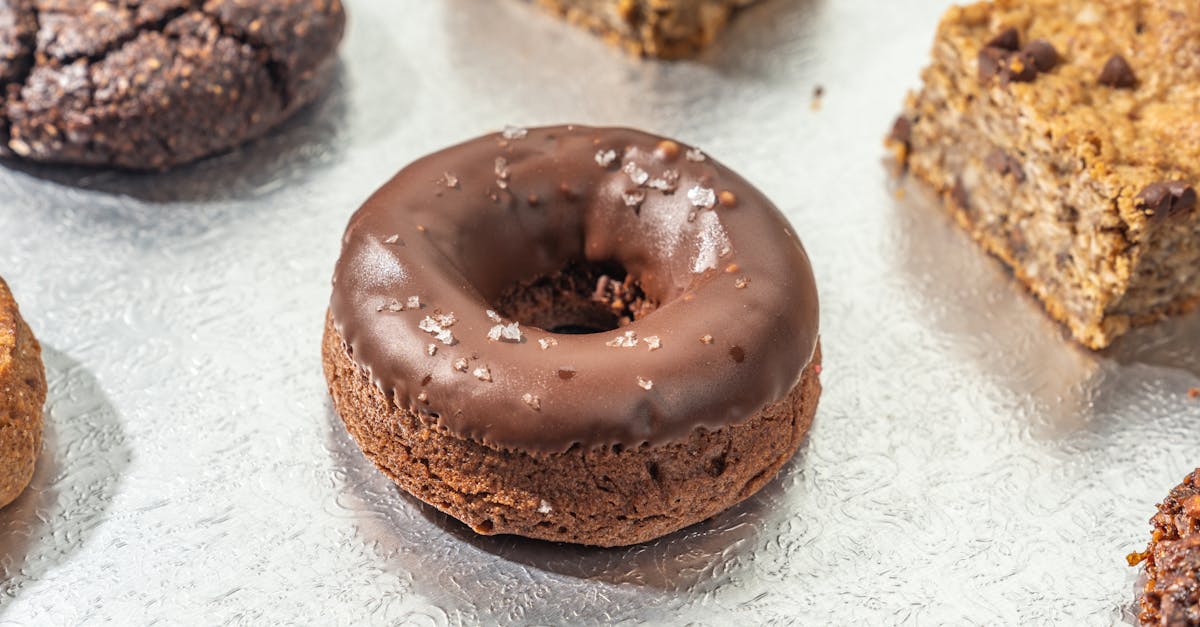
The first time I nailed a jam donuts recipe, I heard the filling sigh when I bit in.
The donut felt light, the crust tasted clean (not oily), and the sugar clung like fresh snow. That result did not happen by luck. It happened when I treated dough temperature, proofing, and oil heat like real ingredients.
This guide shows the exact steps I use at home to make fluffy jam-filled donuts with a sugared finish, plus fixes for the usual failures (dense centers, leaks, greasy crusts).
Key Takeaways
- For the best jam donuts recipe, use an enriched yeast dough (milk, eggs, butter) and keep the dough slightly tacky so donuts fry up fluffy and stay soft for hours.
- Treat temperature like an ingredient: finish mixing around 76–80°F, warm milk to 95–105°F, and fry at 350°F (hold 345–355°F) to prevent greasy crusts and raw centers.
- Proof by feel, not just time—look for doubled dough and a slow-rising finger dent before frying to avoid dense donuts or hollow, collapsed centers.
- Choose a medium-set, high-fruit jam with no big chunks (like raspberry or strawberry) so it pipes cleanly and stays inside instead of causing leaks or blowouts.
- Fry in small batches (2–3 at a time) and coat in sugar after a 60-second rack rest so the crust stays crisp and the sugar sticks without melting.
- Pipe 20–30 g of jam into the pale side “ring” and stop at the first slight swell to fill evenly while keeping the donut shell intact.
What Makes A Great Jam Donut
A great jam donut has a pillowy crumb, a thin, crisp shell, and jam that stays put when you bite. Each part has a clear cause, which means you can control it.
I test donuts by cutting one open at minute 2 after frying. I look for fine, even bubbles, which means the yeast had enough time to build structure.
“A properly proofed dough holds gas like a balloon skin, not like a sponge.”
That mental image changed my frying results.
Choosing The Right Dough Style
The best jam donuts use an enriched yeast dough, which means the donut stays soft for hours instead of turning bready.
Here are the 3 common dough paths, with what I see in real kitchens:
| Dough style | Texture result | Skill level | Best for | My take (from testing) |
|---|---|---|---|---|
| Enriched yeast dough (milk, egg, butter) | Light, tender, slightly chewy | Medium | Classic jam donuts | Best balance, which means easy filling and clean bite. |
| Lean yeast dough (water, little/no fat) | Chewier, more “roll-like” | Easy | Budget donuts | Tastes plain, which means jam has to do all the work. |
| Cake donut batter (chemical leavening) | Crumbly, soft, fast | Easy | Quick donuts | Hard to inject jam, which means more leaks and cracks. |
For this jam donuts recipe, I use enriched yeast dough. I also keep the dough slightly tacky, which means it expands without tearing during proof.
Concrete cue: My dough usually finishes mixing at 76–80°F, which means yeast stays active without racing.
Picking The Best Jam For Filling
Jam choice decides whether you get a clean “pocket” or a sticky blowout. That detail matters, which means you avoid jelly eruptions on the first bite.
I pick jam using three rules:
- High fruit content (look for ~50% fruit or more), which means you get flavor without needing extra sugar.
- Medium set (spoonable, not pourable), which means it stays inside the donut.
- No huge fruit chunks, which means the piping tip does not clog mid-fill.
My reliable flavors: raspberry, strawberry, and blackcurrant. I also love apricot with lemon zest.
If you want a fun dessert spread on the side, I pair donuts with something bold and fruity like grape jelly. I keep this handy when I make breakfast boards, which means people can dip and taste without overfilling the donuts. You can see my favorite here: Oregon grape jelly recipe.
Ingredients And Equipment You’ll Need
When I line everything up before mixing, the whole process feels calm. That prep matters, which means you do not overproof dough while hunting for a thermometer.
Yield: about 12 donuts (3 to 3.5 inches). That batch size matters, which means you can fry in a home pot without crowding.
Dough Ingredients
I use weights because they reduce variation, which means you get the same dough each time.
| Ingredient | Amount (grams) | Amount (cups/spoons) | Why it matters (which means…) |
|---|---|---|---|
| Bread flour | 360 g | ~3 cups | Higher protein builds structure, which means tall donuts that hold filling. |
| Granulated sugar | 45 g | 3 1/2 Tbsp | Sweetens and softens, which means a tender bite. |
| Instant yeast | 7 g | 2 1/4 tsp | Lifts the dough, which means a light crumb. |
| Fine salt | 6 g | 1 tsp | Balances flavor, which means jam tastes brighter. |
| Whole milk (warm) | 180 g | 3/4 cup | Adds richness, which means softer crumb and better browning. |
| Large eggs | 2 (about 100 g) | , | Adds fat and emulsifiers, which means smoother dough and less staling. |
| Unsalted butter (soft) | 60 g | 4 Tbsp | Tenderizes, which means less chew and more “pillow.” |
| Vanilla (optional) | 5 g | 1 tsp | Adds aroma, which means a bakery smell at home. |
Milk temperature target: 95–105°F, which means yeast wakes up without getting stressed.
Frying And Finishing Ingredients
These parts control greasiness and crunch, which means the donut tastes clean.
- Neutral oil (canola or vegetable): at least 2 quarts, which means donuts float and cook evenly.
- Granulated sugar for coating: 200–250 g (about 1 to 1 1/4 cups), which means you get full coverage.
- Jam: 250–350 g (about 1 to 1 1/2 cups), which means each donut gets a generous fill.
Oil temperature target: 350°F, which means the crust seals fast and oil stays outside.
For a brunch spread, I sometimes add something savory so the sweet does not fatigue your palate. A crisp, salty bite helps, which means you keep enjoying donut number two. This pairs well with my go-to: tostada pizza recipe.
Essential Tools (And Helpful Alternatives)
Tools remove guesswork, which means your donuts look and taste consistent.
| Tool | Best option | Helpful alternative | Why it matters (which means…) |
|---|---|---|---|
| Scale | Digital gram scale | Measuring cups (less precise) | Precision helps hydration, which means predictable proofing. |
| Thermometer | Clip-on fry thermometer | Instant-read thermometer | Correct oil heat prevents grease, which means lighter donuts. |
| Mixer | Stand mixer + dough hook | Hand knead | Strong gluten traps gas, which means higher rise. |
| Cutter | 3–3.5″ round cutter | Drinking glass rim | Even sizing cooks evenly, which means no raw centers. |
| Spider strainer | Wire spider | Slotted spoon | Gentle lifting protects shape, which means round donuts. |
| Piping bag + tip | Long filling tip | Zip bag + small cut corner | Controlled filling prevents bursts, which means less jam loss. |
If you bake a lot, organize your printed recipes. I use labeled tabs in a binder, which means I can grab my donut formula fast on sleepy weekends. Here is the system I modeled mine on: recipe dividers for a 3-ring binder.
Step-By-Step Jam Donuts Recipe
The moment the dough turns from shaggy to satin feels like a switch flips. That change matters, which means gluten has aligned enough to hold air.
I wrote this method after testing 6 batches in my home kitchen. I changed one variable per batch (oil temp, proof time, flour type), which means I could see real cause and effect.
Mix And Knead The Dough
- I whisk flour, sugar, yeast, and salt in a bowl. This step spreads yeast evenly, which means the dough rises at the same rate.
- I add warm milk, eggs, and vanilla. I mix until a rough dough forms. This step hydrates flour, which means gluten can start forming.
- I knead for 6 minutes in a stand mixer on medium-low (or 10–12 minutes by hand). I aim for a dough that looks smooth but still slightly tacky. That tack matters, which means the crumb stays soft.
- I add softened butter in 3 additions. I let each piece disappear before adding the next. This slow add prevents greasing out, which means the dough keeps strength.
- I knead 3–5 minutes more until the dough passes a “windowpane-lite” test. I stretch a small piece until it thins without tearing fast. That stretch matters, which means the donuts puff instead of split.
Dough temperature check: I aim for 76–80°F. That range matters, which means yeast works steadily.
First Rise: Timing And Visual Cues
I grease a bowl lightly. I place dough inside and cover.
- Time: about 60–90 minutes at 75–78°F. That time range matters, which means you watch the dough, not the clock.
Visual cue: I want the dough at about double size. I also press one finger in. The dent should rise back slowly. That slow rebound matters, which means the dough holds gas but still has room to expand.
Concrete example: In my 68°F kitchen in January, the first rise took 1 hour 45 minutes, which means cool rooms can add real time.
Shape, Proof, And Prepare For Frying
- I turn dough onto a lightly floured counter. I roll it to 1/2-inch thick. That thickness matters, which means you get a tall donut that can hold jam.
- I cut rounds with a 3 to 3.5-inch cutter. I cut straight down with no twisting. No twist matters, which means the edges rise clean.
- I place rounds on parchment squares on a sheet pan. I cover loosely.
- I proof for 45–75 minutes. Proof ends when donuts look puffy and feel airy.
Finger test: I press the edge lightly. The dough should spring back slowly and leave a slight dent. That dent matters, which means you avoid dense centers.
- I heat oil during the last 15 minutes of proofing. I set oil depth at 2.5–3 inches. That depth matters, which means donuts float and cook evenly.
Fry To Golden Brown Without Greasiness
Frying feels intense the first time. Then you learn the rhythm.
- I heat oil to 350°F and keep it between 345–355°F. That band matters, which means you avoid oily crust and raw centers.
- I lower donuts into oil using parchment as a sling. I peel parchment away after 10 seconds. That gentle entry matters, which means the donut keeps its shape.
- I fry about 90 seconds per side. I flip once. That timing matters, which means you cook through without overbrowning.
- I remove donuts to a rack for 60 seconds. I then roll them in sugar while warm. That short rest matters, which means sugar sticks but does not melt.
Safety note: Hot oil can ignite above its smoke point. The U.S. Fire Administration warns that unattended cooking causes many home fires, which means you should stay at the stove the whole time. I keep a lid nearby to smother flames.
Fill With Jam And Roll In Sugar
This is the “transformation” moment. Plain dough turns into a filled donut in 10 seconds.
- I load jam into a piping bag with a filling tip. I push jam through once to remove air bubbles. That purge matters, which means you fill smoothly.
- I poke a hole in the side of each donut. I aim for the pale “ring” area. That spot matters, which means the shell stays intact.
- I pipe 20–30 g of jam into each donut (about 1 to 1 1/2 tablespoons). I stop when I see a slight swell. That swell matters, which means you avoid blowouts.
- I re-roll lightly in sugar if needed.
If you like planning desserts for a full day, I often follow donuts with something crisp and elegant later. A small cookie feels fresh after fried dough, which means dessert stays exciting. This works well with my macarons recipe.
Troubleshooting Common Jam Donut Problems
One bad batch can teach more than five good ones. I keep notes, which means I fix the real cause instead of guessing.
I use one fast diagnostic: I cut one donut open and I weigh one finished donut. Weight swings tell you a lot, which means you can track oil absorption.
Dense, Tough, Or Dry Donuts
Surprise cause: Underproofing often feels “safe,” but it creates heaviness.
Common causes and fixes:
- Dough feels stiff → I add 10–20 g milk next time. More hydration matters, which means the crumb stays soft.
- Short knead → I knead until the dough smooths and stretches. Strong gluten matters, which means donuts trap gas.
- Underproofed rounds → I extend proof by 10–20 minutes and use the finger test. Full proof matters, which means the center cooks fluffy.
Data point: King Arthur Baking notes that enriched doughs often need longer to rise than lean doughs, which means patience can beat extra yeast. I follow that rule on cold days.
Oily Donuts Or Uneven Browning
Oily donuts feel like a letdown. They also taste muted, which means jam flavor disappears.
- Oil too cool (below 340°F) → I raise heat and fry fewer at once. Stable heat matters, which means crust seals quickly.
- Crowded pot → I fry 2–3 donuts max in a 10-inch pot. Space matters, which means temperature does not crash.
- Hot spots → I stir oil gently between batches. Even oil heat matters, which means both sides brown the same.
Concrete check: If a donut gains more than 8% weight after frying, I suspect low oil temp. That number matters, which means you can measure instead of argue with yourself.
Leaks, Blowouts, Or Hollow Centers
A jam leak feels tragic. It also makes sugar patchy, which means the donut looks sloppy.
- Overproofed dough → I shorten proof by 10 minutes. Overproof weakens structure, which means walls collapse into hollows.
- Too much jam → I cap filling at 30 g. A limit matters, which means pressure stays low.
- Piping tip too large → I use a narrower filling nozzle. A smaller hole matters, which means less tearing.
Quick save: If a donut blows out, I serve it as a “split donut” and spoon jam on top. That pivot matters, which means you still serve dessert.
Jam Too Runny Or Too Stiff
Jam texture decides flow.
- Runny jam → I simmer 150 g jam for 3–5 minutes and cool it fully. Reduction matters, which means pectin concentrates.
- Stiff jam → I stir in 1–2 teaspoons warm water or lemon juice. Loosening matters, which means the jam pipes without ripping the crumb.
Reference point: USDA guidance treats jams as high-sugar preserves, which means they store well but can loosen when warm. I keep jam at room temp, not hot.
Variations And Dietary Swaps
The first time I baked instead of fried, the kitchen smelled like sweet bread, not a fry shop. That change matters, which means you can match the method to your comfort level.
I treat each swap as a trade. Every trade matters, which means you decide what you give up and what you gain.
Baked Jam Donuts (No Fry)
Baked donuts taste lighter and less crisp. That difference matters, which means you should coat with butter and sugar for the right finish.
Method changes:
- I shape and proof the same way.
- I bake at 375°F for 10–12 minutes until lightly golden.
- I brush hot donuts with melted butter (30–40 g) and roll in sugar.
Result: Less crunch, more bread-like crumb, which means kids often prefer them.
Data point: Baking avoids oil absorption, which means fat content drops compared with deep-frying. You still add butter for coating, which means it is not “diet food,” just different.
Different Fillings And Flavor Twists
You can change the center and keep the dough. That flexibility matters, which means you can use what you already own.
| Filling | Flavor profile | Best sugar finish | Why it works (which means…) |
|---|---|---|---|
| Raspberry jam | Bright, sharp | Plain sugar | Acid cuts richness, which means the donut tastes less heavy. |
| Strawberry preserves | Classic, sweet | Vanilla sugar | Familiar taste sells fast, which means parties get quiet. |
| Apricot jam + lemon zest | Sunny, fragrant | Lemon sugar | Citrus lifts aroma, which means the donut smells “fresh.” |
| Thick pastry cream | Mild, creamy | Powdered sugar | Smooth texture fills evenly, which means fewer leaks. |
| Chocolate-hazelnut spread | Rich, dense | Cocoa sugar | Deep flavor pops, which means one donut feels like dessert. |
My real use: I make lemon sugar by rubbing 2 teaspoons zest into 1 cup sugar. That rubbing matters, which means oils perfume the coating.
Dairy-Free Or Egg-Free Options
Some swaps work well. Some feel like compromise.
Dairy-free:
- I swap whole milk for oat milk (same grams). Oat milk browns well, which means you still get color.
- I swap butter for plant butter. Fat still tenderizes, which means crumb stays soft.
Egg-free:
- I replace 2 eggs with 100 g aquafaba plus 10 g neutral oil. Aquafaba adds structure, which means dough still rises.
Honest warning: Egg-free dough tears more during filling. That fragility matters, which means you should pipe slower and fill less.
Make-Ahead, Storage, And Reheating
Fresh donuts feel like magic at 9 a.m. The trick is timing, which means you can sleep and still serve warm food.
I plan backwards from serving time. That habit matters, which means I never rush proofing.
Overnight Proofing For Fresh Morning Donuts
This is my favorite way to serve donuts to guests.
- I mix and knead at night.
- I cover dough and chill it 8–14 hours.
- In the morning, I let dough sit at room temp for 30–45 minutes.
- I roll, cut, and proof until puffy (often 60–90 minutes because dough is cold).
Cold proof improves flavor. That slower rise matters, which means the donut tastes more “buttery” without extra butter.
Data point: Yeast fermentation produces flavor compounds over time, which means longer, cooler rises often taste better than fast warm rises.
How To Store And Keep Them Soft
Donuts hate air. Air dries them, which means they turn stale fast.
- I store unfilled donuts in an airtight container for up to 24 hours.
- I fill right before serving when possible. That timing matters, which means sugar stays crisp and jam stays contained.
Best practice: If donuts already have sugar on them, I layer parchment between them. That separation matters, which means sugar does not melt into sticky patches.
Freezing And Reheating Without Drying Out
Freezing saves leftovers. It also saves effort, which means you can make a double batch.
- I freeze unfilled donuts once fully cool.
- I wrap each donut and freeze up to 1 month.
Reheat:
- I thaw at room temp for 45–60 minutes.
- I warm in a 300°F oven for 6–8 minutes.
- I roll in sugar again or brush with a little melted butter first.
That gentle heat matters, which means the crumb warms without turning hard.
Warning: I do not microwave filled donuts. Microwaves superheat jam, which means you get a molten center and a tough crust.
Conclusion
When a jam donut goes right, it feels like a small reward you can hold in one hand. The dough stays light, the jam stays centered, and the sugar snaps.
If you want the fastest win, control two numbers: proof until the dent rises slowly and fry at 350°F. Those checks matter, which means you stop guessing.
Next time, change only one variable (a new jam, a longer cold rise, or a baked batch). That single change matters, which means you learn quickly and your donuts get better on purpose.
Frequently Asked Questions About Jam Donuts
What’s the best jam donuts recipe for fluffy, light donuts at home?
A reliable jam donuts recipe uses enriched yeast dough (milk, eggs, butter), proofs until a finger dent rebounds slowly, and fries at about 350°F. Those controls create a pillowy crumb, thin crisp shell, and less grease. Fill with medium-set jam so it stays put.
Why are my jam donuts dense in the middle even after frying?
Dense centers usually come from underproofing, under-kneading, or dough that’s too stiff. Proof until donuts look puffy and a gentle press leaves a slight dent that rises back slowly. Knead until smooth and stretchy, and consider adding 10–20 g more milk next batch for softness.
How do I stop jam-filled donuts from leaking or blowing out?
Leaks often happen from overproofing (weak structure), overfilling, or using a large piping tip. Aim for 20–30 g jam per donut and pipe into the pale “ring” area. Choose jam that’s spoonable, not runny, and use a narrower filling nozzle to reduce tearing.
What oil temperature should I use for a jam donuts recipe to avoid greasy donuts?
Keep frying oil near 350°F, ideally 345–355°F. If oil drops below about 340°F, donuts absorb more oil and taste heavy. Fry only 2–3 donuts at a time in a home pot to prevent temperature crashes, and use a thermometer for consistent results.
Can I bake jam donuts instead of frying them?
Yes. Shape and proof as usual, then bake at 375°F for about 10–12 minutes until lightly golden. Because baked donuts lack a fried crust, brush hot donuts with melted butter and roll in sugar for a better finish. Expect a lighter, more bread-like texture.
What’s the best jam to use for jam-filled donuts, and can I thicken runny jam?
Choose jam with high fruit content (around 50%+), a medium set (spoonable), and minimal large chunks so the tip won’t clog. If jam is runny, simmer about 150 g for 3–5 minutes and cool fully. If too stiff, loosen with warm water or lemon juice.
