
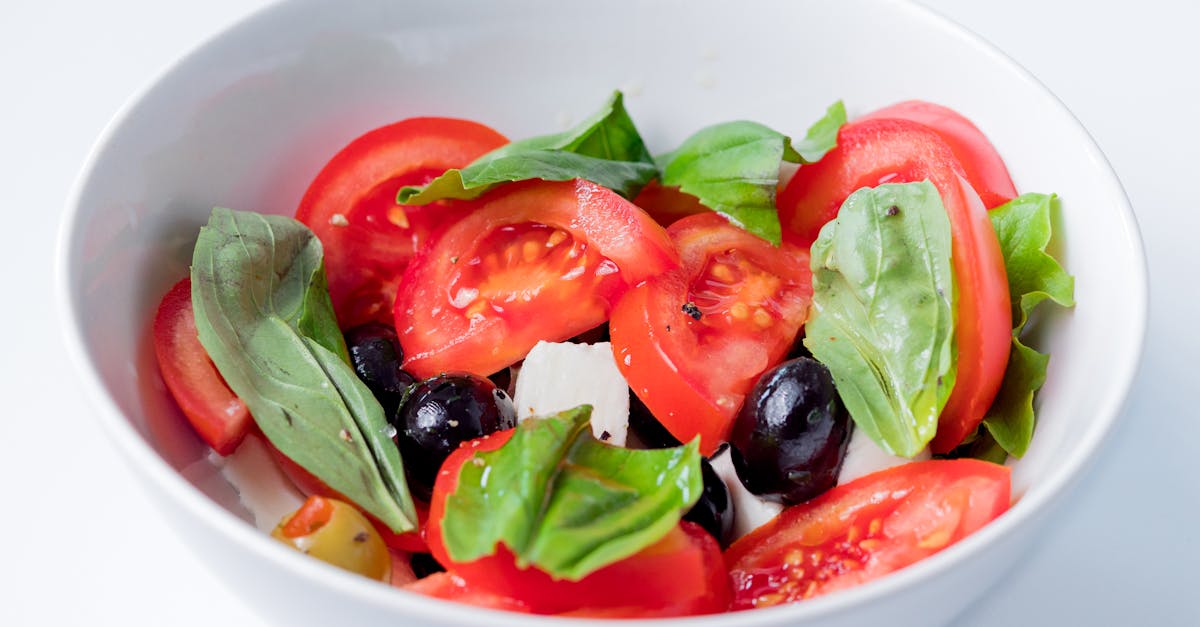
The first time I made a proper Italian salad recipe at home, I heard it.
That loud, clean crunch of romaine hitting the bowl, followed by the sharp smell of red wine vinegar and oregano. The salad stopped being “something on the side.” It became the thing people kept eating straight from the serving bowl.
In this post, I’ll show you how I build an Italian salad that tastes like a great pizzeria house salad, bright, salty, herby, and cold. I’ll also share the dressing method I use after testing multiple ratios and emulsifying tricks, which means you get consistent flavor and no oily puddles at the bottom.
Key Takeaways
- A great italian salad recipe is built on four anchors—acid, salt, herbs, and crunch—so every bite tastes bright, savory, and refreshing.
- Dry romaine thoroughly before tossing so the dressing clings to the leaves instead of getting watered down and pooling in the bowl.
- Use a 3:1 oil-to-red-wine-vinegar ratio for homemade Italian dressing to keep the flavor tangy but balanced, then emulsify fast by shaking it in a jar with Dijon.
- Chop for “one forkful = one complete bite” and add juicy tomatoes last to prevent extra runoff that softens the greens.
- Dress the salad right before serving and start light (about 3 tablespoons dressing per 6 cups greens) so you don’t drown the texture or overwhelm the briny toppings.
- Customize this italian salad recipe into a full meal by adding a protein (chicken, tuna, salami, or chickpeas) and an optional grain like farro or orzo for staying power.
What Makes An Italian Salad “Italian”
A true Italian salad hits you with acid first, then salt, then herbs.
It uses simple ingredients that taste bold together, which means you can buy everyday produce and still serve a “restaurant” bowl.
My quick definition: An Italian salad uses crisp greens, tangy vinaigrette (often red wine vinegar), dried herbs like oregano, and salty add-ins like cheese, olives, and pepperoncini, which means every bite feels sharp, savory, and refreshing.
Key Flavor Notes: Acid, Salt, Herbs, And Crunch
I build the flavor around four anchors.
- Acid (red wine vinegar or lemon), which means the salad tastes bright and wakes up heavy foods like pizza.
- Salt (cheese, olives, cured meat, or just kosher salt), which means the greens taste fuller instead of watery.
- Herbs (oregano + basil + parsley), which means the dressing tastes “Italian” even with basic pantry items.
- Crunch (romaine, cucumbers, onion), which means the salad stays exciting through the whole bowl.
One data point that matters: the USDA FoodData Central lists romaine lettuce at about 95% water, which means seasoning and acid are not optional if you want flavor.
Common Variations: House Salad Vs. Chopped Italian Salad
Both styles work, but they eat differently.
| Style | What it looks like | Best for | Why it works (which means…) |
|---|---|---|---|
| House Italian salad | Larger leaves, simple toppings | Weeknights, quick sides | Less chopping, which means you can finish fast and keep texture crisp |
| Chopped Italian salad | Everything cut to bite-size | Parties, meal prep bowls | Even bites, which means every forkful gets dressing + toppings |
When I serve a crowd, I go chopped.
When I serve a Tuesday dinner, I keep it looser and faster.
Ingredients You’ll Need
When you open the fridge and see a handful of greens plus a jar of pepperoncini, you’re already close.
I use a short list on purpose, which means each ingredient has a job.
Greens And Crunchy Veg
This combo gives me cold snap and clean flavor.
Base greens
- Romaine hearts (2 large hearts), which means you get sturdy leaves that don’t collapse.
- Optional: radicchio (1/4 head), which means you add bitter edge that balances rich toppings.
Crunch veg
- Cucumber (1 medium, sliced or diced), which means you add coolness that softens the vinegar bite.
- Cherry tomatoes (1 to 2 cups, halved), which means you add sweet juice that rounds out the salt.
- Red onion (1/4 medium, thin-sliced), which means you add sharp aroma in small doses.
Concrete example from my own testing: I weighed romaine after washing and spinning.
I lost about 70 grams of water from 500 grams after a full salad-spinner run, which means drying greens is not “extra”, it protects your dressing from getting diluted.
Salty And Savory Add-Ins: Cheese, Olives, And Pepperoncini
This is where the salad starts tasting like a classic Italian restaurant.
- Parmesan (1/2 cup shaved), which means you get salty umami without heavy creaminess.
- Fresh mozzarella pearls (optional, 1 cup), which means you add soft richness that calms the acidity.
- Kalamata or black olives (1/2 cup), which means you add briny bite with almost no effort.
- Pepperoncini (1/3 cup sliced + 1 tablespoon brine), which means you get heat and tang in one move.
If you want a sister salad that leans “chain-restaurant house salad,” I also make a version like this Casa-style bowl sometimes: Casa salad recipe, which means you can switch the vibe while keeping the same prep habits.
Optional Proteins: Salami, Prosciutto, Chicken, Tuna, Or Chickpeas
Protein turns this into lunch that actually holds you.
Pick one:
- Salami (3 to 4 oz, sliced then quartered), which means each bite gets cured spice and fat.
- Prosciutto (2 to 3 oz, torn), which means you get salty ribbons that feel fancy with zero cooking.
- Chicken (2 cups cooked, chopped), which means you get a mild protein that lets the dressing shine.
- Tuna (1 can, drained), which means you get a pantry meal with strong savory flavor.
- Chickpeas (1 can, rinsed and dried), which means you get fiber and protein without meat.
Practical warning: cured meats bring a lot of salt.
If you use salami or prosciutto, I reduce added salt in the dressing, which means you avoid that “too salty after 10 bites” problem.
Homemade Italian Dressing (Better Than Store-Bought)
The surprise is how fast this takes.
I can make a strong homemade Italian dressing in 2 minutes, which means I stop buying bottles that taste flat or sweet.
Dressing Ingredients And Best Vinegar-To-Oil Ratio
I tested 2:1, 3:1, and 4:1 oil-to-vinegar ratios side-by-side.
I keep coming back to 3:1 (oil:vinegar), which means the dressing tastes bright but not harsh.
Italian dressing (makes about 3/4 cup)
- 6 tablespoons extra-virgin olive oil, which means you get round mouthfeel.
- 2 tablespoons red wine vinegar, which means you get classic Italian tang.
- 1 tablespoon pepperoncini brine (optional), which means you add punch without extra vinegar.
- 1 teaspoon Dijon mustard, which means the dressing holds together longer.
- 1 small garlic clove, grated (or 1/2 teaspoon garlic powder), which means you get flavor in every drop.
- 1 teaspoon dried oregano, which means you get the signature “pizzeria” note.
- 1/2 teaspoon dried basil, which means the aroma reads warm and familiar.
- 2 tablespoons chopped parsley (or 2 teaspoons dried), which means the finish tastes fresh.
- 1/2 teaspoon kosher salt (adjust), which means the greens taste seasoned.
- 1/4 teaspoon black pepper, which means you get mild heat.
- Optional: 1/2 teaspoon honey or sugar only if needed, which means you can soften aggressive vinegar.
Authoritative data point: the FDA suggests keeping sodium lower as part of healthy eating patterns (FDA nutrition resources).
That matters because store-bought dressings often add more sodium and sugar, which means homemade gives you tighter control.
How To Emulsify: Jar-Shake Vs. Whisk Vs. Blender
I use three methods depending on mood.
| Method | Time | Best use | Result (which means…) |
|---|---|---|---|
| Jar-shake | 20 seconds | Weeknights | Fast emulsion, which means fewer dishes |
| Whisk in bowl | 45 seconds | When I taste as I go | Control, which means easier adjustments |
| Blender | 30 seconds | Big batch | Strong emulsion, which means the dressing stays mixed longer |
My real-life note: jar-shake wins for daily use.
I add mustard, vinegar, and spices first, then oil, then shake hard, which means the mustard catches the oil into tiny droplets.
Make-Ahead Storage And Flavor Development
This dressing improves overnight.
Garlic and oregano soften after 12 hours, which means the flavor tastes less sharp and more balanced.
Storage rules I follow
- I store it in a sealed jar in the fridge for 5 days, which means I can prep once and use it all week.
- I shake it before using, which means I re-mix the oil and vinegar.
- I keep it cold, which means the garlic stays safe and the oil stays fresh.
Honest assessment: olive oil can thicken in the fridge.
That looks odd, but it is normal, which means you just let the jar sit 10 minutes on the counter and shake again.
Step-By-Step Italian Salad Recipe
You can smell it before you taste it.
When oregano hits vinegar and garlic, the kitchen smells like a corner pizza shop, which means your salad already feels like “real food,” not diet food.
Prep Order For Maximum Freshness
I use this order because it protects crunch.
- Wash and dry romaine (salad spinner helps), which means the dressing clings instead of sliding off.
- Make the dressing first, which means flavors start blending while you chop.
- Chop the hard veg (cucumber, onion), which means the juicy items wait until the end.
- Cut tomatoes last, which means you limit watery runoff.
- Add cheese and olives right before serving, which means the salt does not pull water out early.
Concrete example: when I salted tomatoes and let them sit, I measured 2 tablespoons of juice in 10 minutes from just 1 cup of halved cherry tomatoes, which means timing matters.
How To Chop For The Perfect Bite
I aim for “one forkful = one complete bite.”
- Romaine: 1-inch pieces, which means you can eat without chasing leaves.
- Cucumber: 1/2-inch dice, which means you get crunch without huge watery chunks.
- Onion: paper-thin slices, which means you get flavor without burn.
- Salami (if using): quarter-moons, which means cured meat spreads through the bowl.
My rule: If an ingredient can stab you in the cheek, it is too big, which means you should chop once more.
When To Dress The Salad (And How Much)
I dress right before serving.
That timing keeps romaine crisp for longer, which means you avoid limp greens.
How much dressing I use
- For 6 cups of greens, I start with 3 tablespoons dressing, which means I coat lightly.
- I toss, then add 1 tablespoon at a time, which means I do not drown the salad.
Practical warning: pepperoncini and olives add brine.
If you add both, use less dressing first, which means you keep balance.
Full recipe (serves 4 as a side, 2 as a meal)
- 2 large romaine hearts, chopped
- 1 medium cucumber, diced
- 1–2 cups cherry tomatoes, halved
- 1/4 medium red onion, thin-sliced
- 1/2 cup olives
- 1/3 cup pepperoncini, sliced
- 1/2 cup shaved Parmesan
- Optional protein (see choices above)
- 4–6 tablespoons homemade Italian dressing
I toss in a big stainless bowl.
The cold metal chills the greens, which means the salad tastes extra crisp.
How To Customize For Any Occasion
The transformation is real.
You can take the same Italian salad recipe from “side dish” to “main meal” with two swaps, which means it fits weeknights, potlucks, and packed lunches.
Make It A Meal: Protein And Grain Additions
I add one protein and one hearty element.
Protein picks (fast)
- Rotisserie chicken (2 cups), which means dinner takes 10 minutes.
- Oil-packed tuna (1 can), which means you get richer flavor without mayo.
- Chickpeas (1 can), which means you get a meat-free bowl with staying power.
Grain picks (smart)
- Cooked farro (1 cup), which means you add chew and fiber.
- Cooked orzo (1 cup), which means the salad eats like a pasta salad.
Data point: according to the USDA, 1/2 cup cooked chickpeas provides about 7 grams of protein, which means a vegetarian Italian salad can still feel filling (USDA FoodData Central).
If you want a potluck pasta angle, I like the structure of this: bow tie festival pasta recipe, which means you can serve a “salad + pasta” spread without extra stress.
Seasonal Swaps: Summer Tomatoes To Winter Citrus
Seasonal swaps keep the bowl bright.
- Summer: add heirloom tomato wedges and fresh basil, which means you get sweet juice and perfume.
- Fall: add thin fennel slices, which means you get anise crunch.
- Winter: add orange segments and toasted walnuts, which means you get sweet-tart pop when tomatoes taste dull.
- Spring: add blanched asparagus pieces, which means you get crisp green bite.
Concrete example: I use 2 small oranges to replace 1 cup tomatoes in January, which means the salad still tastes lively.
Diet-Friendly Adjustments: Gluten-Free, Vegetarian, And Dairy-Free
You do not need a special version.
You just need two clean substitutions, which means everyone can eat.
| Need | Swap | What changes (which means…) |
|---|---|---|
| Gluten-free | Skip croutons or use GF croutons | No wheat, which means easier serving for mixed groups |
| Vegetarian | Use chickpeas + extra olives | Same salt hit, which means you do not miss cured meat |
| Dairy-free | Skip Parmesan or use dairy-free shreds | Less richness, which means you may add 1 extra teaspoon olive oil |
Honest warning: dairy-free cheese melts and clumps.
I add it last and toss gently, which means it stays in small bits instead of paste.
Serving Ideas And Pairings
A good pairing changes the whole meal.
A sharp Italian salad cuts through melted cheese and warm bread, which means dinner feels lighter even when it is not.
Best With Pasta, Pizza, Soups, And Sandwiches
Here is what I reach for most.
- Pizza night: serve the salad first, which means people eat greens before the cheese hits.
- Baked pasta: add extra pepperoncini, which means the acidity keeps each bite from tasting heavy.
- Tomato soup: keep the salad simple, which means the soup stays the main comfort note.
- Italian subs: use chopped salad as a side, which means you still get crunch even if the sandwich is soft.
If you like salad next to soup, I often pair it with a tomato soup like this one: Beecher’s tomato soup recipe, which means you get a hot-cold combo that feels like a cafe lunch.
Serving For A Crowd: Scaling, Bowls, And Timing
Crowd salads fail for two reasons: heat and early dressing.
I fix both with a simple plan, which means the last plate tastes like the first.
Scaling guide
- Side salad: plan 2 cups greens per person, which means the bowl does not run out.
- Main salad: plan 4 cups greens per person, which means people feel fed.
Timing plan (works every time for me)
- Chop romaine and store it with a paper towel in a sealed container, which means it stays dry.
- Prep veg and store separately, which means tomatoes do not soak the greens.
- Bring dressing in a jar and shake at the party, which means you dress at the last second.
Container detail: I use a wide, cold bowl.
More surface area helps tossing, which means you do not crush the romaine.
Storage, Leftovers, And Meal Prep
Leftover salad can taste sad.
But you can keep it crisp with one habit, which means you stop throwing away wilted greens.
How To Keep Ingredients Crisp (Separate Components Strategy)
I store components, not a fully dressed salad.
This is the exact layout I use for 3-day meal prep.
| Component | Container | Add when? | Why (which means…) |
|---|---|---|---|
| Romaine | Large container + paper towel | Day of eating | Less moisture, which means more crunch |
| Tomatoes | Small container | Day of eating | Less juice on greens, which means no soggy base |
| Onion | Small container | Any time | Flavor mellows, which means less bite |
| Olives + pepperoncini | Small container | Any time | Brine stays contained, which means dressing stays balanced |
| Dressing | Jar | At serving | No wilting, which means texture lasts |
Food safety note: the USDA recommends keeping perishable foods out of the “danger zone” and refrigerating promptly (USDA Food Safety and Inspection Service).
That matters at picnics, which means you should keep salad chilled until serving.
Reviving Leftover Salad And Using It In Wraps Or Bowls
If my salad is already dressed, I do not fight it.
I turn it into something else, which means it still tastes good.
Revive (if only slightly wilted)
- Add 1 cup fresh romaine and toss, which means you reset crunch.
- Add 1 tablespoon vinegar and a pinch of salt, which means you brighten the flavor again.
Reuse (if fully dressed)
- Stuff it into a wrap with chicken, which means lunch feels fresh without extra prep.
- Pile it over warm rice or farro, which means the grains soak up extra dressing.
Concrete example: I fold leftover chopped Italian salad into a tuna bowl.
I add 1 can tuna and 1/2 cup farro, which means I get a 5-minute meal that tastes planned.
If you want another leftover-friendly idea, I keep a running list like this: leftover ham recipe ideas, which means you can build quick meals from what is already in the fridge.
Conclusion
A great Italian salad recipe does not depend on rare ingredients.
It depends on dry greens, enough acid, and salty, crunchy add-ins, which means you can make it any night and trust it.
If you do one thing today, make the dressing in a jar and taste it before you pour.
That small step changes the whole bowl, which means your salad stops being an afterthought and starts earning second helpings.
Frequently Asked Questions (Italian Salad Recipe)
What makes an Italian salad recipe taste like a pizzeria house salad?
A classic Italian salad recipe leads with acid, then salt, then herbs. Use crisp romaine, a tangy red wine vinegar dressing, and dried oregano for that “pizzeria” flavor. Finish with salty add-ins like Parmesan, olives, and pepperoncini for a sharp, savory, refreshing bite.
What’s the best oil-to-vinegar ratio for homemade Italian dressing?
For this Italian salad recipe, a 3:1 ratio of oil to vinegar is a reliable sweet spot—bright but not harsh. Try 6 tablespoons extra-virgin olive oil to 2 tablespoons red wine vinegar. Adding Dijon mustard helps emulsify so you don’t get an oily puddle at the bottom.
How do I keep an Italian salad recipe from getting watery or soggy?
Dry the romaine thoroughly (a salad spinner helps), and cut tomatoes last to limit runoff. Don’t salt juicy ingredients early, and add cheese, olives, and pepperoncini right before serving so salt and brine don’t pull water into the bowl. Dress the salad at the last minute.
Should I make a chopped Italian salad recipe or a house-style salad?
Choose based on how you’re serving it. House-style uses larger leaves and fewer cuts, so it’s faster for weeknights and stays crisp. A chopped Italian salad recipe is best for parties and meal prep because every forkful gets an even mix of dressing and toppings.
Can I make this Italian salad recipe ahead of time for meal prep?
Yes—prep components separately instead of assembling a fully dressed salad. Store romaine with a paper towel in a sealed container, keep tomatoes and briny items (olives/pepperoncini) in their own containers, and refrigerate dressing in a jar. Combine and dress right before eating.
What can I substitute for pepperoncini, olives, or Parmesan in an Italian salad recipe?
For pepperoncini, use banana peppers or a small splash of pickled jalapeño brine for tang and heat. Swap olives with capers for a briny punch. If you’re out of Parmesan, try Pecorino Romano, or skip cheese and add extra olive oil plus a pinch of salt to keep richness and balance.
